


February 11, 2026
Spanish Firm ERRE Is Quietly Transforming the City of Valencia
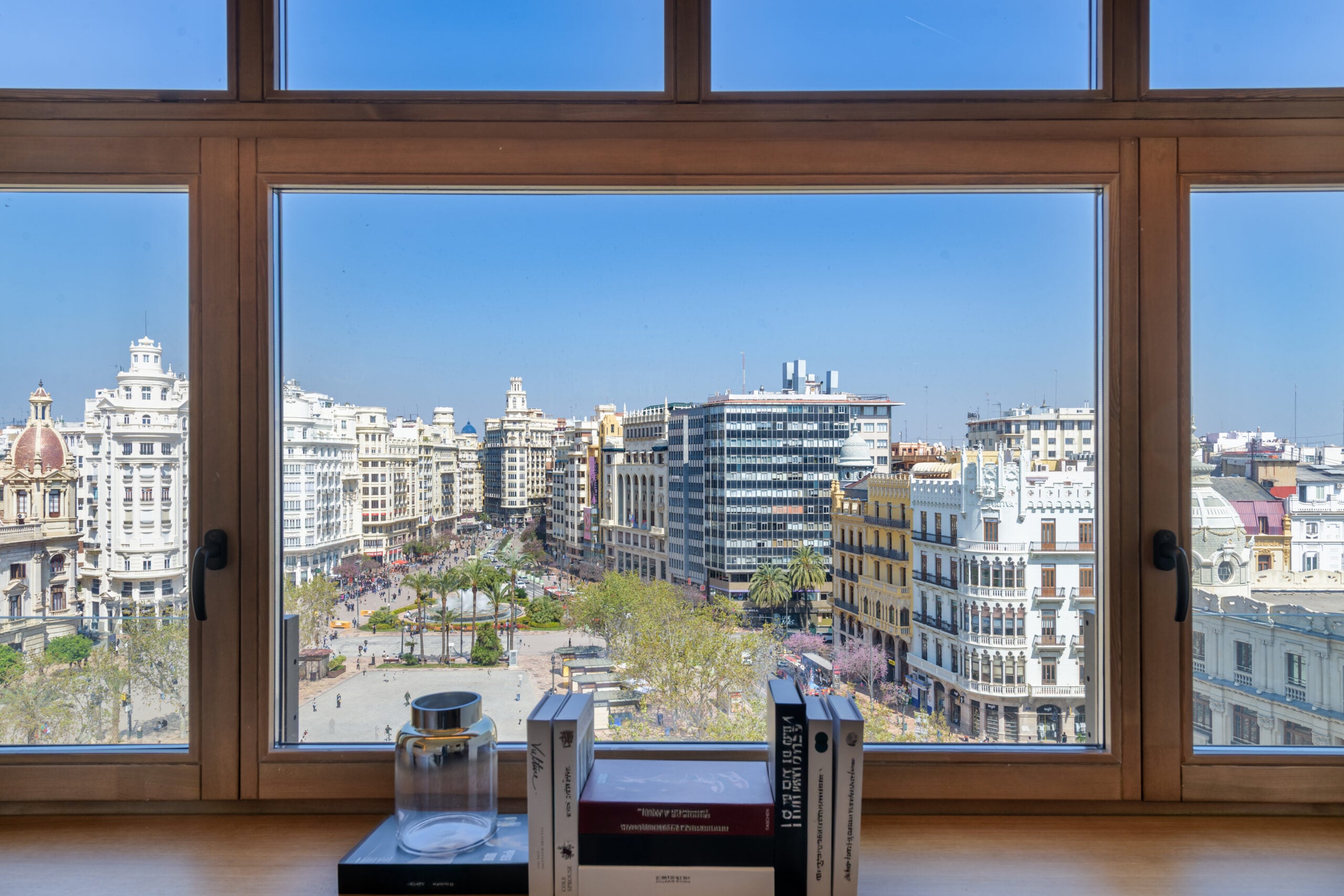
How does an architectural firm get such a glowing review? It seems like with a mutual respect and care for its clients, a dedication to regional production, and a genuine passion for what gets built in their city.
ERRE’s director of residential and hospitality projects, Alejandra De Juan says that the 50-person studio benefits from close cross collaboration at the firm level. “As a company, we feel that architects and interior designers cannot be separate,” De Juan explains. “The work we do prioritizes the storytelling of the building, from architecture to interior design. We work together to define this and be consistent across teams.”
Crafted Luxury at Grand Hotel Centenari
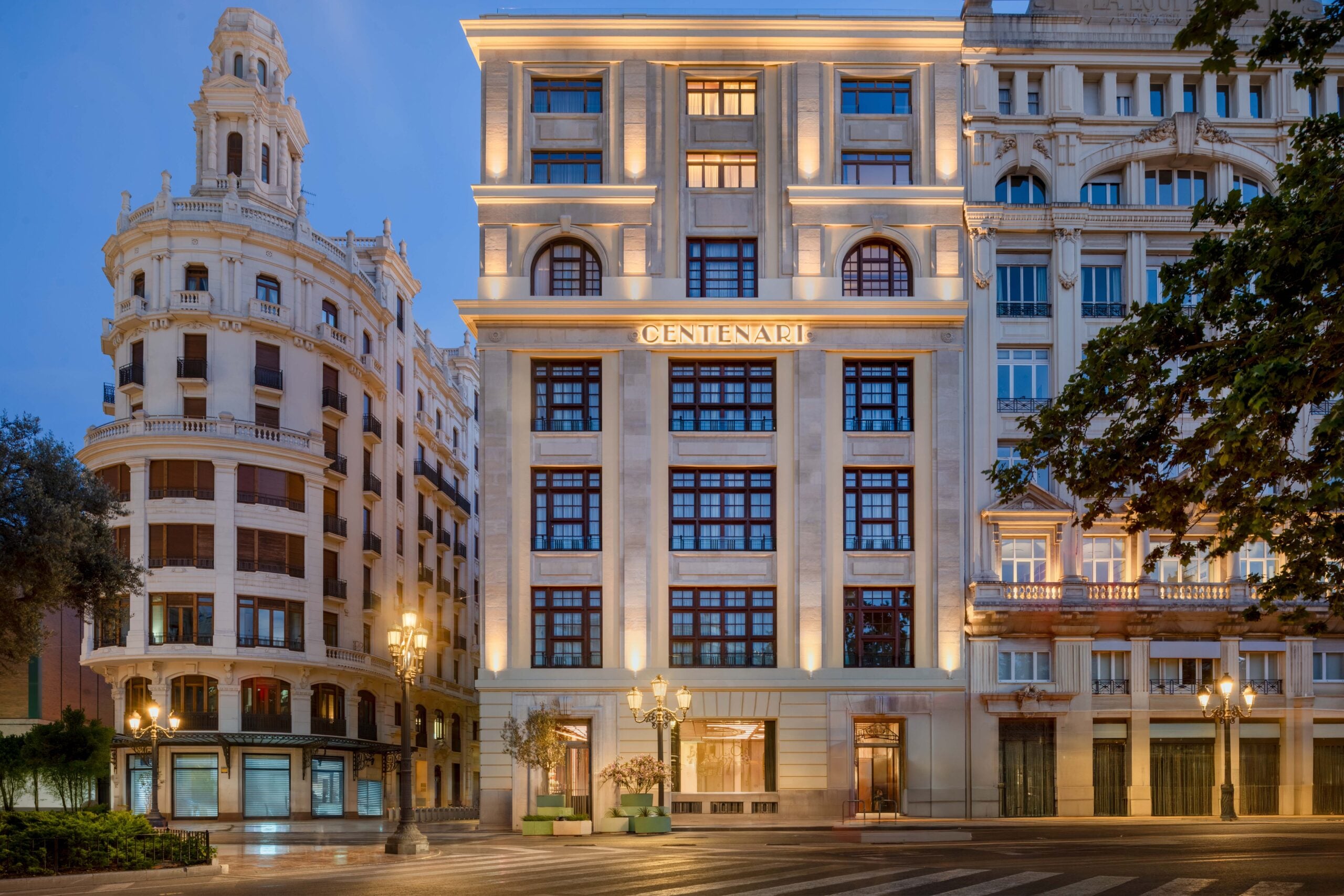
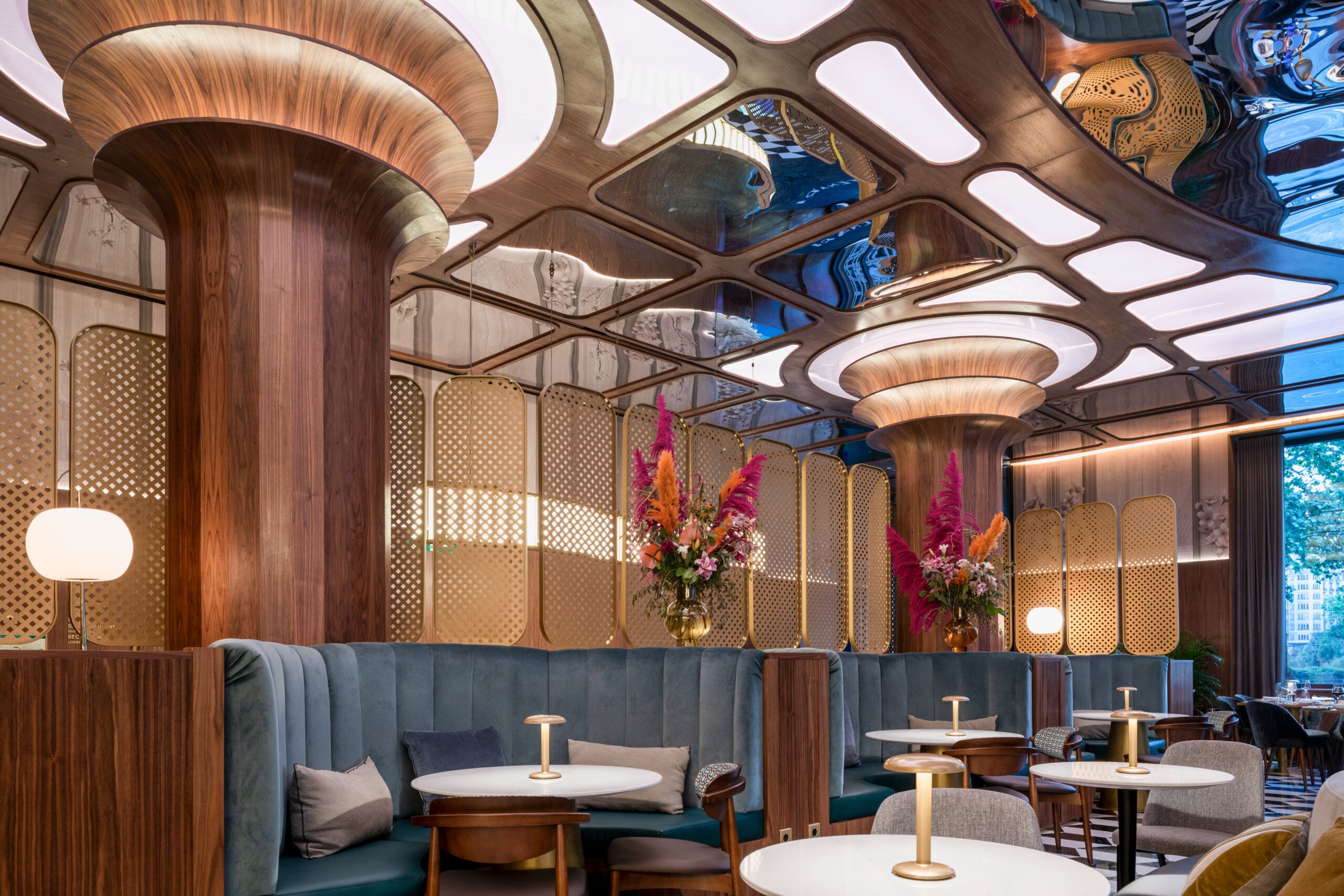
This attention to narrative is strongly felt in Valencia’s Grand Hotel Centenari. When I met with De Juan, alongside interior designer Marta Barcia, we were sitting underneath a shimmering mirrored ceiling in the Art Deco–inspired lobby of their latest commission, a Marriott Autograph Collection property located on Valencia’s central Plaça de l’Ajuntament.
The hotel’s 1920s-era building is an iconic structure in Valencia—designed by architects Santiago Esteban de la Mora and Ignacio de Cárdenas Pastor, it was one of the first skyscrapers in downtown Valencia. ERRE’s intervention respects the historical character of the property by preserving its historic Chicago-style facade and original wooden windows, while adapting the building’s use into a vibrant 53-room luxury hotel.
Inside the wood and tile clad dining room, it was surprisingly quiet, despite the hustle of the plaza outside, the soft music playing as guests enjoying a Spanish breakfast, and the reception activity just on the other side of a golden, custom-designed screen.
“Since it’s not a classic reception, and since people are using this space all day, with piano music at night, it’s not an easy [acoustic] situation to control,” explains De Juan. “The polytechnic architecture school in Valencia develops a type of foam that is very thick, so this wallpaper is actually has an acoustic function, and we asked them to print this orange flower design on it, to represent the orange trees that are in Valencia,” Barcia adds.

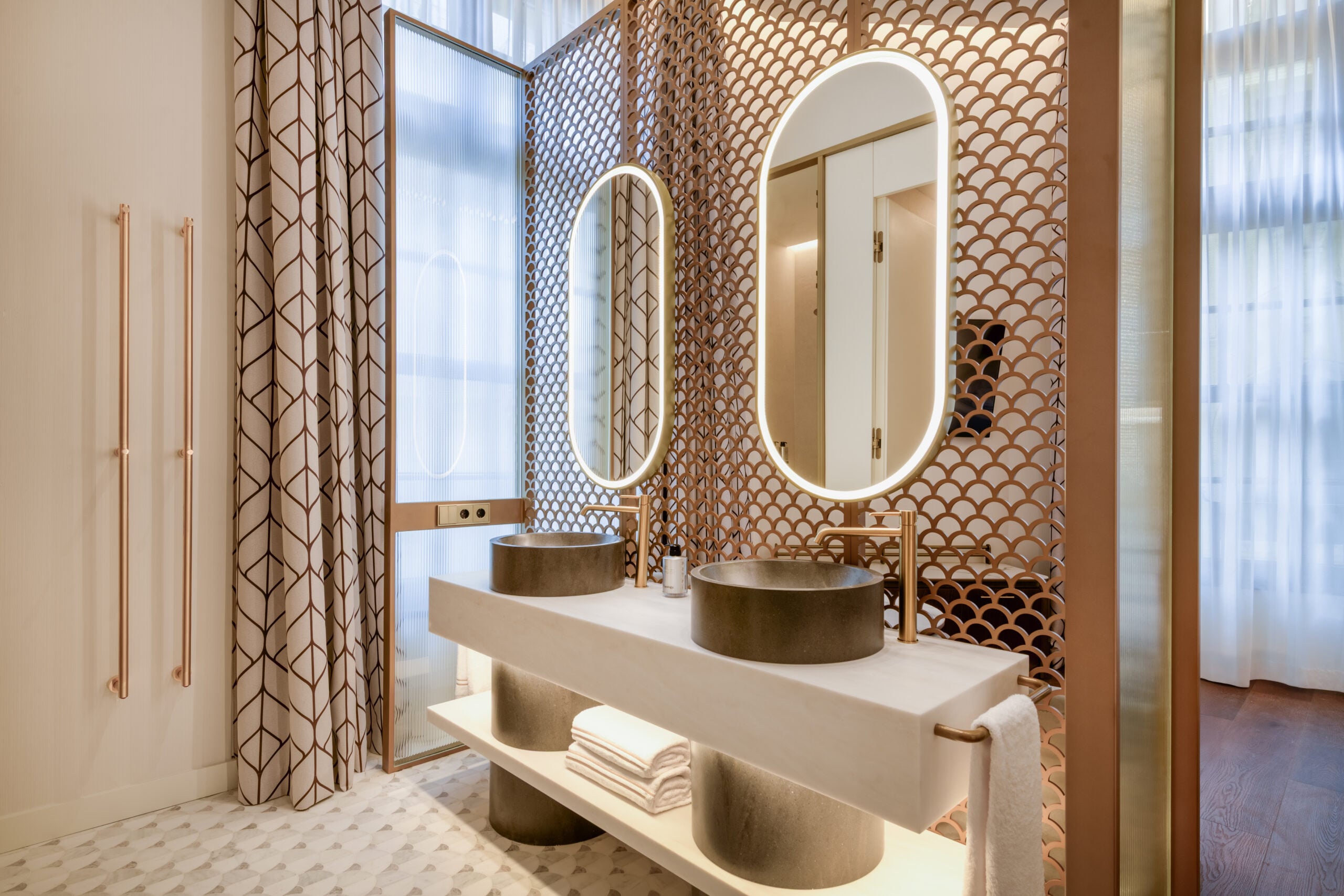
Almost everything you find inside the hotel is custom designed by ERRE, from the ceiling elements, columns, hallway carpet, the room’s upholstery design, case furniture and mini bar, and light fixtures. The firm even designed the artwork that hangs in each room—precisely drafted drawings of Valencia’s key architectural features, from the intricate ironwork at the Mercado de Colón to the Estacio del Nord’s famous mosaic tilework.
The building is also highly energy efficient. Thick glass was placed in the historic wooden window frames, advanced lighting and shade systems installed in the rooms help reduce heat gain, and a solar array takes up most of the building’s rooftop, helping the hotel achieve BREEAM Certification. The adaptive reuse of the original concrete structure minimized the use of new concrete, while lowering the building’s carbon footprint.
All stone, natural wood, and furniture was sourced from a 40km radius and collaboration with local suppliers was essential, especially after the regional floods from the DANA storm in 2024, which drastically impacted timelines. Regardless of such challenges, ERRE was able to complete the project in a remarkable one-year timeline.
“In this moment, it’s important to support local suppliers more than ever,” de Juan says. “We need to look together for solutions, because we have many good things here in Valencia, Andreu World is just one example.”
Noble Materials at Andreu World’s Headquarters
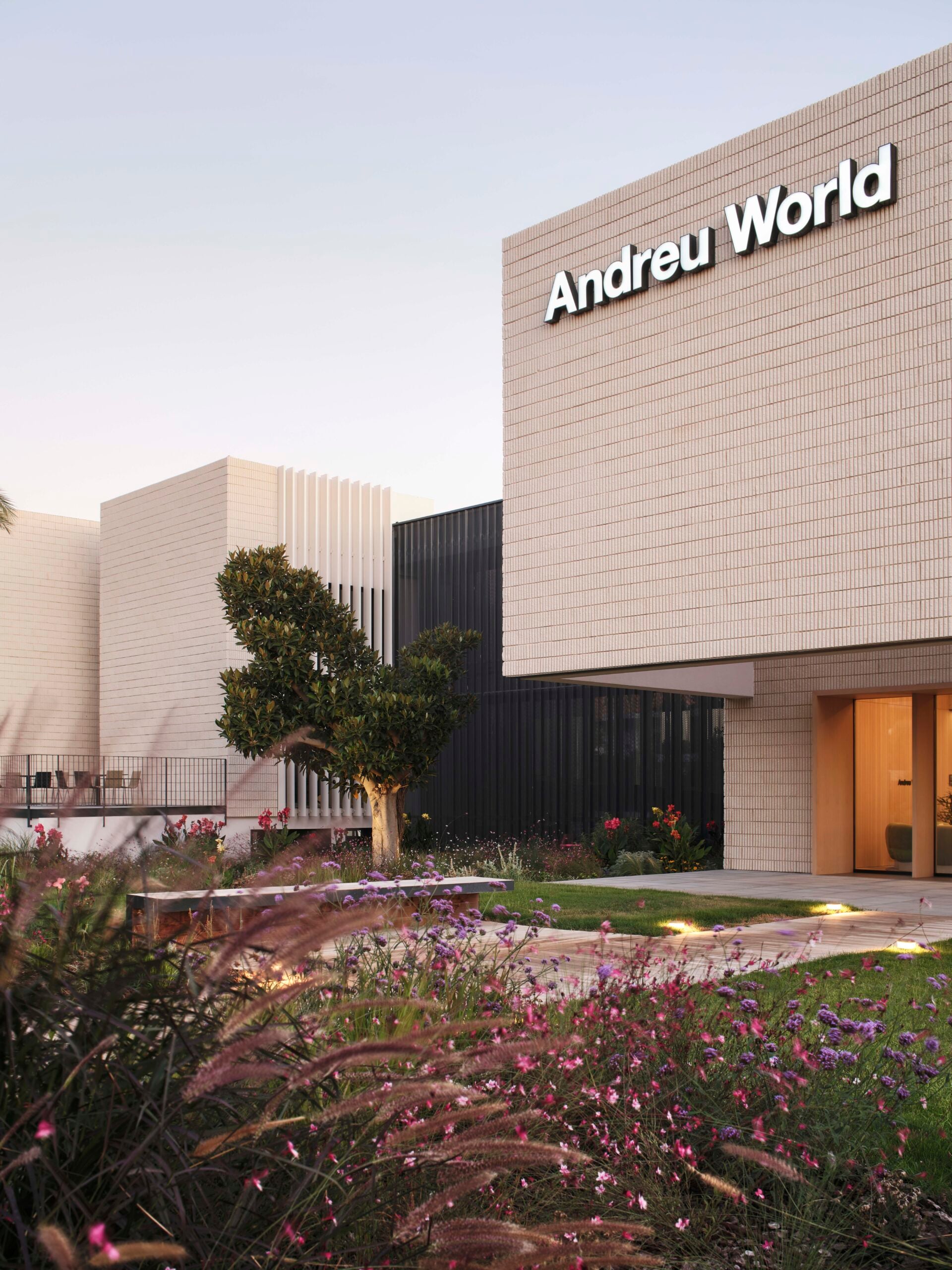
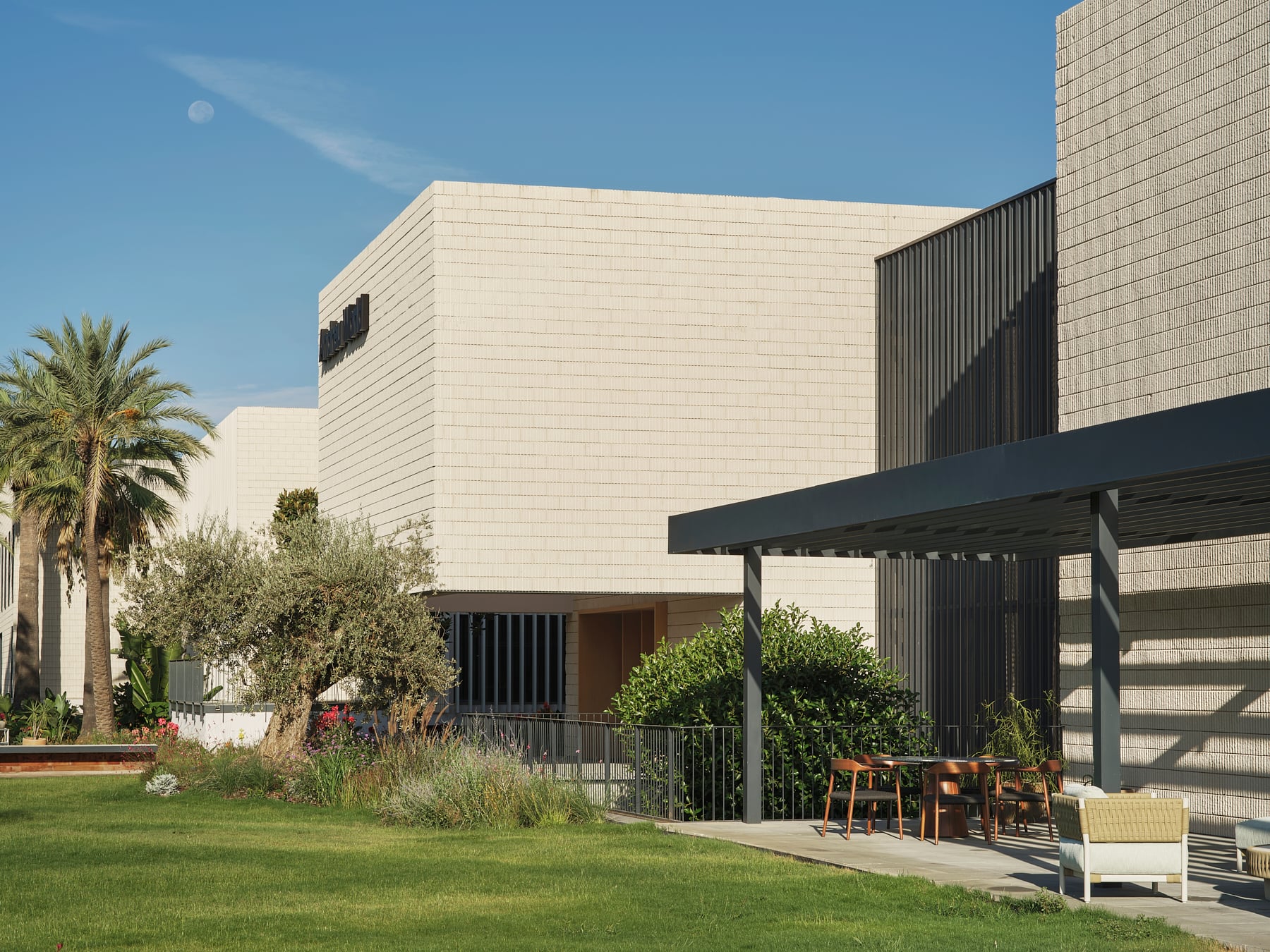
When ERRE was tasked with expanding Andreu World’s offices, they were also asked to design a new showroom building on the existing site, a new program that would introduce a total of 6,500-square-meters distributed across three levels.
The idea of “noble materials” comes up a lot in both my conversations with ERRE and Andreu World’s Llinares. “Strong, natural wood and natural stone are both true materials that will last,” de Juan explains. “For example, with plastic, once its broken, you must fix or replace it. So, we prefer to use timeless, noble materials rather than specifying something that will be changed in two years.” This shared ethos and approach to materials allowed ERRE to seamlessly interpret and implement the circular design principles that define Andreu World’s brand into the renovation and expansion.
Out of respect for the domestic scale of the neighborhood, ERRE developed a building characterized by quiet restraint—an architecture that lets its performance and its materials speak for themselves.
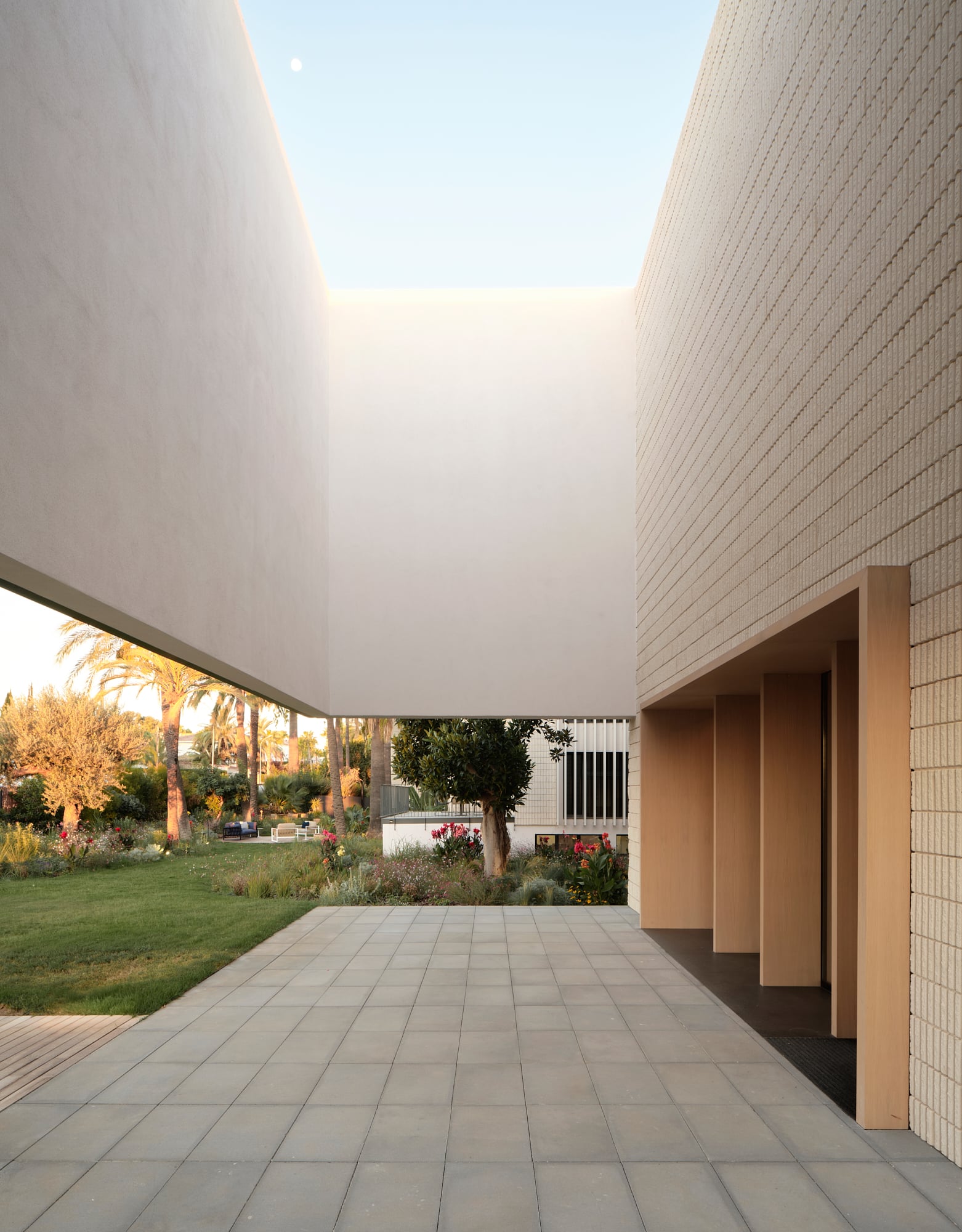
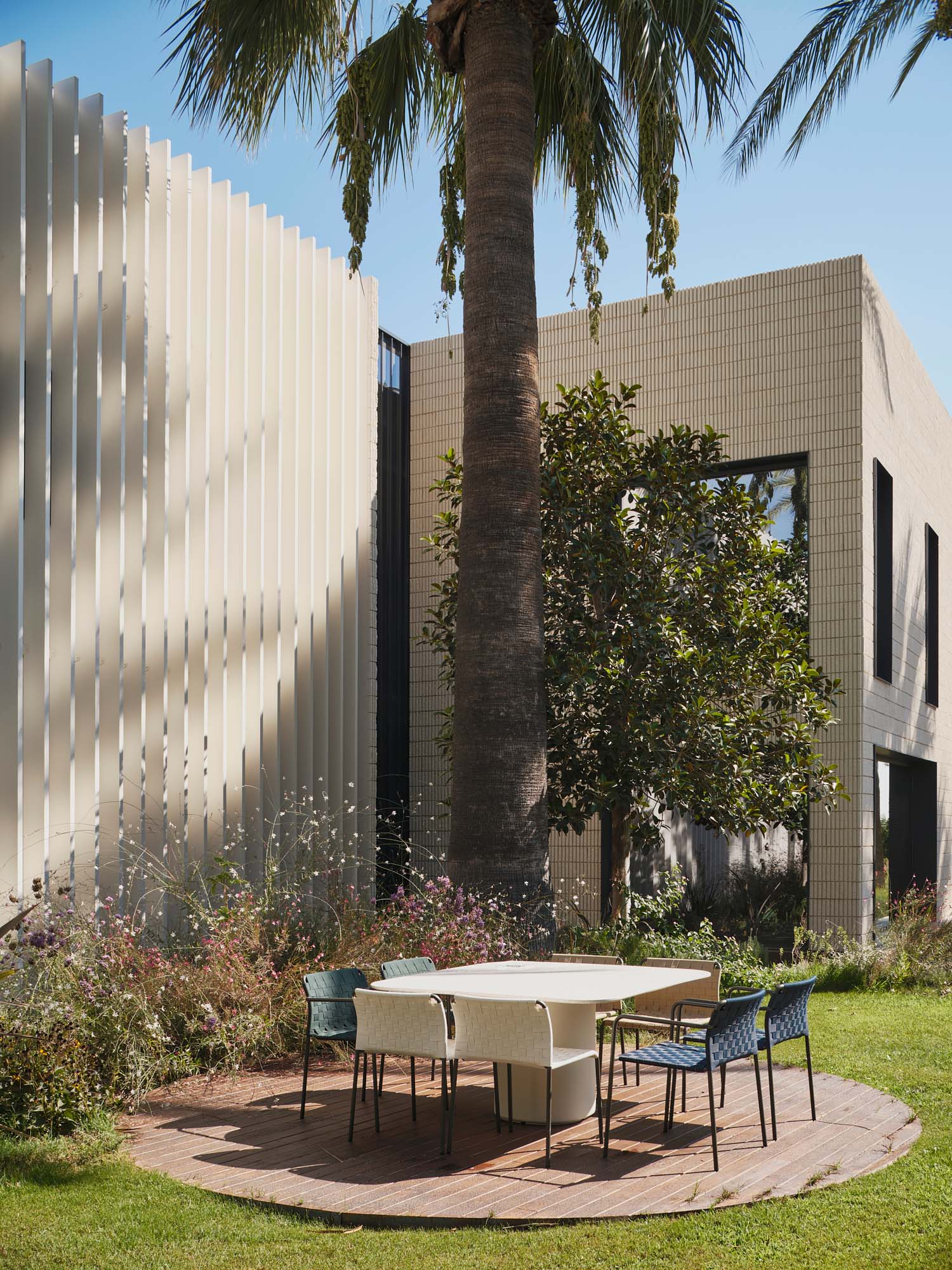
The opaque facade volumes are constructed using Rudolph block (also used in the original building), a prefabricated concrete material with a rough texture that “brings brightness and a timeless character to the envelope thanks to its raw color,” notes Llinares. Transitions between each of the volumes are combined with curtain wall communication cores and translucent micro-perforated sheet metal panels that help create rhythm in the facade, while allowing the light to filter beautifully into the interior spaces.
ERRE optimized the facade to dramatically improve thermal performance, incorporating deep overhangs, precise solar control, and high efficiency glazing. A monumental, cantilevered volume leads to the main entrance, where visitors enter a double-height lobby with large windows and calming views of the adjacent gardens and mountains.
The upper level houses offices and meeting rooms, linked by terraces that encourage outdoor work and gathering. On the lower level, more patios enhance the natural lighting of the showroom spaces while, a conference room named El Agora extends outdoors into a stage-like patio area surrounded by native vegetation. “This is something that was important for us because we want the people working here to be in contact with trees and natural life,” Llinares explains. “At the same time, we have outdoor furniture collections, and we can show them in these spaces as well.”
High-Tech Entertainment at Roig Arena
“We specialize in different projects at very different scales, and we love to say that we apply the things we learn from the small scale, to the bigger one,” says De Juan. At the opposite end of this scale is Roig Arena, Valencia’s newly opened, 100,000-square-meter multipurpose venue, designed by ERRE in collaboration with global firm HOK.
Where the Grand Hotel Centenari is about intimacy and Andreu World about precision, Roig Arena is about orchestration—of crowds, programs, acoustics, structure, and monumental civic presence. Set just outside the city center, the arena is designed to host everything from professional basketball games to large-scale concerts and cultural events, positioning Valencia more firmly on the international events map.
From the exterior, Roig Arena is the first sports stadium of its size with an entirely ceramic skin. The innovative facade features a total of 8,600 ceramic fins, designed by ERRE and locally manufactured by Pamesa Grupo Empresarial. The fins are arranged like scales over the double-curvature steel structure and subtly recall the texture and surface of a basketball. During the day, the fins provide shading and reduces heat, while at night, the facade comes to life through an intricate LED lighting system.
The collaboration with HOK allowed ERRE to operate confidently at a global scale while retaining local authorship. Their deep knowledge of the city, regulations, and climate proved essential in shaping a venue that feels both international in ambition and distinctly Valencian in execution.
Ultimately, what unites ERRE’s projects is not a signature aesthetic, but a consistent way of thinking. ERRE’s work is rooted in storytelling, material honesty, and an integrated approach to architecture and interiors. Scale changes, typologies shift, but the underlying values remain steady. ERRE’s success doesn’t come from chasing global trends, but from refining a practice that is deeply responsive to context, client, and craft.
Would you like to comment on this article? Send your thoughts to: [email protected]
Latest
Viewpoints
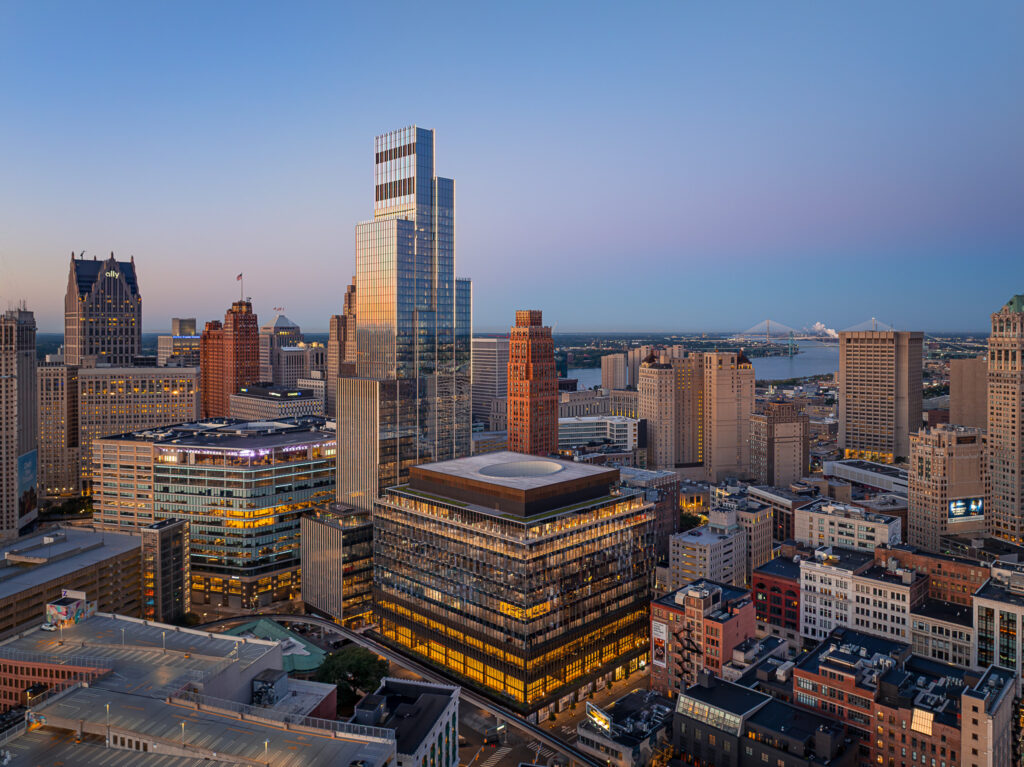
Detroit Month of Design: A City’s Work in Progress
Now in its 16th year, the celebration offers insights into the Motor City’s ongoing accomplishments without glossing over its hurdles.
Projects
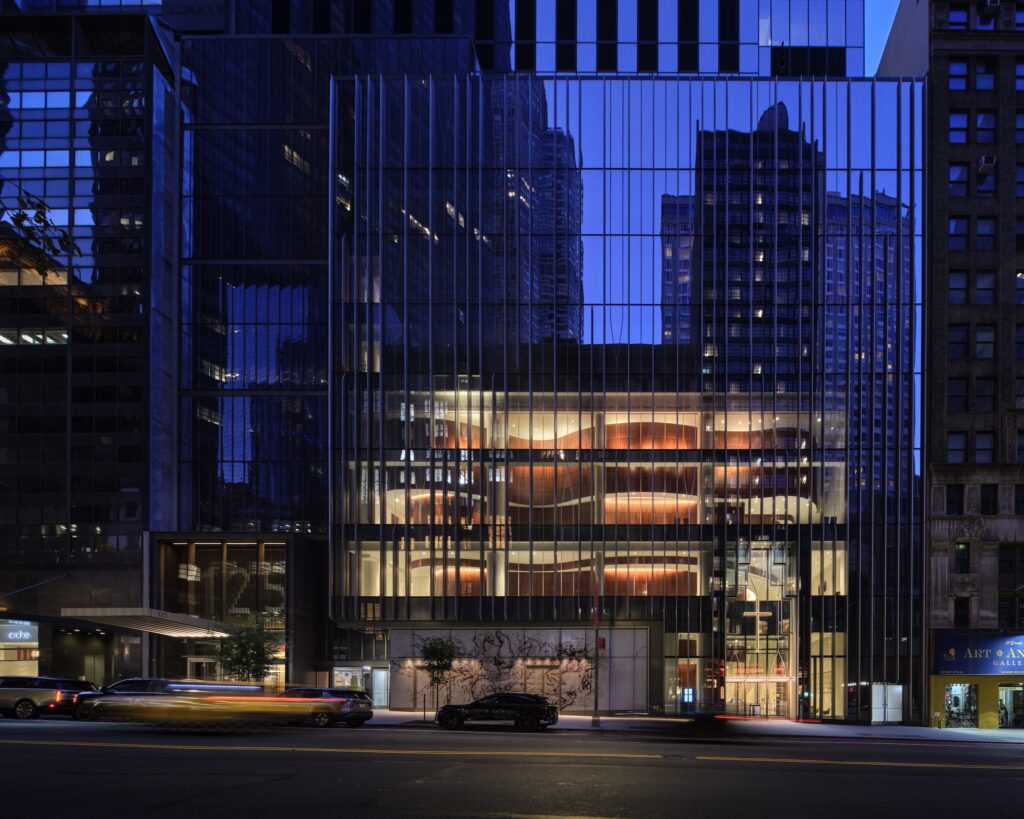
How a Hybrid Building Helped an Historic Manhattan Congregation Remain in Place
On Billionaire’s Row, FX Collaborative designed a new home for Calvary Baptist Church combined with an office tower.