



November 18, 2021
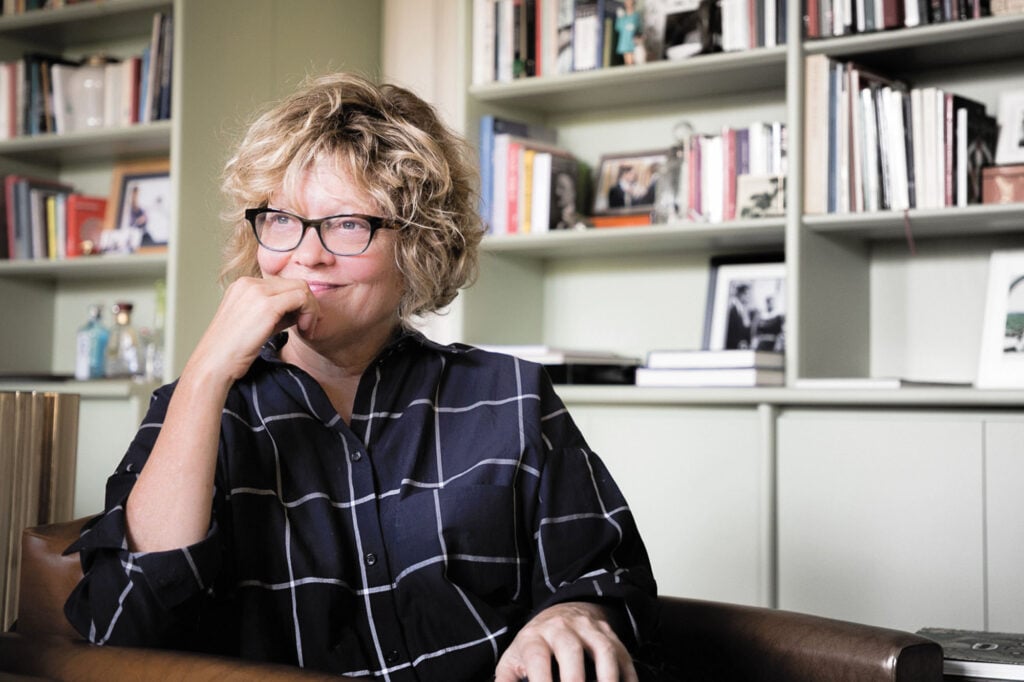
Susan Lyons Discusses the Future of Contract Interiors with Metropolis
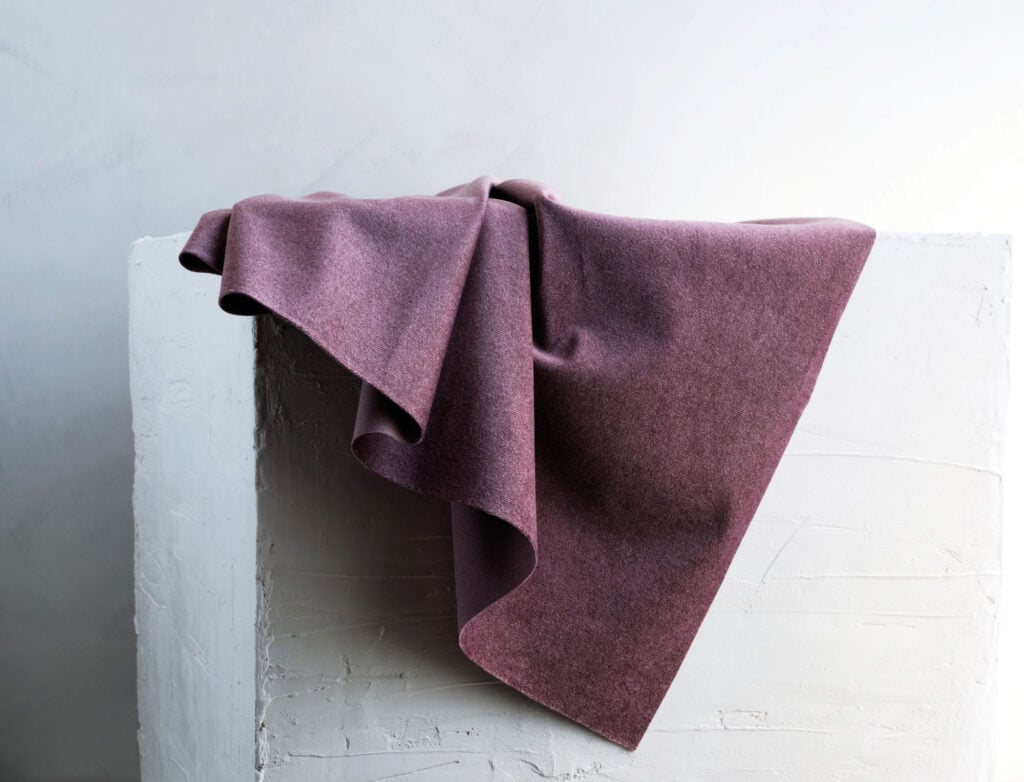
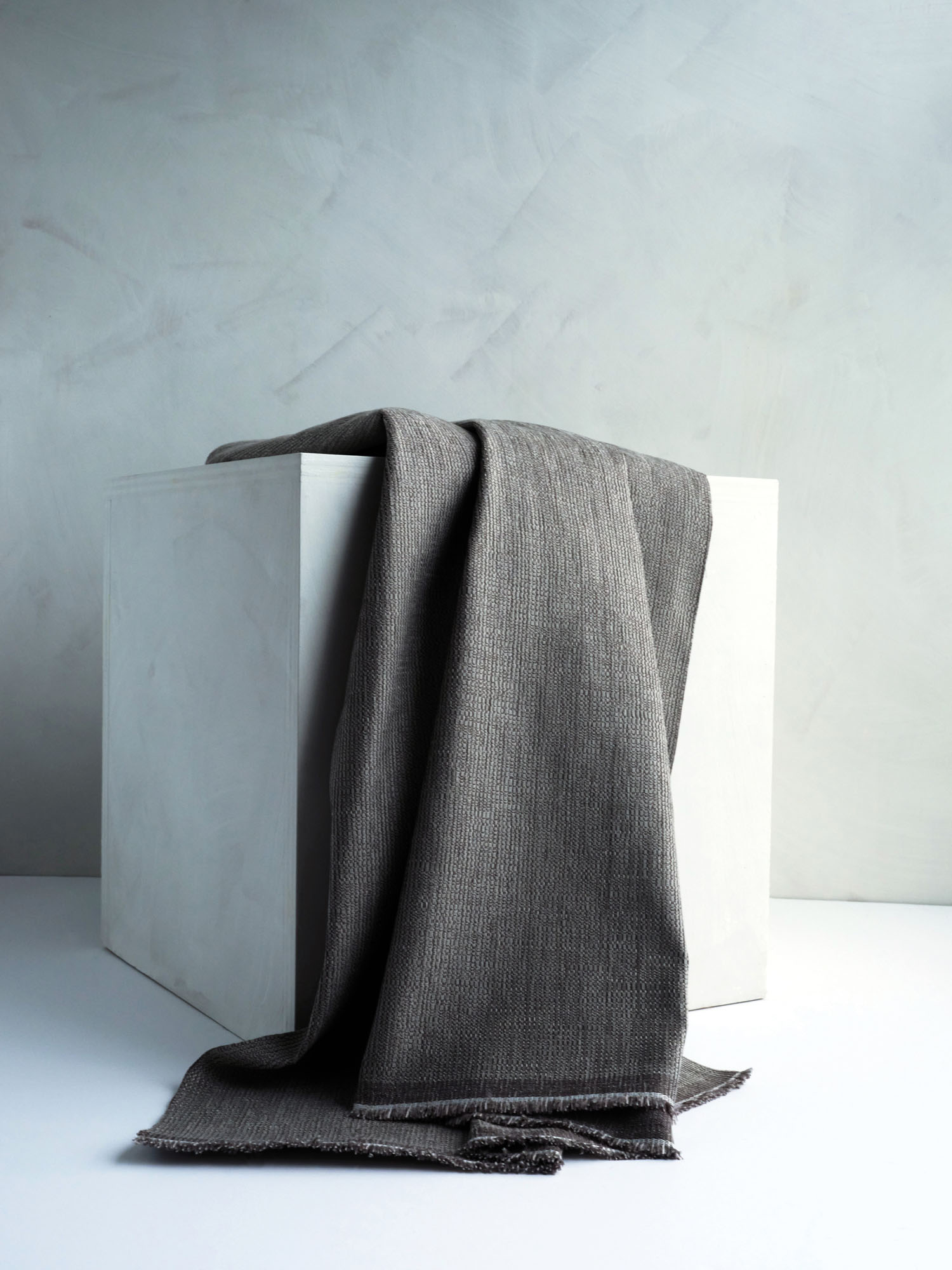
Susan Lyons: Over the past 20 years, the development and performance of yarns has evolved in such a way that you can now use more tactile fibers in combination with more high-performance warps, and you can get products that feel like something you would have in your living room on your sofa.
Designers are excited to see that they can get that same feeling. And suddenly, clients are saying, “Okay, I want that hospitality vibe, why can’t I have that in my office?” Or “Why can’t my health-care project feel more like hospitality instead of a sterile, boring environment? Why can’t I have a little more luxury in my space?”
ET: In the past year or two have you noticed people using products made for heavy cleaning in places they weren’t used before? Is that a good idea?
Susan Lyons: I think it’s happening. There was, especially at the beginning of the pandemic, a rush to bleach-clean everything, which of course is terrible for the people doing the cleaning and for the materials. Fortunately, I think people have stepped back from that a little bit. Steelcase also did a study that was looking at the likelihood of COVID-19 transmission through textiles, and it’s really quite low.
ET: For years, Designtex has been a leader in sustainable textile development. How are you pursuing that today?
Susan Lyons: From a material standpoint, it’s almost become table stakes to develop products with optimized construction. Now the conversation has really moved over to how you operate your business. We partnered with a group called Native Energy to help mitigate our carbon footprint, and for the past 11 years, we’ve operated carbon neutral.
ET: How can the interior design, textiles, and furniture industries make a difference in terms of climate change? How much of a role can they play?
Susan Lyons: It would be nice if the industry said collectively, “Let’s make a lot less stuff.”
That’s my dream, that “less is more” idea. Could we just do things that are more enduring and that would last longer?
COURTESY DESIGNTEX 
COURTESY DESIGNTEX 
COURTESY DESIGNTEX
Would you like to comment on this article? Send your thoughts to: [email protected]
Latest
Viewpoints
What to See and Do at Archtober 2026
A special newsstand activation from Data Vandals expands this year’s festival lineup, alongside recurring faves.
Viewpoints
Detroit Month of Design: A City’s Work in Progress
Now in its 16th year, the celebration offers insights into the Motor City’s ongoing accomplishments without glossing over its hurdles.
Projects
How a Hybrid Building Helped an Historic Manhattan Congregation Remain in Place
On Billionaire’s Row, FX Collaborative designed a new home for Calvary Baptist Church combined with an office tower.