



May 27, 2026
An A-to-Z Guide to the America We Want to Build
THE HISTORY OF BUILDING in what is now the United States of America stretches far beyond the creation of the republic in 1776, going back 7,000 years to the first earthen mounds (that we have evidence of, so far) in the Lower Mississippi Valley.
Building is a big part of what it means to be American, economically, socially, and culturally. The construction sector employs about 5 percent of all American workers, but those workers build the spaces where people in this part of the world laugh, cry, learn, and grow. True, the building industry contributes 39 percent of U.S. carbon emissions, and, yes, the construction sector generates about $3 trillion in annual revenue. But who can assign a numerical value to the true impact of architects, designers, engineers, builders, and others in our industry as they shape how Americans live every single day?
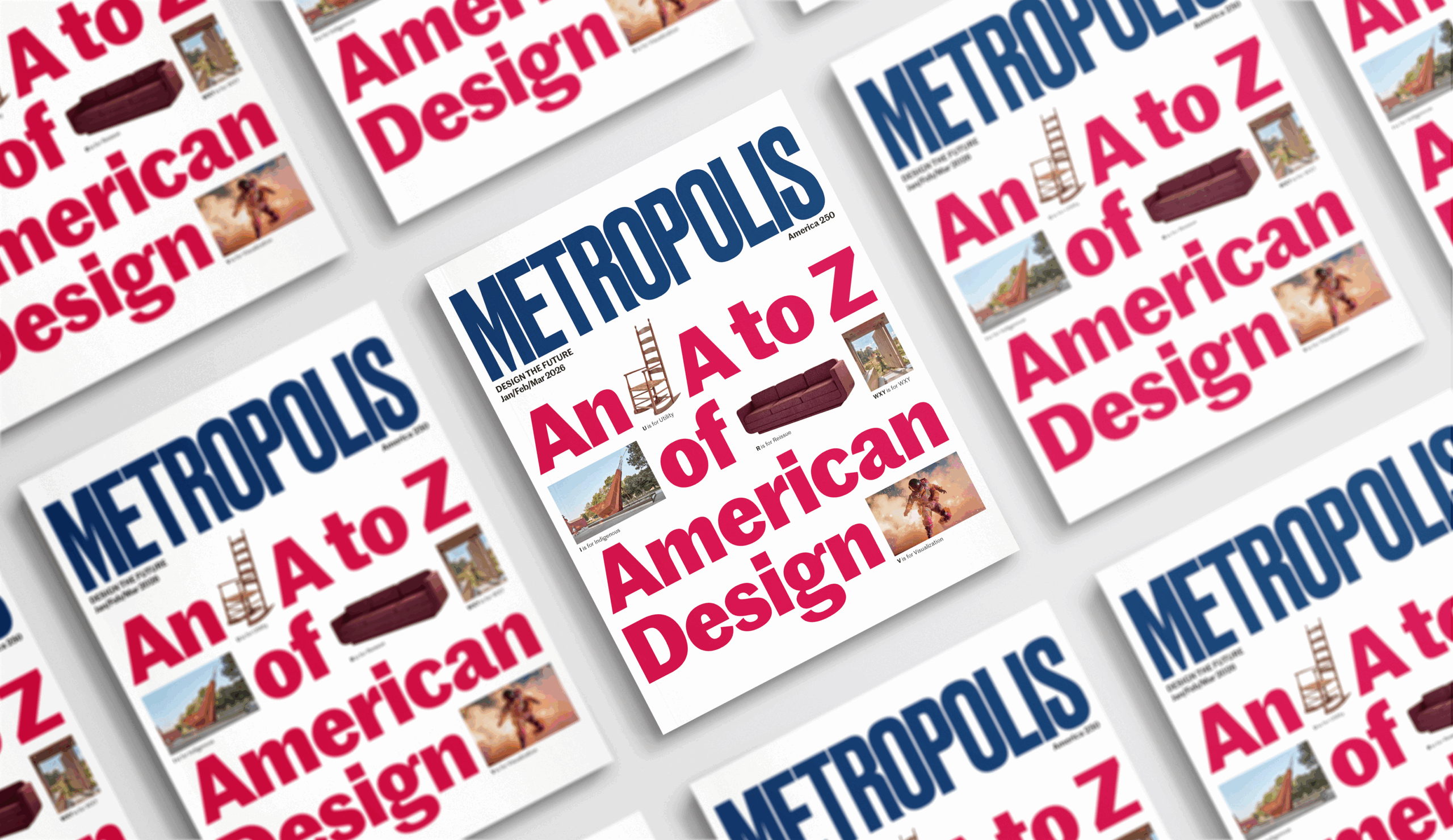
For the 250th anniversary of the United States, therefore, METROPOLIS presents an A to Z of American Design: stories that will show you how today’s designers are building the America we, the editors, would like to live in.
The architects and designers we profile are creating spaces and relationships that empower and uplift communities in this country. Indigenous design leaders Chris Cornelius and Wanda Dalla Costa show the way forward on community engagement (“I is for Indigenous”), Deanna Van Buren demonstrates how buildings can right wrongs (“J is for Justice”), Claire Weisz and WXY are redefining our relationship to cities (“WXY is for WXY”), and Liam Young is constructing narratives to help people imagine a different future (“V is for Visualization“).
In “B is for Baltimore,” “H is for Hawai‘i,” and “S is for Seattle,” we feature projects at the vanguard of an equitable, sustainable built environment, from community pools to off-grid homes and a carbon-positive hotel. Through a new building by Aidlin Darling Design on the campus of the University of Virginia, a new framework by Dr. Angie Scott and AJ Paron on designing for autism, and a conversation with Built Buildings Lab’s Billie Faircloth and Lori Ferriss, we explore and redefine values for the next American century: “M is for Mindfulness,” “N is for Neuroinclusion,” and “P is for Preservation.”
Past and future are threaded through these stories. We look back at the design culture of the Shakers in “U is for Utility” and rediscover a forgotten chapter in the history of the iconic American firm SOM through a collection of furniture from Teknion in “R is for Reissue.” You can find some near-term insights for sustainable architecture and design in takeaways from the METROPOLIS Interface U.S. Sustainable Design Report 2026 (“G is for Green Building”) and our hopes for the American built environment embodied in the work of this year’s Future100, the best architecture and interior design students graduating from American schools this year (“F is for Future100”).
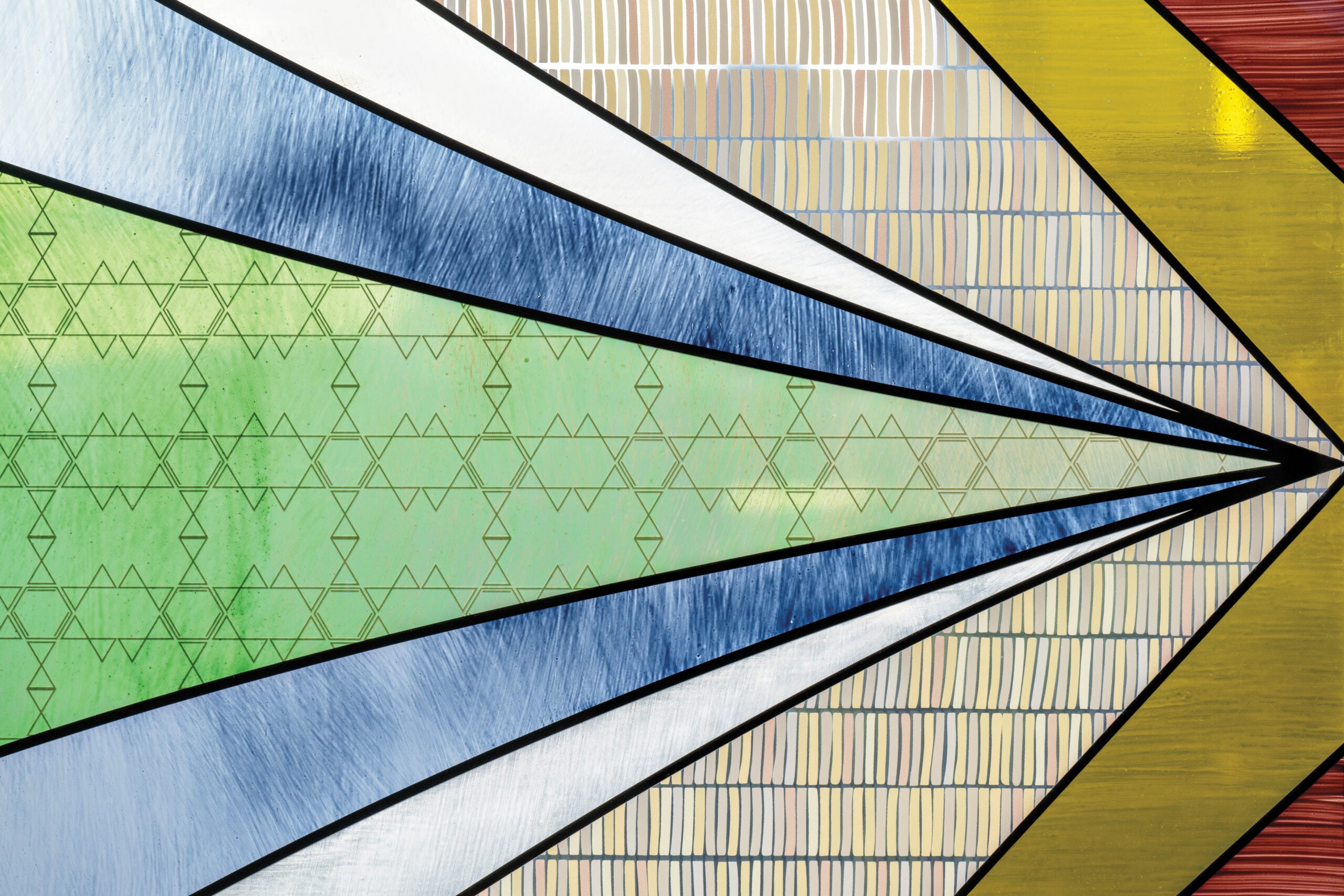
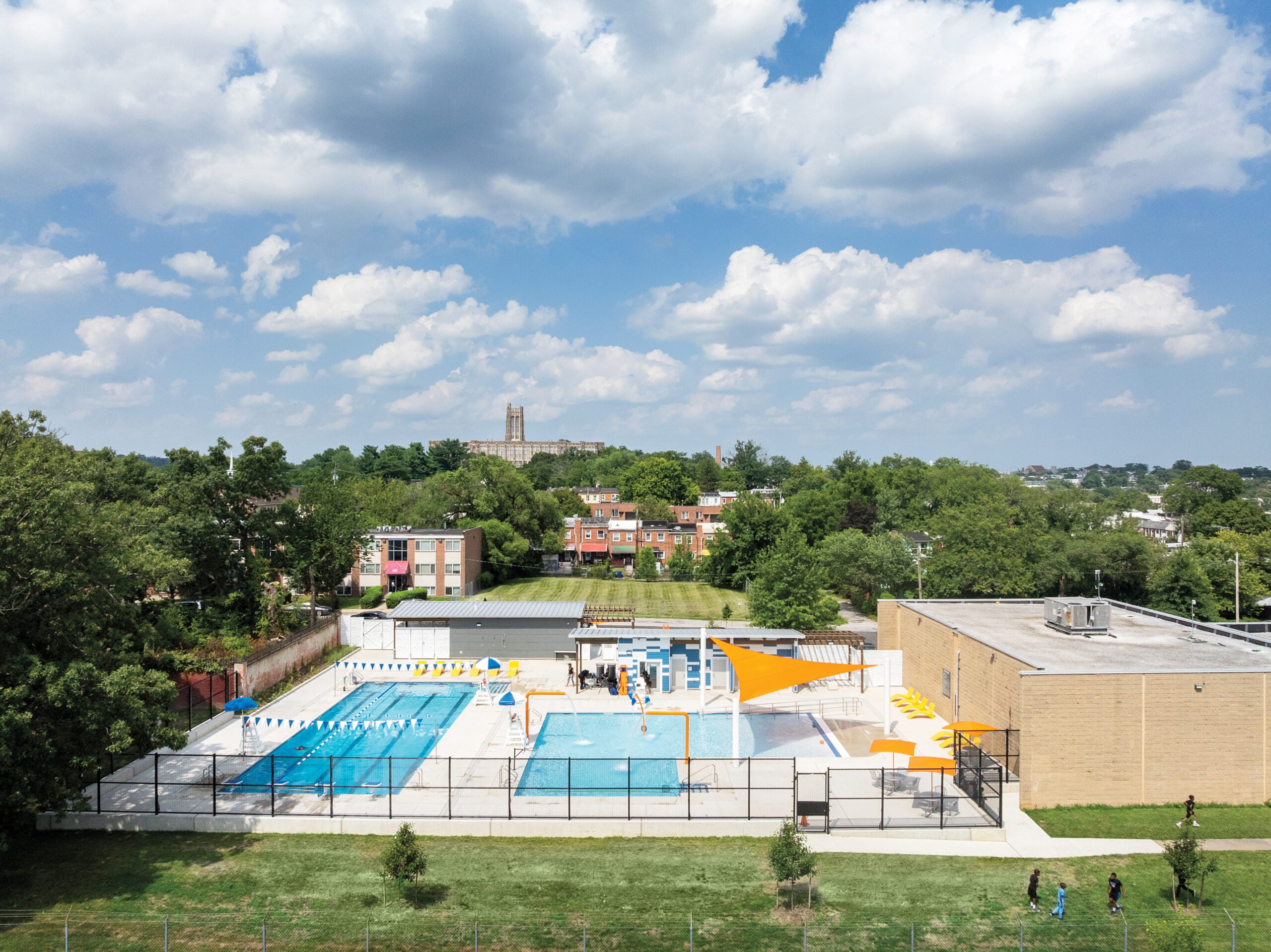
B is for Baltimore
Baltimore Reclaims the Public Pool
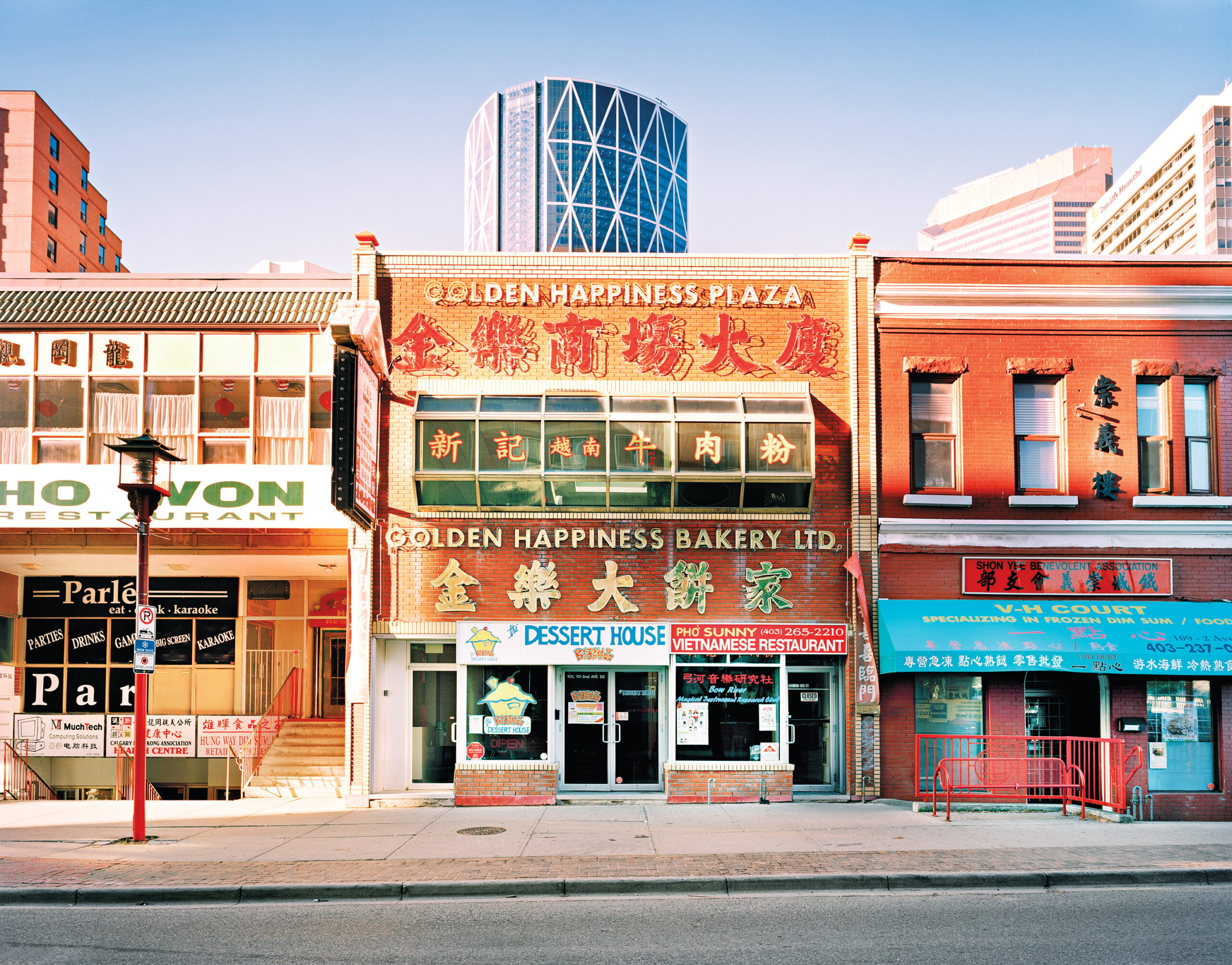
C is for Chinatowns
Photographer Morris Lum Gives Chinatowns the Attention They Deserve
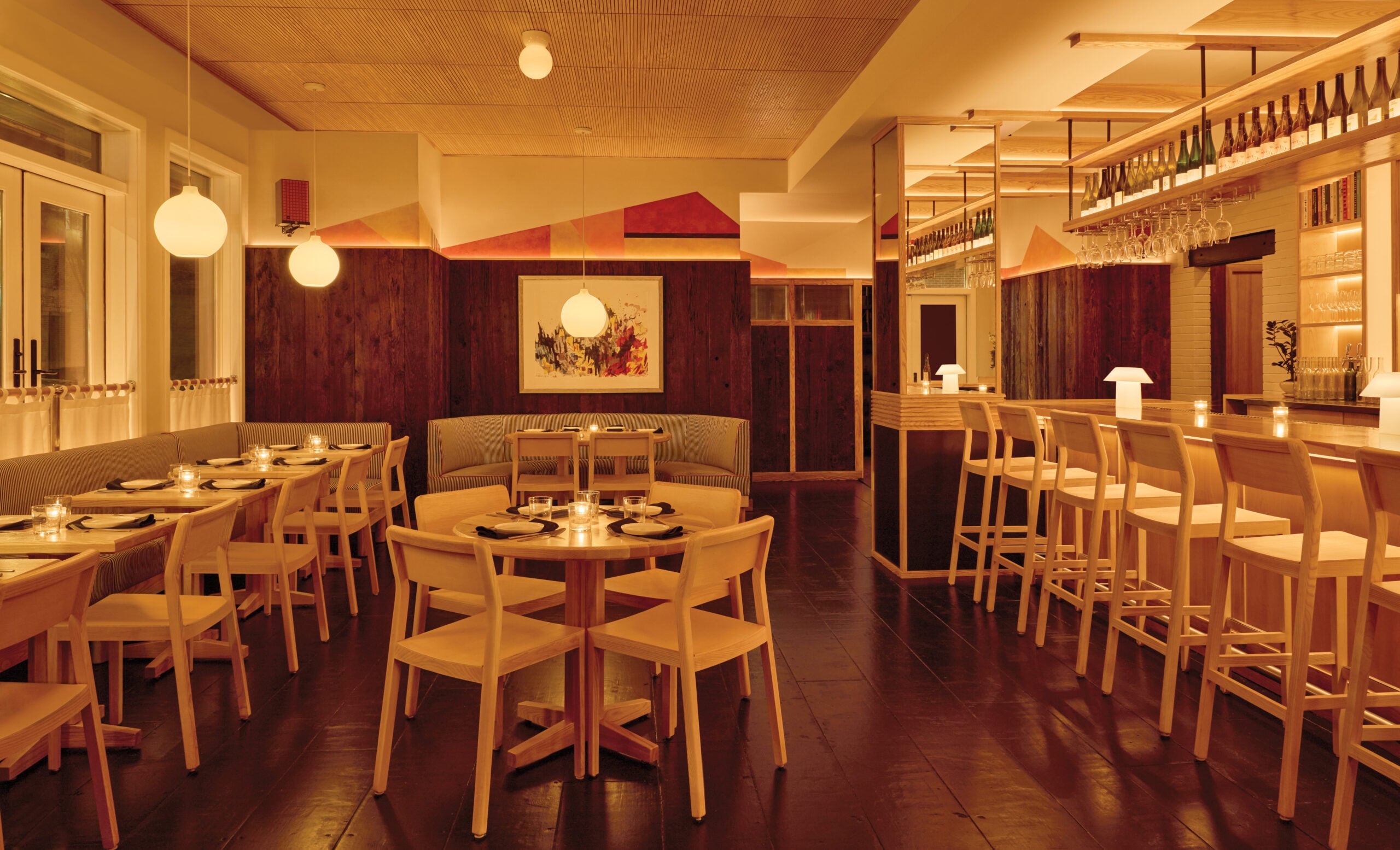
D is for Dining
Banshee Is a Beacon on South Street
E is for Embodied Carbon
American Architects Rally Around Carbon Reporting
F is for Future100
Introducing the METROPOLIS Future100 Class of 2026
G is for Green Building
METROPOLIS Weighs in on Sustainable Design in the U.S.
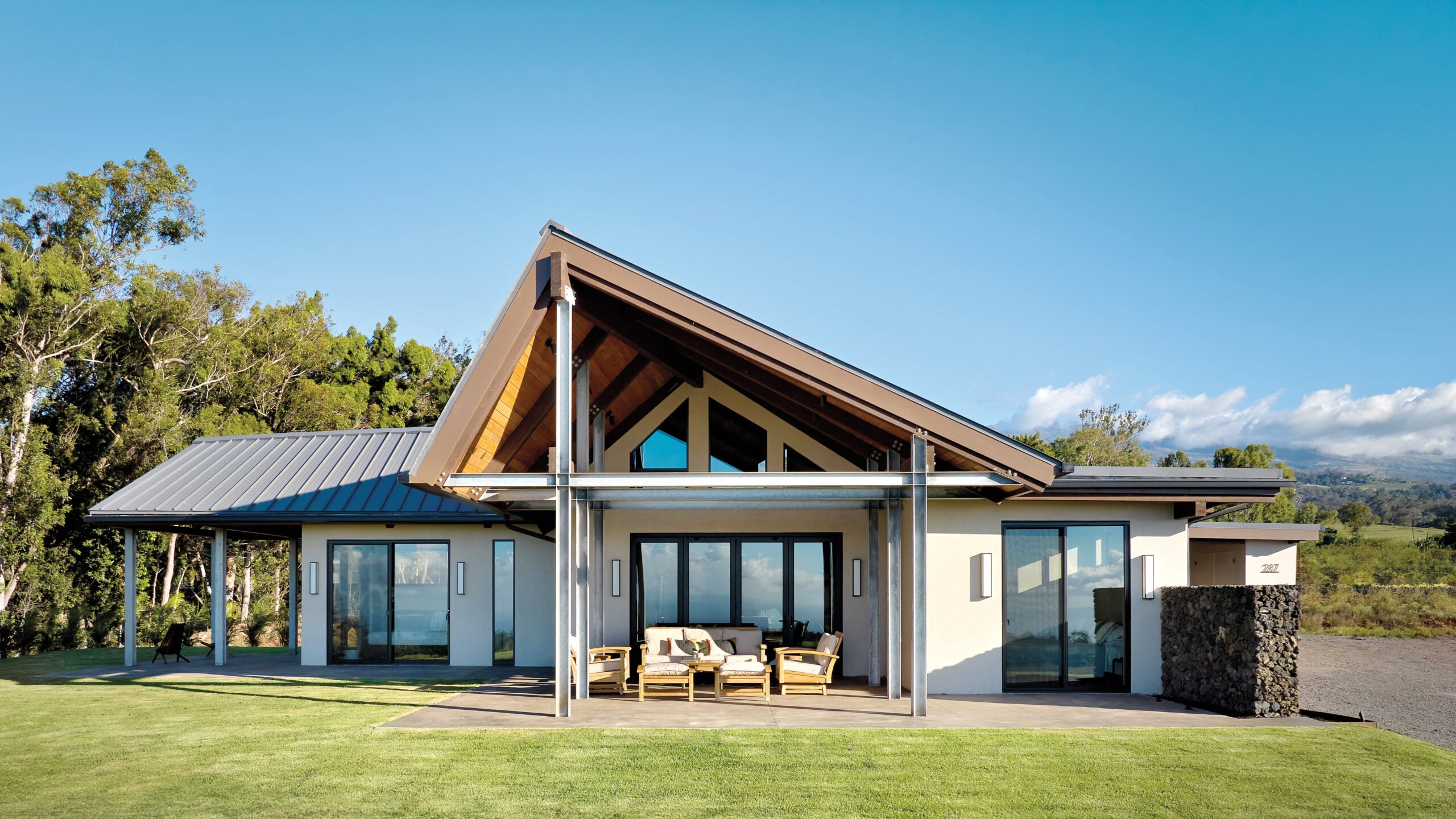
H is for Hawaii
On Maui, an Off-Grid House Is Tuned to Culture and Climate
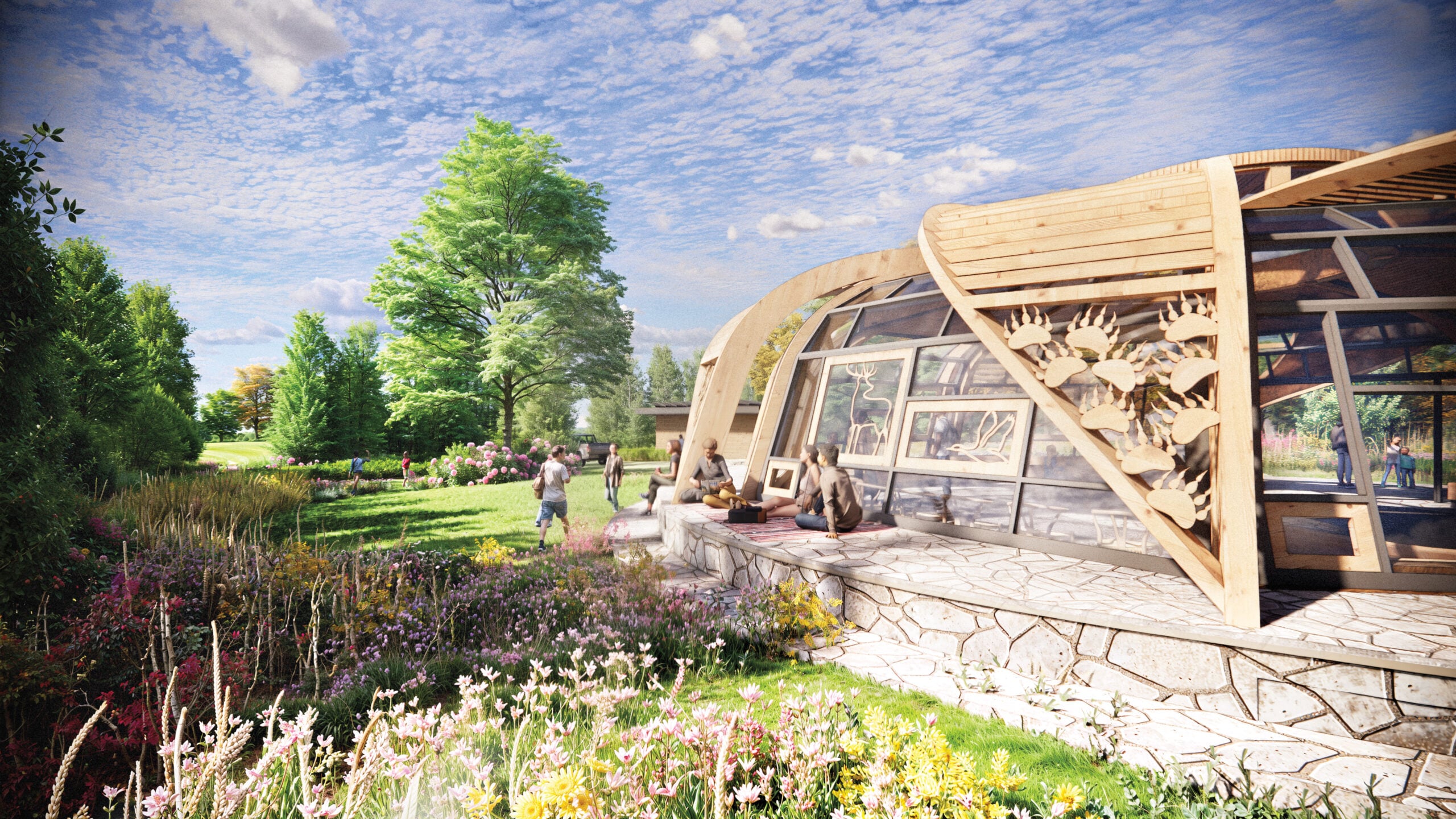
I is for Indigenous
Architecture by, for, and with America’s First Communities
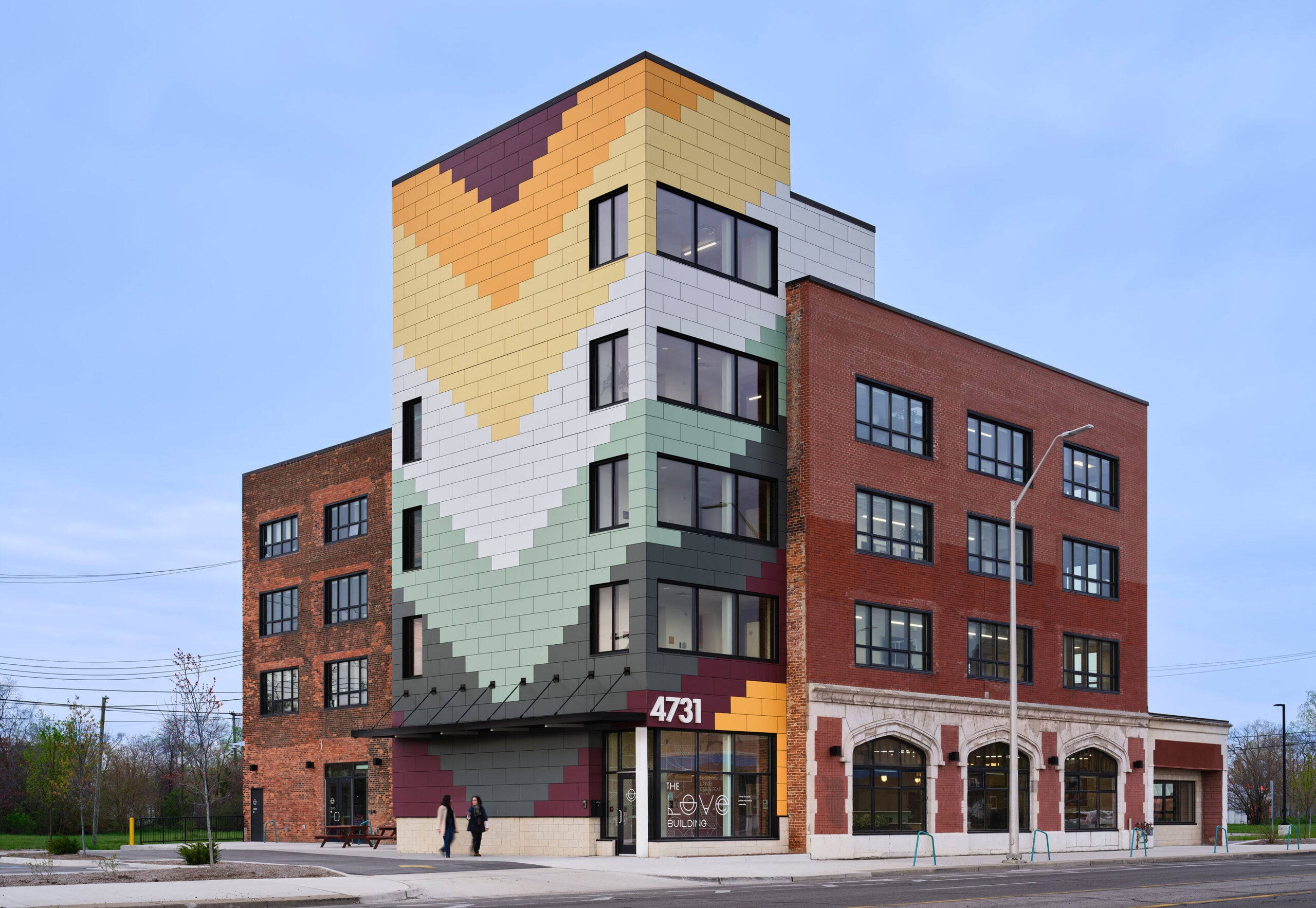
J is for Justice
Deanna Van Buren Is Designing Justice and Belonging in Detroit
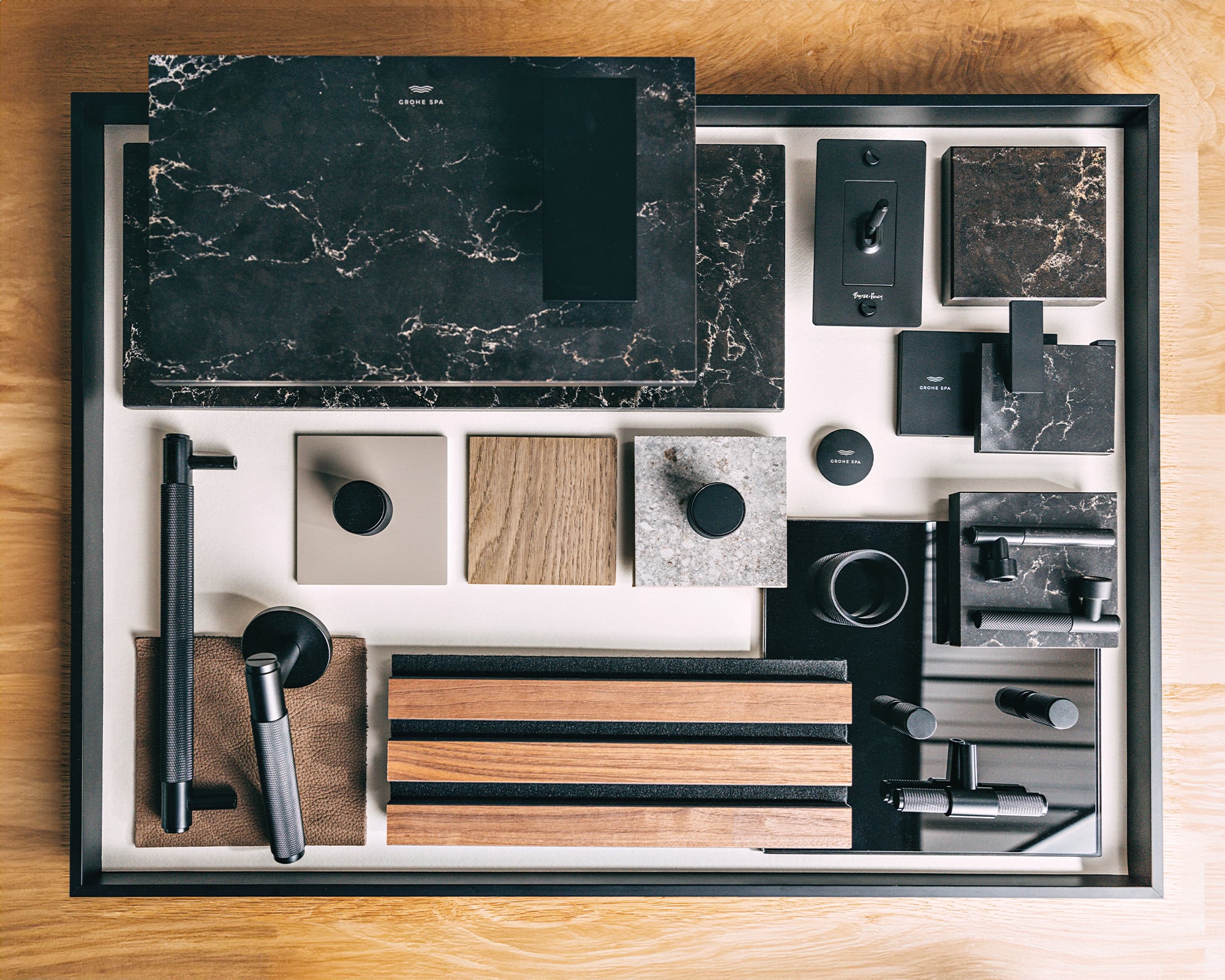
K is for Kitchen & Bath
Beyond the All-White Aesthetic
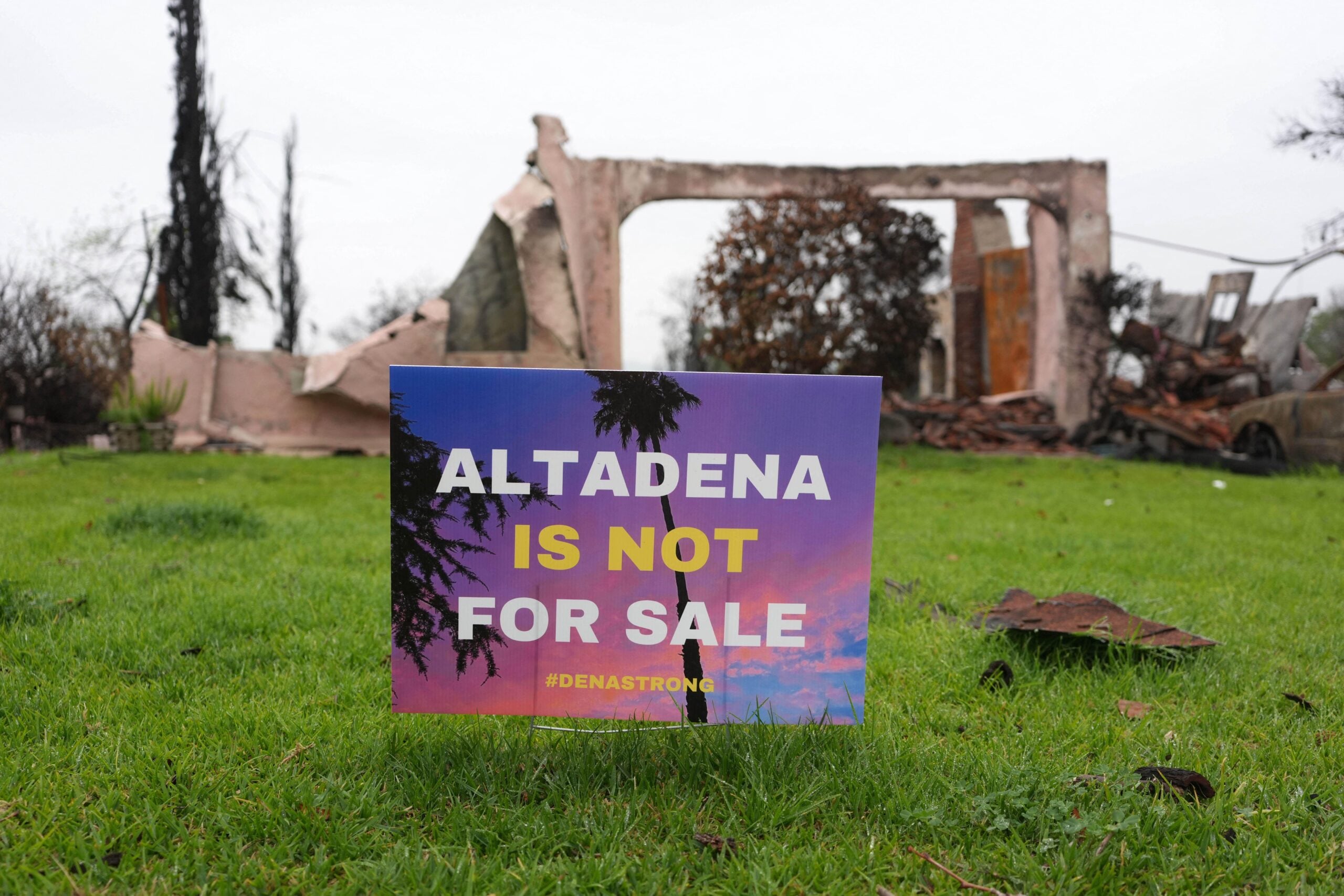
L is for Los Angeles
Rebuilding Altadena Starts with Listening
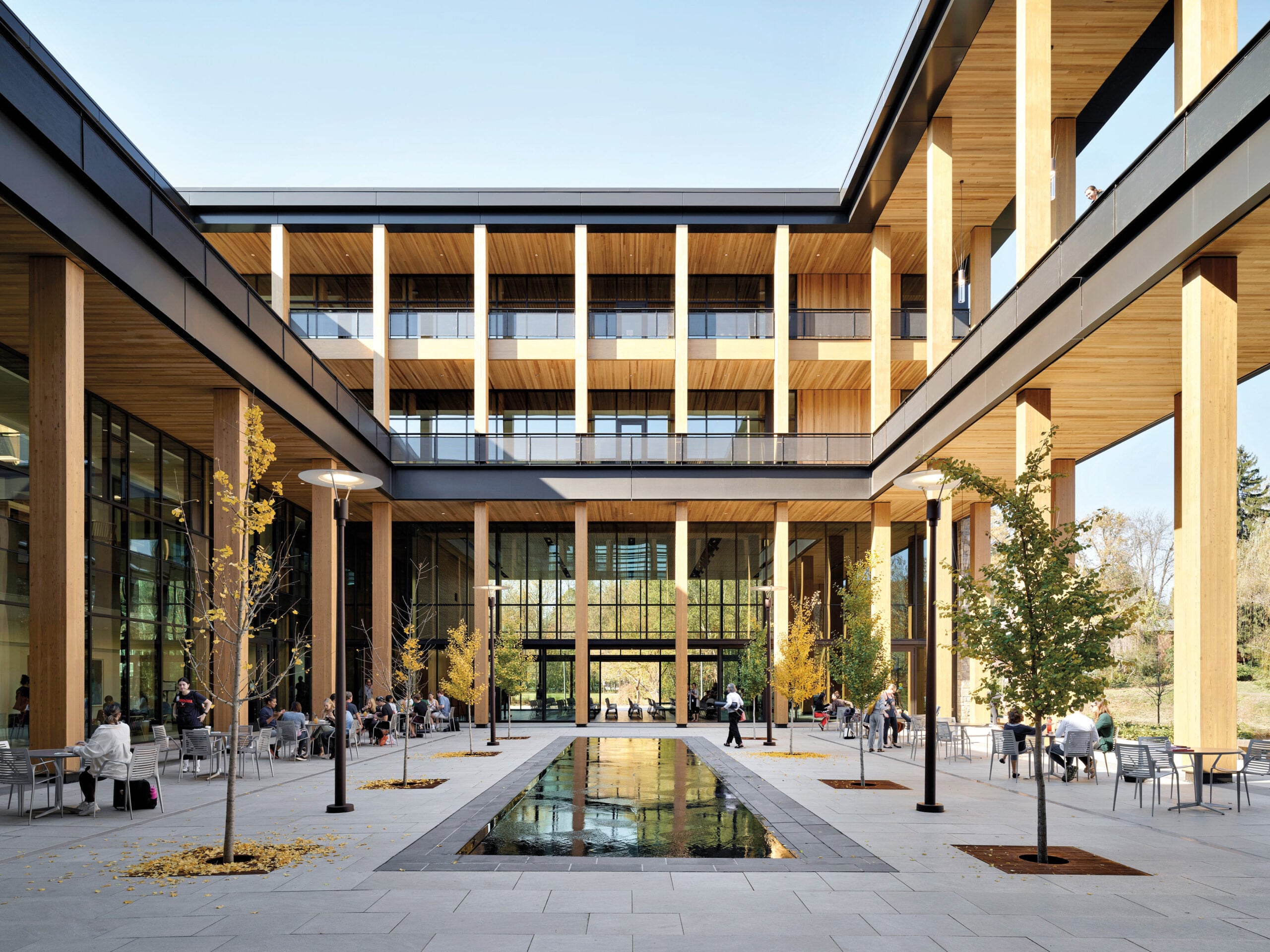
M is for Mindfulness
A Campus Building That Asks Students to Slow Down
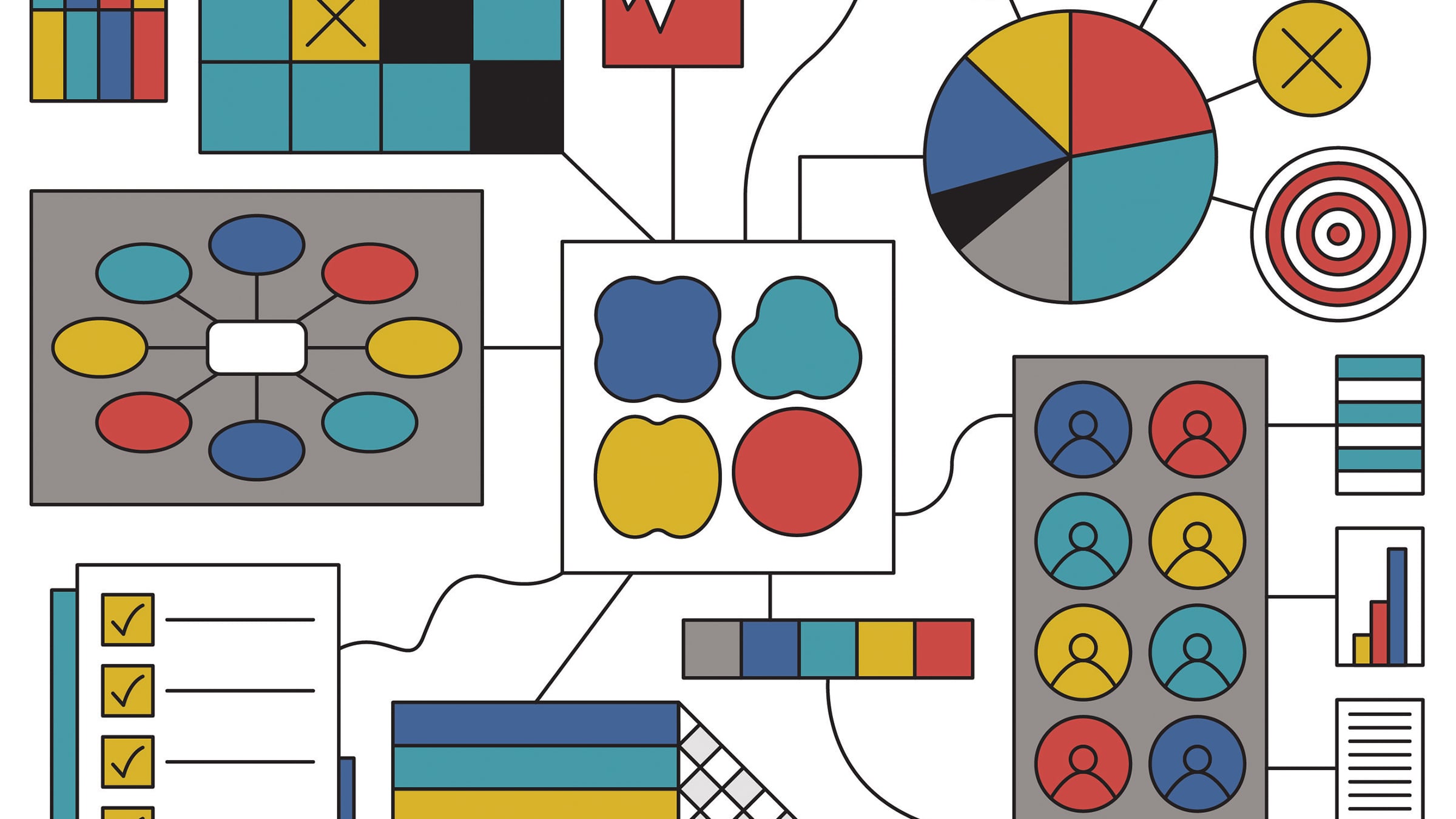
N is for Neuroinclusion
A New Approach to Designing for Autism
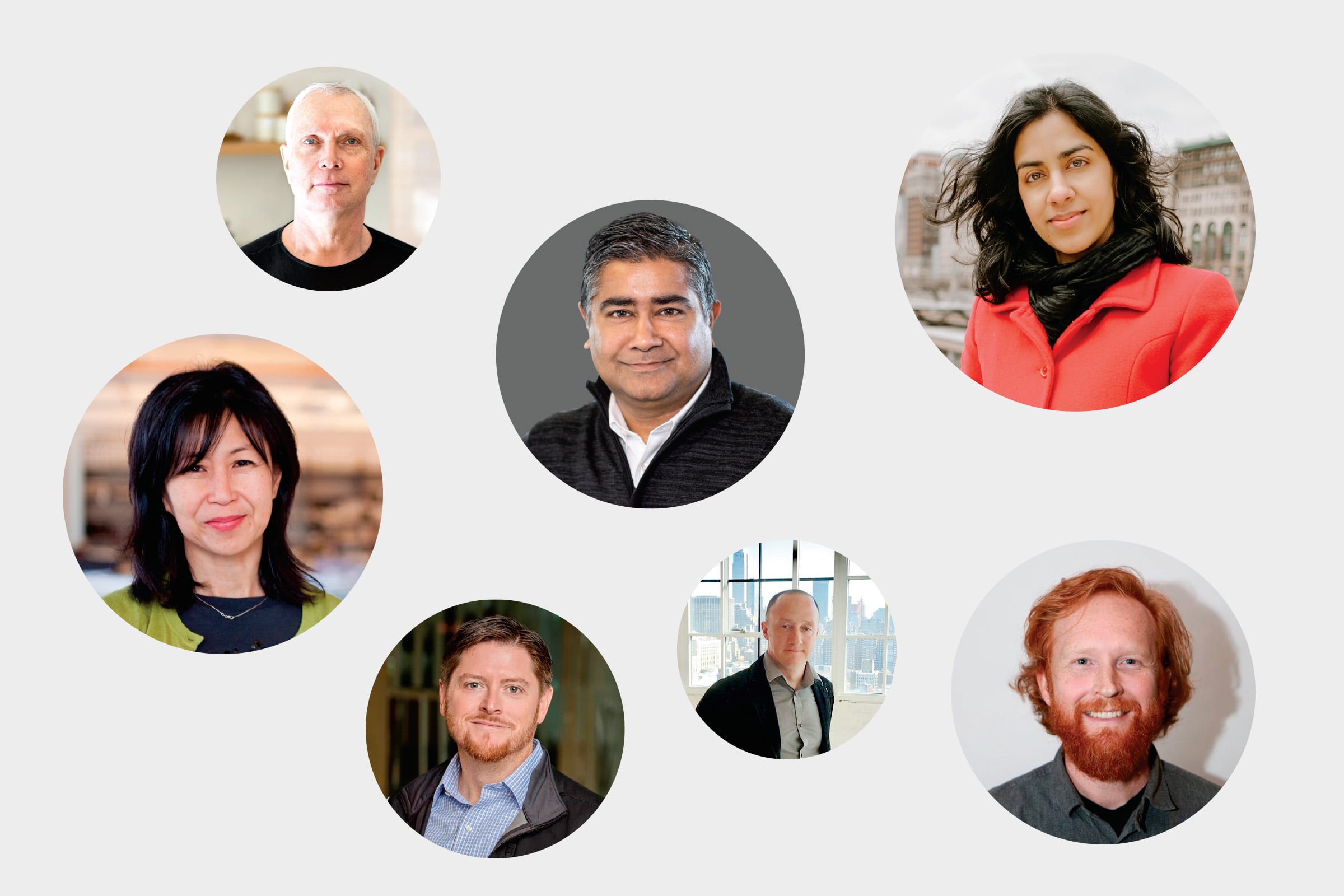
O is for Optimism
Sustainability Leaders Look Ahead with Hope
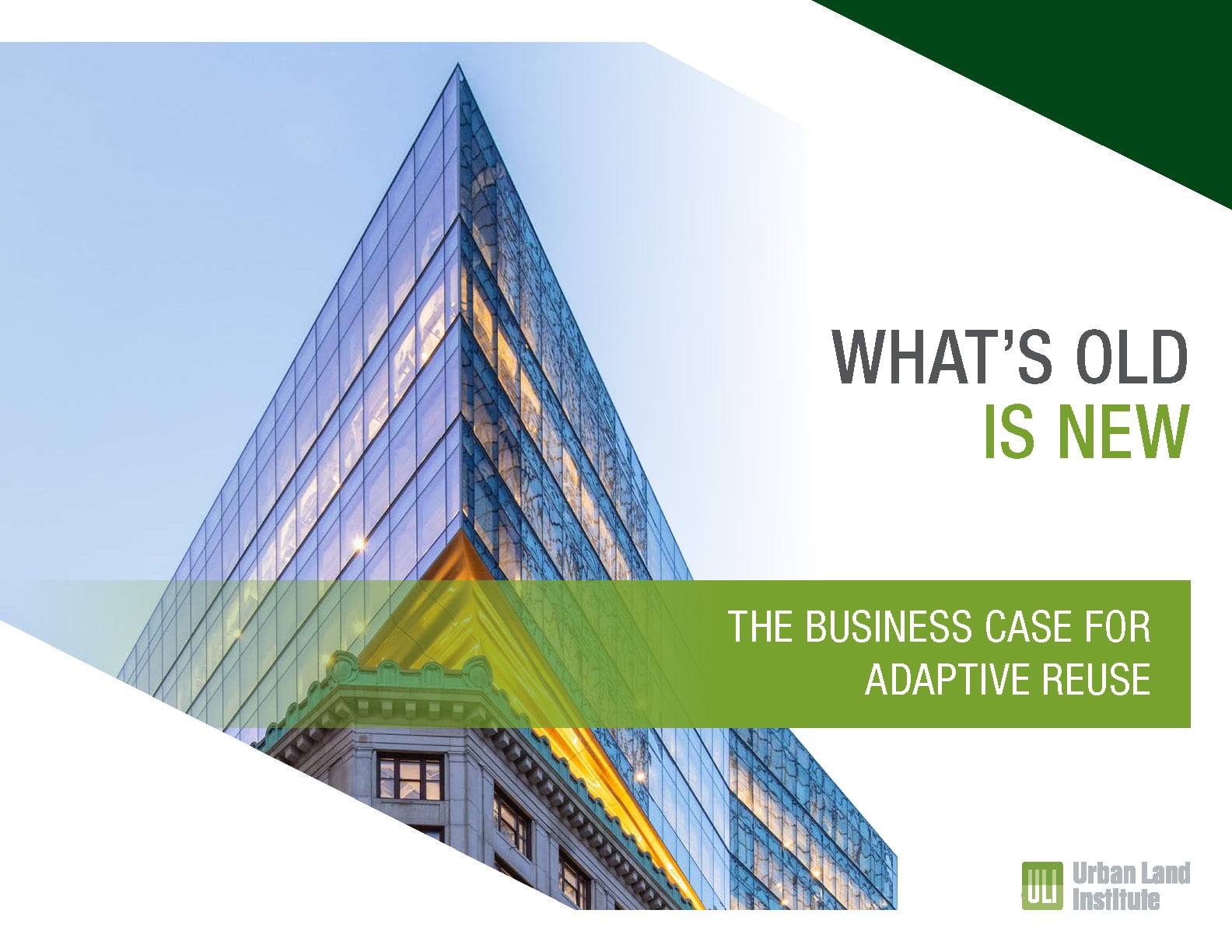
P is for Preservation
What Is the True Value of Existing Buildings?
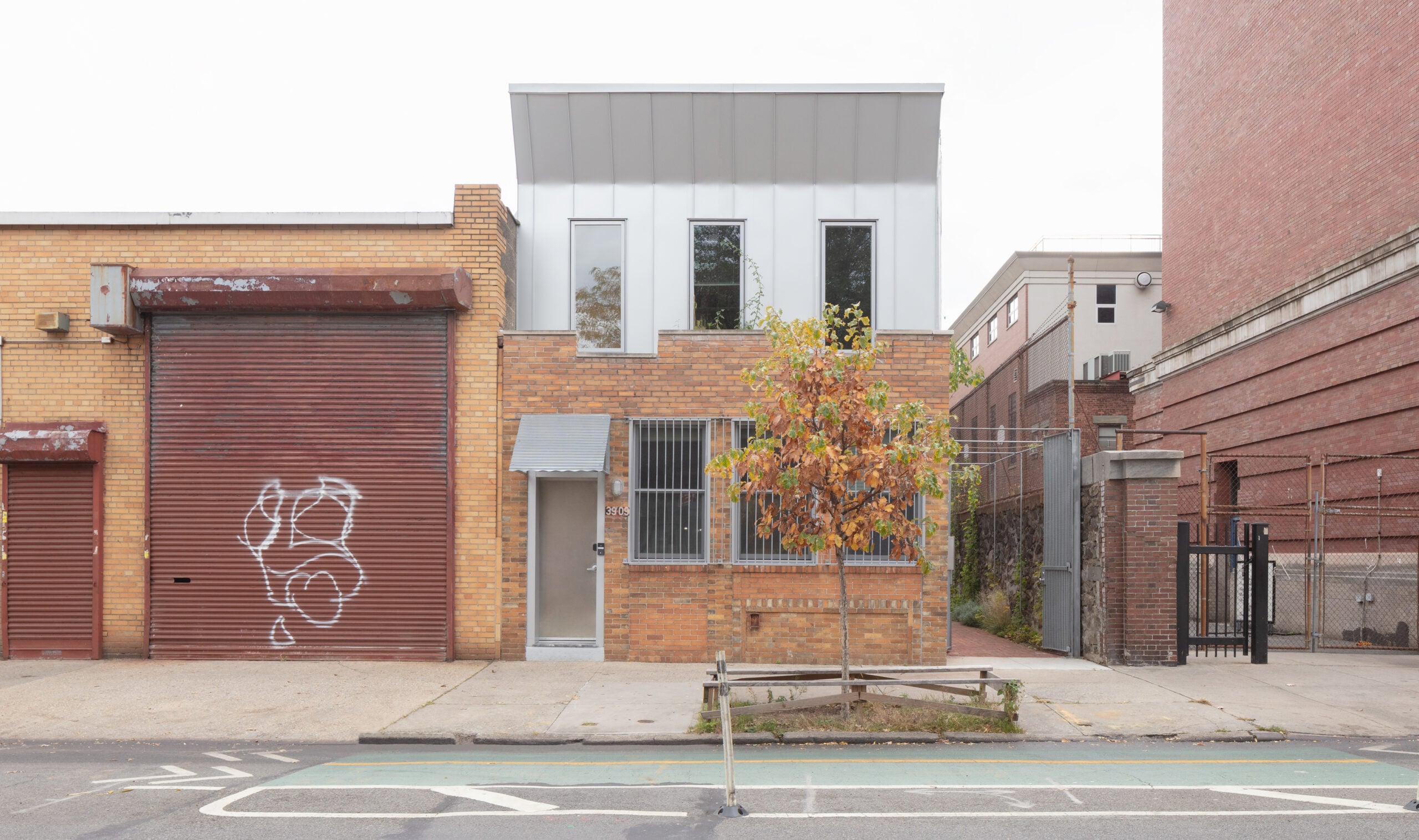
Q is for Queens
In Long Island City, a Lot Less Became Much More
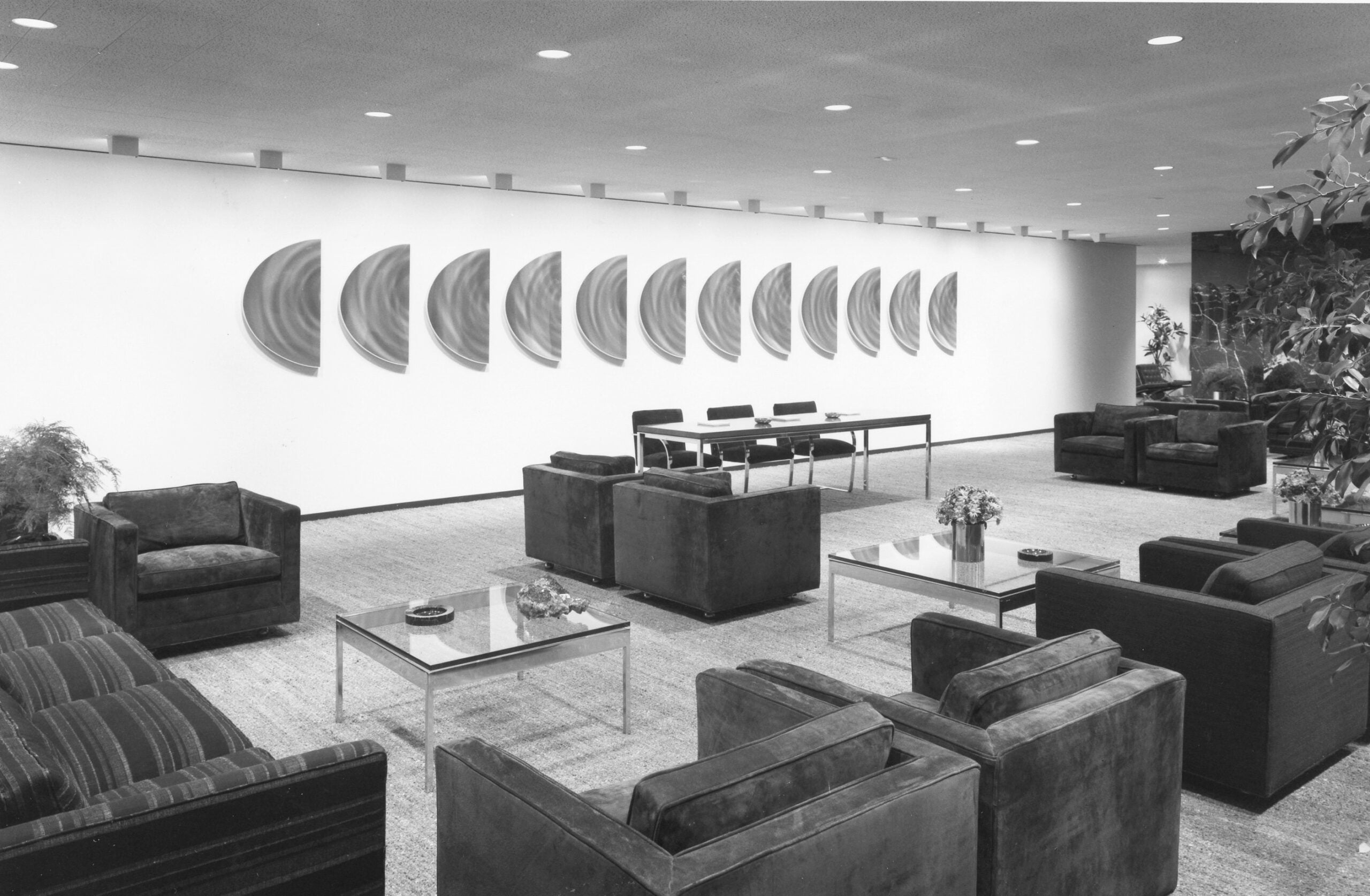
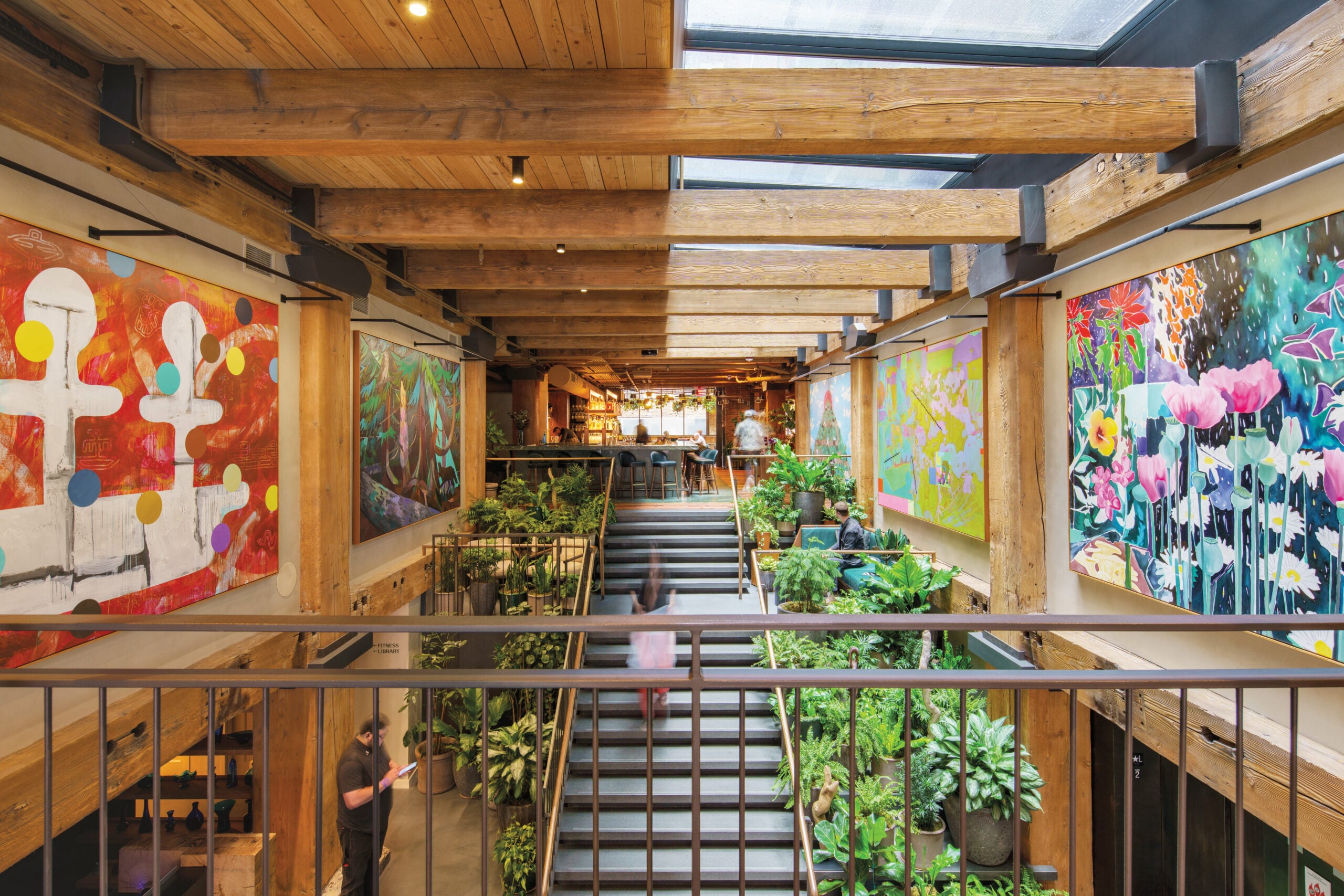
S is for Seattle
Populus Seattle Rewrites the Rules for Historic Reuse
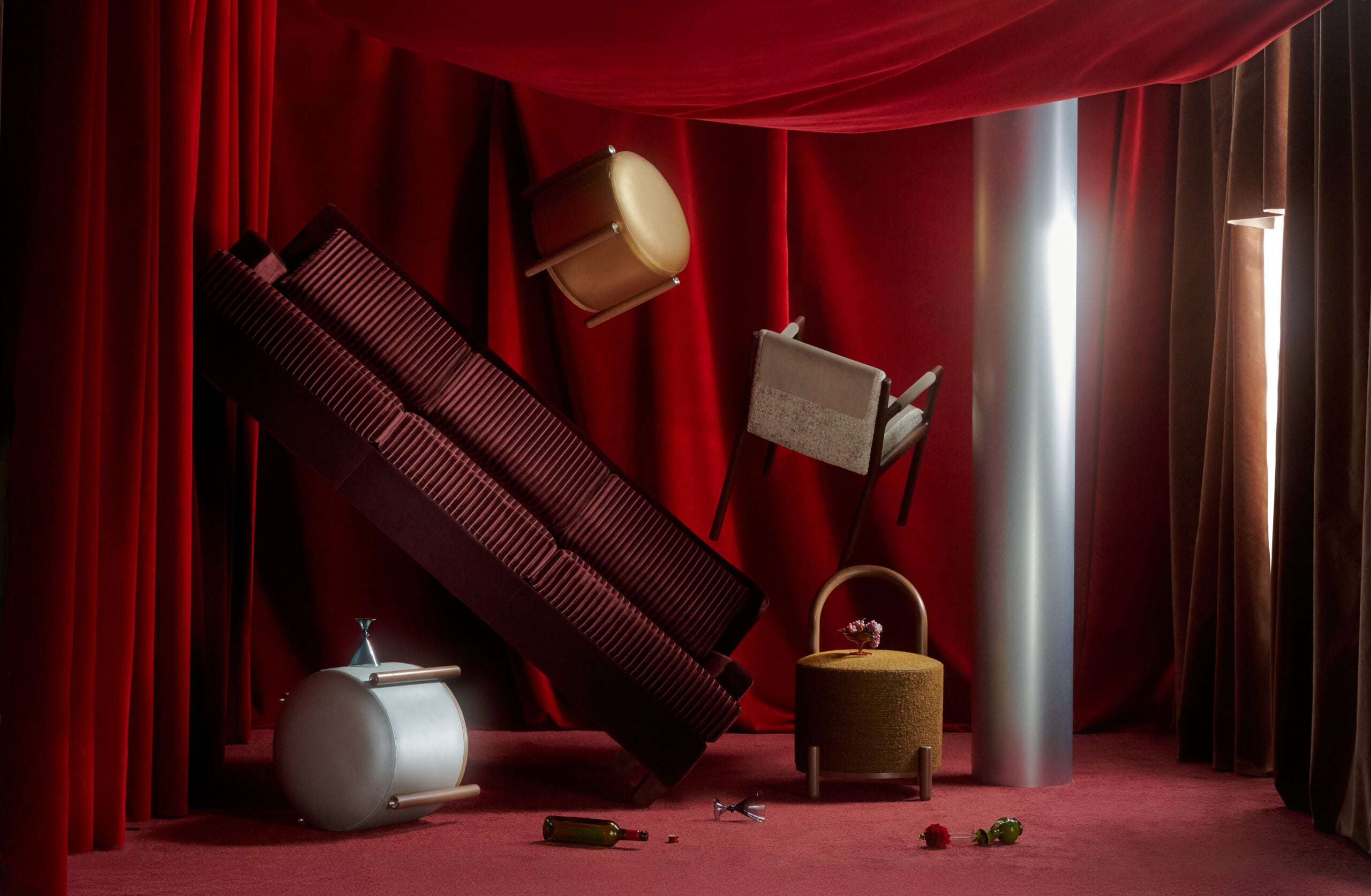
T is for Texture
11 Products That Shape Space Through Texture
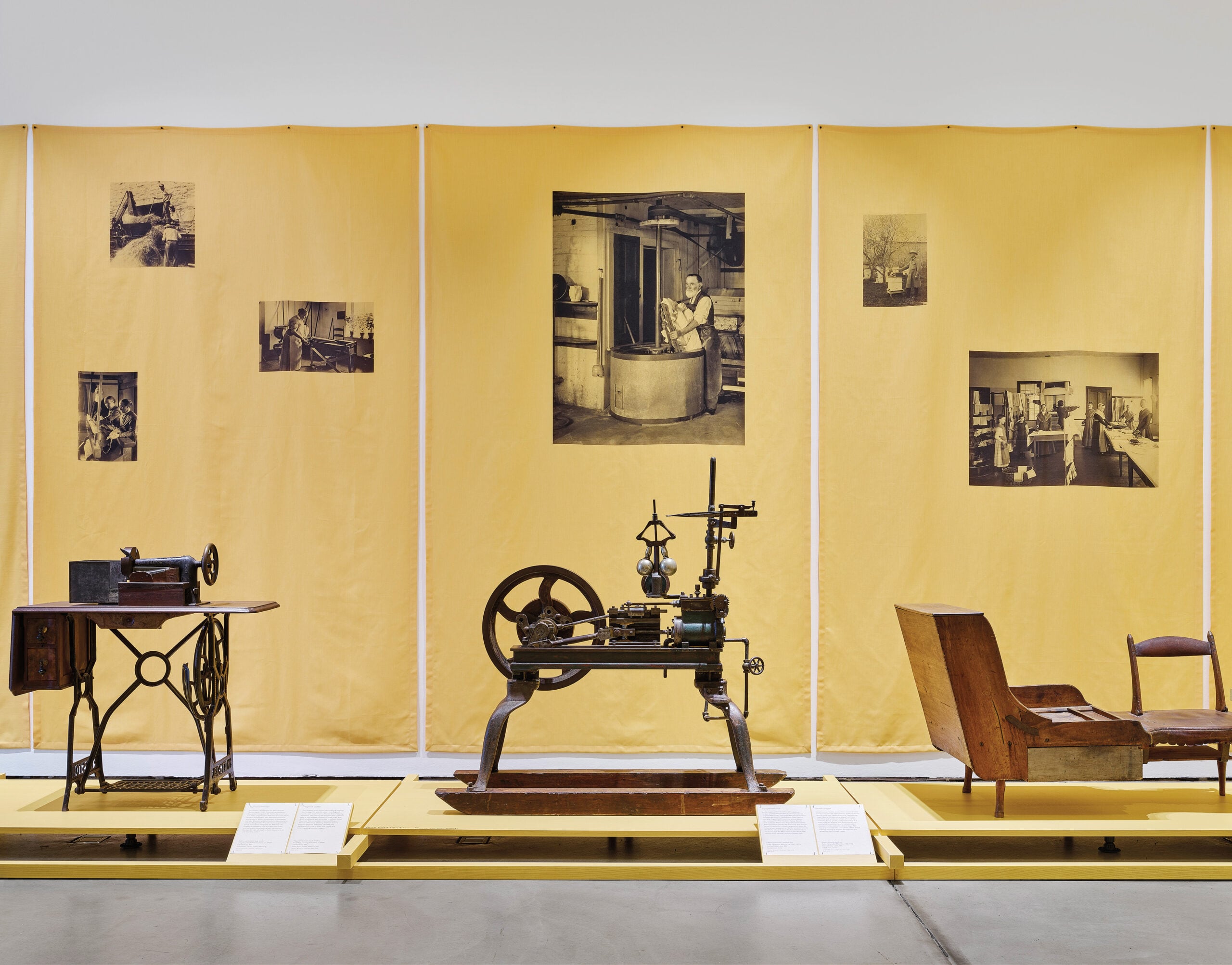
U is for Utility
The Shakers: Culture, Craft, Community, and Care
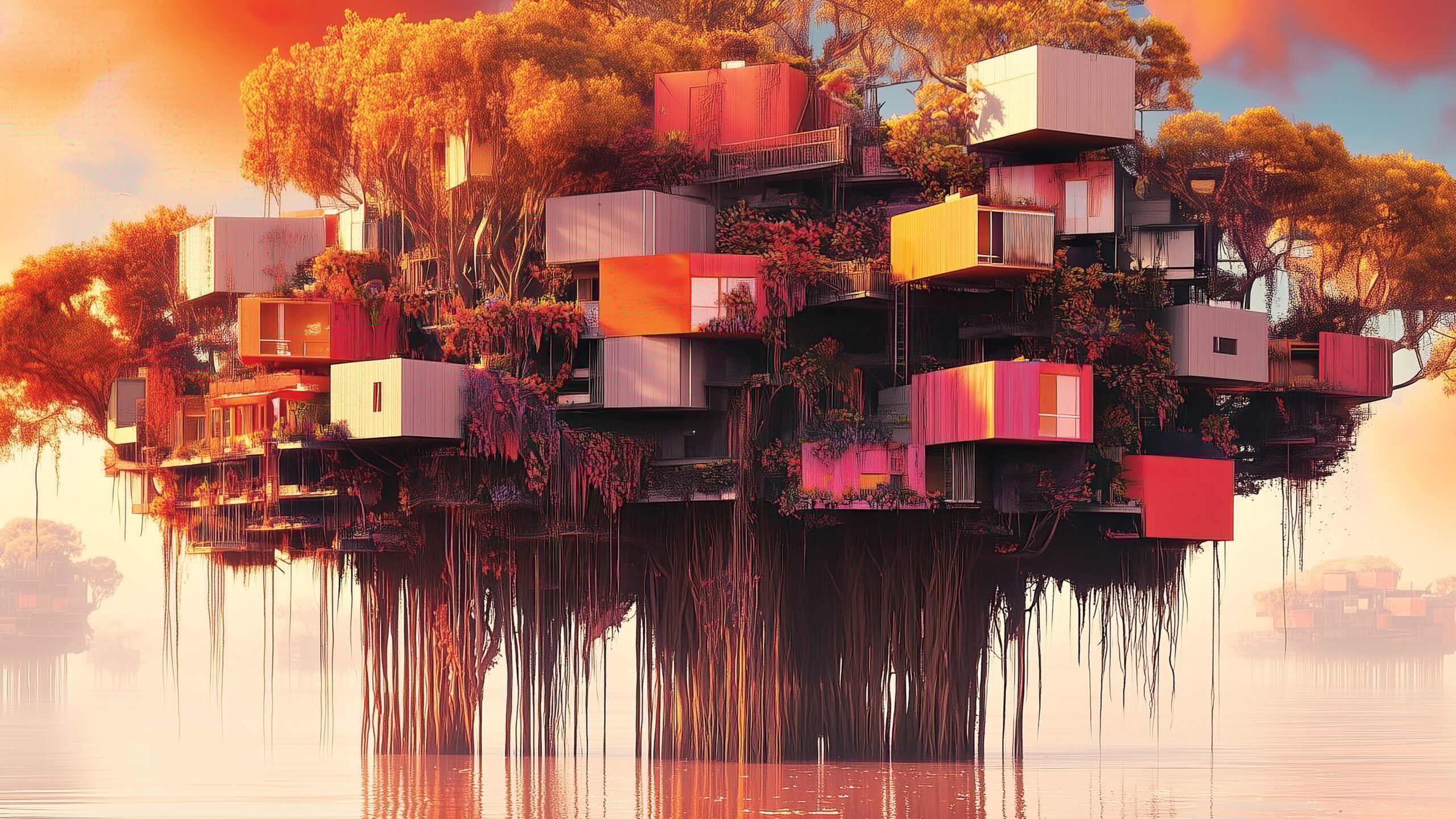
V is for Visualization
Liam Young Is Building Worlds, Not Just Building
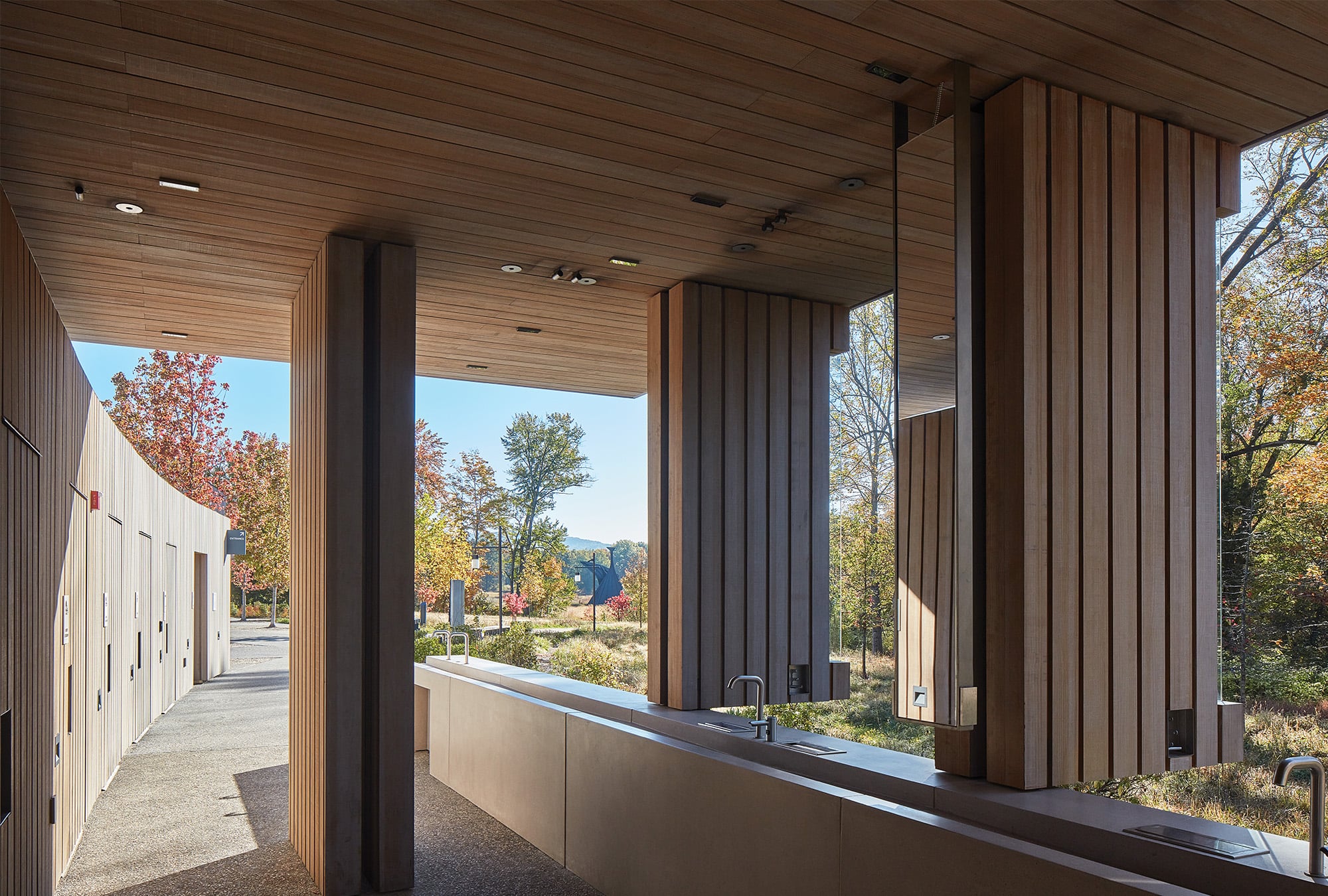
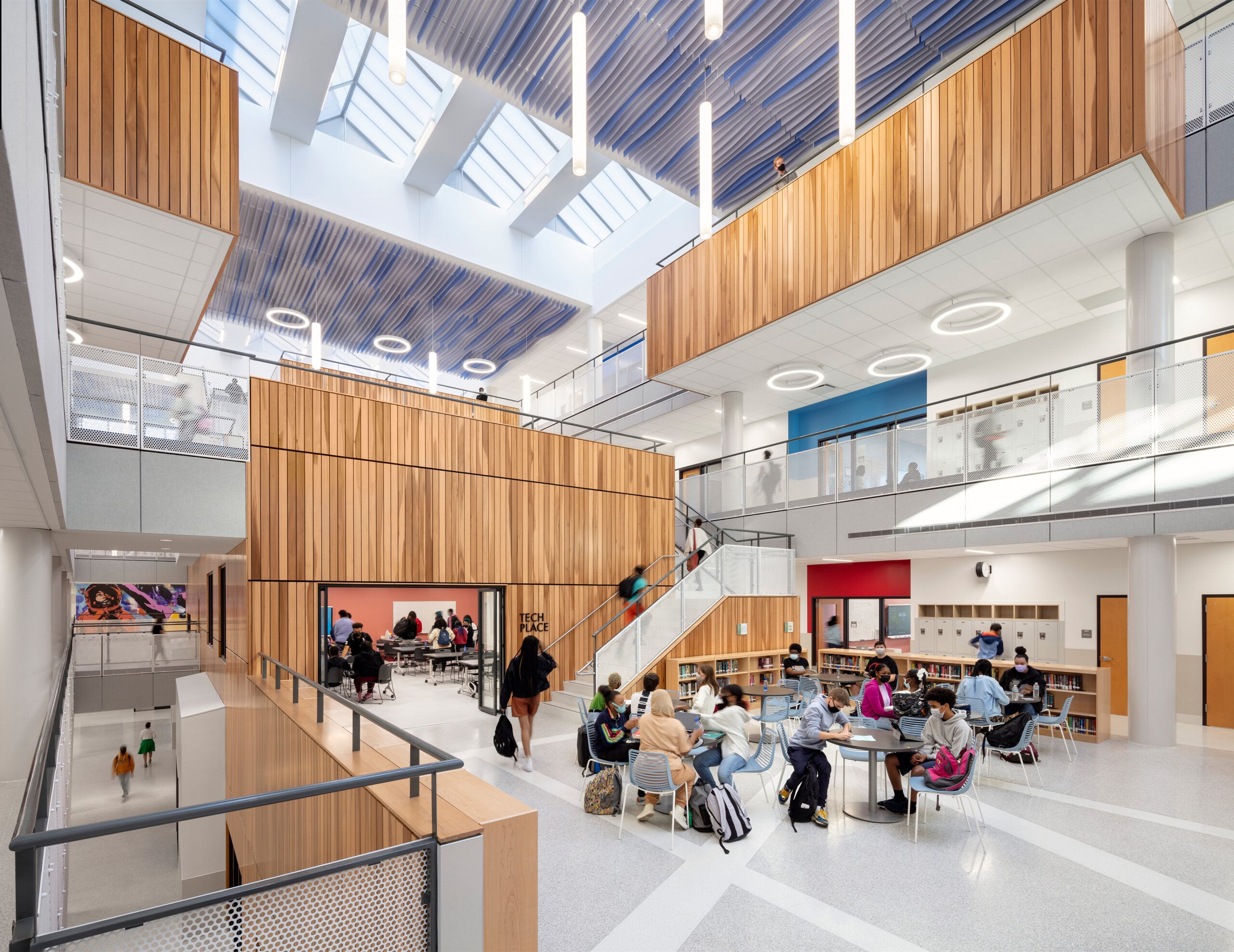
Z is for Zero Energy
The End of Net Zero as We Know It
Would you like to comment on this article? Send your thoughts to: [email protected]
Latest
Projects
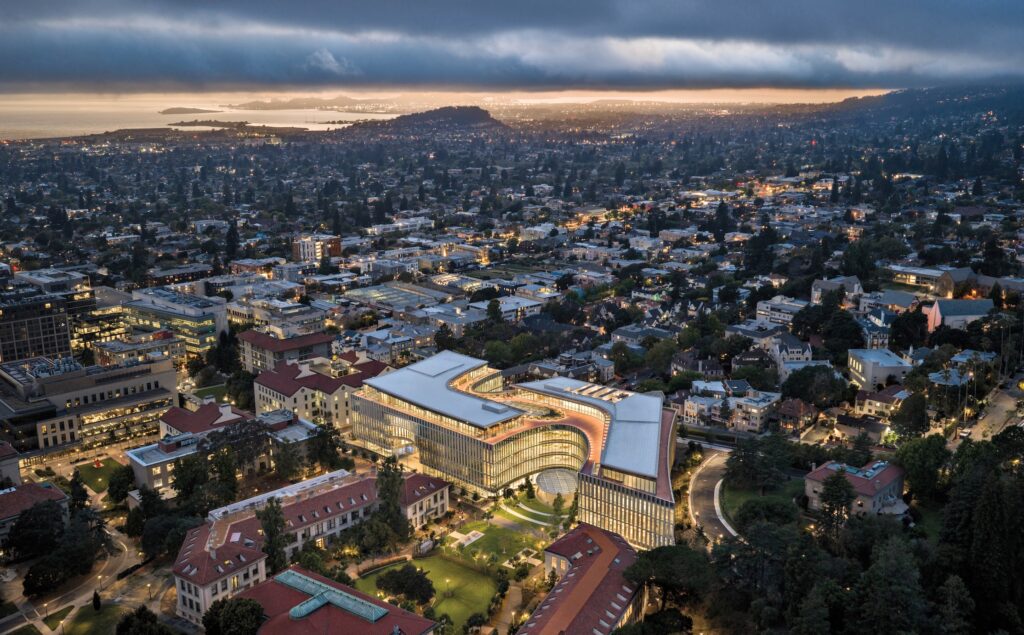
UC Berkeley’s Newest Building Is All About Human Interactions
The Barbara and Gerson Bakar Gateway—home to the university’s College of Computing, Data Science, and Society—gently reminds data scientists and AI researchers of what’s really important.

Projects
ZD+A Brings a Modernist Mexico City House in Line with its Context
Architect Yuri Zagoin Alazraki reorganized the speculative house to respond to its site and create unique spaces for contemplation.