



March 20, 2026
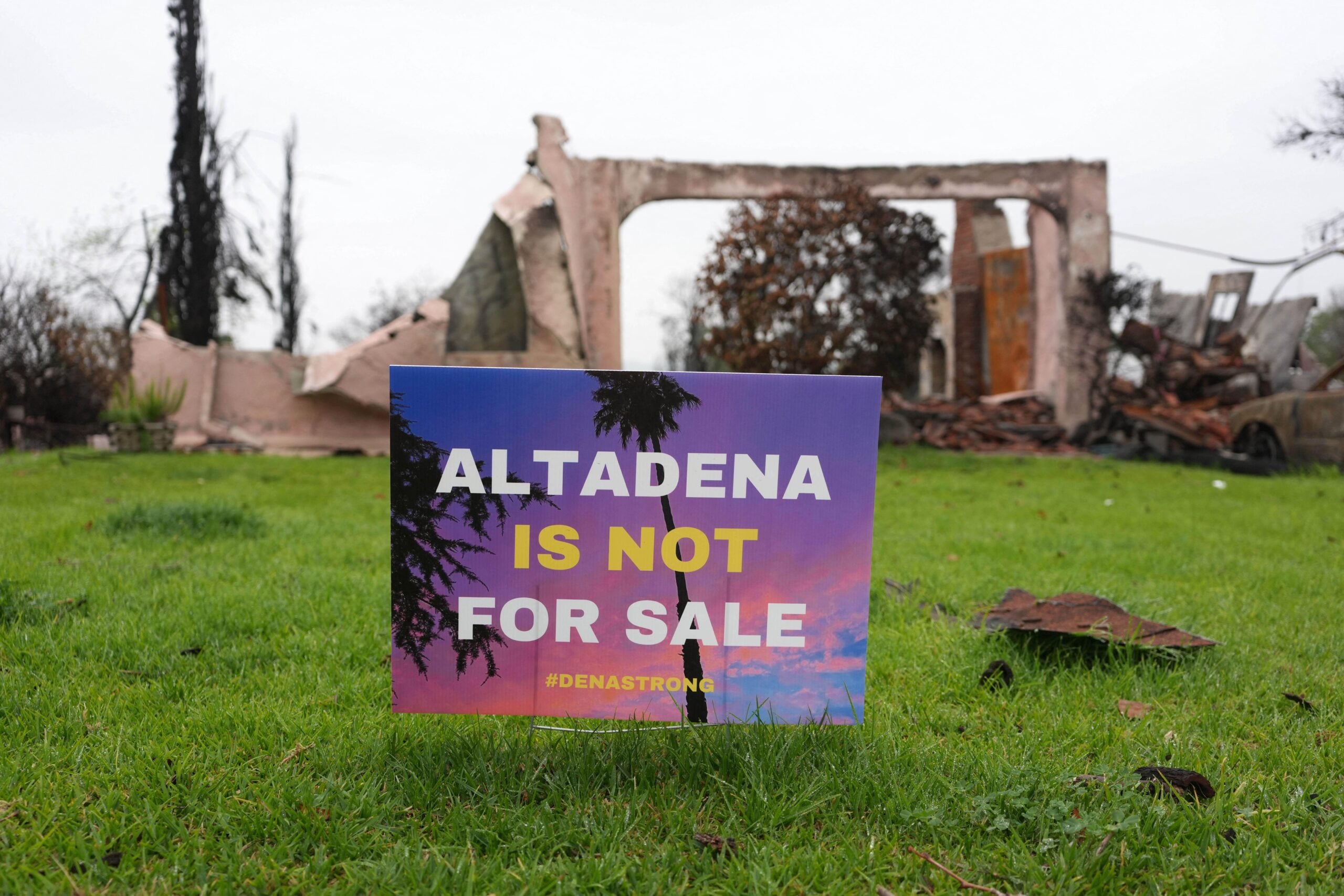
Altadena’s Rebuild Begins with Listening
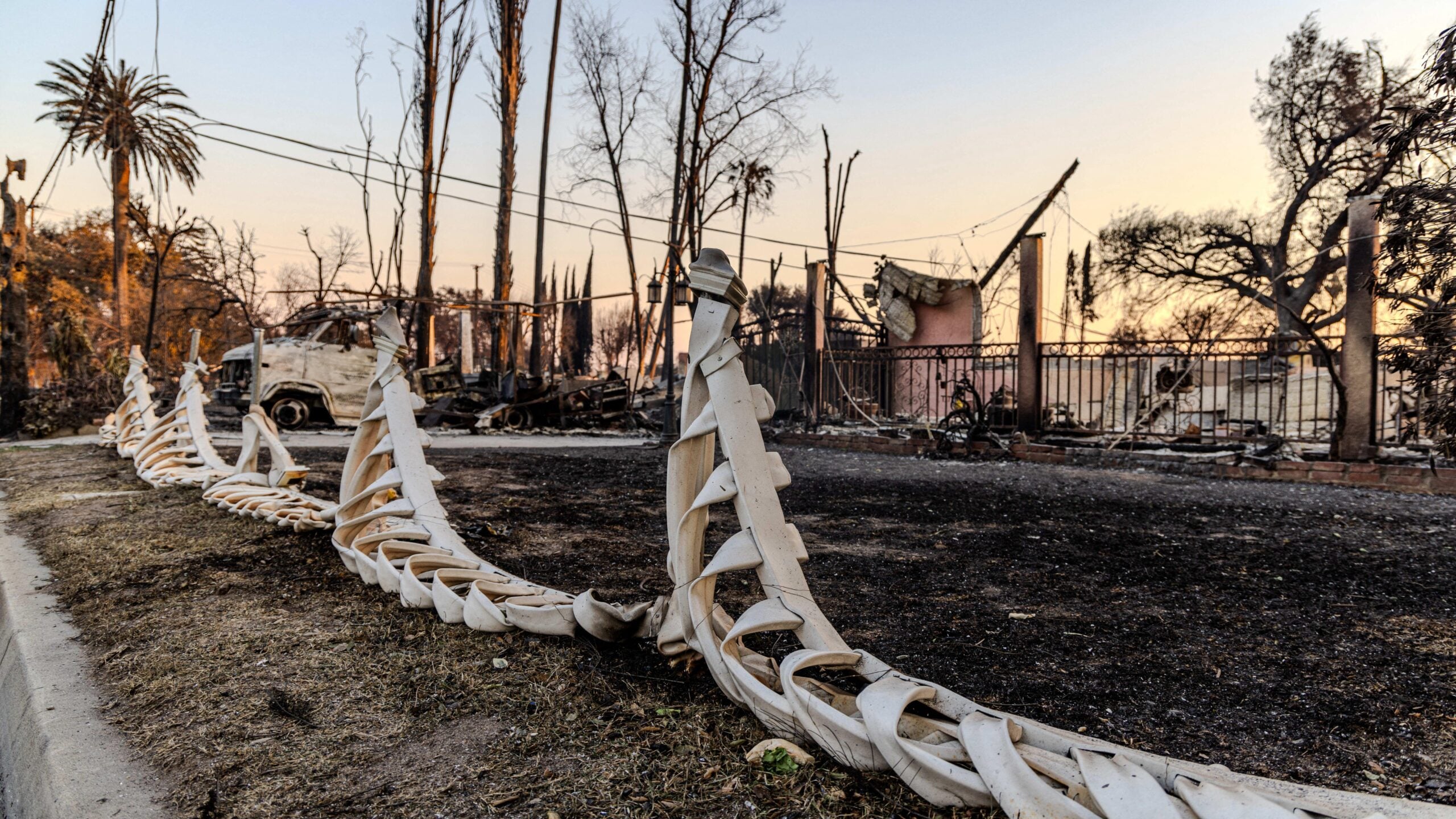
The Altadena Rebuild Coalition, led by the Southern California Chapter of the National Organization of Minority Architects (SoCal NOMA), emerged from a moment of overload. In the days and weeks after the devastating Eaton Fire, residents were suddenly surrounded—by insurance adjusters, contractors, developers, architects, nonprofit groups, and well-meaning outsiders, all offering answers at once. The coalition formed not to add another voice but to help people hear themselves think. Its role has become something closer to that of an air traffic controller for a community in shock, helping prevent collisions as residents figure out where—and whether—they’re ready to land.
For architect Steven Lewis, one of the coalition’s leaders, the work begins well before design. He has repeatedly urged fellow architects to resist the urge to “solve” anything at first and instead start with what he calls “step zero”: Show up, listen, and “be an empathetic ear.” At meeting after meeting, Lewis notes, residents “have been given the opportunity to speak their trauma in front of their neighbors and find that to be a very healing, necessary step.” In Altadena, many residents never planned to build a new house. Now they’re being asked—sometimes daily—to decide whether to rebuild, sell, downsize, or leave. Slowing that moment, Lewis argues, is a form of protection. “The trick is to get those willing or interested onto a pathway before the disorganization brings dismay, their attention wanes, and they move on,” he notes.
The coalition has organized itself into three overlapping tracks—cultural memory, community engagement, and technical rebuilding—but the boundaries blur. Lewis co-leads engagement efforts that include recording residents’ stories, sometimes at the very sites of buildings that burned. The emphasis is continuity: By naming the restaurants, churches, corner stores, and everyday places that mattered, the coalition is working to ensure rebuilding doesn’t erase what made Altadena Altadena.
On the ground, the coalition’s rebuild-readiness packages translate zoning, fire codes, ADU rules, and permitting pathways into property-specific guidance, paired with real human points of contact. Local volunteers, Lewis notes, have been so overwhelmed by requests (more than 160 families have already signed up) that NOMA’s national chapter is recruiting additional support across the country.
The coalition, which is also helping with community-planning efforts organized by nonprofit Steadfast LA, has compiled a directory of licensed architects and builders, prioritizing those who live locally and understand the area. In a recovery landscape where predatory offers and misinformation spread quickly, that kind of clarity has become paramount. “Our mantra is ‘Nothing about us without us is for us,’” Lewis says.
Still, he is clear about the coalition’s limits. Much of what the group is doing—such as coordinating parallel efforts, calming rumor cycles, sequencing decisions—is work that, Lewis says, should ultimately be led and supported by local government. Without stronger coordination from Los Angeles County to convene groups, align timelines, and meaningfully streamline approvals, even the most committed grassroots effort risks burnout.
For now, the coalition’s most consequential act may be buying time—time for residents to decide and to rebuild on terms that reflect the character of Altadena rather than the pressures closing in on it.
Would you like to comment on this article? Send your thoughts to: [email protected]
Latest
Viewpoints
Detroit Month of Design: A City’s Work in Progress
Now in its 16th year, the celebration offers insights into the Motor City’s ongoing accomplishments without glossing over its hurdles.
Projects
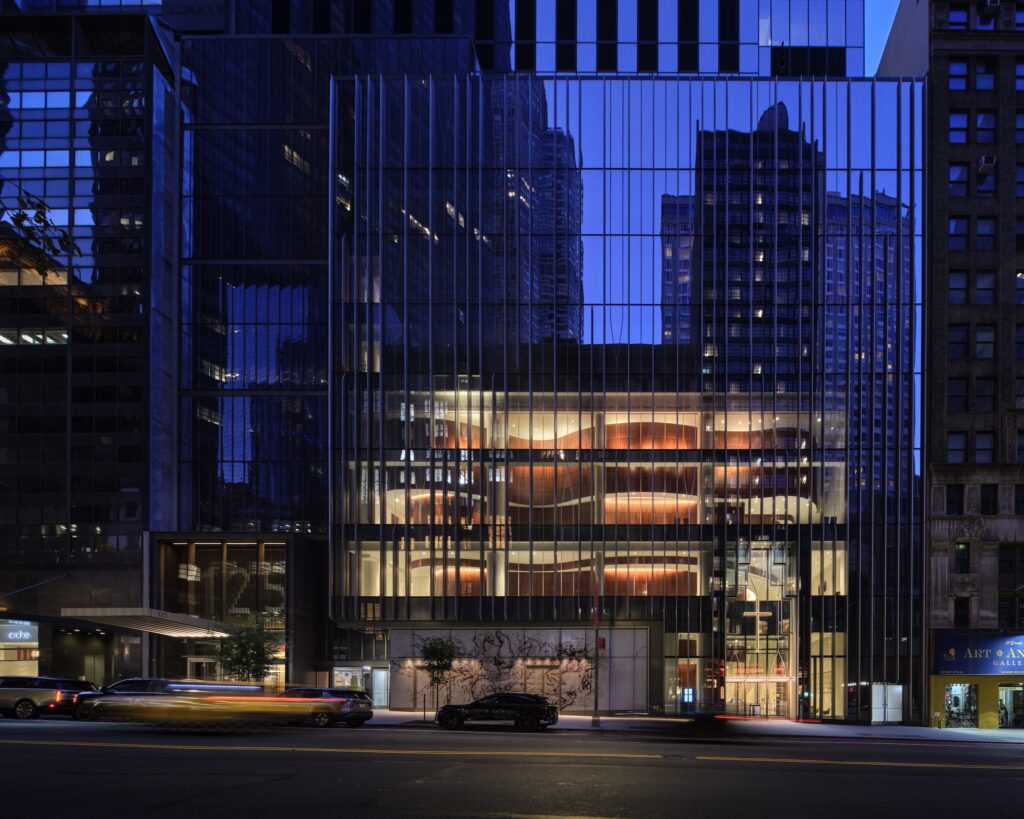
How a Hybrid Building Helped an Historic Manhattan Congregation Remain in Place
On Billionaire’s Row, FX Collaborative designed a new home for Calvary Baptist Church combined with an office tower.