



March 30, 2026
What Restrooms and Parking Lots Teach Us About Cities
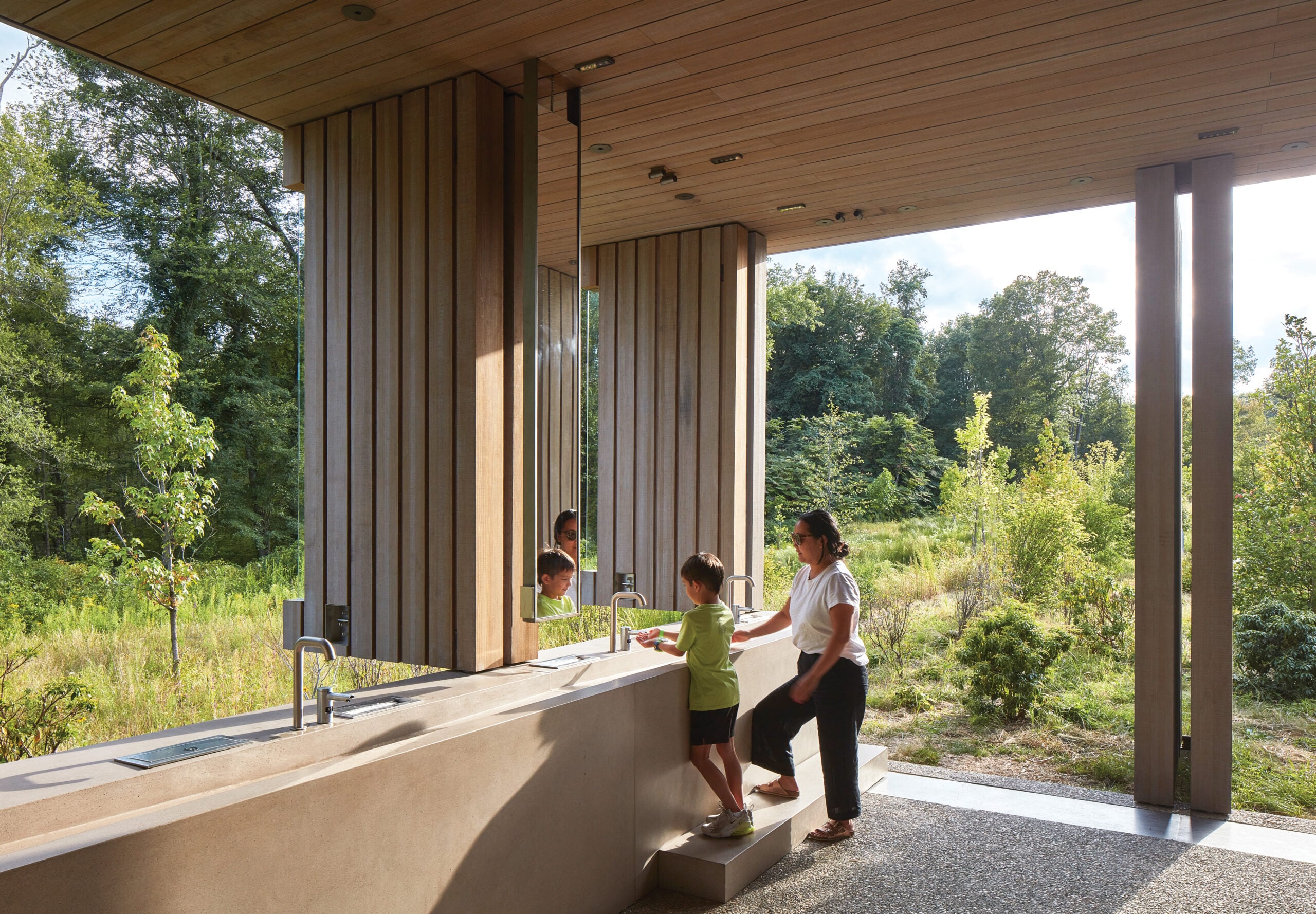
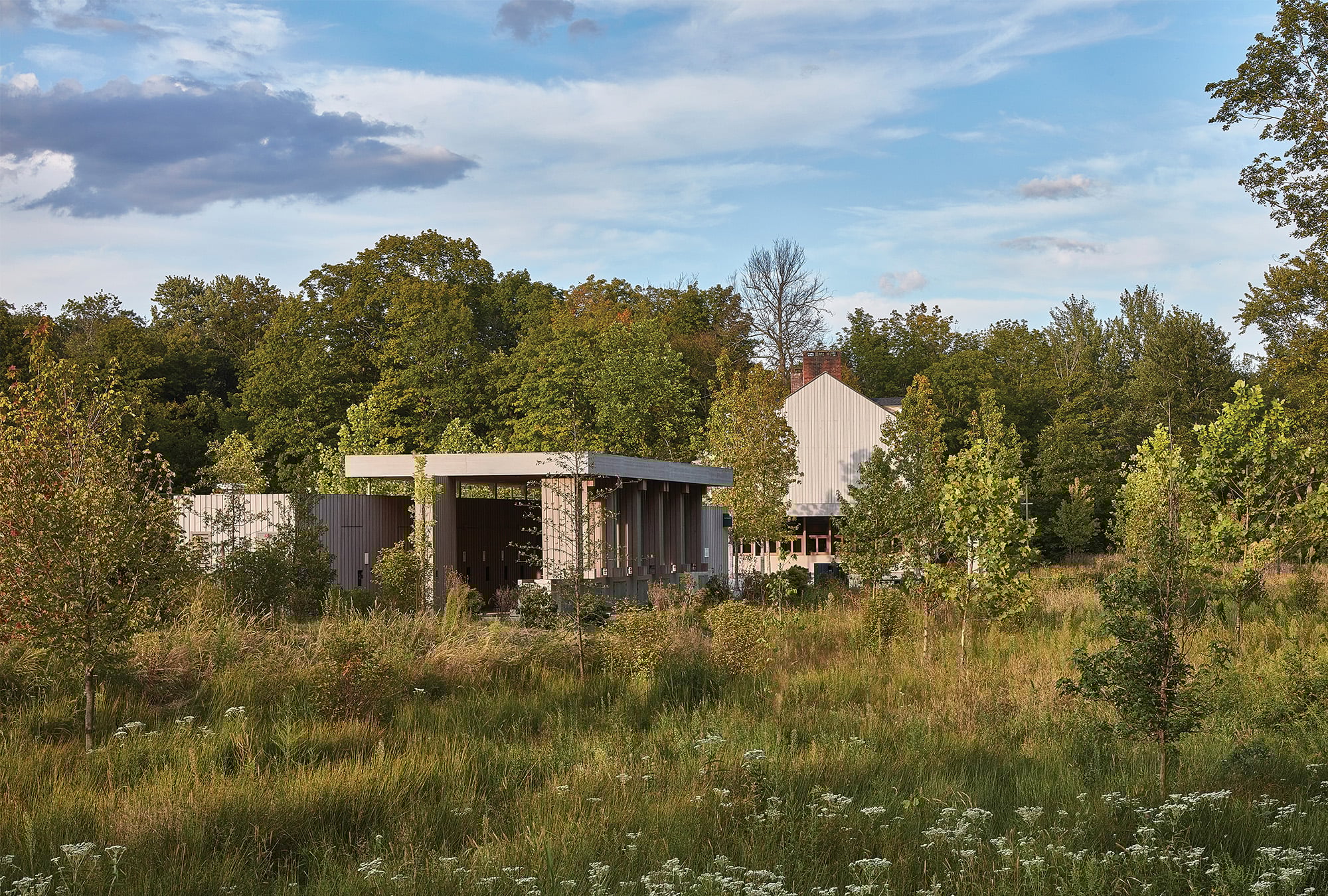
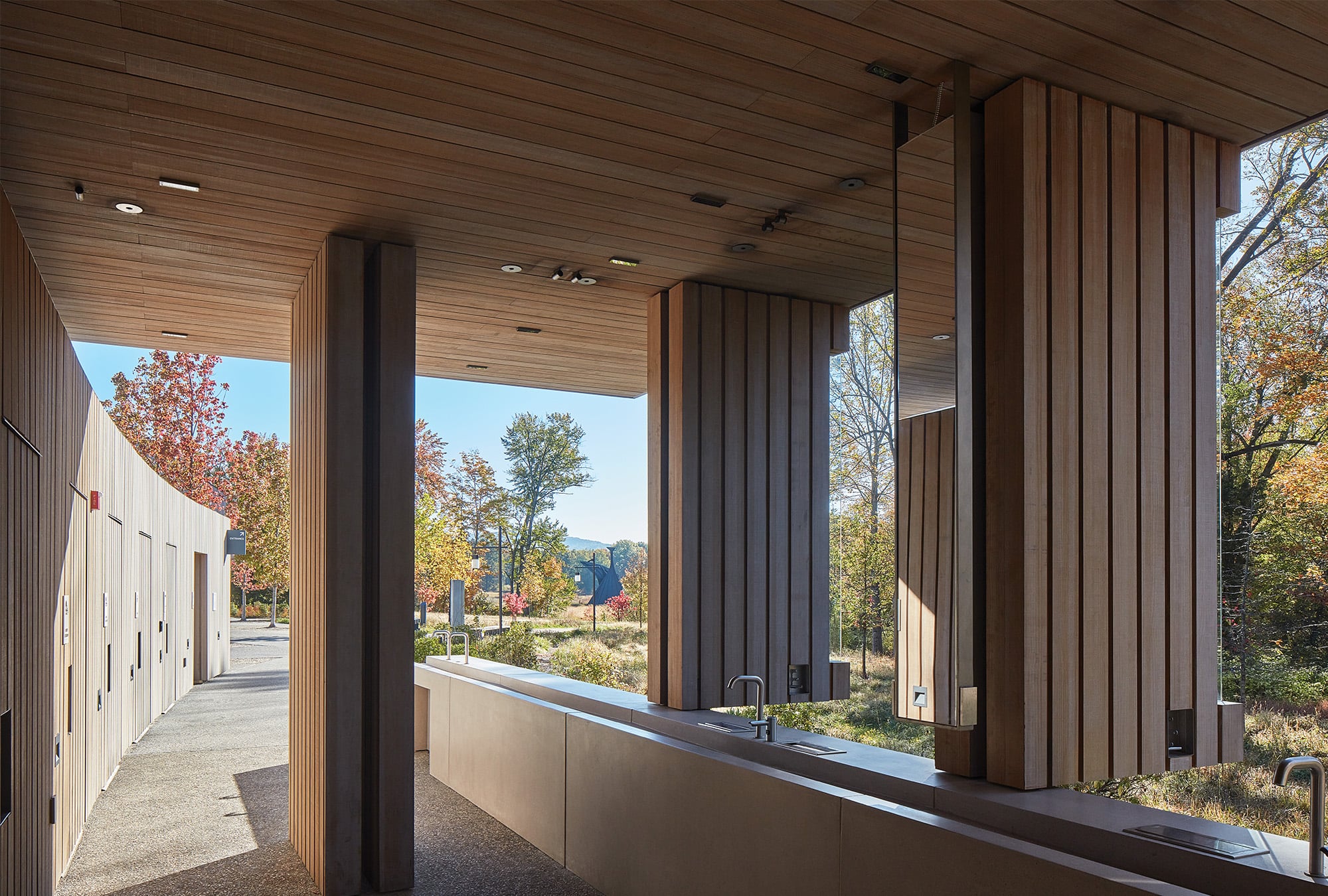
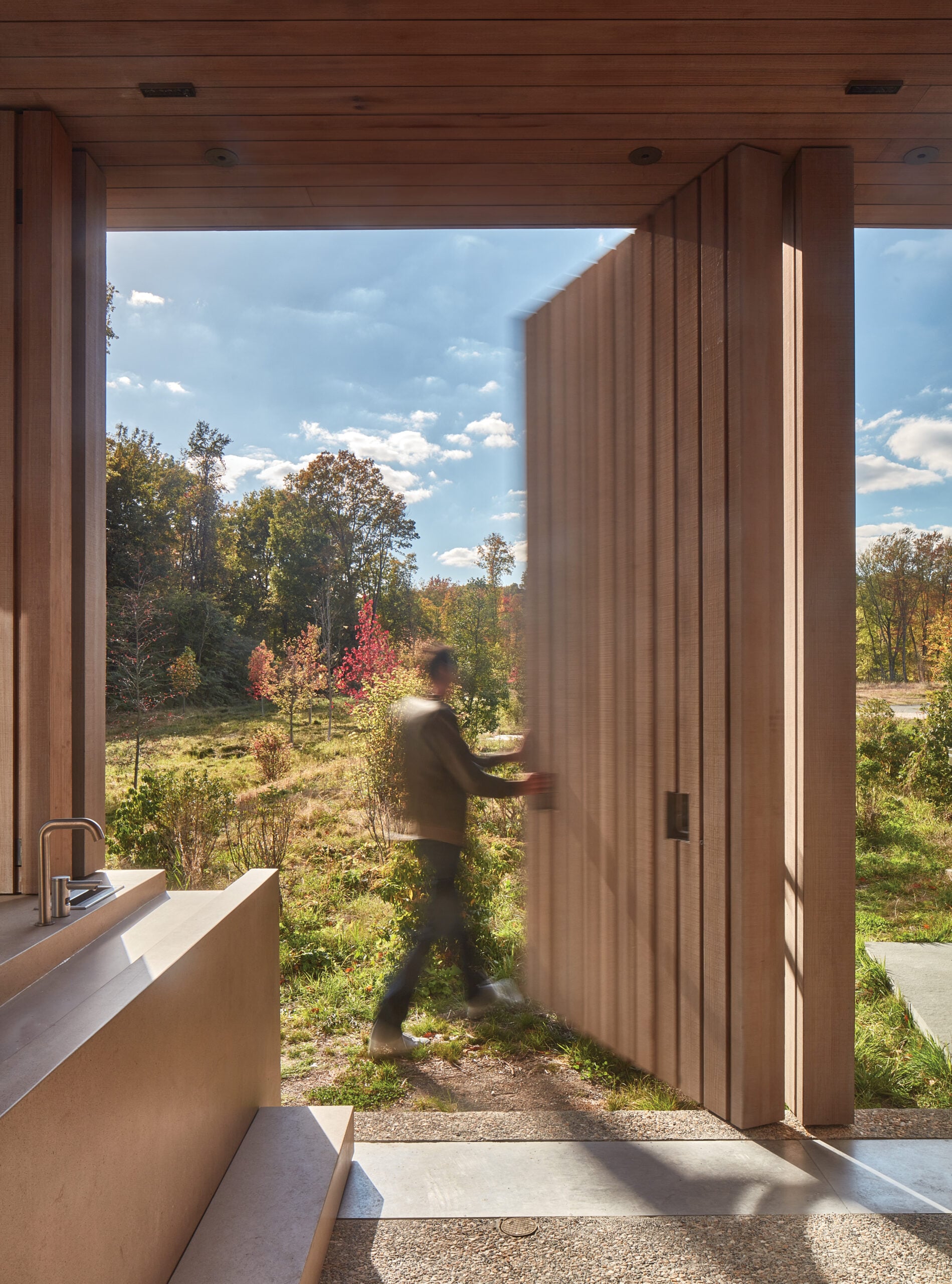
The clearest through line across New York–based architecture, landscape, and urban planning firm WXY’s varied portfolio can be found in an unexpected place: the restrooms and parking lot of Storm King’s new capital expansion project.
The questions guiding the design were deceptively simple: “How do you remove roads and treat parking in a way that makes it an environmental resource? How do you look at public washrooms as an opportunity to recognize different people’s relationships with gender, privacy, and use of natural resources?” asks Claire Weisz, the firm’s founding principal.

Designing from the Ground Up: Storm King as a Case Study
This attention to user experience is how a trained architect has guided the growth of a firm that has shaped the evolution of both public space and the sustainability movements in New York City over the past two decades. Both WXY and the Design Trust for Public Space—cofounded by Weisz—were formed in the late 1990s.
“The practice comes out of the idea that all of these issues around space, time, form, light, and environment are actually squandered by thinking of architecture as just buildings,” says Weisz. From the outset, the studio operates on the belief that public space matters and that design must center on people’s role in shaping the city.
One of the studio’s deepest and longest-standing neighborhood relationships has been with Rockaway Beach. Over the past decade, WXY’s work there has included rebuilding the boardwalk after Hurricane Sandy, designing a new welcome center for the Arverne East Nature Preserve, and developing the Rockaway Dune Enhancement Plan.
Scaling a People-First Approach from Projects to Policy
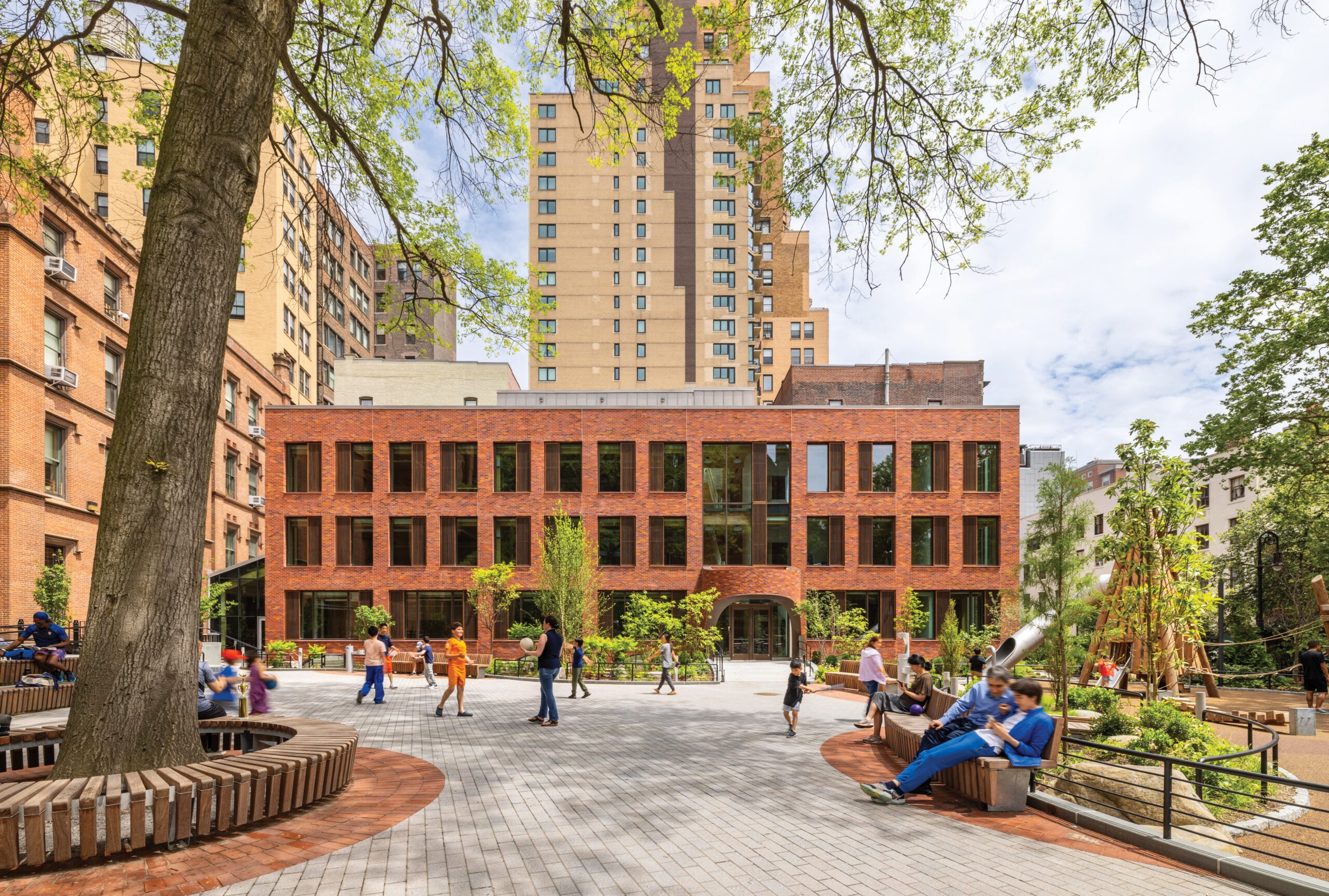
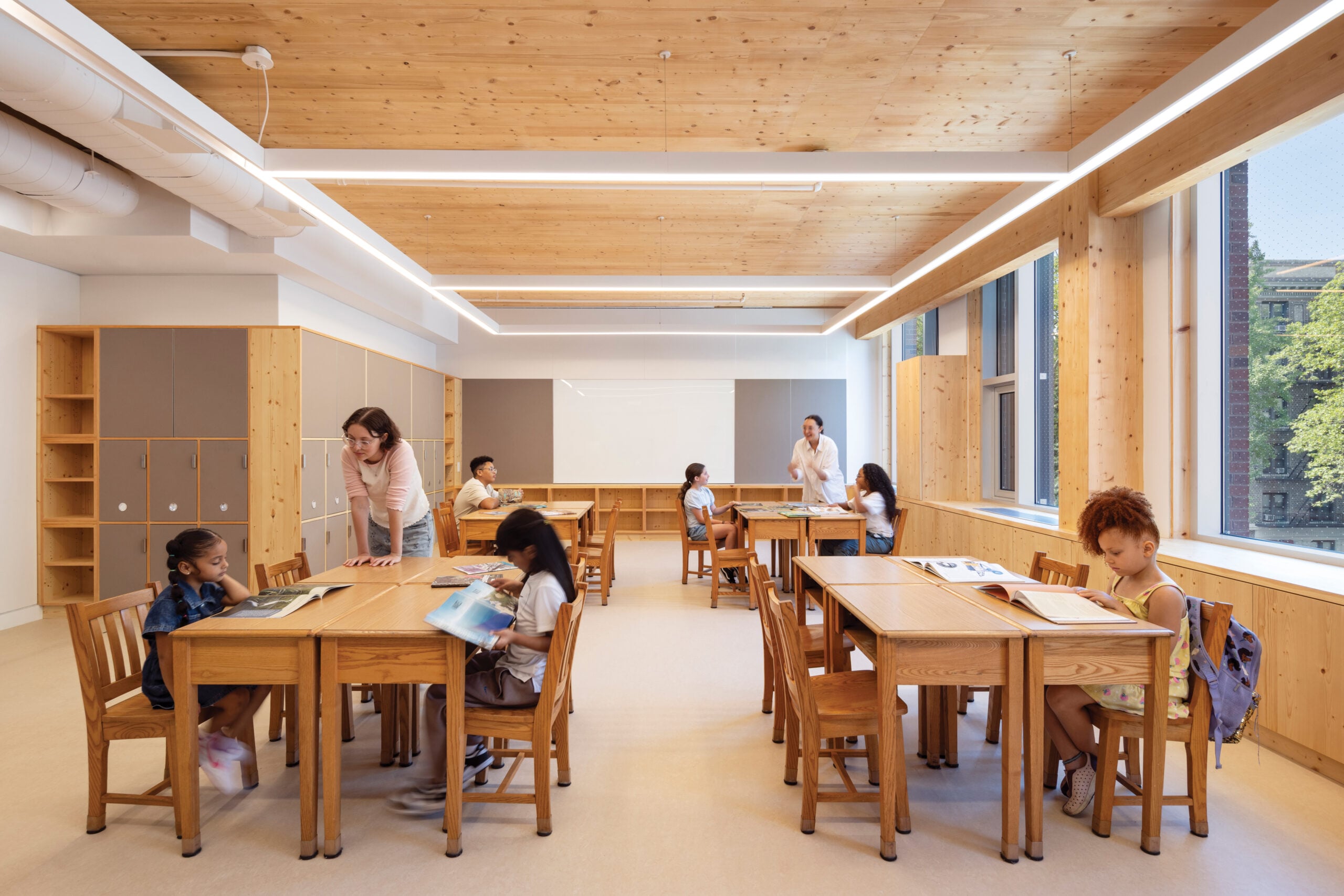
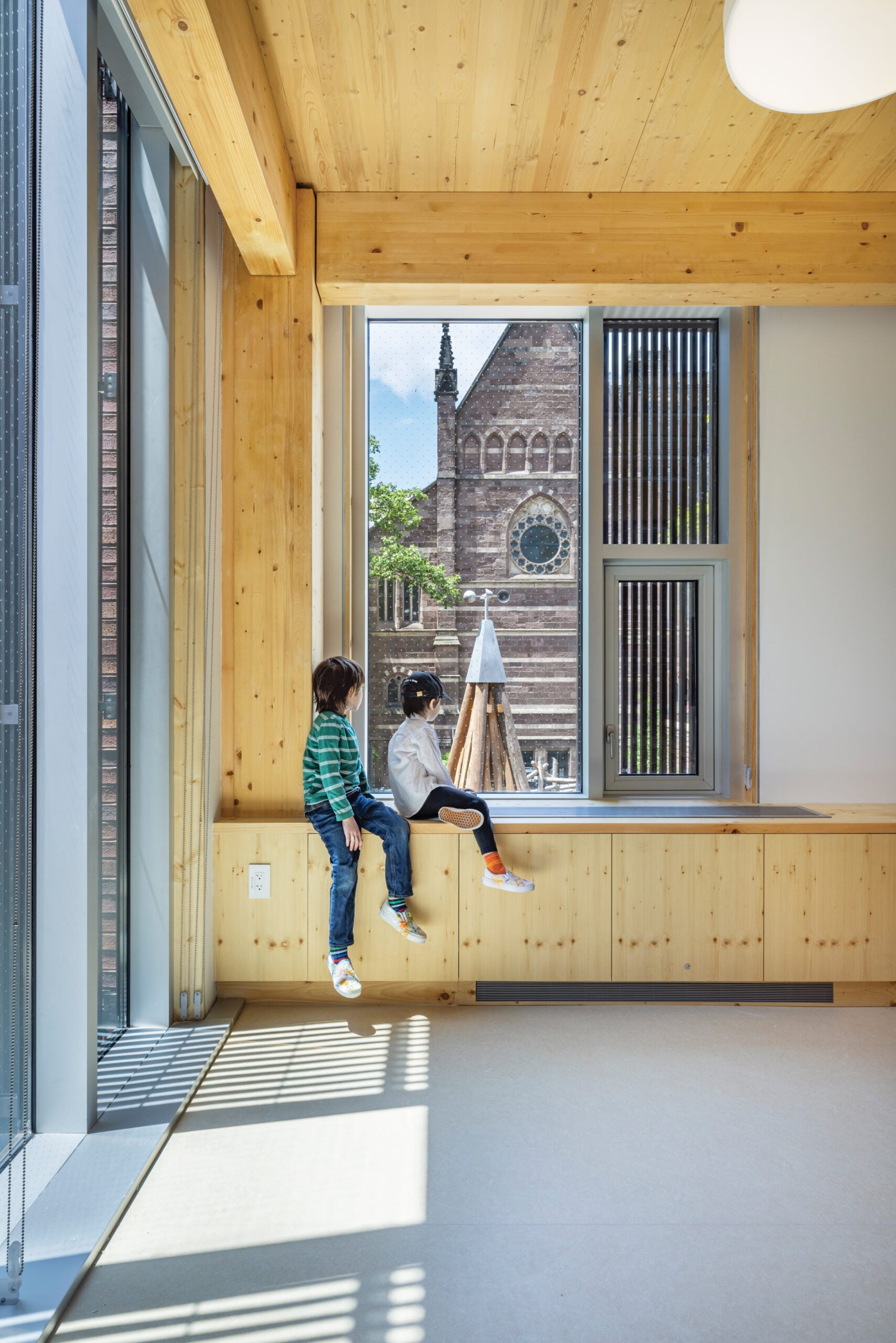
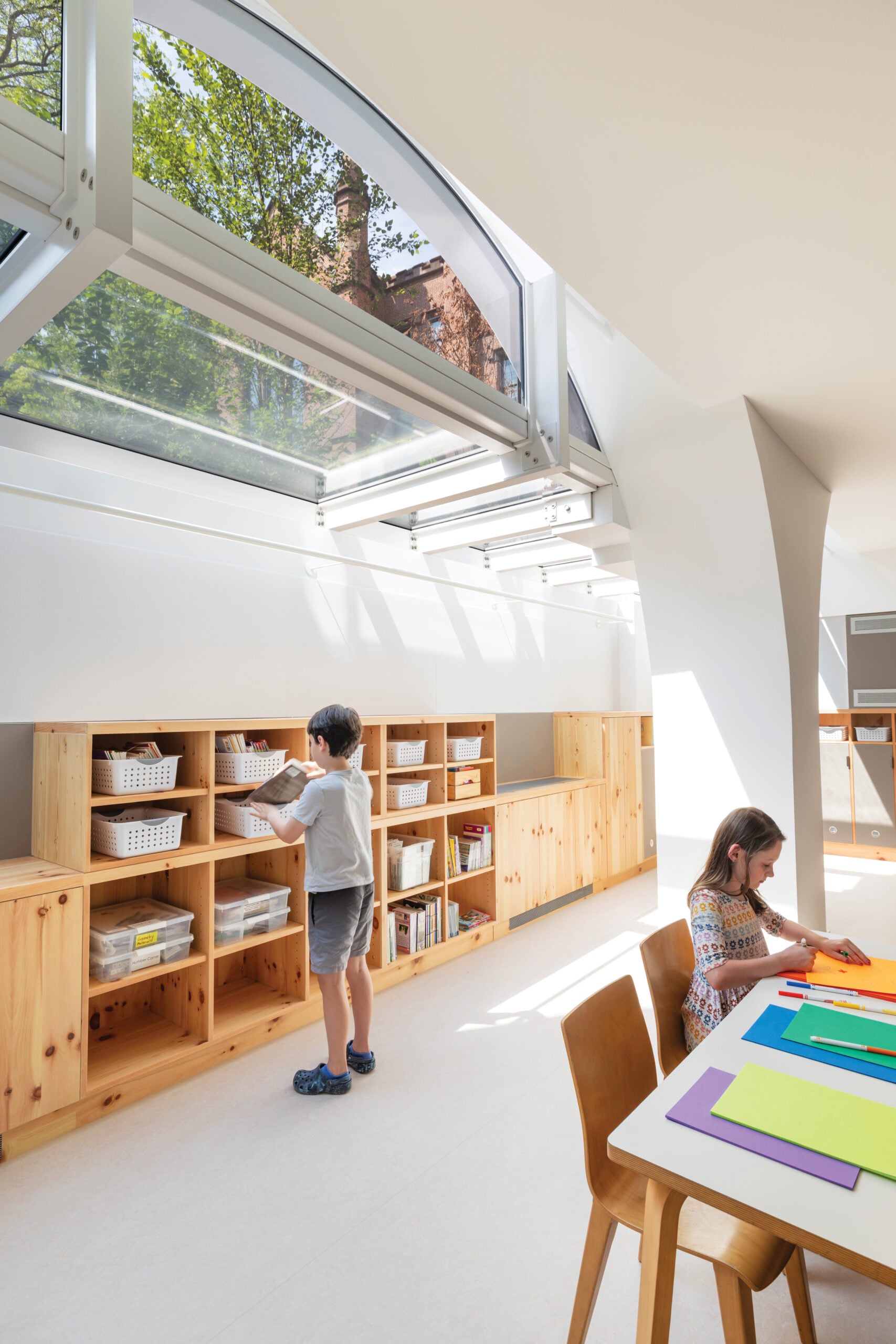
This idea of designing backward—from lived experience to built form—can also be seen in Packer Collegiate Institute’s Garden House. The adaptive reuse of this 1800s brownstone transformed it into a four-level school, with a 17,250-square-foot mass timber expansion integrated with 100 percent recycled brick.
WXY surveyed the institute’s students to understand what ideas in sustainable design mattered most to them. “They didn’t care about LEED Gold or Silver, but what they did care about was what would be the most impactful way for them to be good stewards of the planet. We had to show them how we were saving the previous building—it was the thought that was put into it that actually mattered to students,” says Weisz.
More recently, this focus on how individuals and communities experience their neighborhoods has been scaled up into the studio’s planning and policy work. Led by associate principals David Vega-Barachowitz and Chris Rice, this growing portfolio is supported by an interdisciplinary team of spatial and data analysts, computational designers, web designers and developers, and community engagement specialists. Both Vega-Barachowitz and Rice have “boomeranged” between WXY and City Hall, serving in urban design and climate and environmental justice roles, respectively, before returning to the studio.
WXY is currently developing several landmark initiatives for New York City, including its first-ever accessory dwelling unit (ADU) guidance, the Urban Forest Plan, and the Environmental Justice NYC Plan. The ADU for You program will provide homeowners with clear guidance on which ADU options they are eligible for, along with a visualizer tool that will let them see which ADU could fit on their site. Meanwhile, the Urban Forest Plan advances recommendations to preserve and expand tree canopy across property types—from city streets and parks to New York City Housing Authority (NYCHA) campuses and single-family homes—toward a citywide goal of 30 percent coverage.
Being based in New York is central to WXY’s identity—and underpins what the studio brings to a growing number of projects in cities across the country, according to Vega-Barachowitz. “It’s this sensitivity to the public realm and a recognition in New York that we are pedestrians and we are experiencing and walking the city a block at a time.”
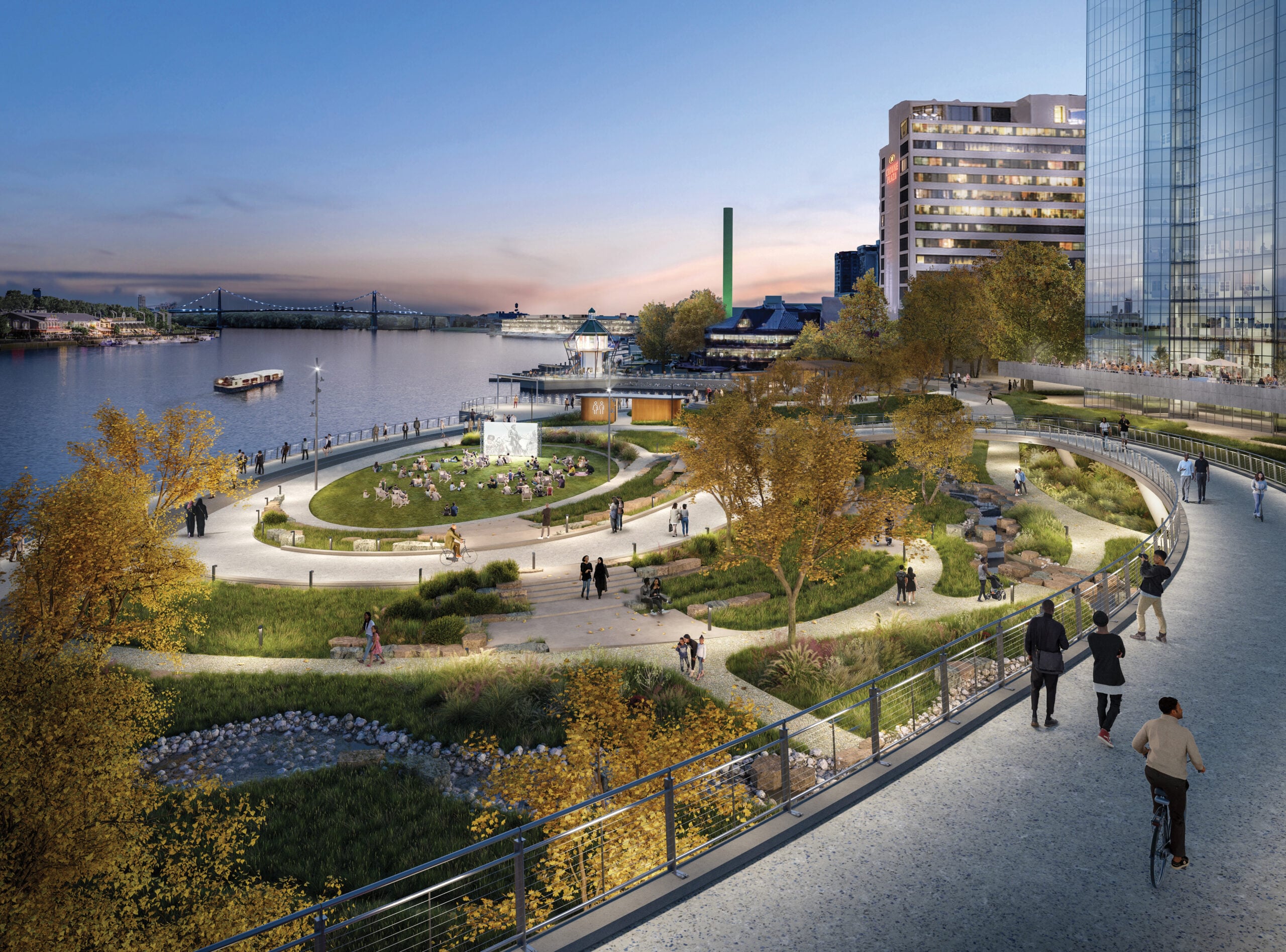
This translation of the firm’s approach outside of New York is currently being applied to the design of a major new riverfront greenway in Toledo, Ohio, transforming what had been a James Rouse festival marketplace established in the late ’70s and a postindustrial brownfield site into a five-mile loop reconnecting both sides of the Maumee River by a new serpentine bridge. The Glass City Riverwalk will reintroduce residents to the river and the surrounding natural landscape through meandering parks, wetlands, and woodlands.
As for the future, Vega-Barachowitz is optimistic about the studio’s ability to continue positively shaping its hometown and beyond. “We have an unconventional and highly interdisciplinary portfolio, but it’s also very much focused on the problems that society is facing,” Weisz notes. “If you look at the Mamdani agenda, we’ve been working to tackle the integration of schools and thinking differently about street design and safety. It’s super rare that an architecture firm sees design as a pathway to actually tackling these kinds of policy issues.”

Would you like to comment on this article? Send your thoughts to: [email protected]
Latest
Viewpoints
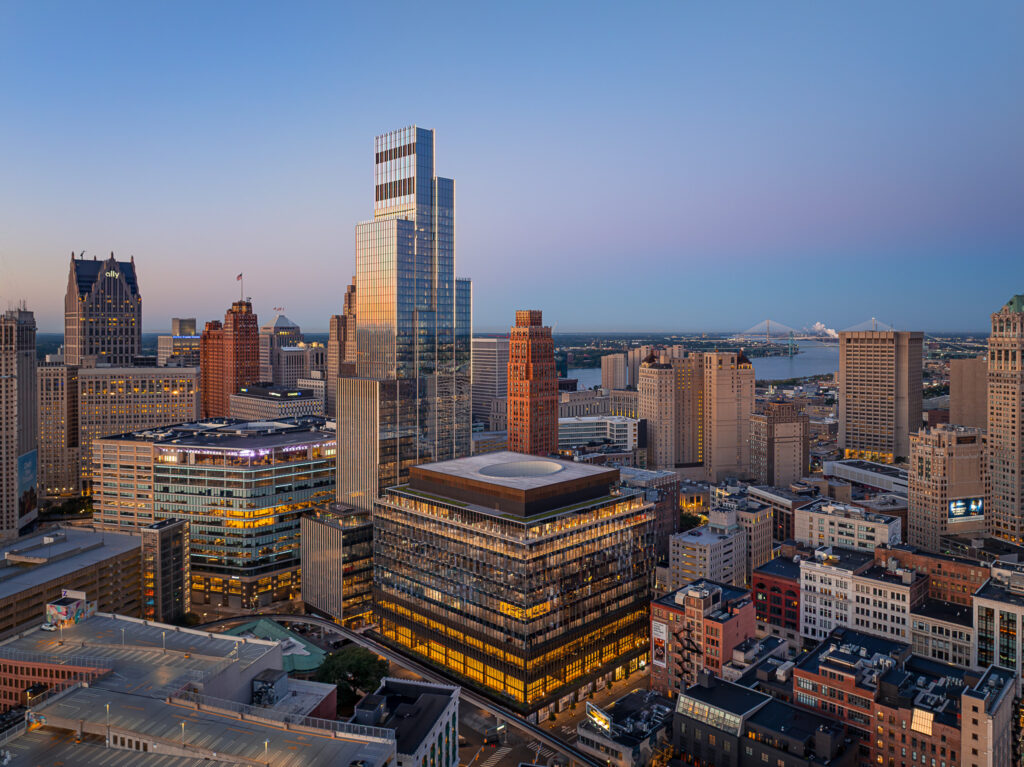
Detroit Month of Design: A City’s Work in Progress
Now in its 16th year, the celebration offers insights into the Motor City’s ongoing accomplishments without glossing over its hurdles.
Projects
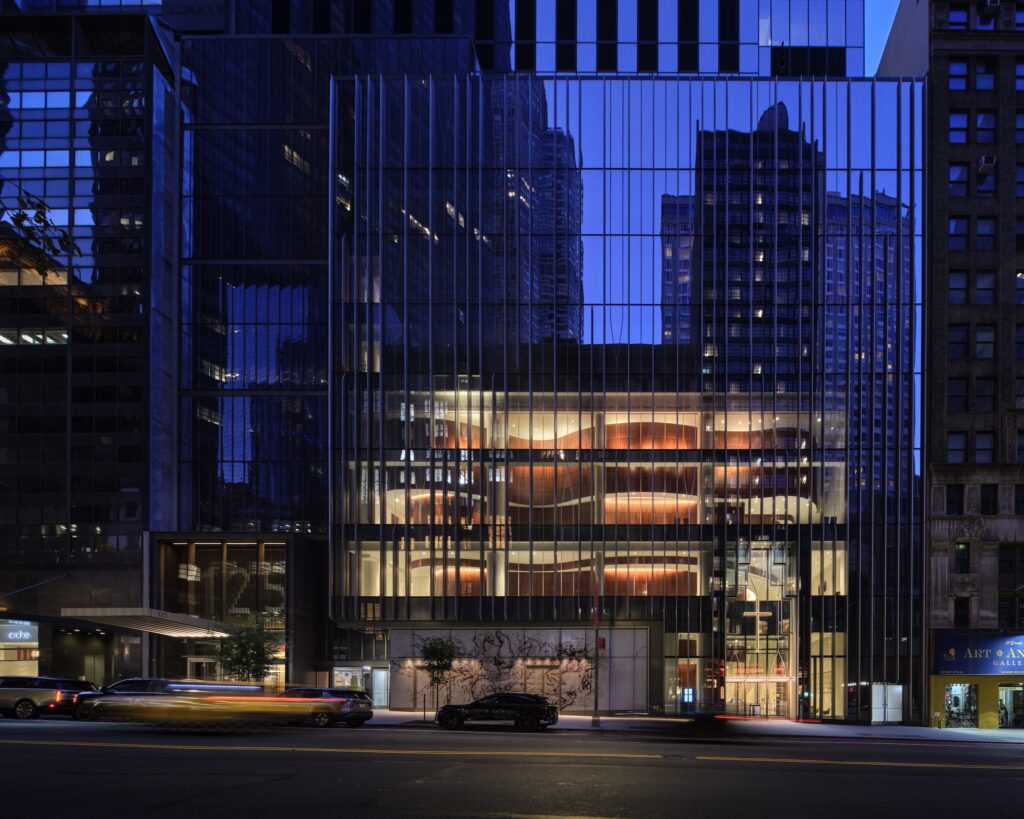
How a Hybrid Building Helped an Historic Manhattan Congregation Remain in Place
On Billionaire’s Row, FX Collaborative designed a new home for Calvary Baptist Church combined with an office tower.