



March 18, 2026
Deanna Van Buren Is Designing Justice and Belonging in Detroit
Detroit is rebuilding again, and this time the stakes feel different.
As cranes rise and historic structures are reimagined, the city is asking an old question in a new way: Who is this renaissance really for? It is also a question that Deanna Van Buren has spent years sitting with.
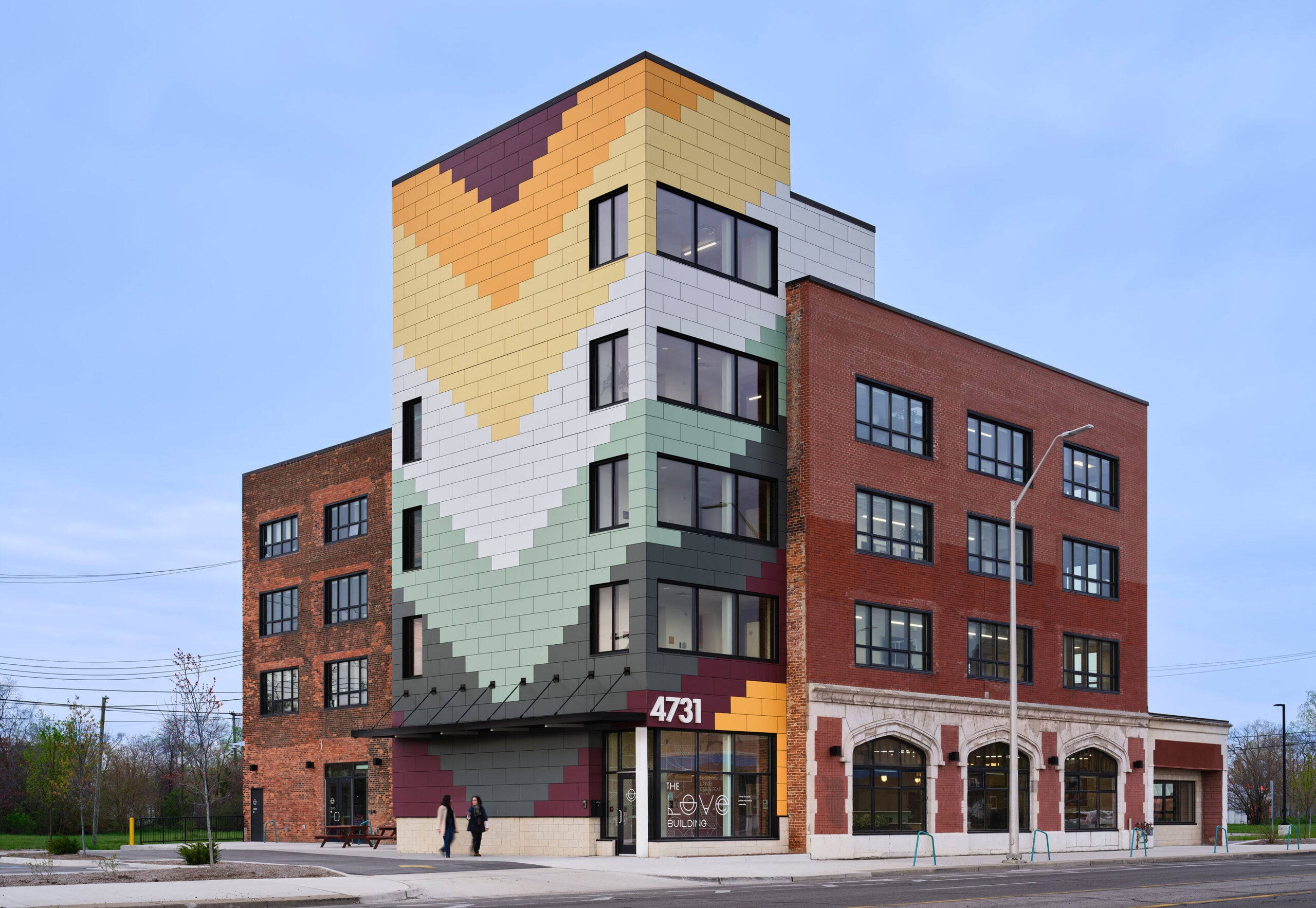
Van Buren is the founder of Oakland-based Designing Justice + Designing Spaces (DJDS), a practice built on a bold premise: Architecture should do more than look good. It should repair, hold, and protect. In Detroit, her inclusive design processes take physical form in the LOVE Building, a space that feels less like a commissioned project and more like a promise kept.
Deanna Van Buren’s path to the LOVE Building did not begin in Detroit. It began with a growing discomfort inside a profession she knew well.

Reimagining Design’s Role in Detroit’s Future
Raised in Virginia, Van Buren spent years overseas doing corporate architecture work, fluent in the systems that reward scale, capital, and prestige. Still, something felt misaligned. “Most architects work for corporate or institutional clients because that’s where the money is,” she says. “But doesn’t everyone deserve good design that’s beautiful, caring, and supportive?”
That question became a line she could not cross back over. “I made the decision that I was going to use public interest design to develop an infrastructure for restorative justice as a totally different way of doing justice,” Van Buren says.
That decision clearly echoes in her work in Detroit. In a city where the bones of the auto industry still shape the skyline and a renaissance is unfolding block by block, “development” can mean anything. It can mean restored landmarks, new tenants, fresh sidewalks, and progress you can touch. But it can also mean communities pushed to the margins, culture extracted, and neighborhoods treated like blank canvases instead of living ecosystems.
A Community Hub Leads The Way
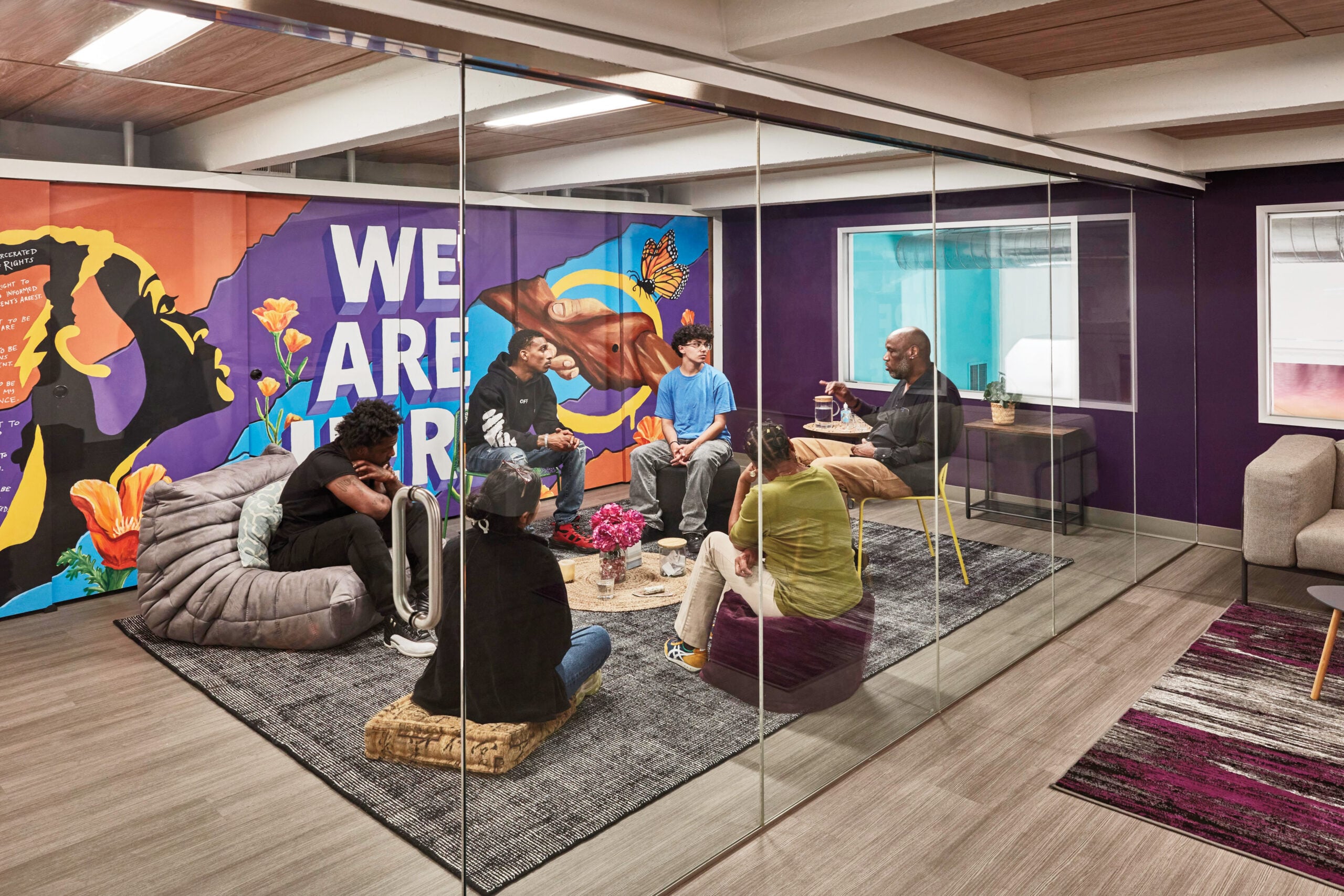
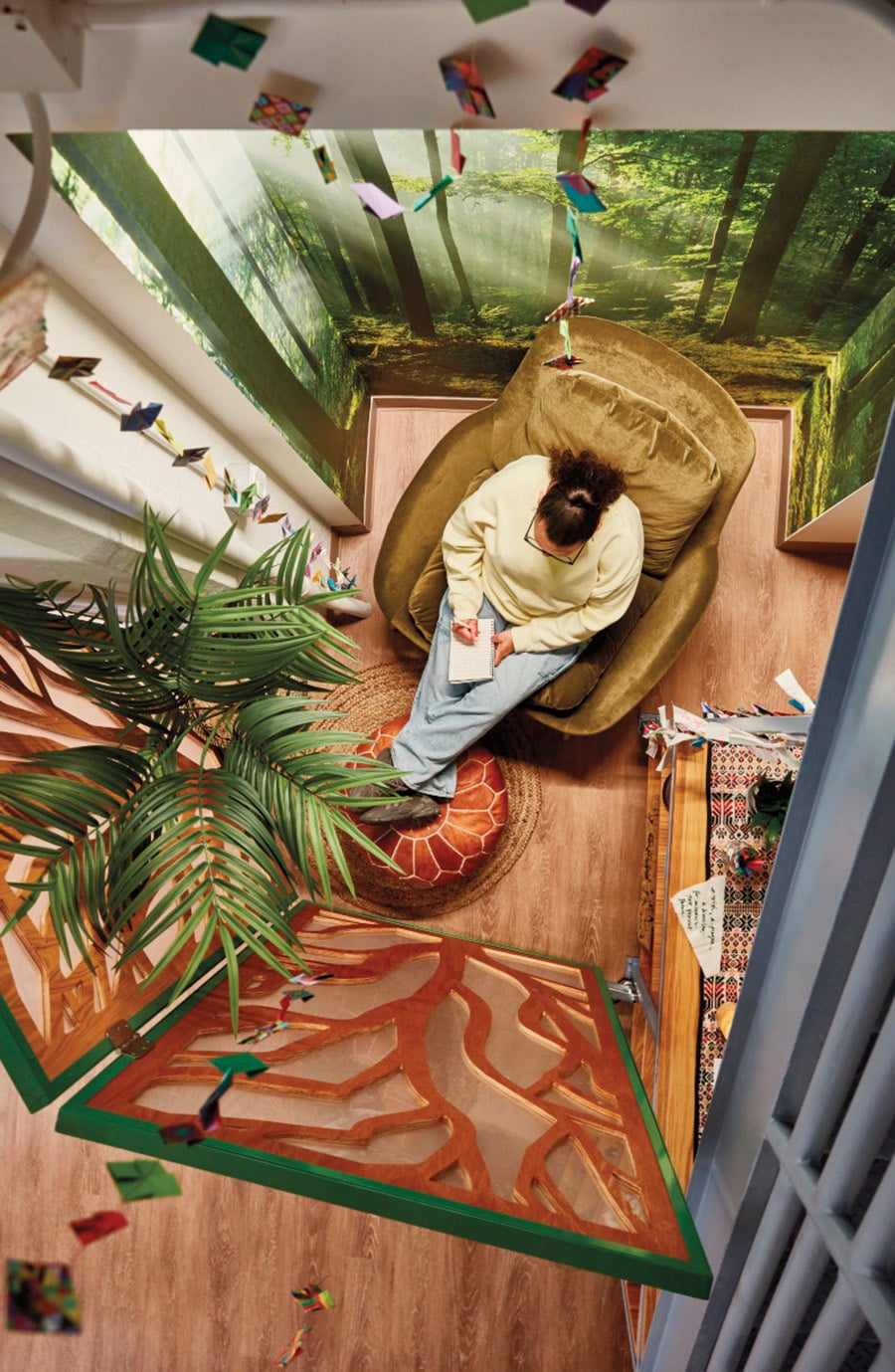
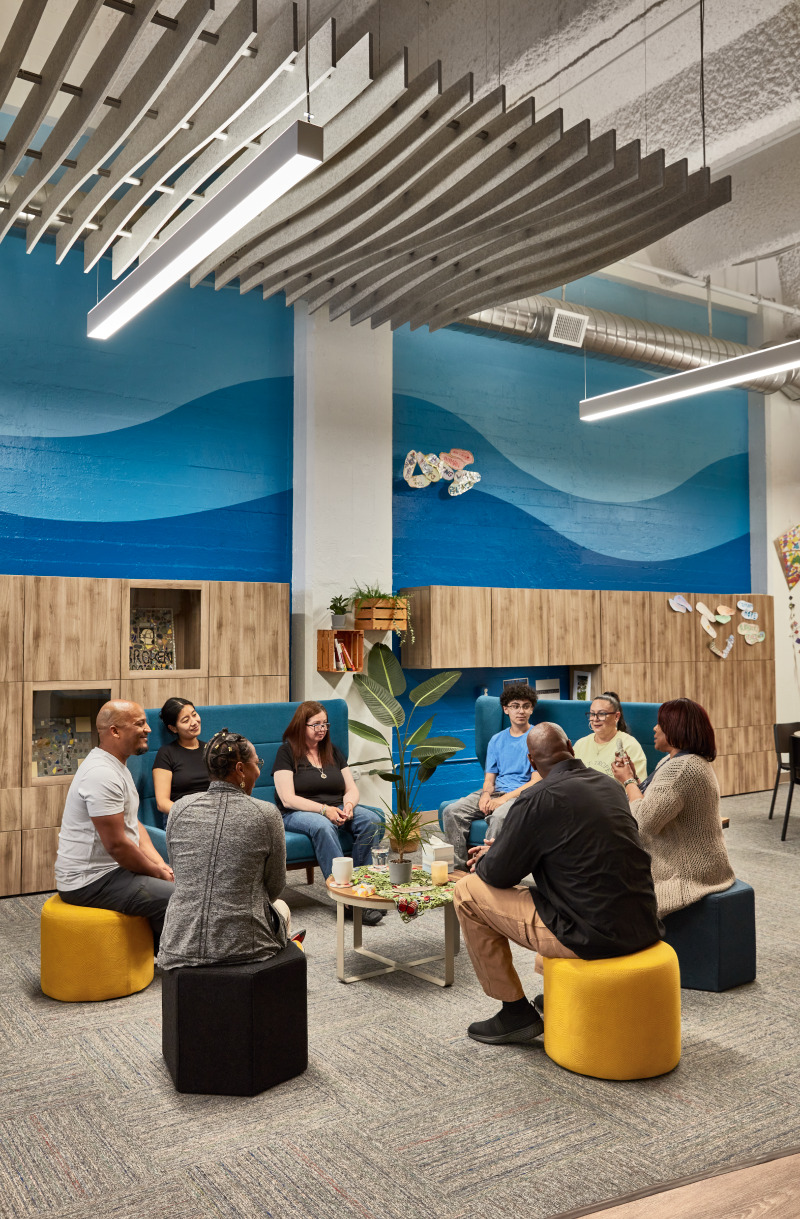
The LOVE Building, which opened its doors in September 2024, is one answer to some of these tensions. The collaboration started when Detroit-rooted organization Allied Media Projects (AMP) wanted a space that could house multiple Detroit-based social justice organizations. It wanted a building that was aligned with its shared values around liberation, care, and collective transformation.
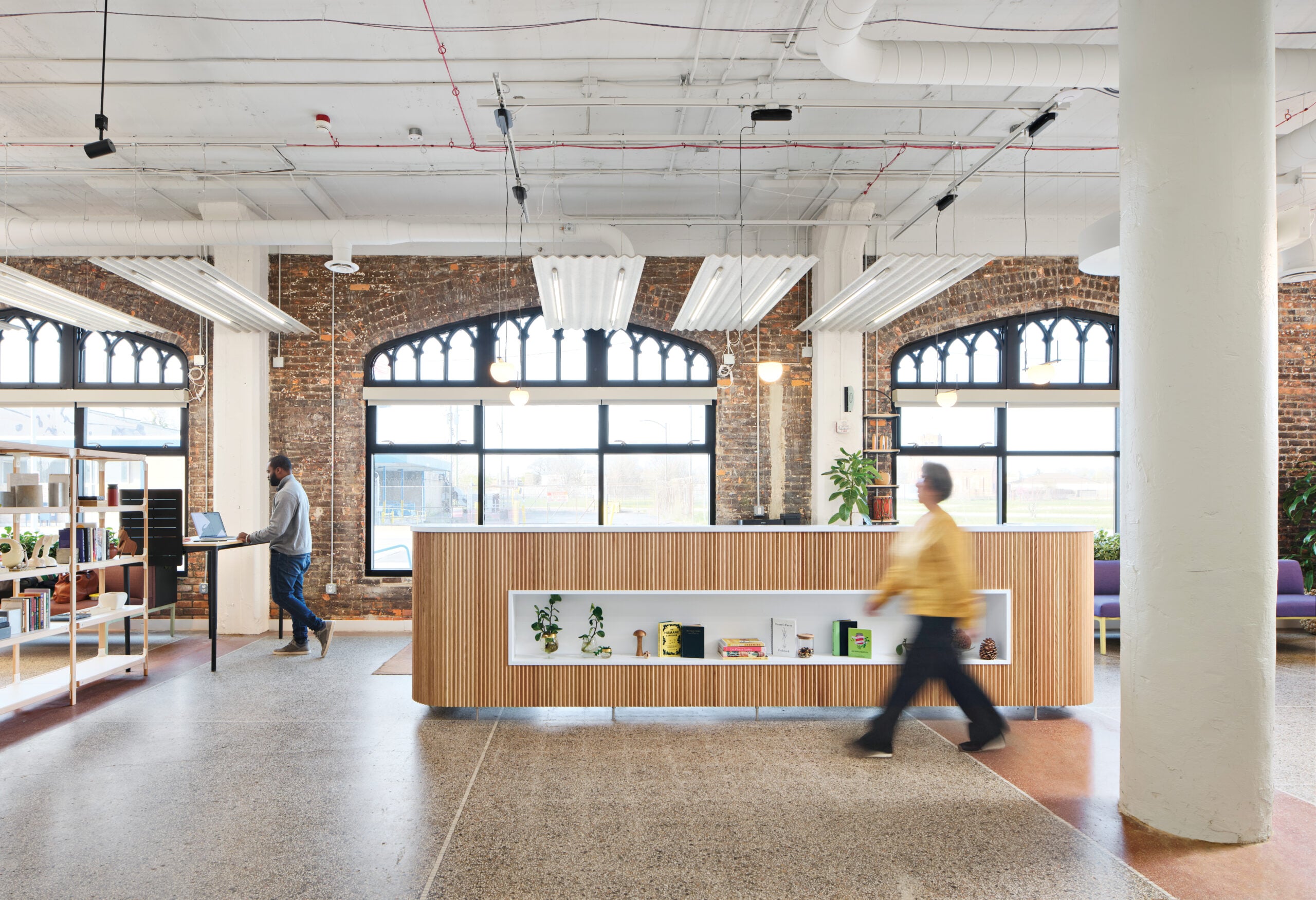
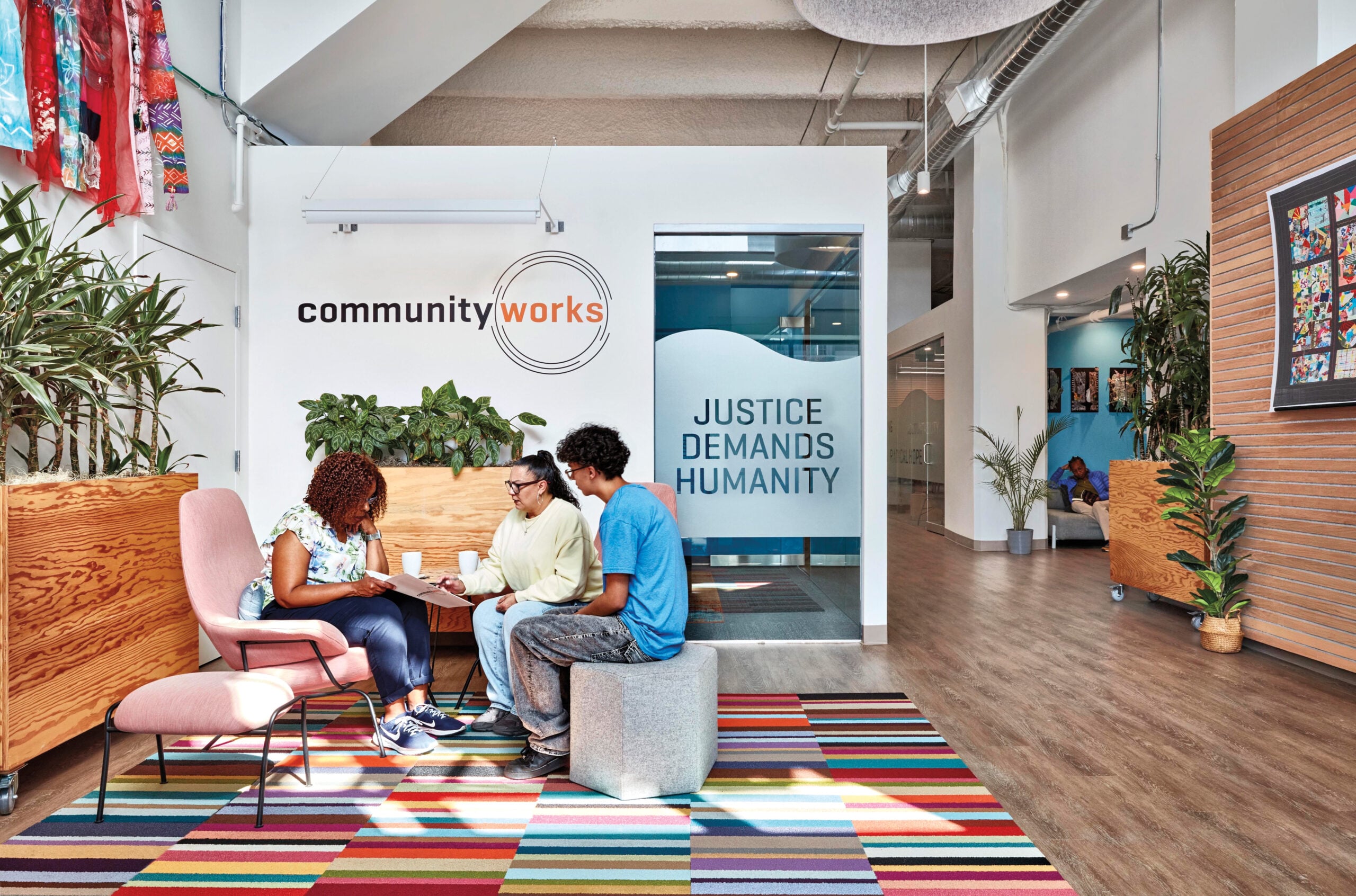
From the outside, the building signals openness rather than authority. Its relationship to the street is intentional, transparent, and inviting. Inside, the space unfolds with clarity, natural light moves throughout generously, and circulation is intuitive. It is a space that does not ask visitors to shape-shift, code-switch, or prove the organization’s legitimacy at the door, and there is no moment where you wonder if you are allowed to be there. “The building is meant to care for people, not manage them,” Van Buren says.
Van Buren and her team worked closely with AMP and with architect of record Quinn Evans. When Saundra Little, principal and director of diversity and inclusion at Quinn Evans, reached out to Van Buren to collaborate, she noted how beautiful the existing building was. “Structurally, it was everything you would want. But it became apparent very quickly that you could not just renovate one floor,” she explained. “If we were going to do this right, the entire building needed a master plan.”
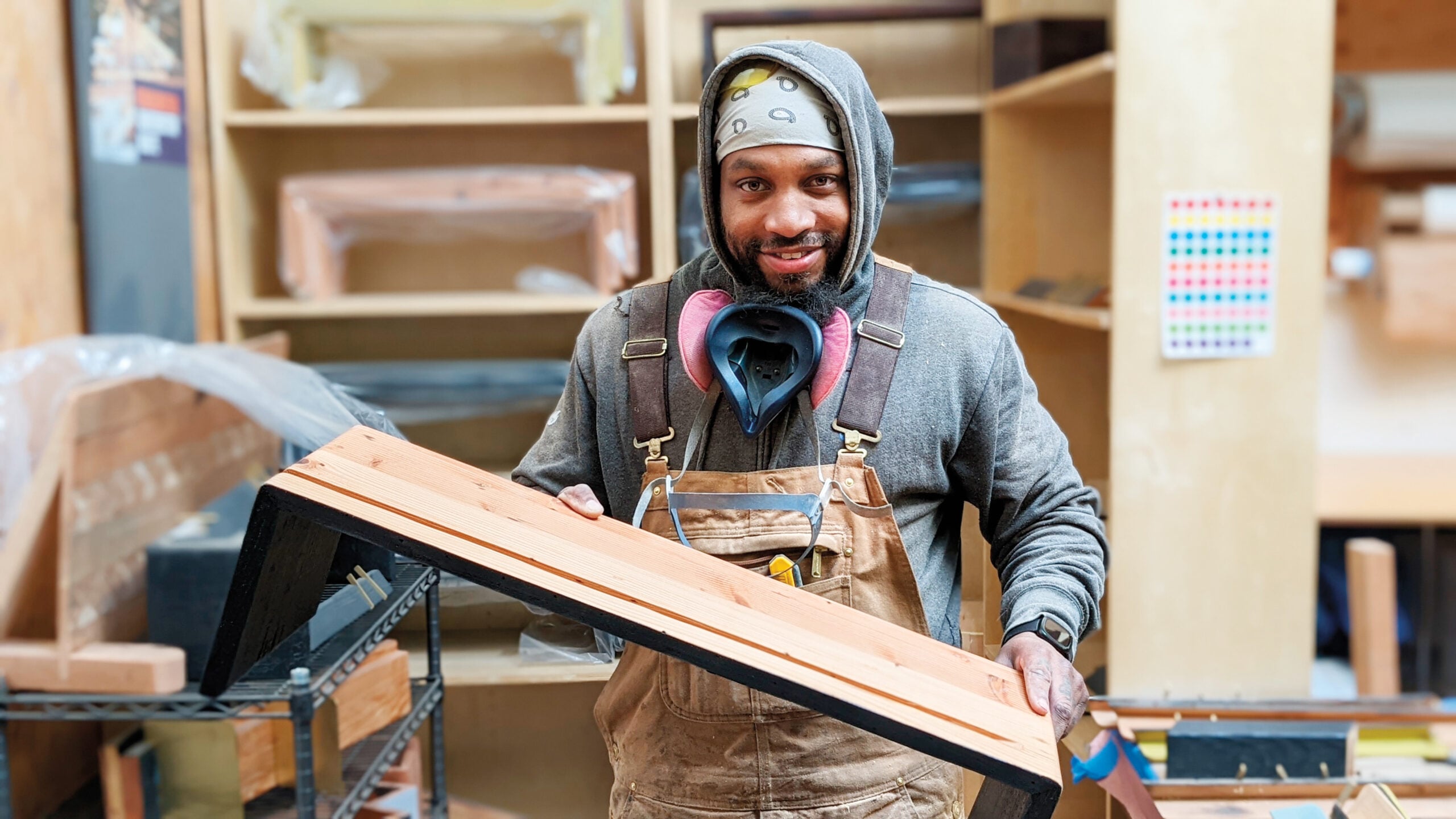

DJDS entered the project as design lead, supporting both the architectural vision and the real estate strategy. Van Buren’s team helped develop early plans, renderings, and the pro forma that allowed AMP to begin fundraising and securing financing. DJDS has also acquired nearby land, with plans to expand the vision into a broader campus rooted in regenerative development and community ownership.
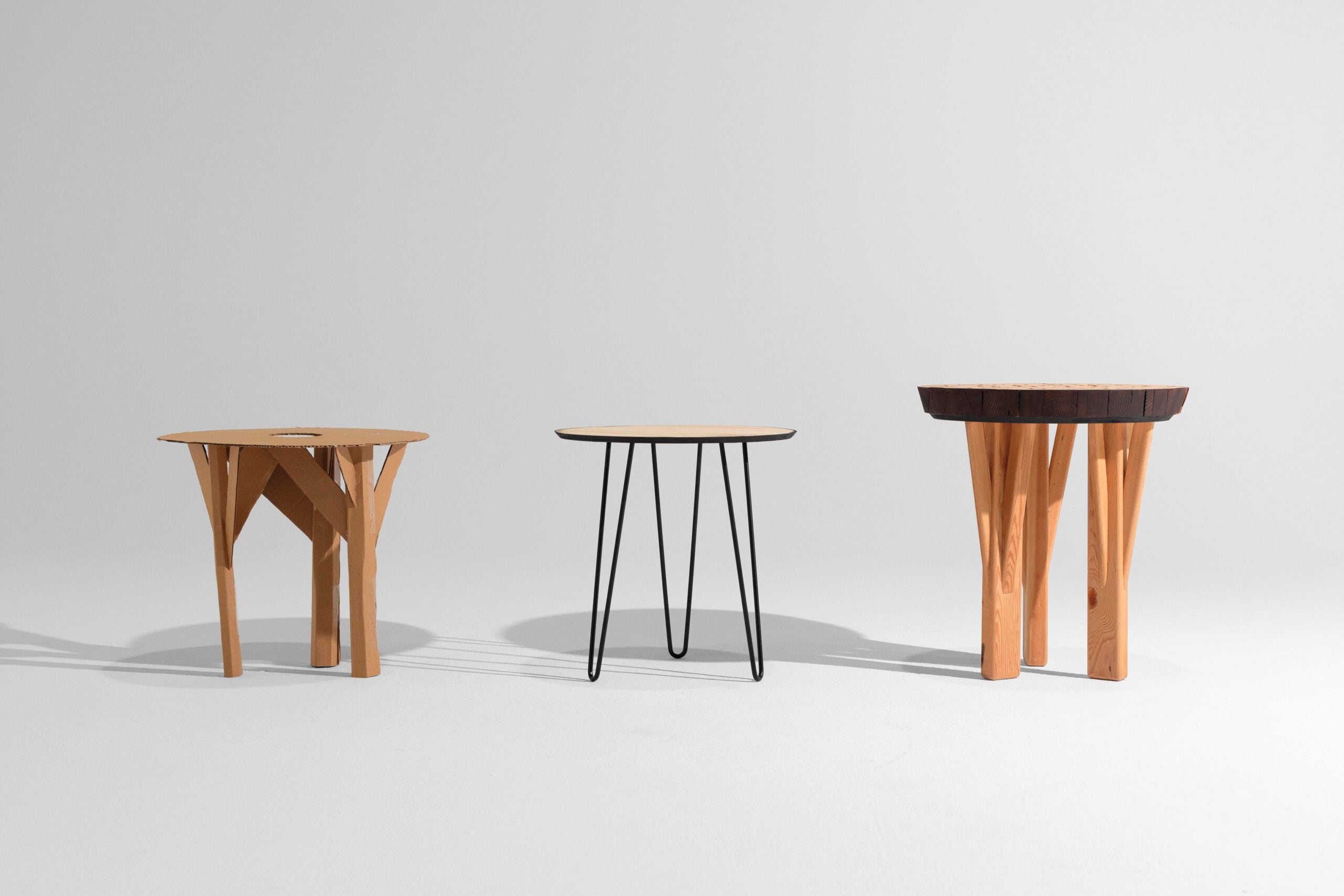
The teams continued to collaborate through workshops and design sessions along the way, ensuring that decisions reflected lived experience rather than assumption.
Designing for Inclusion
The approach to accessibility was just one thing that emerged from those early workshops. Throughout the project, accessibility was not treated as a constraint but as a design driver. “At first, the thought was that we would create a ramp from the back of the building,” explains Little. “But then the question was asked: why do people with disabilities have to enter from the back?” That reframed the work. “Instead of working around the building, we realized we could change the building.” Floors were leveled, entrances reoriented, and access moved front and center, not hidden or secondary.
Today, the building is home to seven distinct nonprofit organizations, each doing work rooted in justice, culture, and care. According to Kwaku Osei, the building’s executive director, “The building does not flatten their missions. It amplifies them.”
The LOVE Building stands as proof that justice can be designed, access can be beautiful, and care can be structural. Van Buren believes creativity is essential to this. “Creativity is an antidote to fear and apathy,” she says. “Now is the time to be dreaming and preparing at the same time.”
Would you like to comment on this article? Send your thoughts to: [email protected]
Recent
Viewpoints
Detroit Month of Design: A City’s Work in Progress
Now in its 16th year, the celebration offers insights into the Motor City’s ongoing accomplishments without glossing over its hurdles.
Projects
How a Hybrid Building Helped an Historic Manhattan Congregation Remain in Place
On Billionaire’s Row, FX Collaborative designed a new home for Calvary Baptist Church combined with an office tower.