



May 25, 2026
What Happens When Sustainability Drives Design
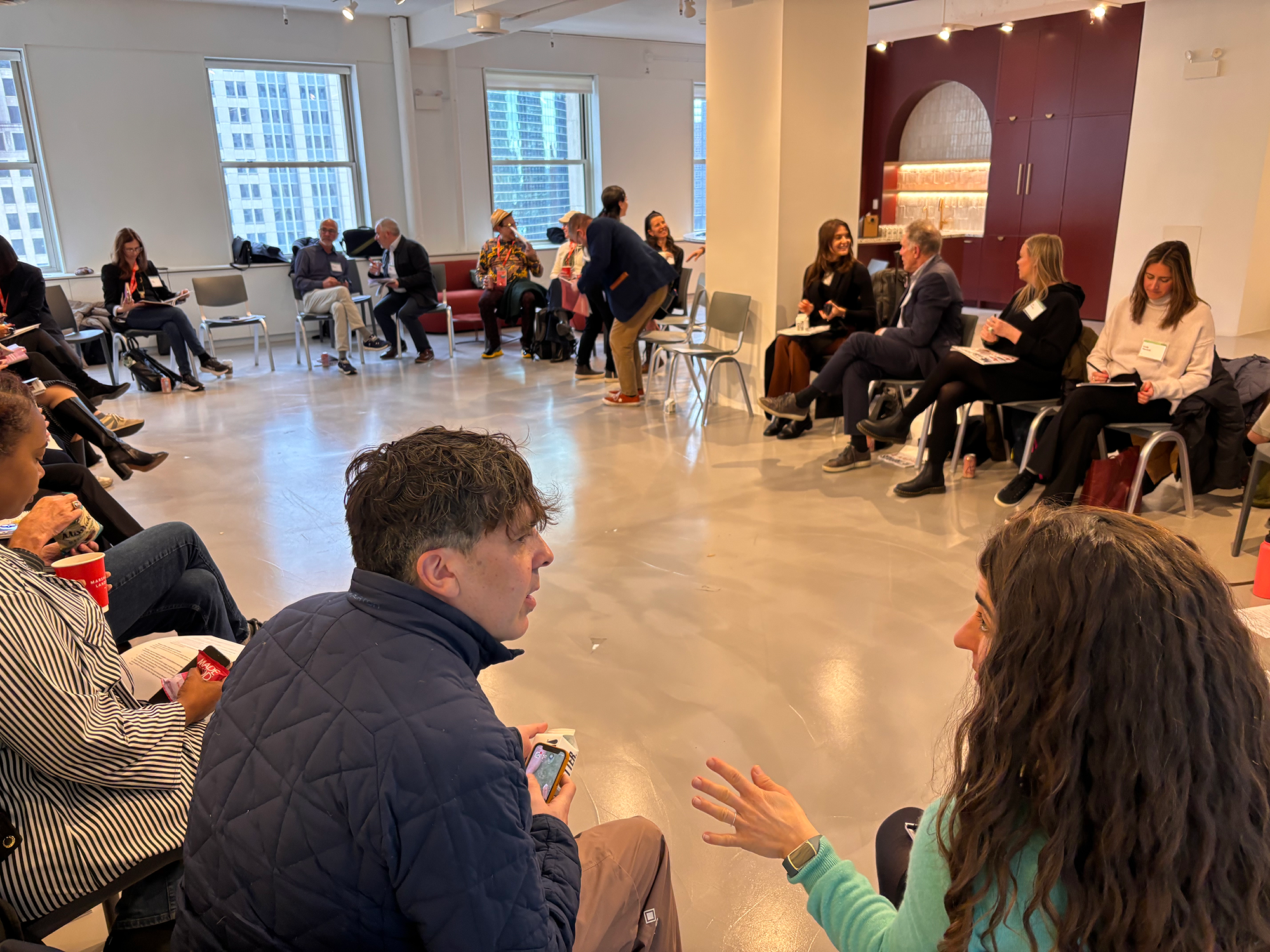
The METROPOLIS Sustainability Leadership Summit in Chicago brought together designers, educators, and industry leaders around two interconnected questions: how sustainability can move from compliance to aesthetic expression, and how education can better prepare the next generation for practice.
A strong thread emerged around expressing sustainability as a creative language. The prompt, “What does sustainability look like when it becomes a driver of form, beauty, and narrative rather than a checklist?” kicked off a discussion about the connection between aesthetics and sustainability. One participant said, “I would love to get to a future place where a second-life piece of furniture is deemed beautiful.” As one leader put it, in our industry new is often synonymous with beautiful, which means sustainability is still being bundled onto an existing definition of value. In many ways, we are in the middle of a fascinating language shift.
When Sustainability Shapes Form
Another participant spoke to how we need a culture where impact, inclusion, and sustainability are all part of a project’s baseline value, giving performance and impact equal weight. “The most successful projects I see are the ones where we can decide upfront that we’re not going to compromise,” said Emily Purcell, sustainable design lead for CannonDesign. Can the industry unbundle “new” from “beautiful” and instead connect beauty or aesthetics to dignity, community, empowerment, and care? The group discussed how sustainability can be framed beyond a constraint, as something that can shape the story and the design of a project.
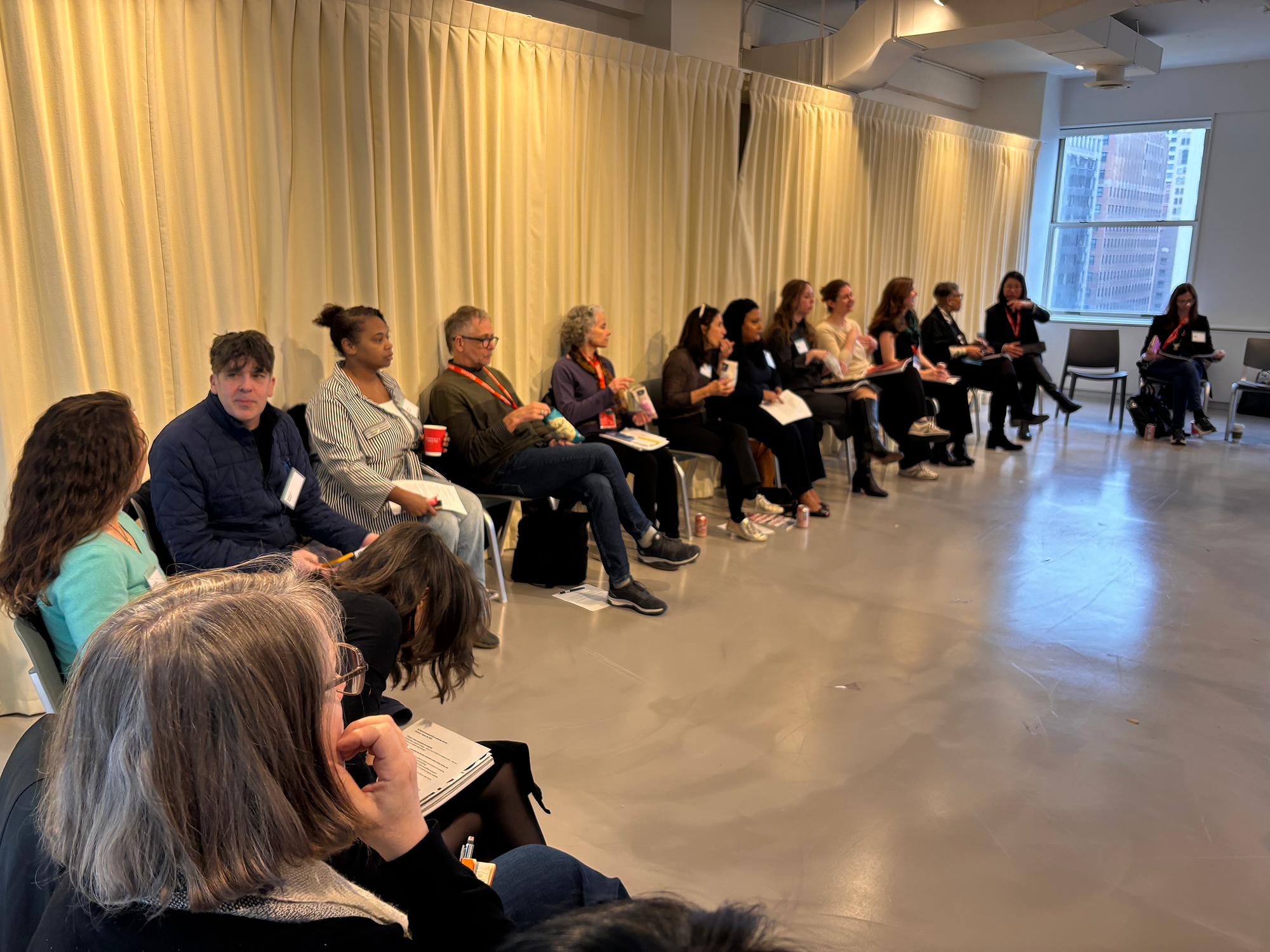
The Summit, sponsored by Material Bank, Formica, Interface, iF Design, and Shaw Contract, was held alongside the Interior Design Educators Council conference, and so the conversation benefited from a notable presence of educators in attendance. Design educators brought valuable perspective, and for the second half of the afternoon conversation, the group focused more directly on design and education. With the prompt: “How can industry, educators, and practitioners work together to support sustainability education right now?” leaders discussed the need for more experimentation and creativity in solving sustainability challenges, and the importance of asking why we design the way we do.
Preparing the Next Generation of Practice
Often, we prioritize the how, focusing on metrics and checklists. This led to a conversation about how young interior designers are being taught, and how classrooms can foster more collaborative and “different” thinking. The foundational skills students need to build portfolios and prepare for their first jobs are paramount, but there needs to be space for students to experiment and think about the why. A few leaders pointed out that sustainability education doesn’t stop in school. A commitment to designing sustainably is a baseline for these leaders, and they agreed that it requires curiosity, renewed purpose, and a lifetime of continuous learning.
Across both discussions, one idea carried through: the industry needs to create stronger bridges between classroom and practice so that emerging designers are not only ready for their first jobs, but can also see the broader possibilities and impacts of design.
Would you like to comment on this article? Send your thoughts to: [email protected]
Latest
Projects
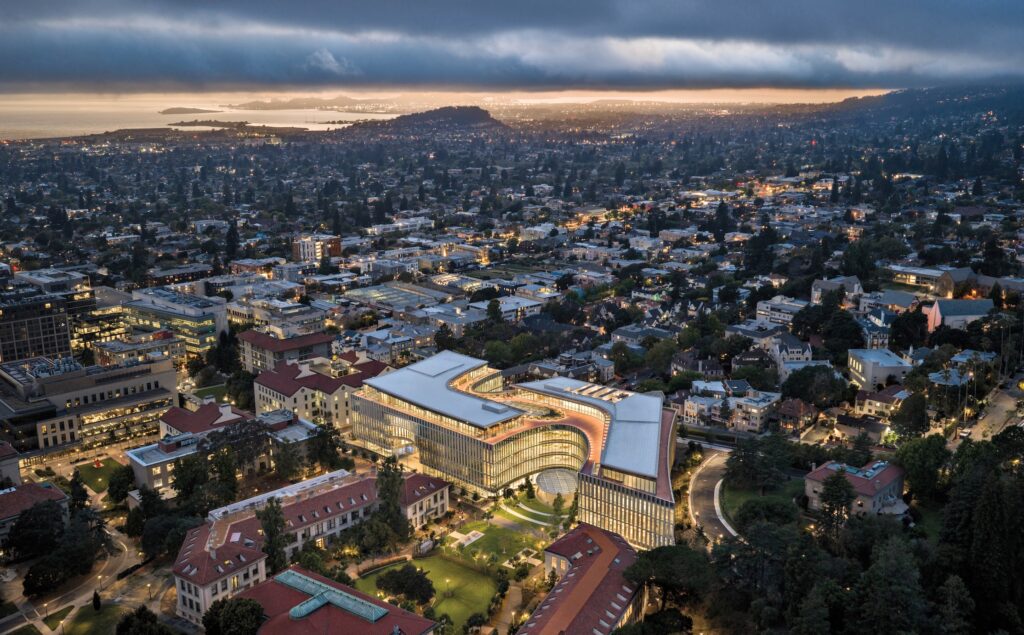
UC Berkeley’s Newest Building Is All About Human Interactions
The long-awaited project highlights uncomfortable truths about Los Angeles’s cultural sector and civic health.

Projects
ZD+A Brings a Modernist Mexico City House in Line with its Context
Architect Yuri Zagoin Alazraki reorganized the speculative house to respond to its site and create unique spaces for contemplation.