




March 14, 2024
Architecture for London Creates Passive Homes Without Compromising Aesthetics


“We used to have to convince clients of our approach,” says Architecture for London director Ben Ridley. “Now they request it from day one.”
One recent client is a case in point. Having found themselves the new owners of a dilapidated five-story Georgian townhouse in east London after a successful bid at auction, a couple sought out an architect who could transform it into a low energy place to live. They turned to Architecture for London.
The 2,120-square-foot house had an outwardly impressive shell but a challenging interior that had been split into bedsits. According to Ridley, “The major challenge was integrating low-energy refurbishment within a listed building in a conservation area, aiming for a fossil fuel-free, warm, and comfortable family home.”
The building’s protected status meant that the design team needed to minimize major structural alterations or extensions, an approach that also helped reduce the project’s embodied energy. As many of the building’s original materials were preserved as possible, including external stone paving and internal timber floor finishes throughout.
The major interventions saw the introduction of internal wall and roof insulation and improved glazing to stop heat escaping. A combination of clay and lime plaster finishes were used throughout to improve airtightness further, while also creating a palette of natural tones. Finally, a mechanical heat recovery system was installed to provide heat recovery and keep fresh filtered air in the property.


According to the studio, the house is fossil fuel free, with an air source heat pump in the rear garden powering the underfloor heating, and a solar panel on the roof providing hot water. Meanwhile, rainwater is captured and recycled.
According to Ridley, the completed project stands as an example of what can be done with a forward-thinking client and an architect that takes sustainable principles seriously.
“We have observed a growing interest among clients, driven by a desire for energy-efficient and comfortable homes,” he says. “This reflects a broader trend towards sustainability in architecture. The opportunity [with this project] was in leveraging the challenges to show what is possible across London.”
Would you like to comment on this article? Send your thoughts to: [email protected]
Latest
Viewpoints
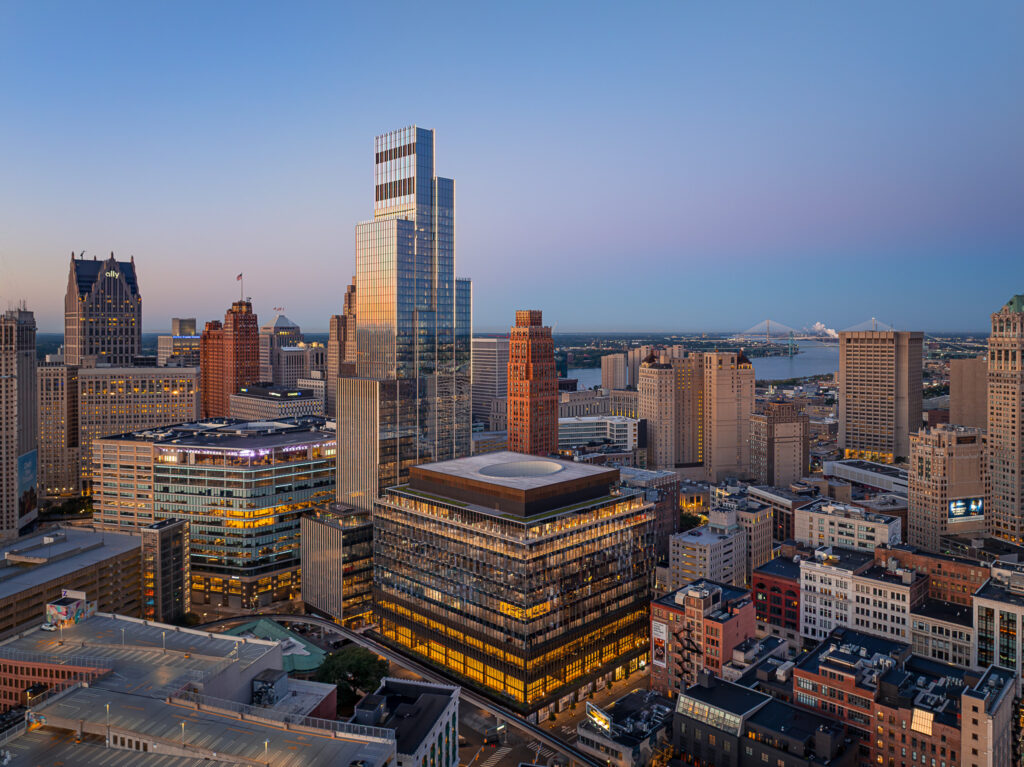
Detroit Month of Design: A City’s Work in Progress
Now in its 16th year, the celebration offers insights into the Motor City’s ongoing accomplishments without glossing over its hurdles.
Projects
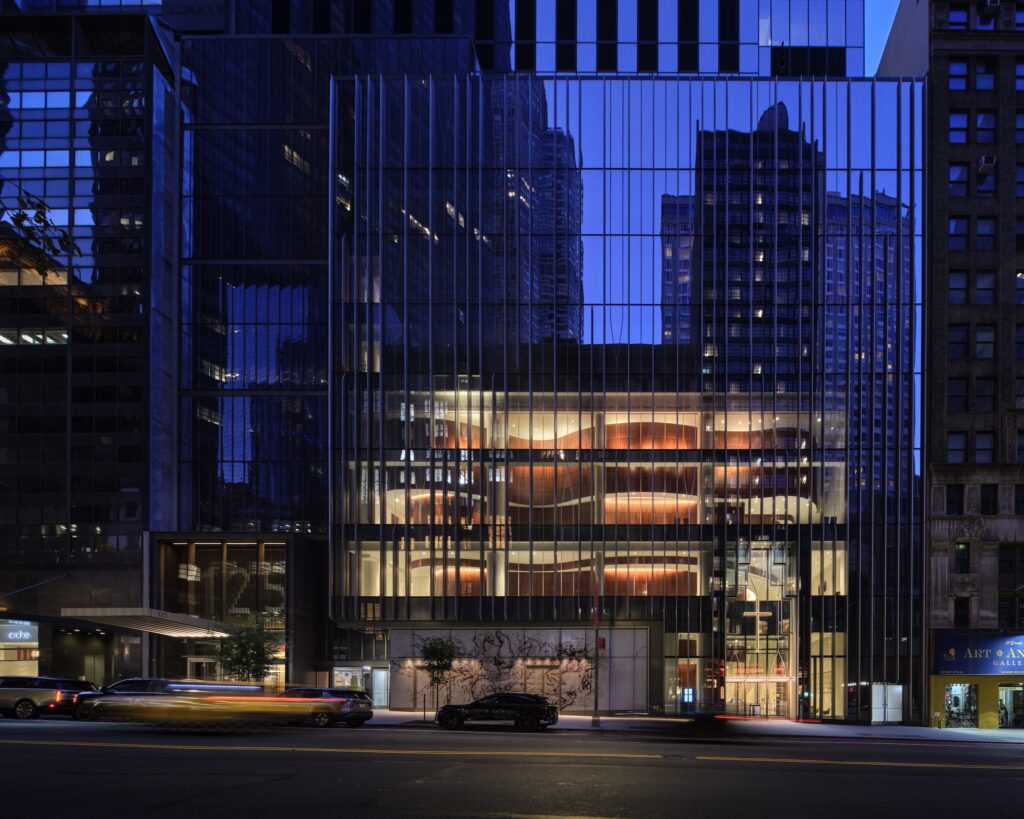
How a Hybrid Building Helped an Historic Manhattan Congregation Remain in Place
On Billionaire’s Row, FX Collaborative designed a new home for Calvary Baptist Church combined with an office tower.
Projects
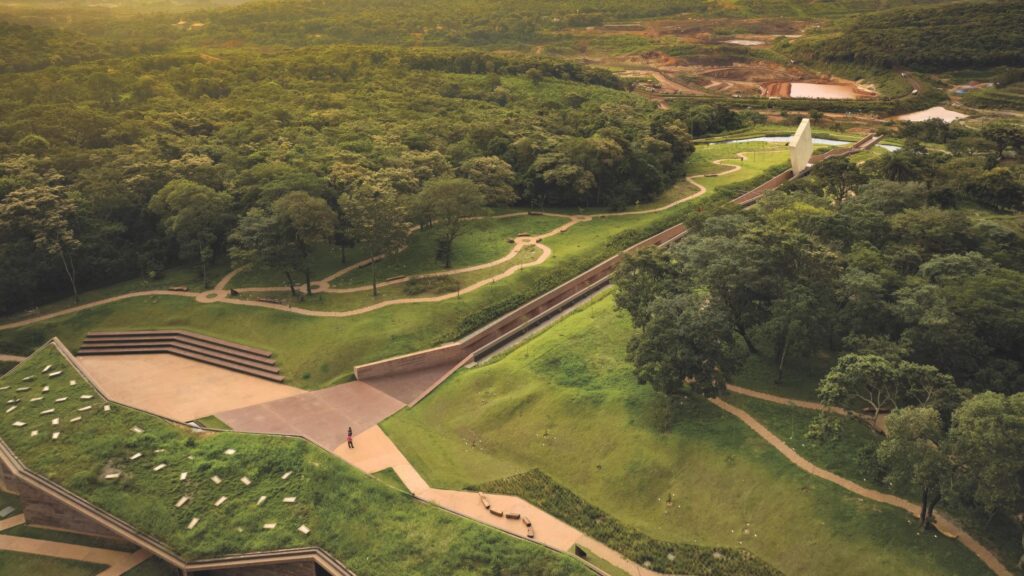
The Brumadinho Memorial Is an Exercise in Memory and Materiality
Designed by Gustavo Penna Arquitetos Associados, the memorial was built to honor the 272 victims of the collapse of Brazil’s Mina Córrego do Feijão tailings dam.