



October 6, 2025
Calder Gardens Brings Stillness to Philadelphia’s Parkway
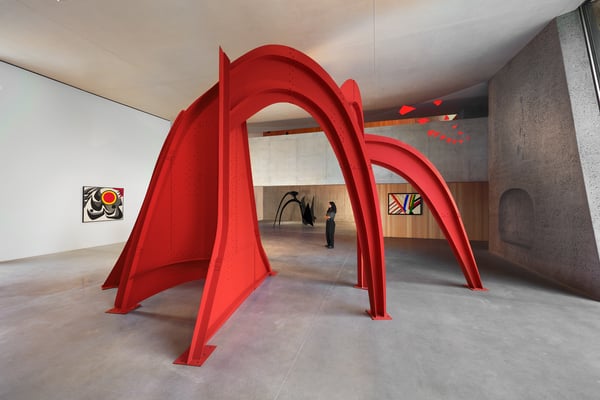
A Living Landscape of Complexity and Calm
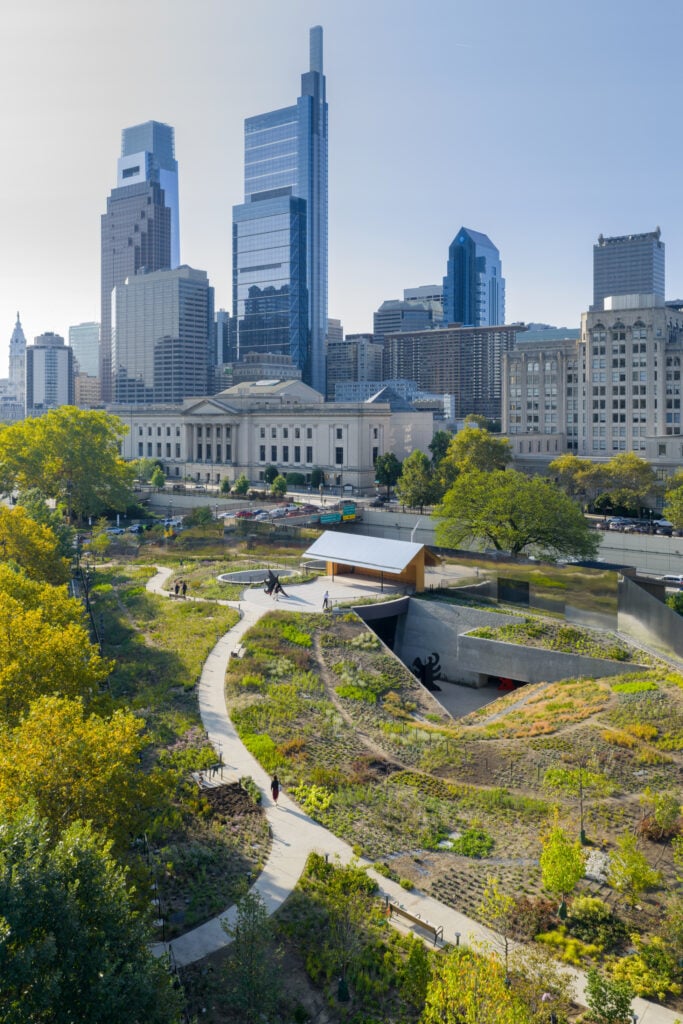
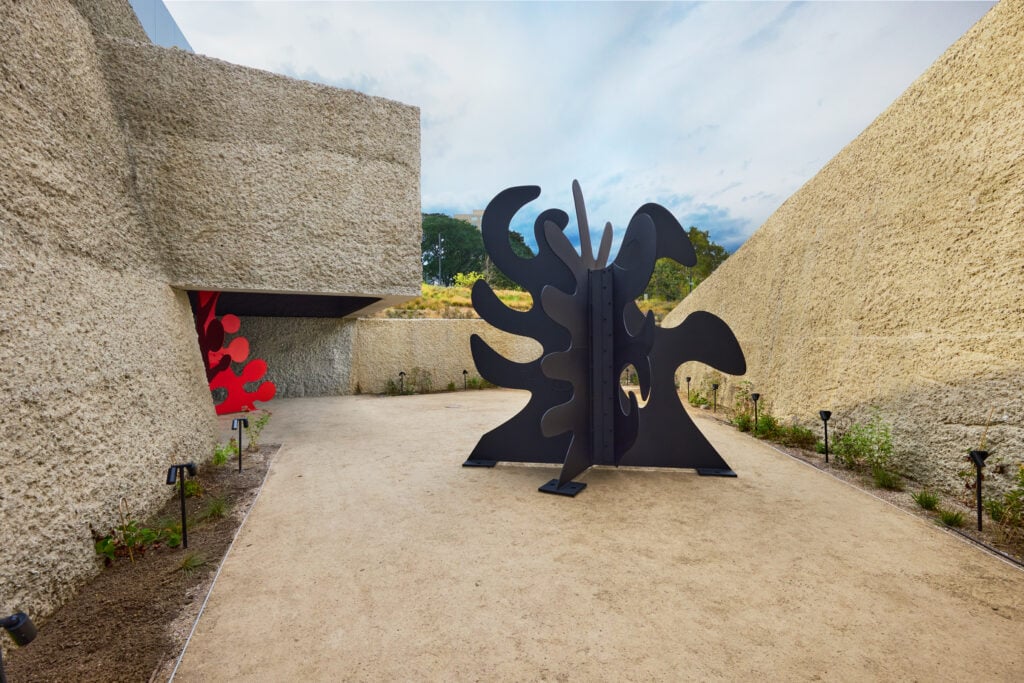
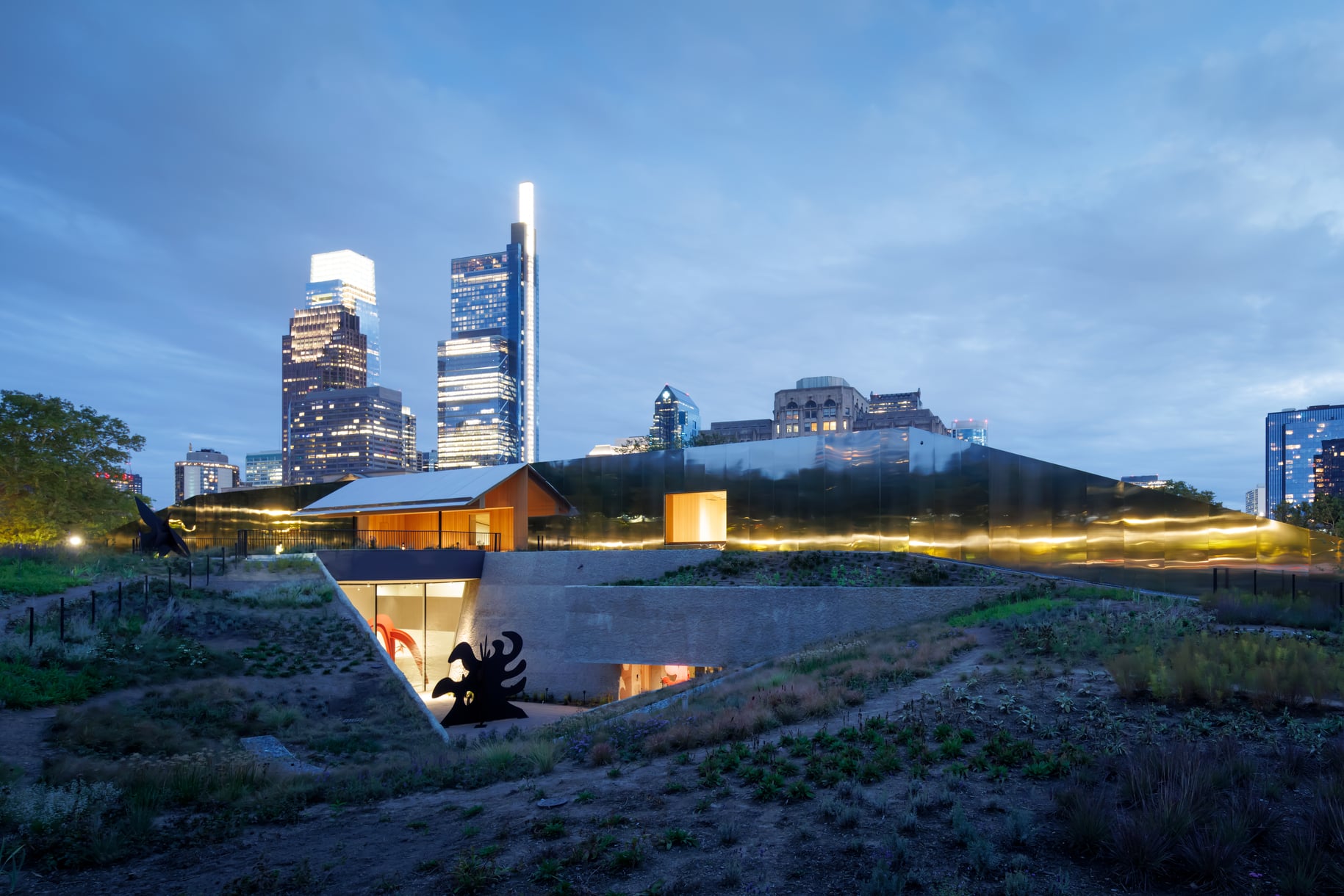
At Calder Gardens, these ideas present across seven distinct areas: the west woodland garden, east and west perennial meadows, prairie matrix, robust border, circle entrance garden, and vestige and sunken gardens. More than 37,000 plants across over 250 varietals were planted this year. They are currently finding their footing, but are expected to fully take shape in the coming years. “This is one of my most complex gardens,” Oudolf says.
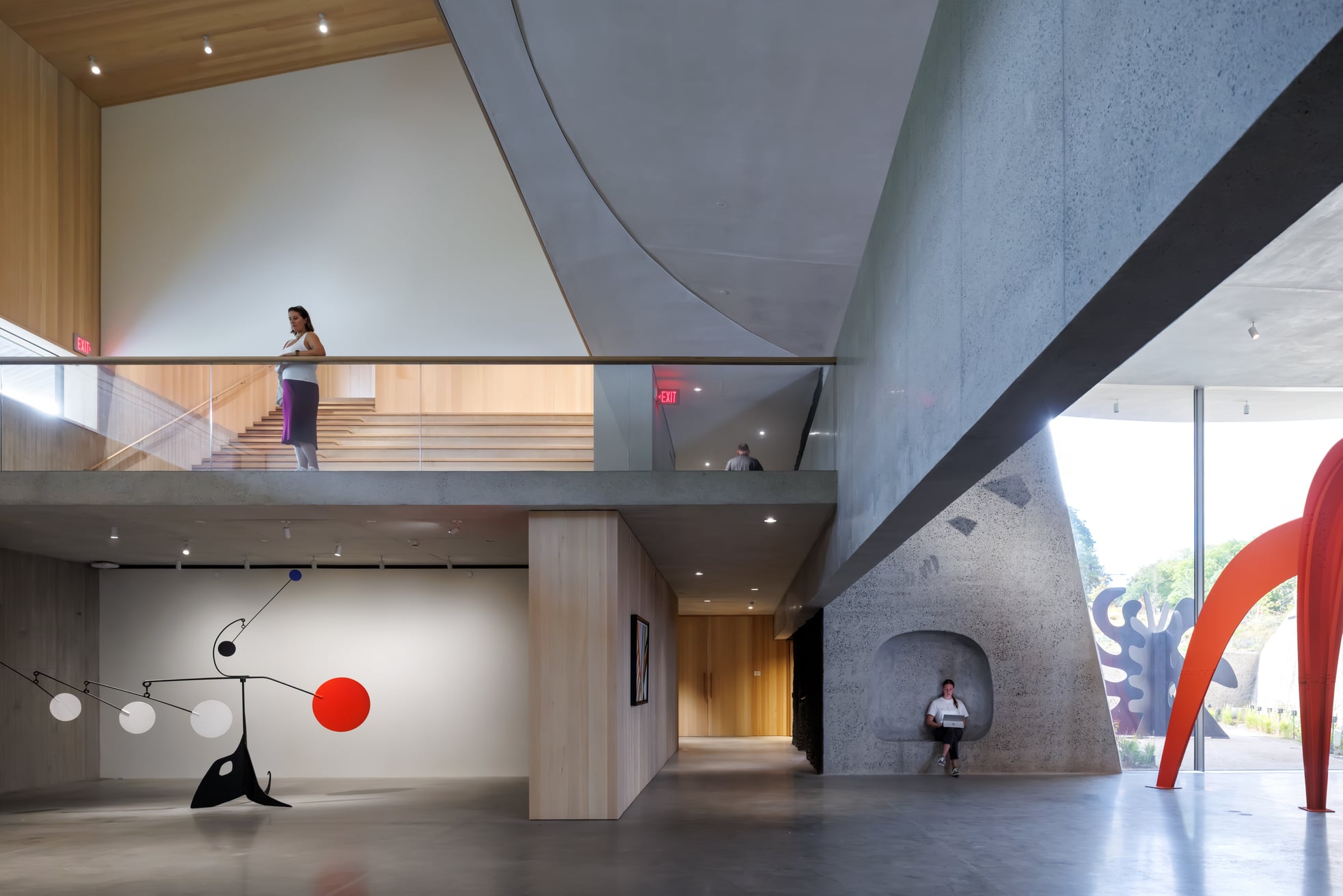
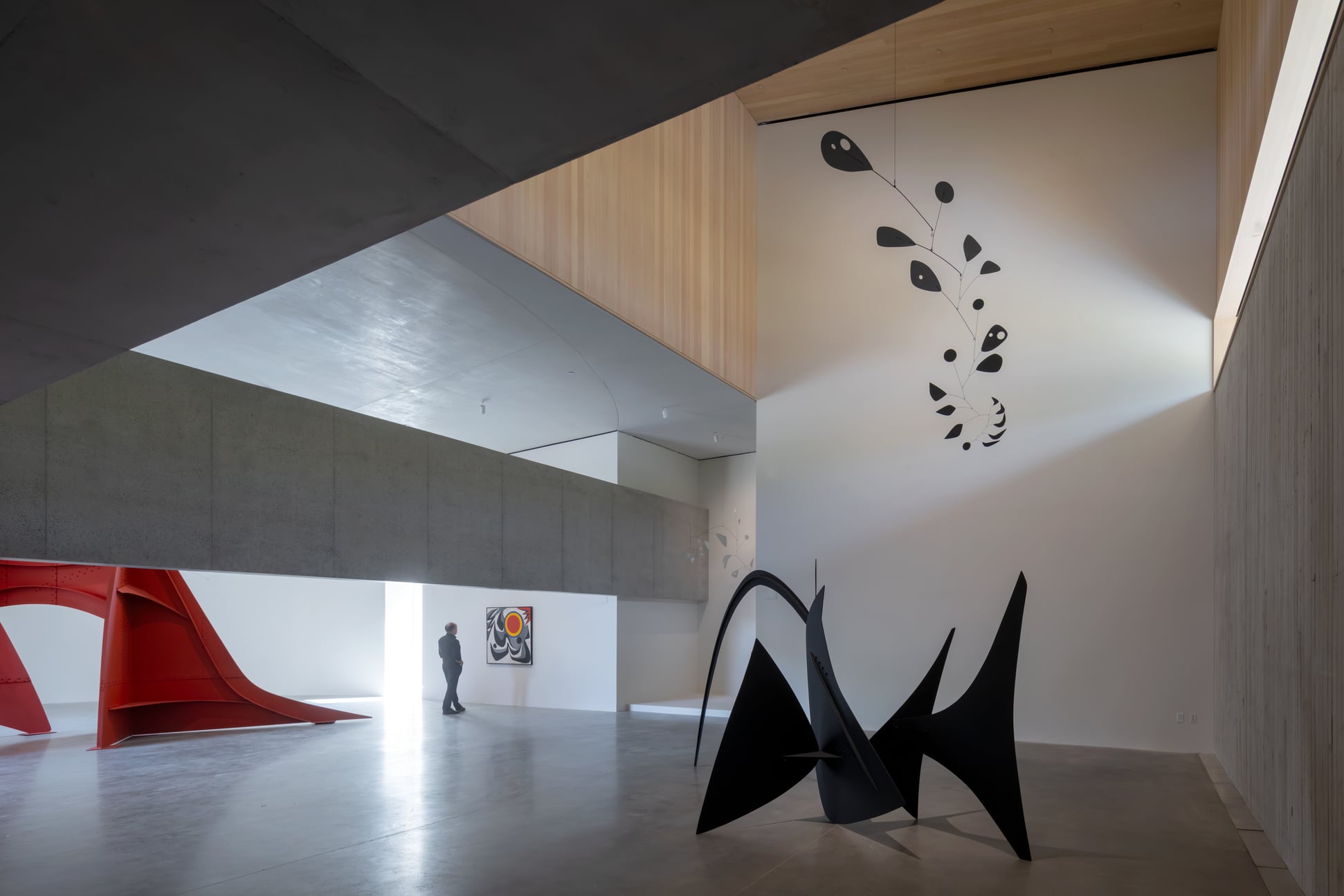
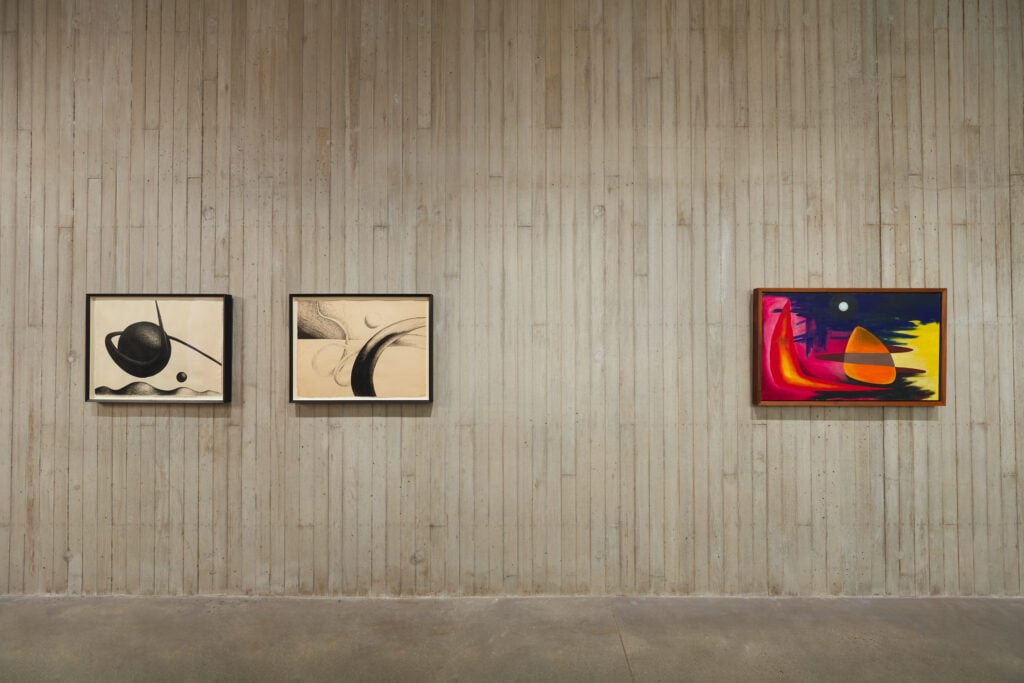
The space is intended as a respite from the chaos of this time. As Calder Foundation President Sandy Rower puts it, if he had his way, the museum and gardens would be phone-free zone. “This is a place where your nervous system will be able to calm a little bit,” he says. “You can’t understand Calder’s work from your intellect—you understand it from your body. It’s a very physical thing and this place being a quiet sanctuary is essential to that.”
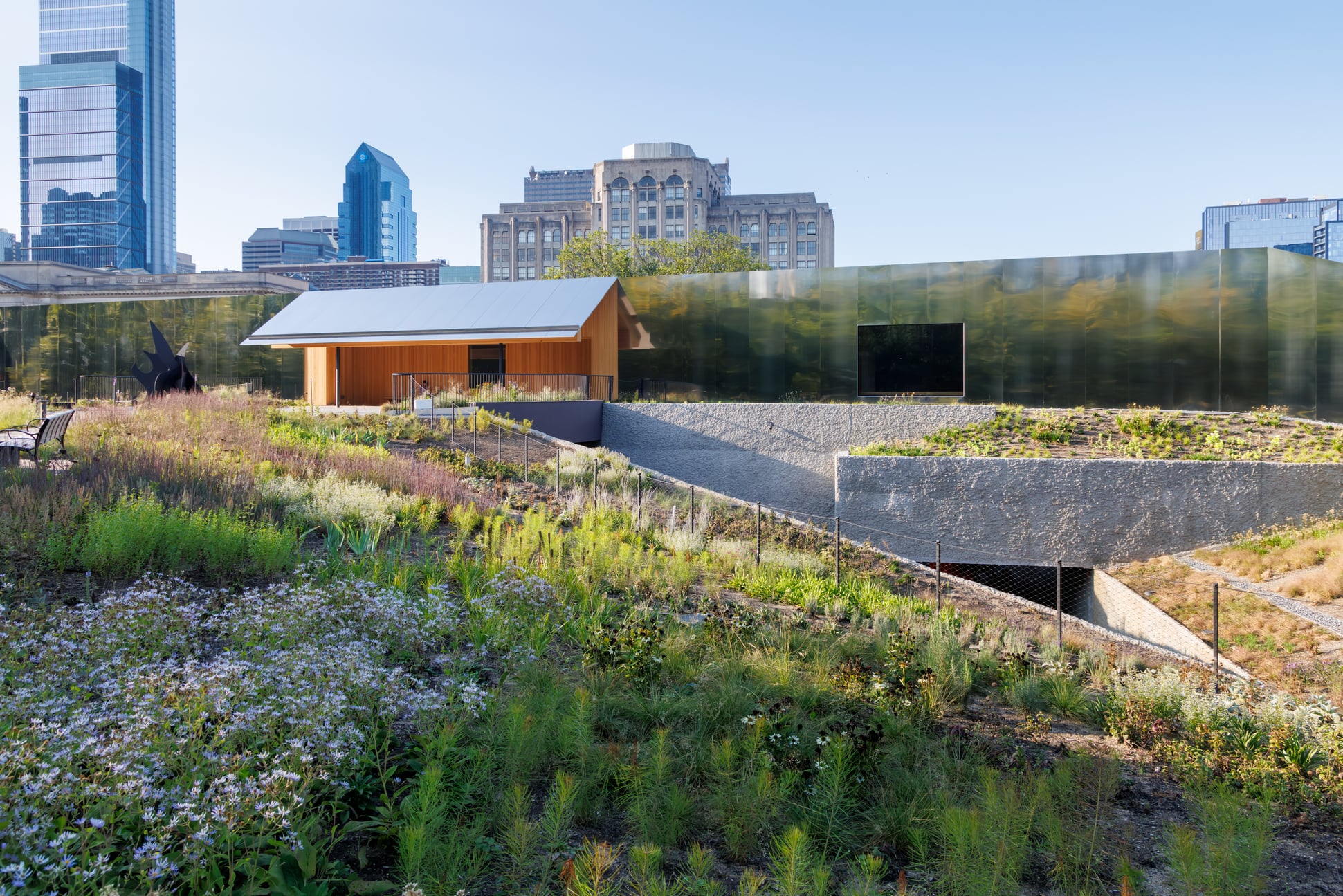
The gardens themselves act as an offering to the city and are part of the museum’s wider mission to create a cultural space that feels accessible, unpretentious, and non-judgemental. Visitors, Philadelphians, and the area’s more than 70,000 residents are now able to meander and sit freely in the gardens during opening hours, and are encouraged to return again and again to watch the garden transform with the seasons and to reconnect with a sense of impermanence and ephemerality.
Reimagining the Parkway as a Place to Belong
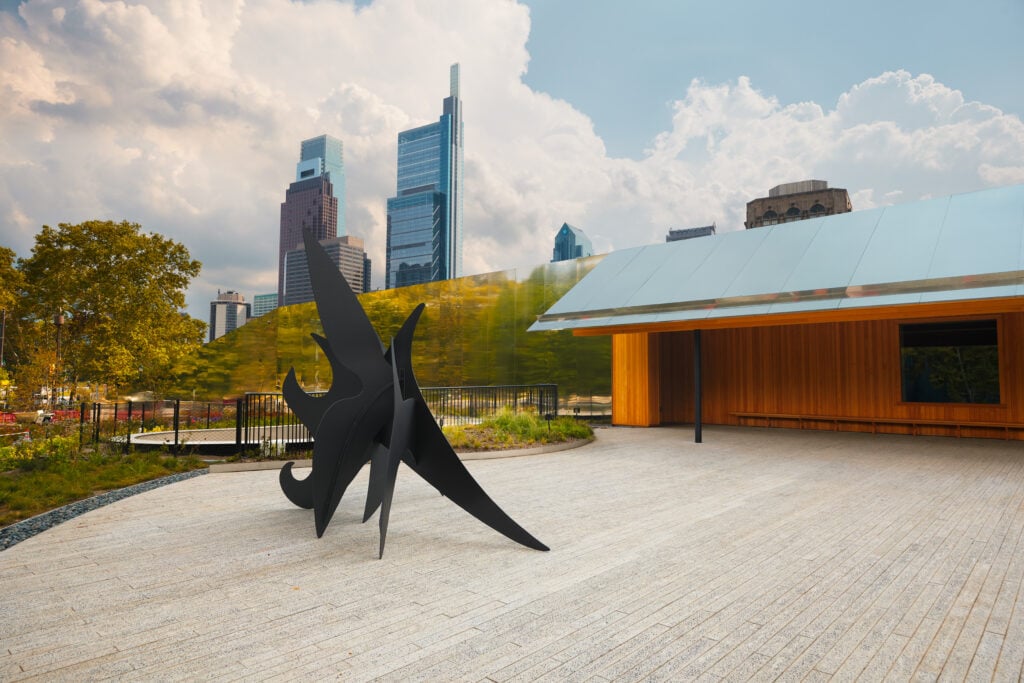
“The project adds a totally different kind of texture and way of using public space along the Parkway from the set back stone facades that are in the area,” says Charlotte Cohen, executive director of the Association for Public Art and board member of the Parkway Council. “That the garden comes right out to the sidewalk makes it feel much more approachable and informal.”
Calder Gardens is the most exemplary effort to date to advance what the Parkway Council has been advocating for: a reimagining and redesign of the Parkway. Despite being home to the city’s most notable cultural institutions—including the Philadelphia Museum of Art, the Barnes Foundation, and Rodin Museum—the area has long felt like a loose assortment of individual destinations on either side of an eight-lane roadway, more highway than boulevard.
“Everybody knows what and where it is, and it could be considered a museum district, but there’s really no there there,” says Parkway Council Foundation executive director Nick Anderson. “There’s no central place that makes you understand that this is a neighborhood where you could spend time. It’s a place you walk through to get to other places rather than a place you enjoy for itself.”
And along with it comes an opportunity to fulfill an unrealized part of landscape architect Jacques Gréber’s original vision: an embroidery of gardens up and down the Parkway. “What we’re hoping is that our garden will inspire more garden activity on the boulevard—all these mowed lawns need to evolve,” says Rower.
This fall, the Parkway Council will release its Parkway to Park plan, outlining a vision to improve traffic safety, make the area less intimidating for pedestrians and cyclists, introduce new amenities such as public restrooms and water stations, and unify the Parkway’s 52 acres into a large urban park.
Would you like to comment on this article? Send your thoughts to: [email protected]
Latest
Viewpoints
Michael Green Helped Launch the Mass Timber Revolution
In the latest episode of Deep Green, METROPOLIS sits down with the Planet Positive Visionary Award winner to discuss the roots of mass timber.
Projects
Designing an Industrial Workplace for More than Production
What happens after the architects leave? For Davood Boroojeni, the answer became the foundation for an entirely new factory building.