



February 7, 2026
Inox, Light, and Fight
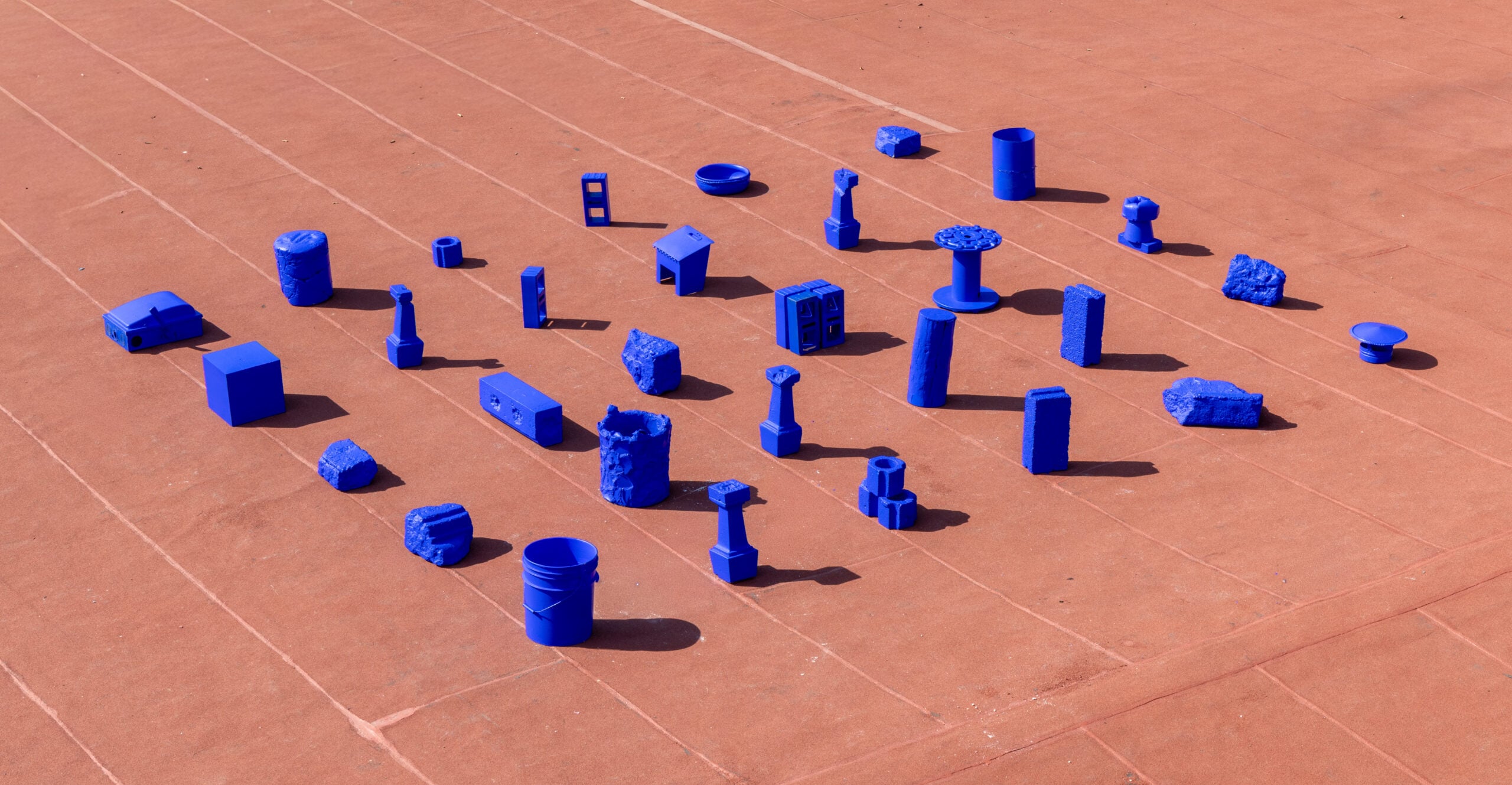
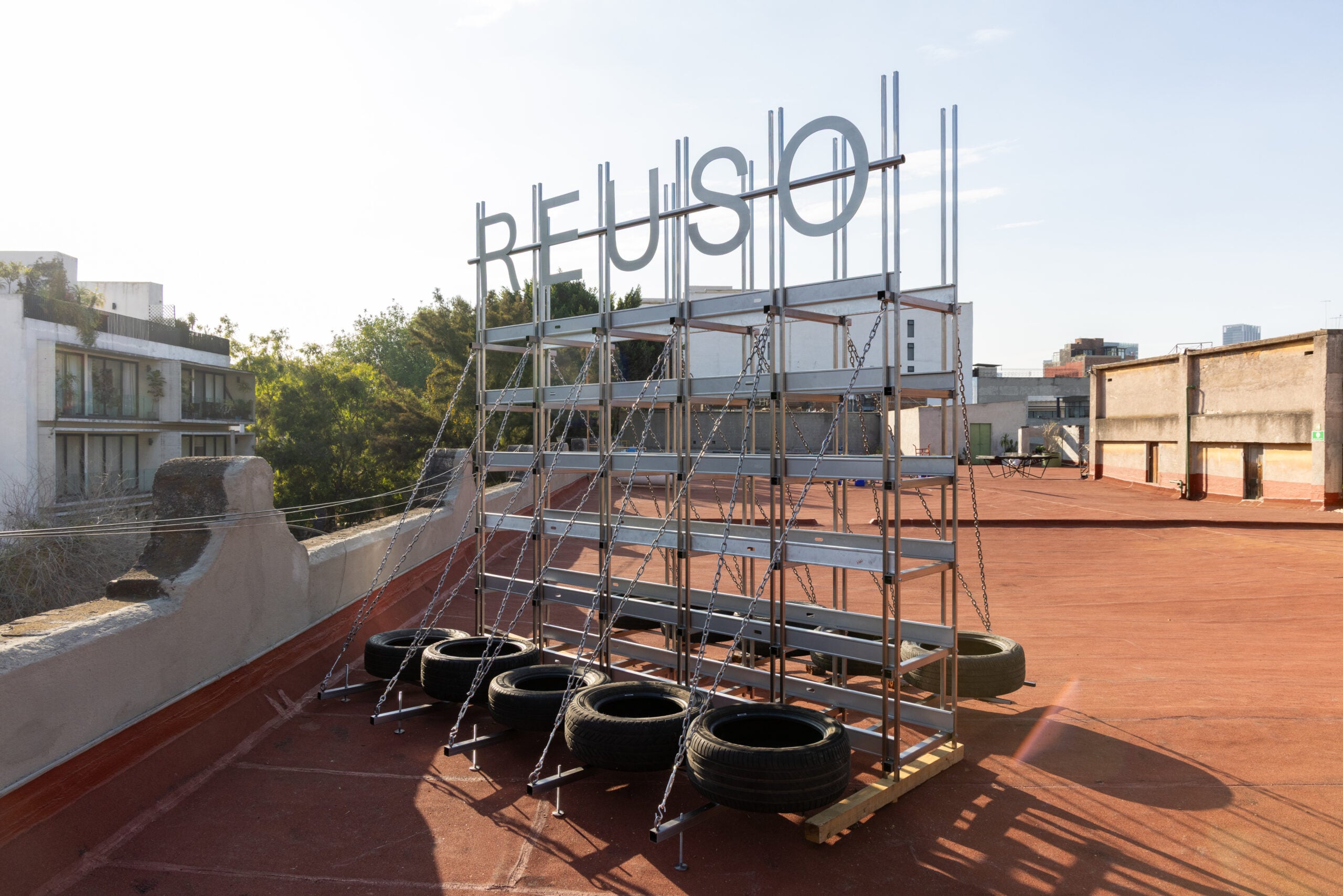
An invitation to rethink resources reverberates through Laguna, a former factory turned cultural and commercial hub in Mexico City’s Doctores neighborhood. Fifteen architecture practices from different geographies speak as one—not because they share a style, but because they share a professional condition: the need to make something with almost nothing. The exhibition, curated by María Muñoz and Edgar Rodríguez, begins from an uncomfortable premise: architecture today operates within a permanent state of instability, low budgets, and short time schedules, though the discipline is neither innocent nor exempt from its consequences. But how does this condition translate into a show presented as part of the ever-expanding Mexico Art Week?
Through a variety of formats ranging from installations to furniture and pavilions, the exhibition proposes a set of theoretical positions based on Rodríguez’s essay Almost Nothing, published in Flash Art. Recycling, prefabrication, repetition, and reduction are not framed as stylistic choices so much as operational necessities. Architecture—at least in this room— presumes its capacity to negotiate with limits rather than deny them.
Positions, Not Objects
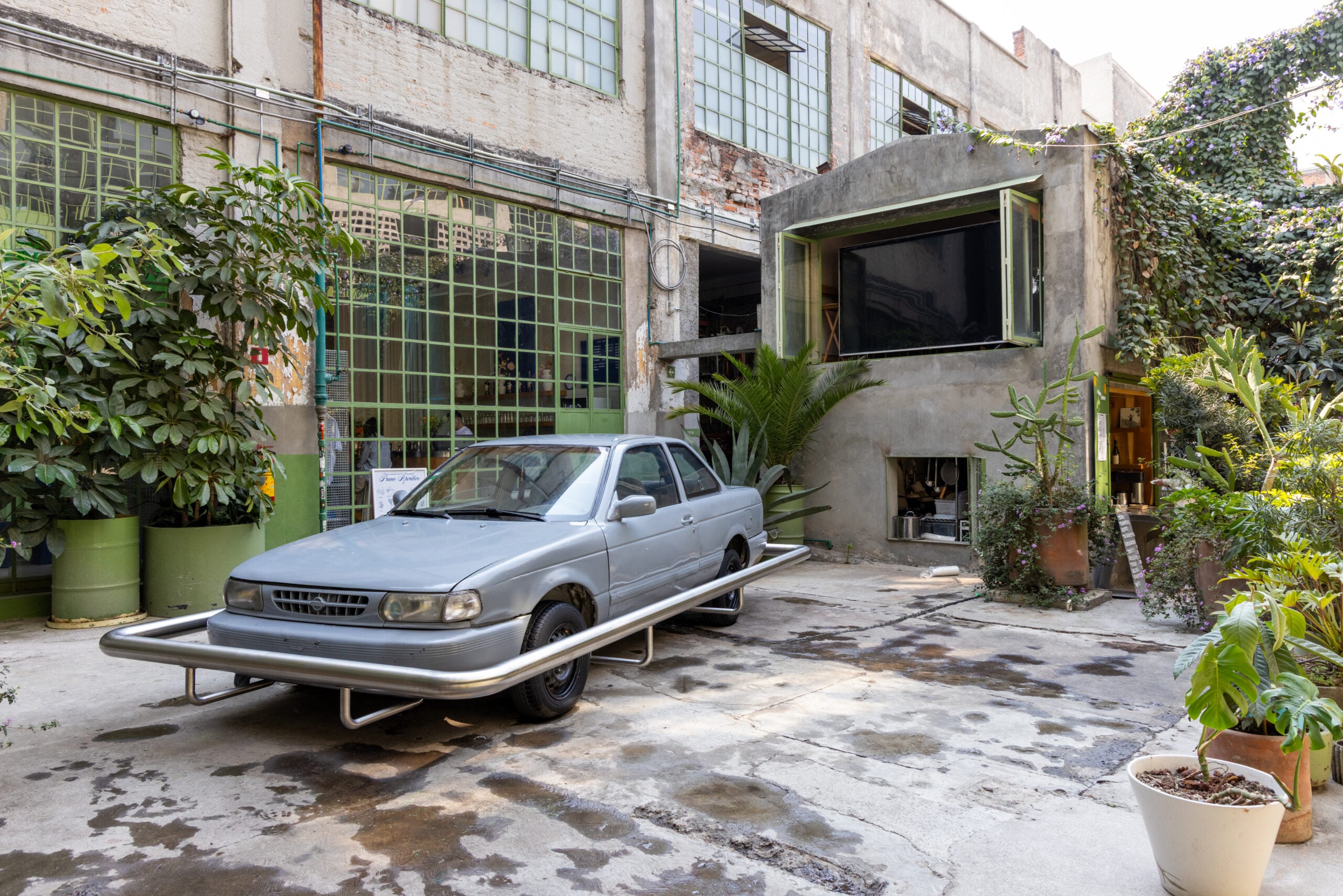
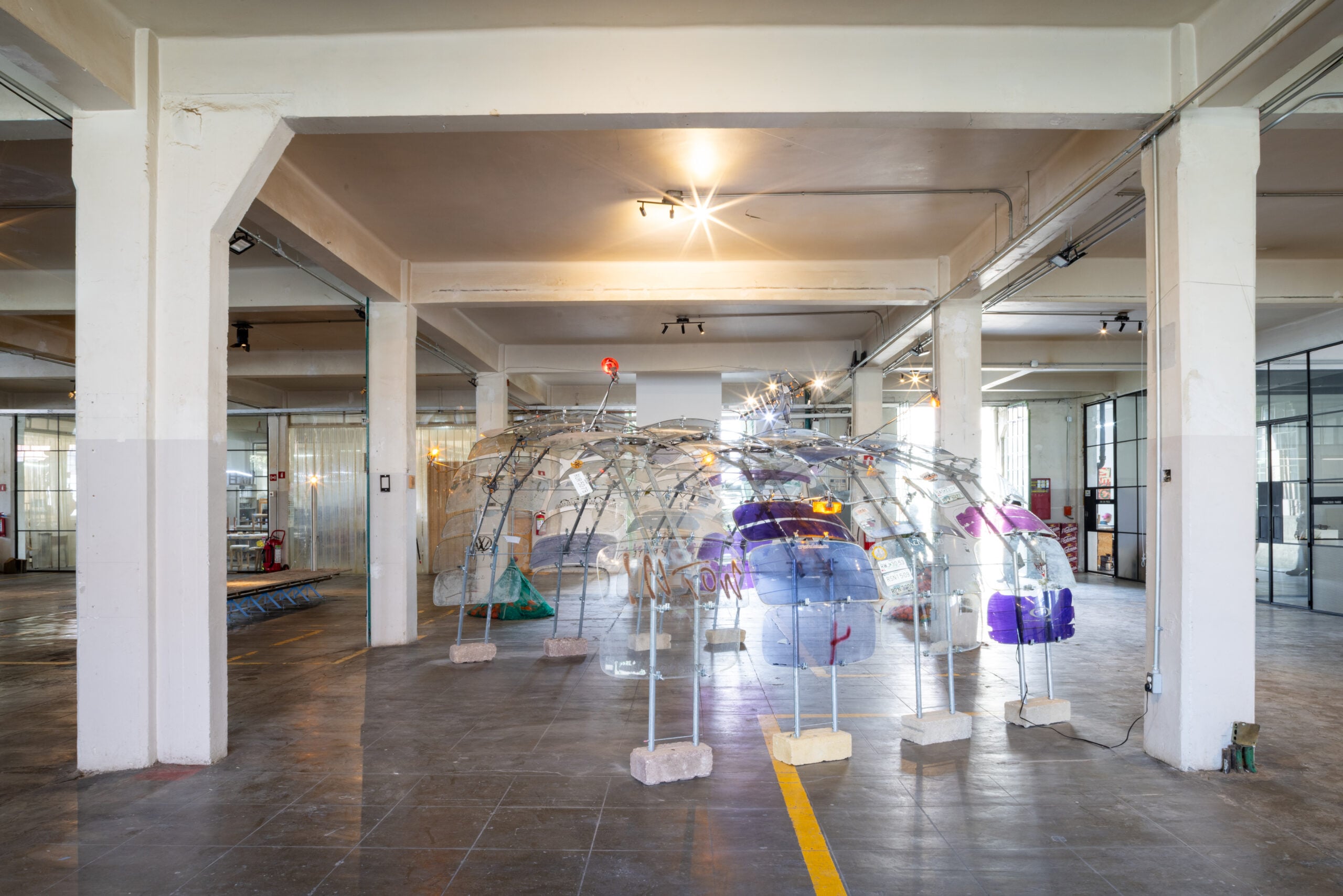
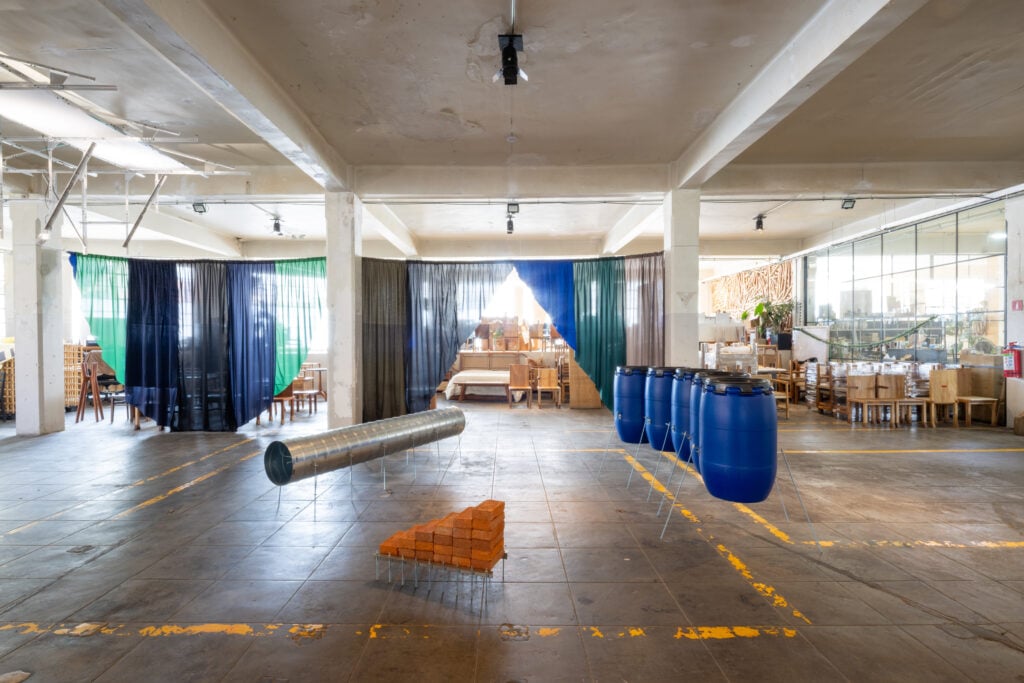
The works move across a deliberately uneven spectrum. There is excess, as in the roof assembled from recycled windshields, antennas, and metal tubing by Parabase and Ex-Soup, and the auction mechanism by APRDELESP. There is restraint in Sam Chermayeff’s conversion of a once-ubiquitous Nissan Tsuru into a public bench, and the controlled light of 322A’s lamp. And there is almost nothing in Egg Protocol, Abel Nile’s instructional proposal for occupying space, or at the investigative drift of 8000.agency’s work through the mechanical workshops and informal infrastructures of the Doctores neighborhood.
Together, these works construct a rough, unapologetic language of prefabricated and recycled materials, grey and silver aesthetics with aspirational discourses of resistance. Nevertheless, the result is unclear. Architecture’s presence during Mexico City Art Week is often awkward, either caught in the fetishization of the design process or burdened by over explanation that undermines a project’s legibility.
This exhibition is sometimes caught in the middle, with pieces that promote practicality through complicated discourses or that address clarity, only to get lost in the process, while architecture studios whose work articulates these intentions much better in the design of spaces. Laguna itself sharpens the argument. The building is not a neutral backdrop but a case study in adaptive reuse, laden with its own tensions and contradictions. Its transformation raises uncomfortable questions about sustainability, energy performance, profitability, integration of context, and the coherence between discourse and practice. Reuse is not romantic in this exhibition, it is partial, inefficient, and unresolved. That is precisely why it matters as a subject of discussion.
Movement and Materiality: Designing Workspaces That Inspire
Much of what I describe as an aesthetics of inox, lighting, and fighting already circulates online, as contradictory positions of polished durability and corrosion. I had encountered these aesthetics before on social media, but only as isolated images that I registered as algorithmic coincidences rather than as shared tastes. The curatorial framework here slows these gestures down, allowing them to be named, contextualized, and tested. The question is whether the idea of “doing more with what already exists” can survive outside the exhibition to become a shared demand that shapes public policy rather than remain a disciplinary niche? Can austerity function without erasing ambition and without relinquishing spatial intelligence or beauty? Or is it all a ploy for a new version of Arte Povera by architects?

In a city protesting against gentrification and a world oscillating between collapse and denial, the exhibition refuses closure. It leaves the burden of interpretation with the spectator. Do these projects operate as Trojan horses, working from within the systems that contain them, or do they reflect architecture’s current ceiling, adding more gasoline to an already burning fire? Perhaps they are both. And perhaps this ambiguity—by design—is the most honest position architecture can occupy right now.
Would you like to comment on this article? Send your thoughts to: [email protected]
Latest
Viewpoints
Detroit Month of Design: A City’s Work in Progress
Now in its 16th year, the celebration offers insights into the Motor City’s ongoing accomplishments without glossing over its hurdles.
Projects
How a Hybrid Building Helped an Historic Manhattan Congregation Remain in Place
On Billionaire’s Row, FX Collaborative designed a new home for Calvary Baptist Church combined with an office tower.