


January 20, 2026
Is Red Oak Glulam the Next Solution for Greener American Cities?
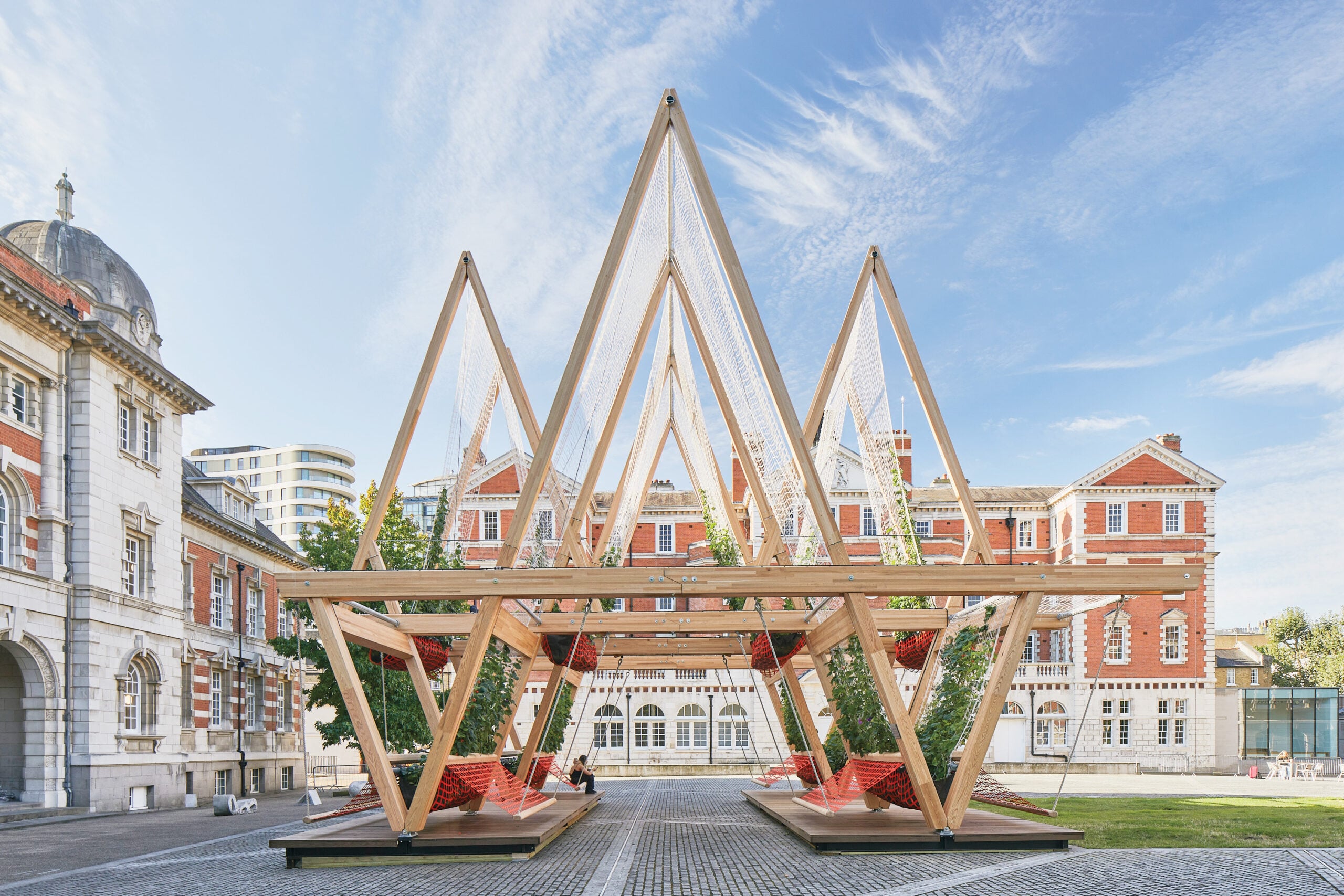
At the intersection of biophilic design and material innovation stands Vert—a 33-foot-high urban pavilion reimagining an age-old material for sustainable architecture. Conceived by design studio Diez Office and urban greening experts OMC°C, with support from the American Hardwood Export Council (AHEC), Vert integrates living greenery with a renewable structure to show how design can both delight and decarbonize.
Built for the London Design Festival, Vert is a quiet yet radical experiment in circular design thinking. Its framework, constructed from glued-laminated red oak, demonstrates that a native, underutilized U.S. species can perform on par with—if not better than—its European counterparts. The project, realized in collaboration with timber construction engineers Neue Holzbau, engineering firm Bollinger + Grohmann, and experience designers Forward Studio, is a study in how the built environment can tap local materials to solve global challenges.

Sustainable Hardwood Architecture
Red oak, abundant across American forests, has long been overlooked in structural applications. By engineering this hardwood into glulam form, the Vert team unlocked new potential for strength, stability, and aesthetic warmth—qualities that steel and concrete can’t replicate without heavy environmental costs. The result is a space that feels alive: a porous, light-filled structure where plants and people live in harmony.
Vert asks what would happen if cities embraced renewable hardwoods as the backbone of their built environment. In testing red oak’s structural limits and showcasing how beauty and performance can coexist, Vert reveals a way that hardwood can fuel the next generation of mass timber construction, offering a tangible pathway toward greener, more biophilic cities.
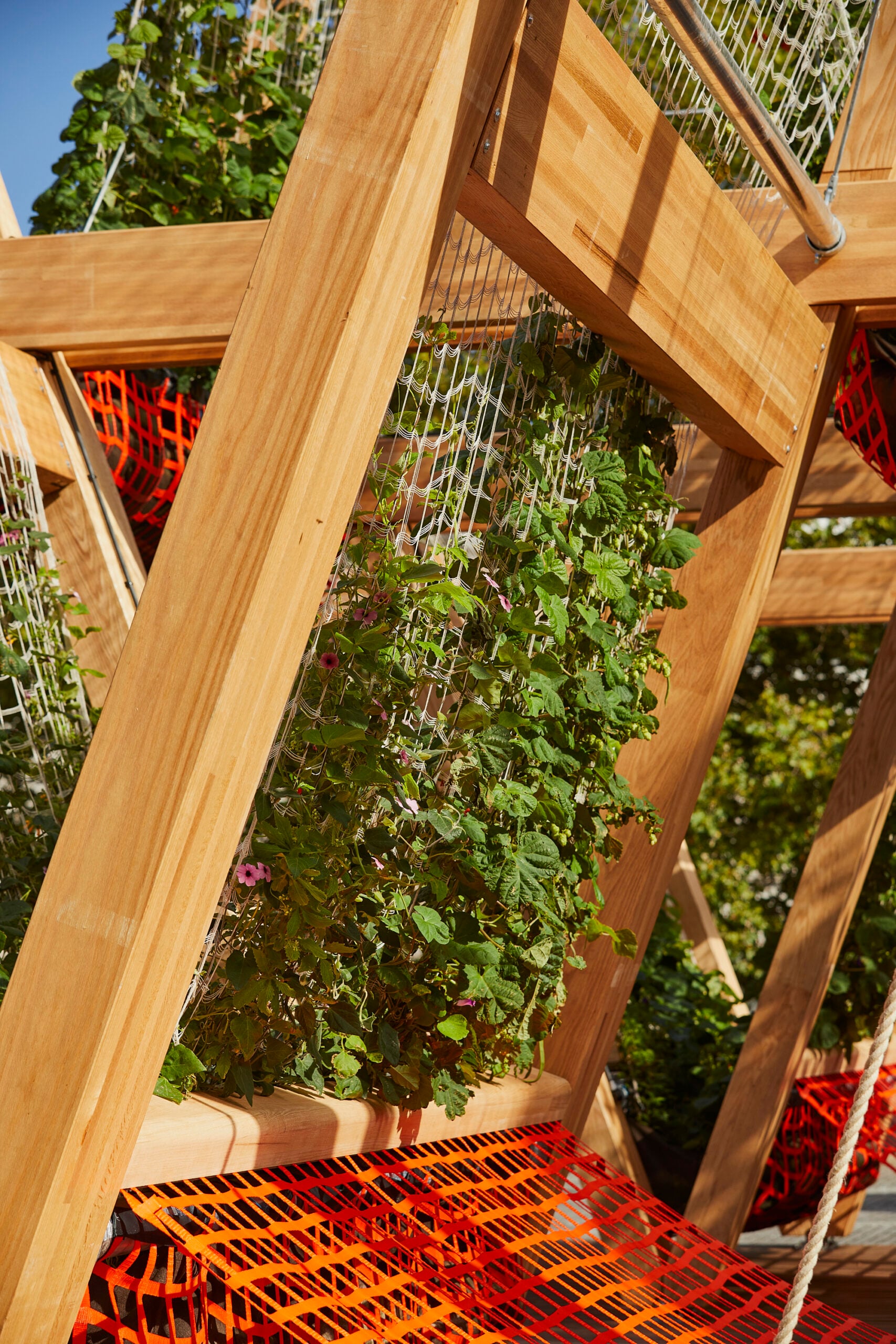
The full story of Vert—and many others like it—appears in the inaugural issue of Hardwood & Design, a new publication celebrating the intersection of architecture, design, and the material intelligence of wood.
Would you like to comment on this article? Send your thoughts to: [email protected]
Latest
Viewpoints
Detroit Month of Design: A City’s Work in Progress
Now in its 16th year, the celebration offers insights into the Motor City’s ongoing accomplishments without glossing over its hurdles.
Projects
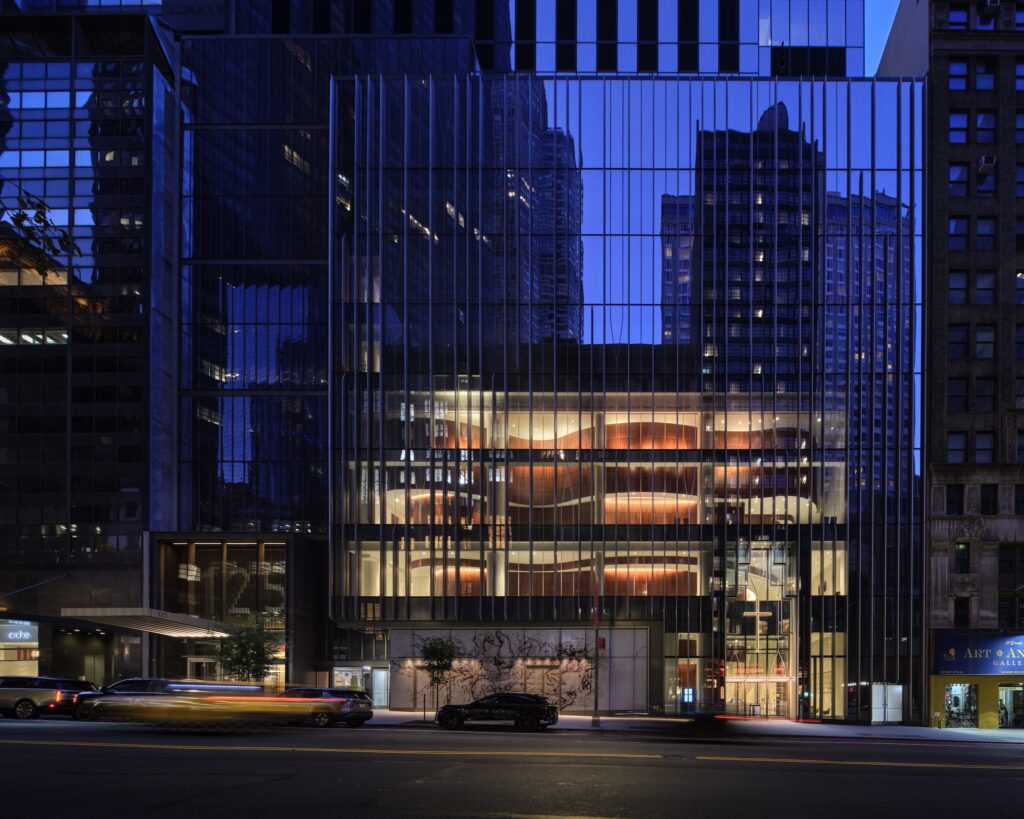
How a Hybrid Building Helped an Historic Manhattan Congregation Remain in Place
On Billionaire’s Row, FX Collaborative designed a new home for Calvary Baptist Church combined with an office tower.