


November 23, 2026
A83’s STOOLS Turns a Humble Seat into an Architectural Experiment
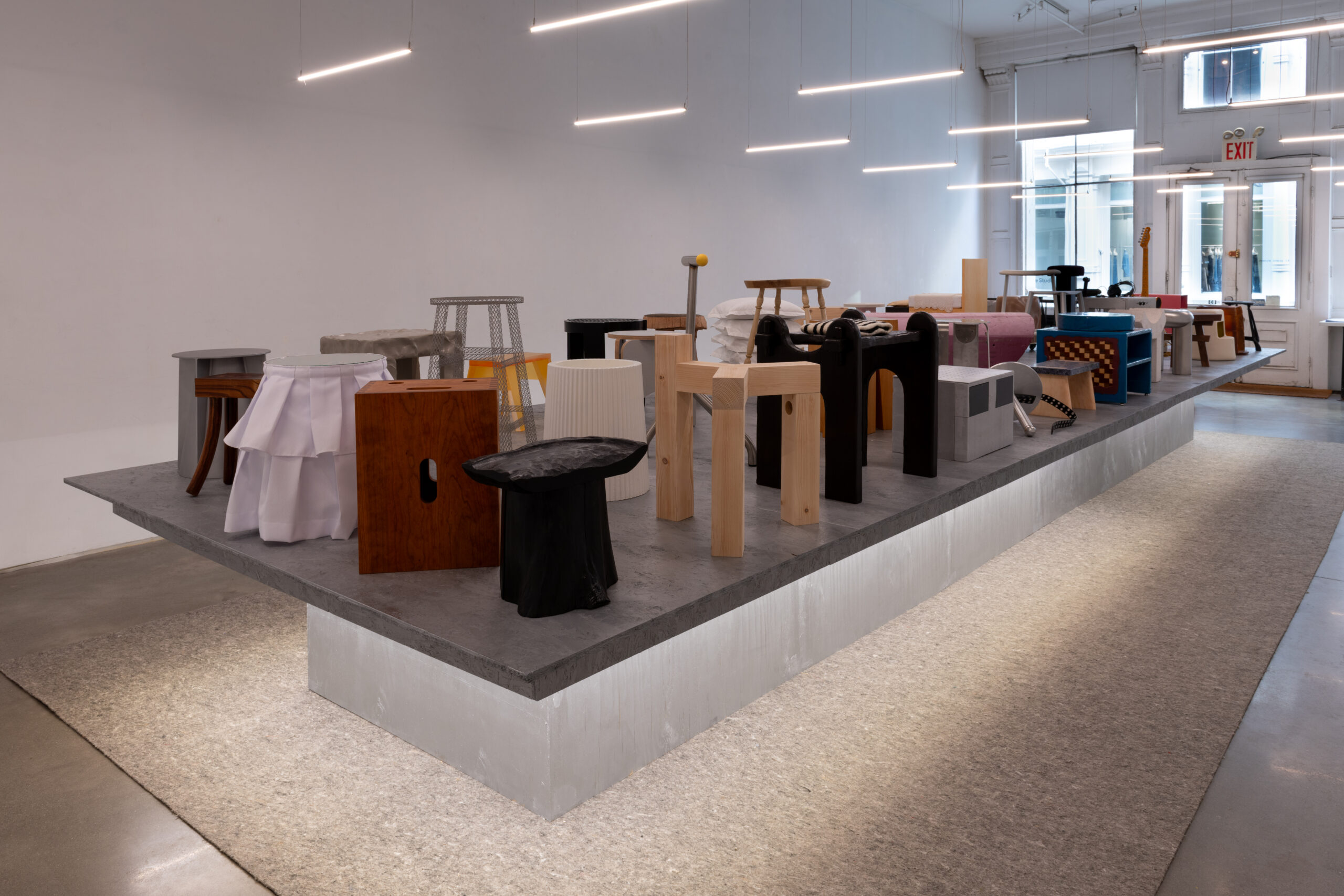
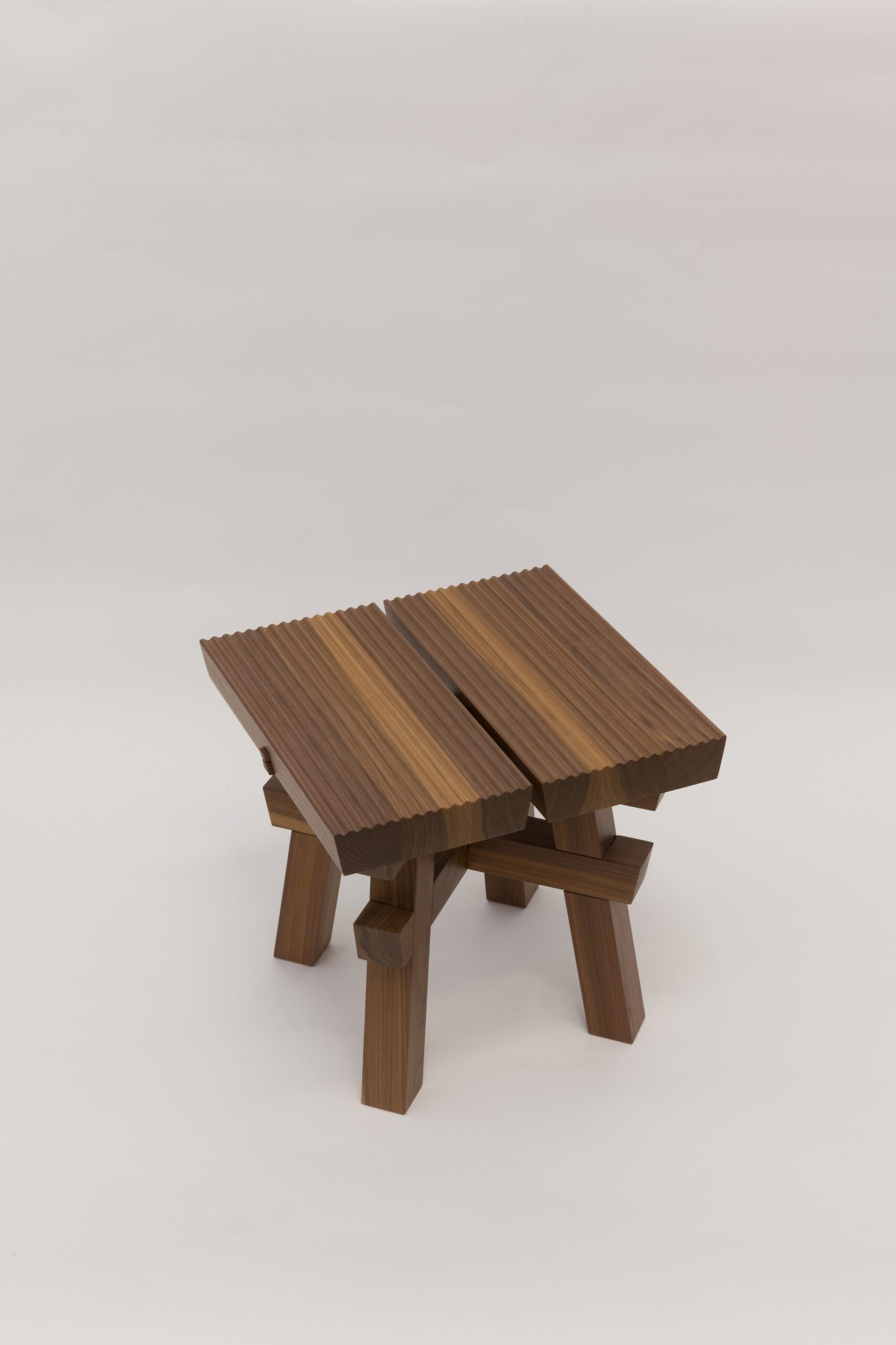
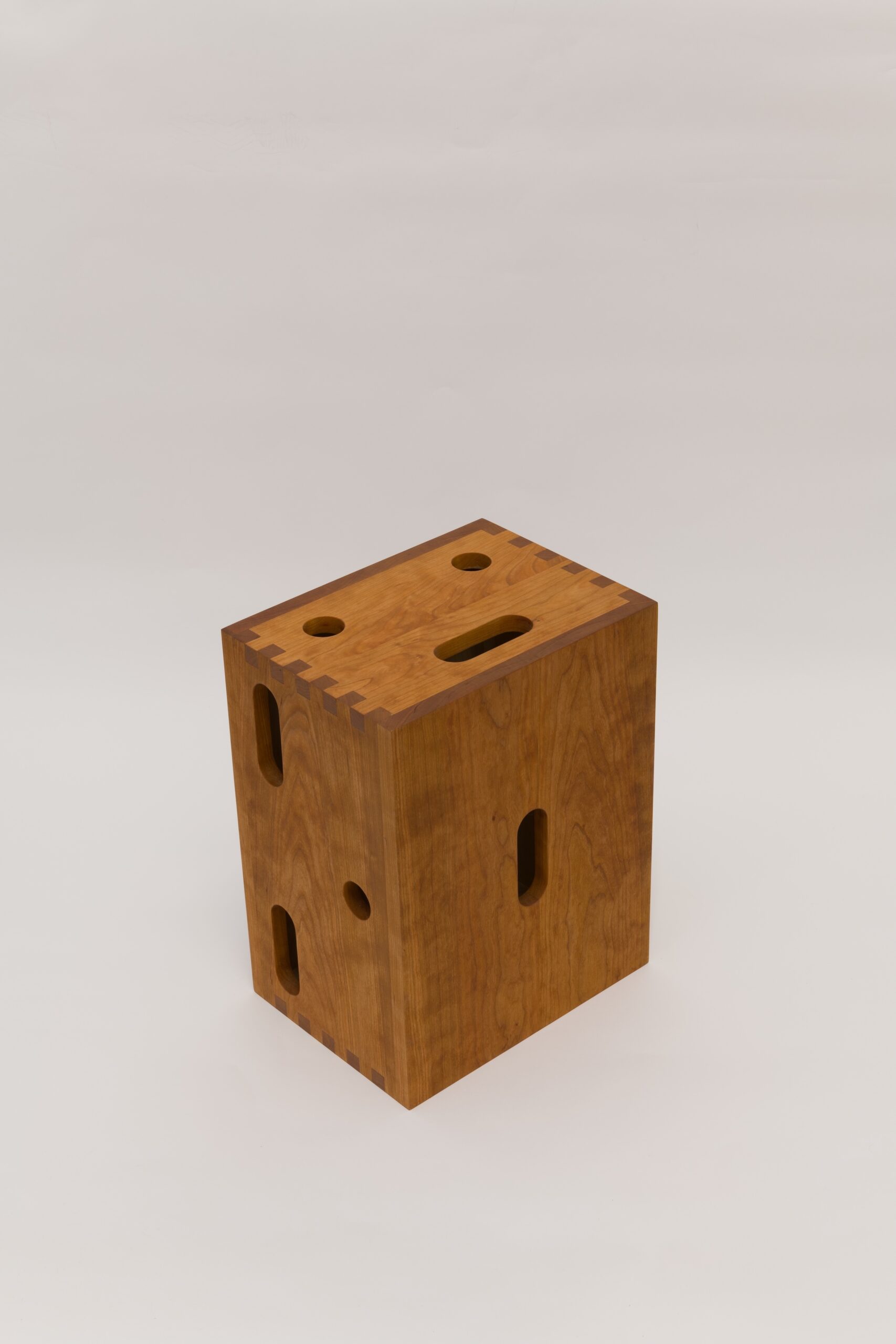
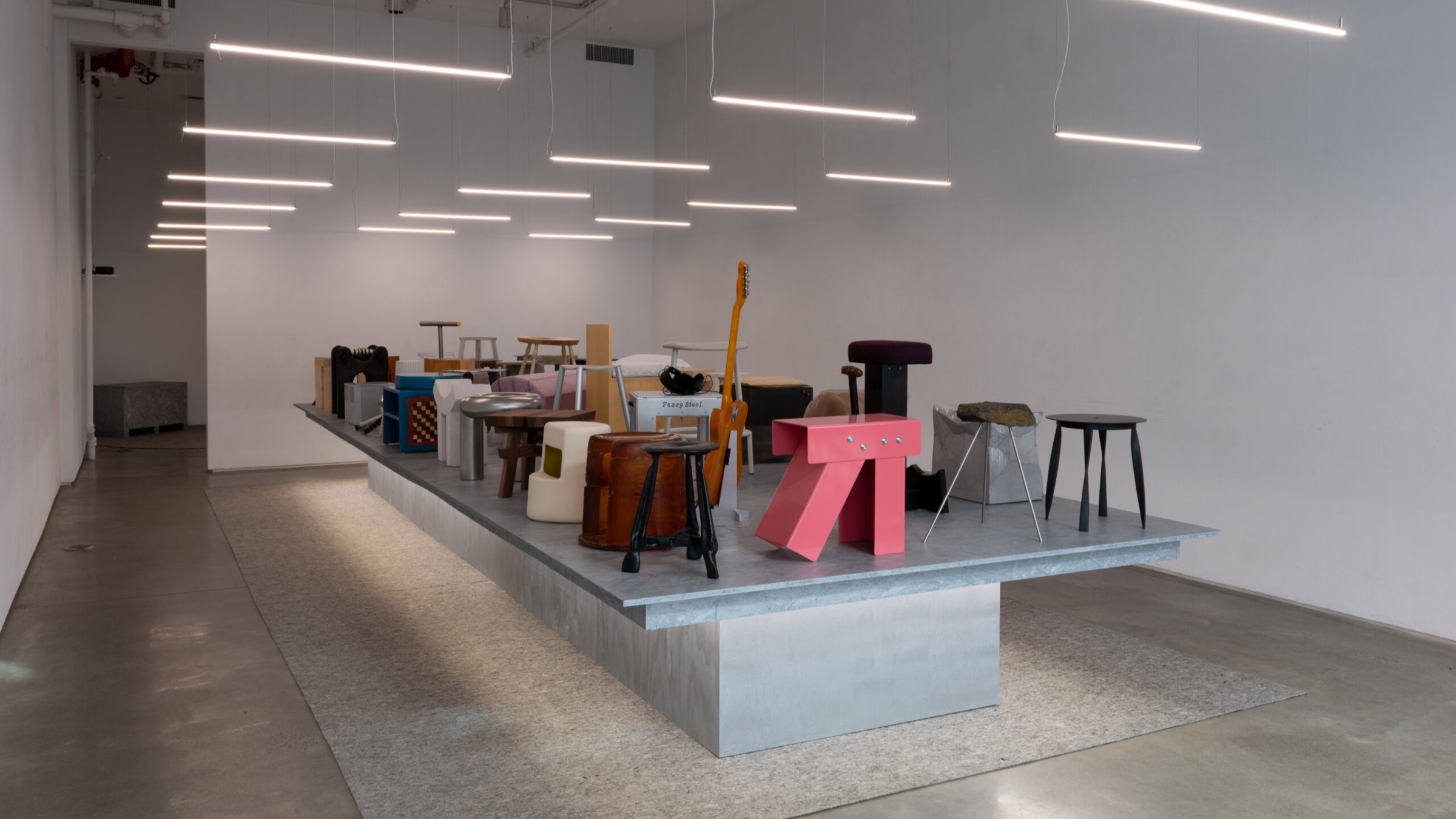
Berlin and US designers rethink the stool
Hocker, the initial presentation, assembled about 30 stools by Berlin-based designers, opening Barkow Leibinger’s gallery to a wider creative community and inviting participants to reinterpret a familiar architecture school assignment. For its New York iteration, the curators brought a selection of the Berlin works across the Atlantic and added new pieces by American studios, creating a conversation between two distinct but increasingly interconnected design cultures. The show pairs renowned studios like Herzog & de Meuron and Johnston Marklee with emerging designers like Chibbernoonie and Olivia Vigo.
For Owen Nichols, founding member of A83 and one of the exhibition’s co-curators, the stool is particularly compelling because it places architects in an unfamiliar but productive position. “It’s a foundational assignment in architecture schools, especially the schools in Germany where Max Bill was teaching for a long time,” he explains. “This was the kind of first thing that an architecture student would encounter, partly because it directly deals with structure and with the body in some way.”
Material experimentation meets everyday function
Unlike architecture, which is generally developed through drawings, models, and coordination processes, a stool requires designers to confront their ideas at full scale. Many participants even made their own pieces rather than outsourcing fabrication, bringing the conceptual and material dimensions of design into unusual proximity. “Architects are working at scale, like drawing at three-sixteenths of an inch equals an inch, and it means something completely different. But in this case, they’re working one to one,” adds Nichols.
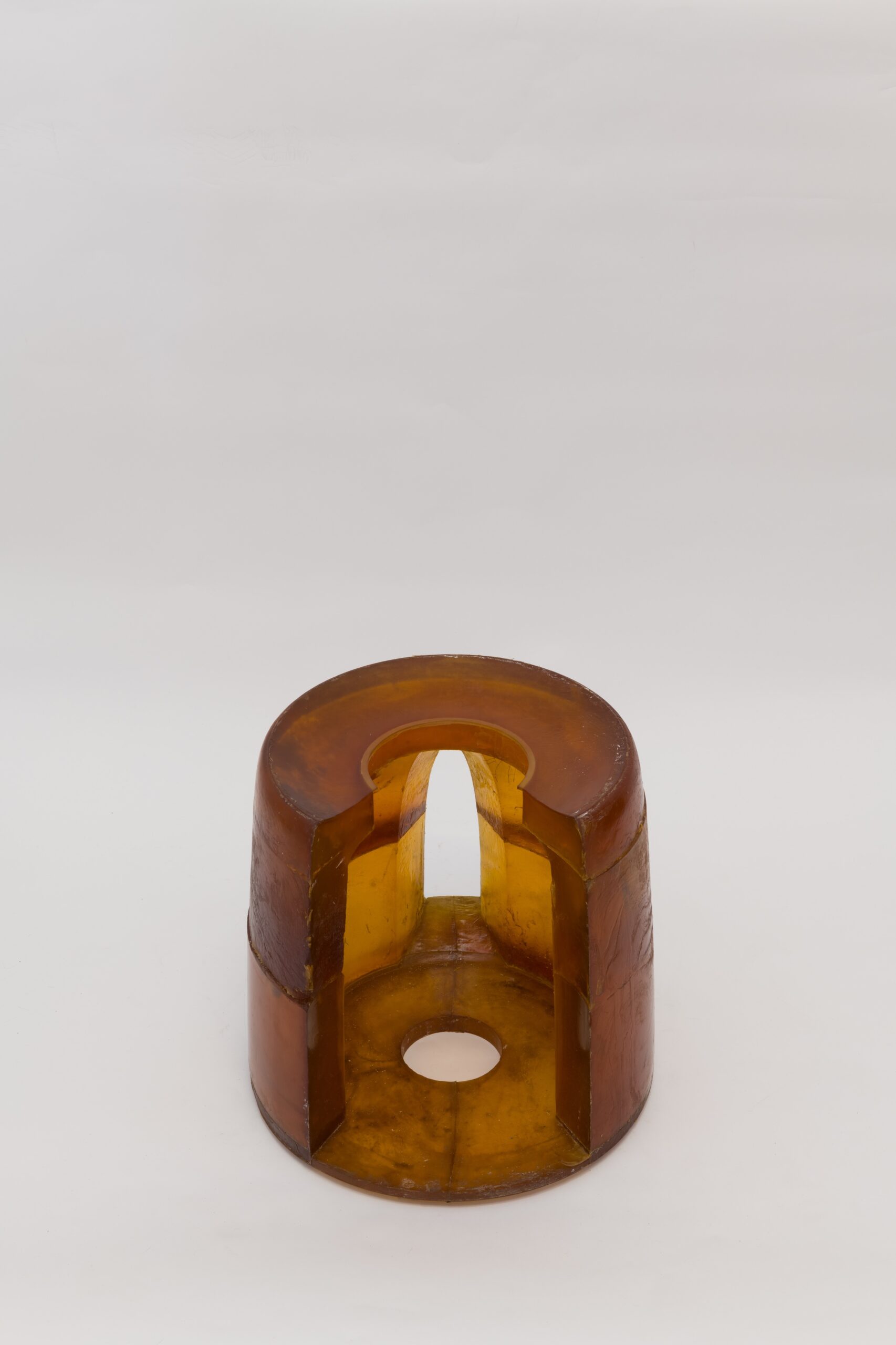
The exhibition’s requirement was straightforward: each object had to accommodate one person and have no back. Pieces for multiple people became benches, and anything with a back became a chair. Beyond that, participants were free to explore the typology through their own interests, whether structural experimentation, material research, or formal play. As Nichols observes, “There’s something that you get in asking people to design stools that you don’t really get in buildings. Humor, for example, even some sex stuff,” referring to Rich Aybar‘s Rim Stooge (2022), a cast polyurethane rubber object whose suggestive name and sculptural configuration invite its (two) users to interact with the stool in a unique way. Meanwhile, LOTTO Studio’s Flange Stool (2021), made from sand-cast aluminum, demonstrates how a standard material and manufacturing process can become an exercise in design rigor and formal novelty.
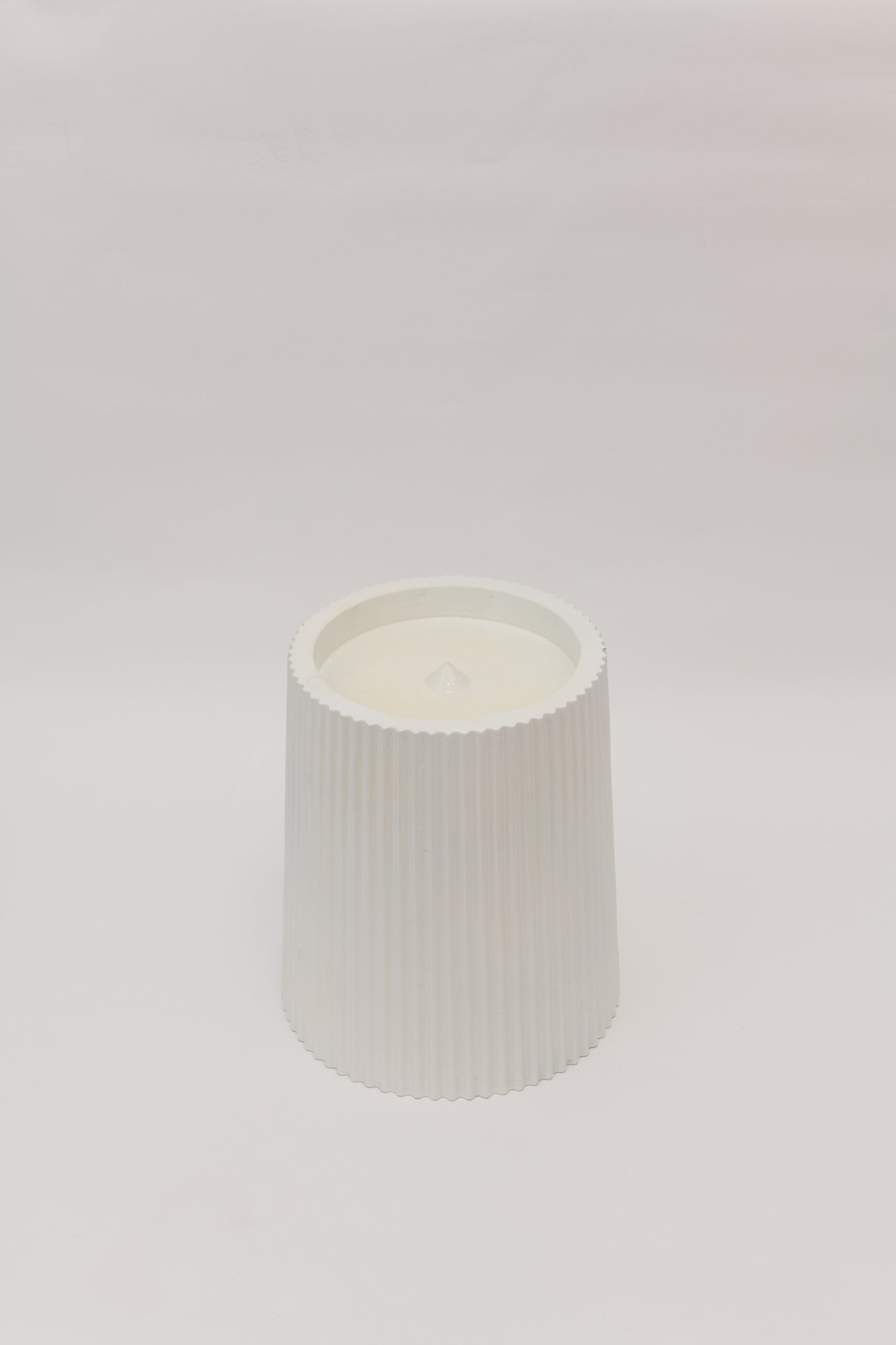
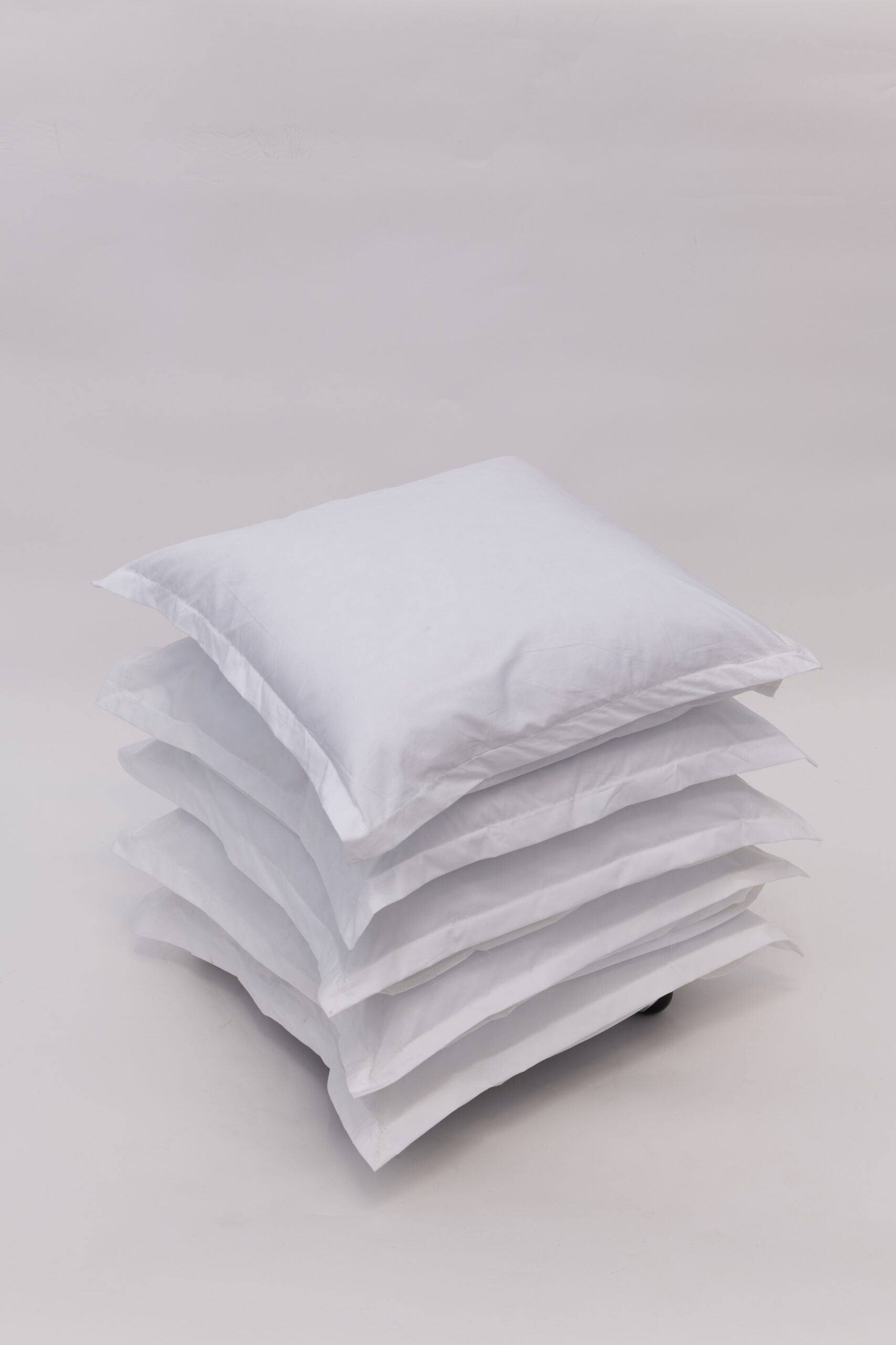
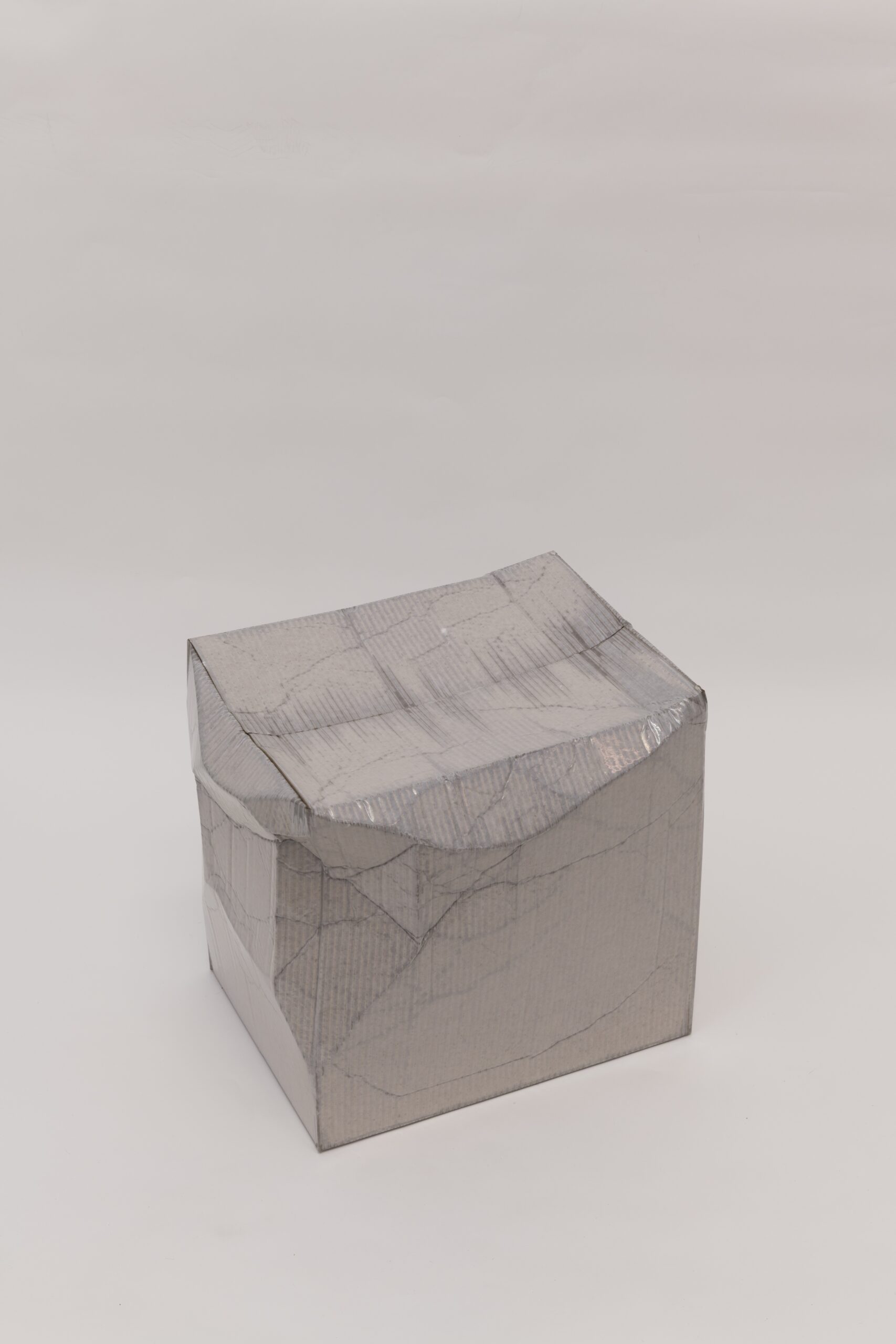
Other pieces approach the stool as an opportunity to reconsider preconceived ideas and ideals on materiality. Illya Goldman Gubin‘s Karton Hocker 71B White (2026) made of white cardboard layered with fiberglass and finished with epoxy resin, invites a “surprise” encounter by challenging conventional assumptions about cardboard’s structural limitations.
A transatlantic exchange through furniture design
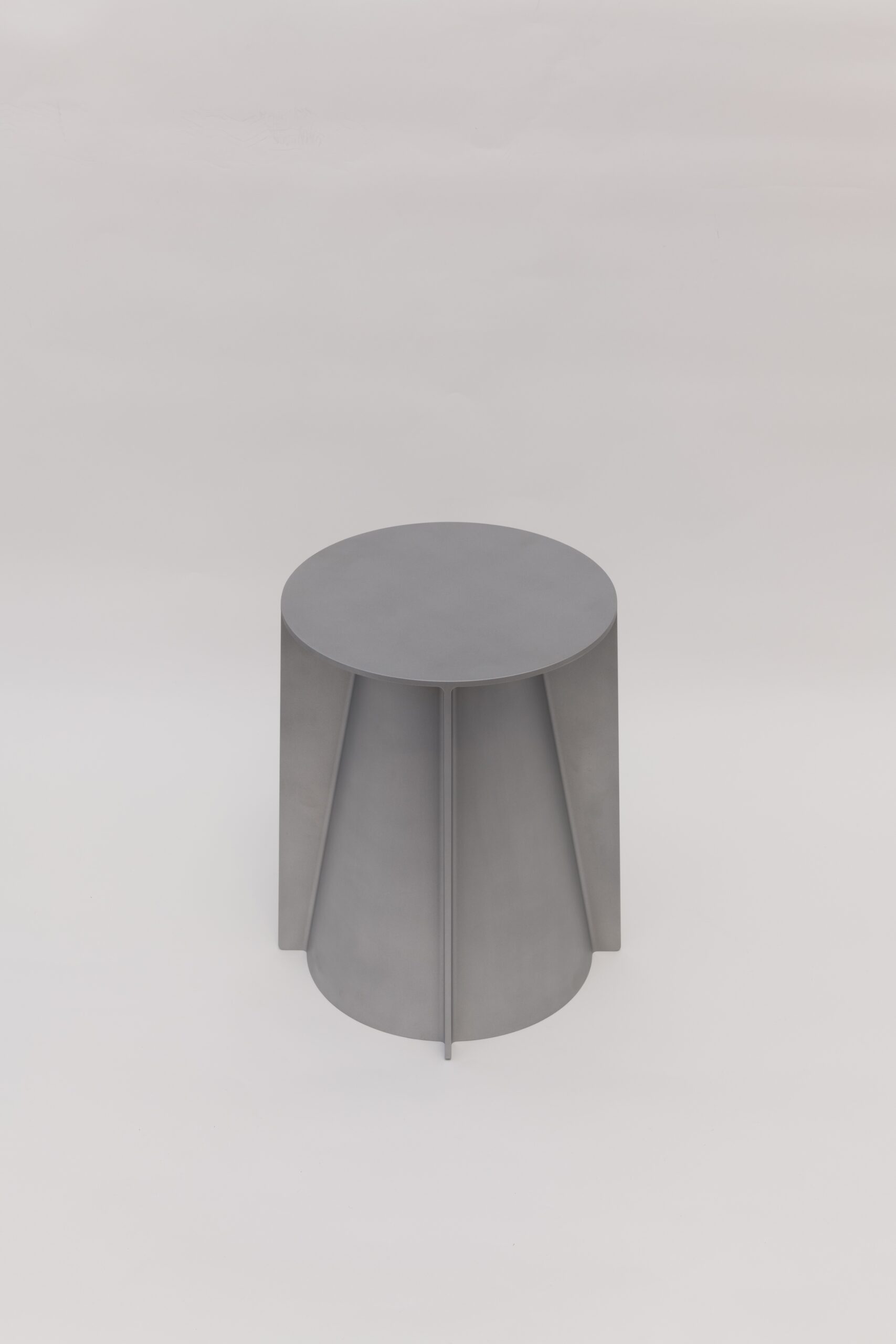
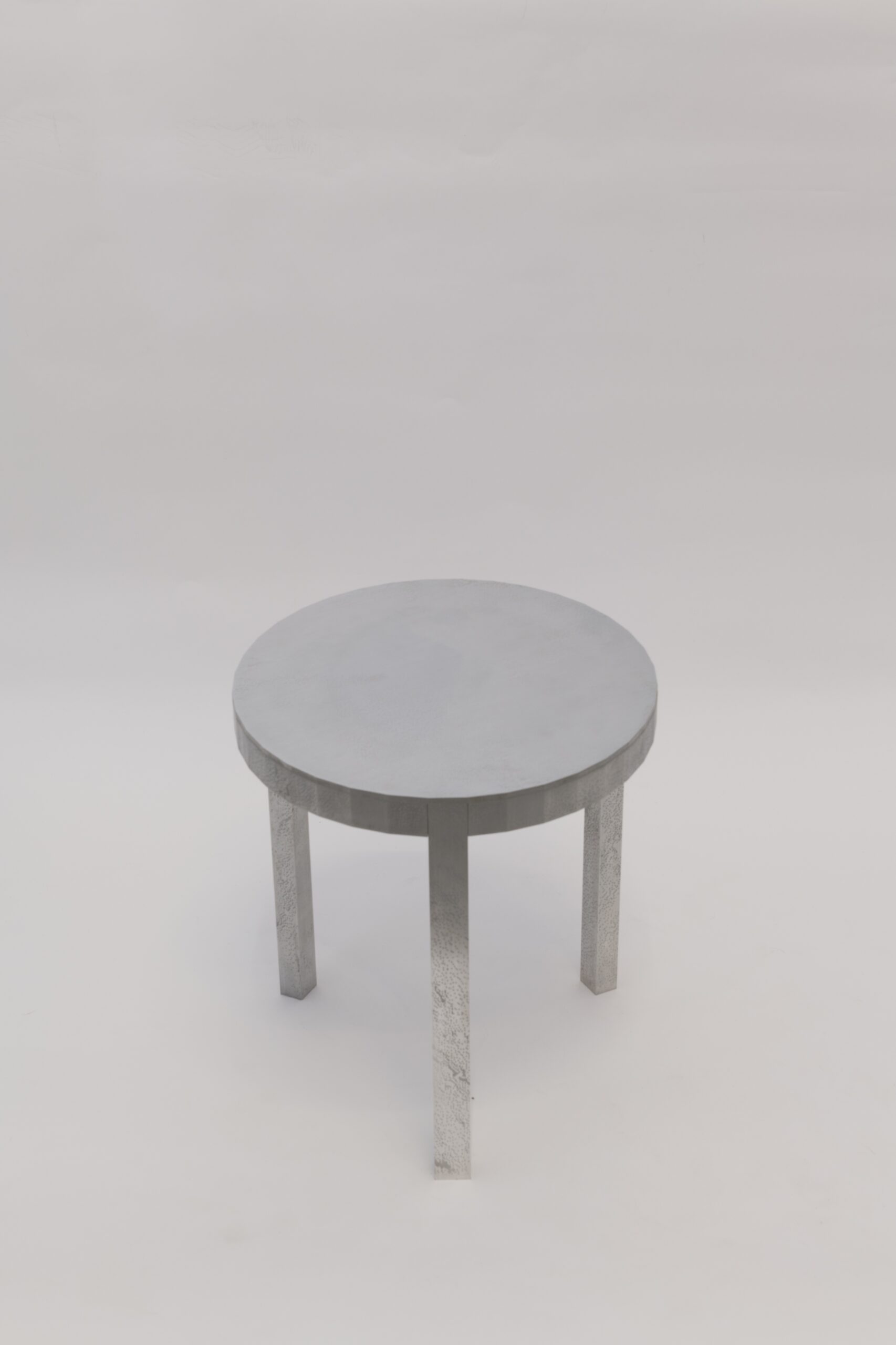
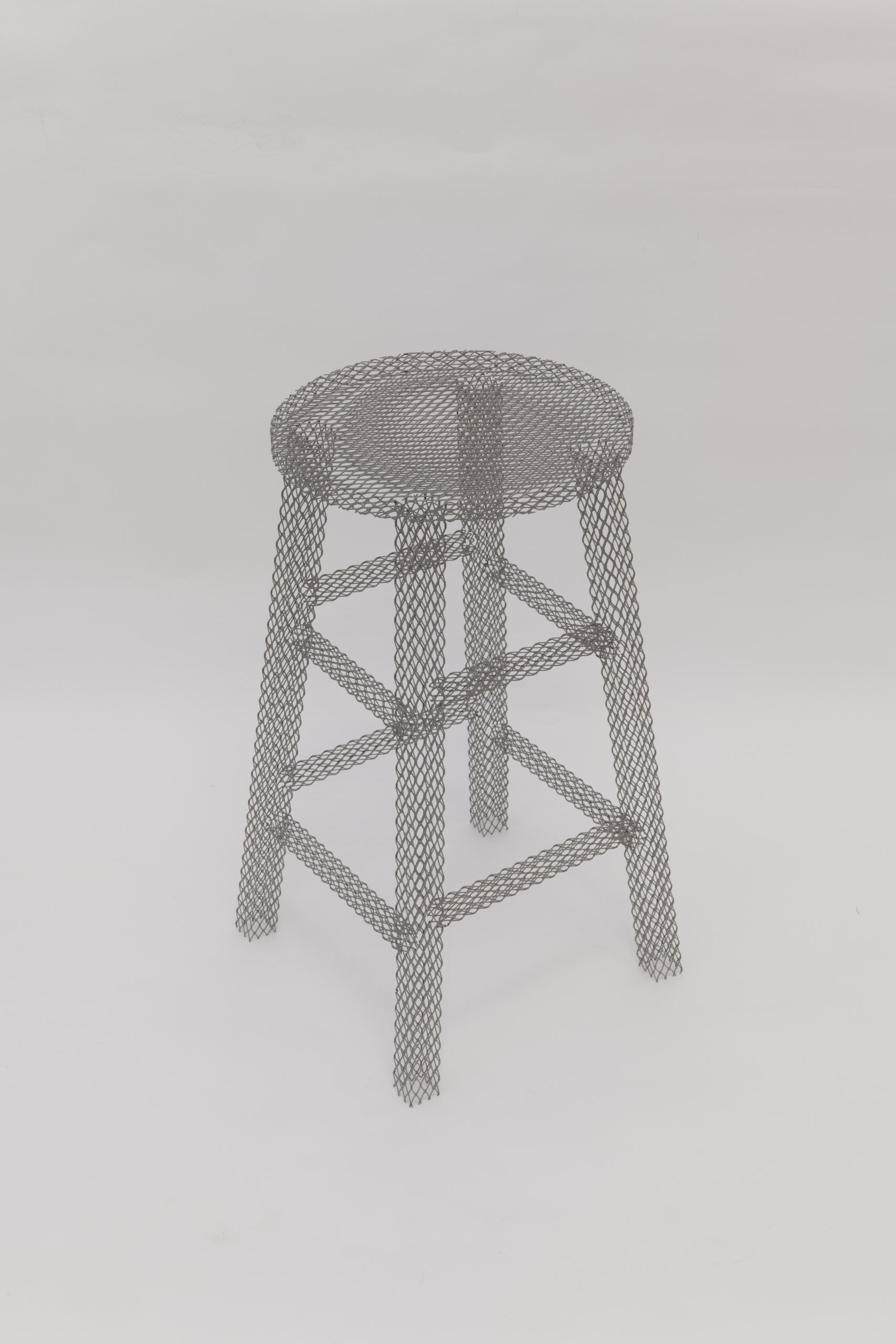
Likewise, Andy Kim and Adin Rimland’s Wire Cut Stool (2026), fabricated from wire-cut and sandblasted aluminum, produces a geometric form with a familiar computer-drafting resolution and foregrounds the possibilities of industrial processes by creating a precise, tactile object. David Andrew Tasman‘s SHADOW STOOL (2026), constructed from laser-cut, welded stainless steel mesh and a sandblasted surface, removes reflectivity and gives the object an ethereal, almost ghostlike presence. Oliver-Selim Boualam‘s UU Stool (2026), made from bent, powder-coated aluminum profiles, offers another interpretation of material efficiency and a distinctive, intuitive formal language. Together, these designs confirm that innovation does not depend on introducing new materials or processes but on reimagining new relationships between them and their users.
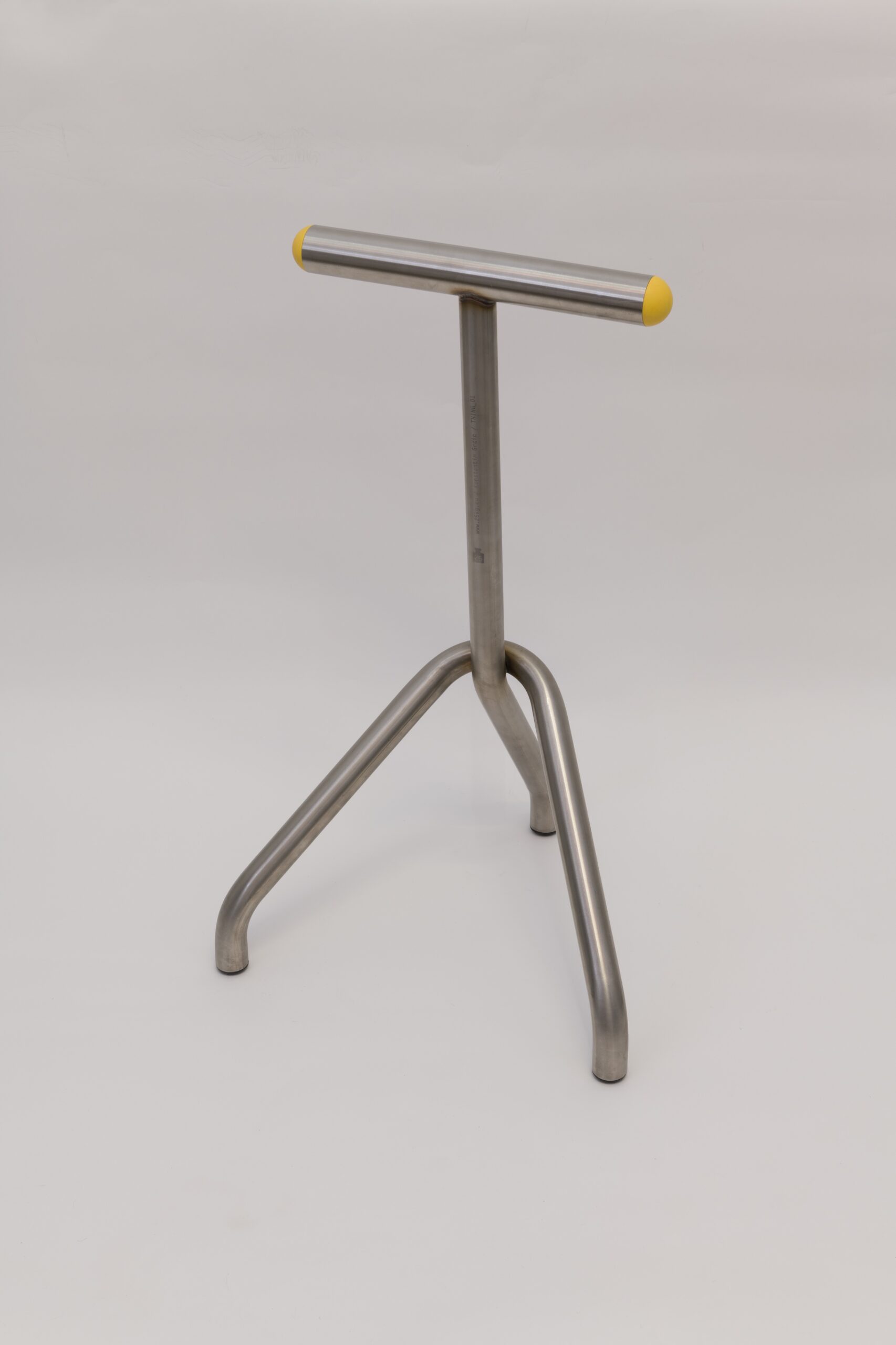
Other designers question the typology itself. Konstantin Grcic‘s Thing_01 (2025), produced with welded stainless steel tubes and TPEE caps, reduces the stool to a diagrammatic assembly of elements, almost as an archetype of a seating object. Solid Objectives Idenburg Liu’s S.O.S (2026) combines polished aluminum with double-grommet leather straps, creating an assembled apparatus that challenges the fundamental convention of stability and maybe even inviting other provocations if you flip the piece
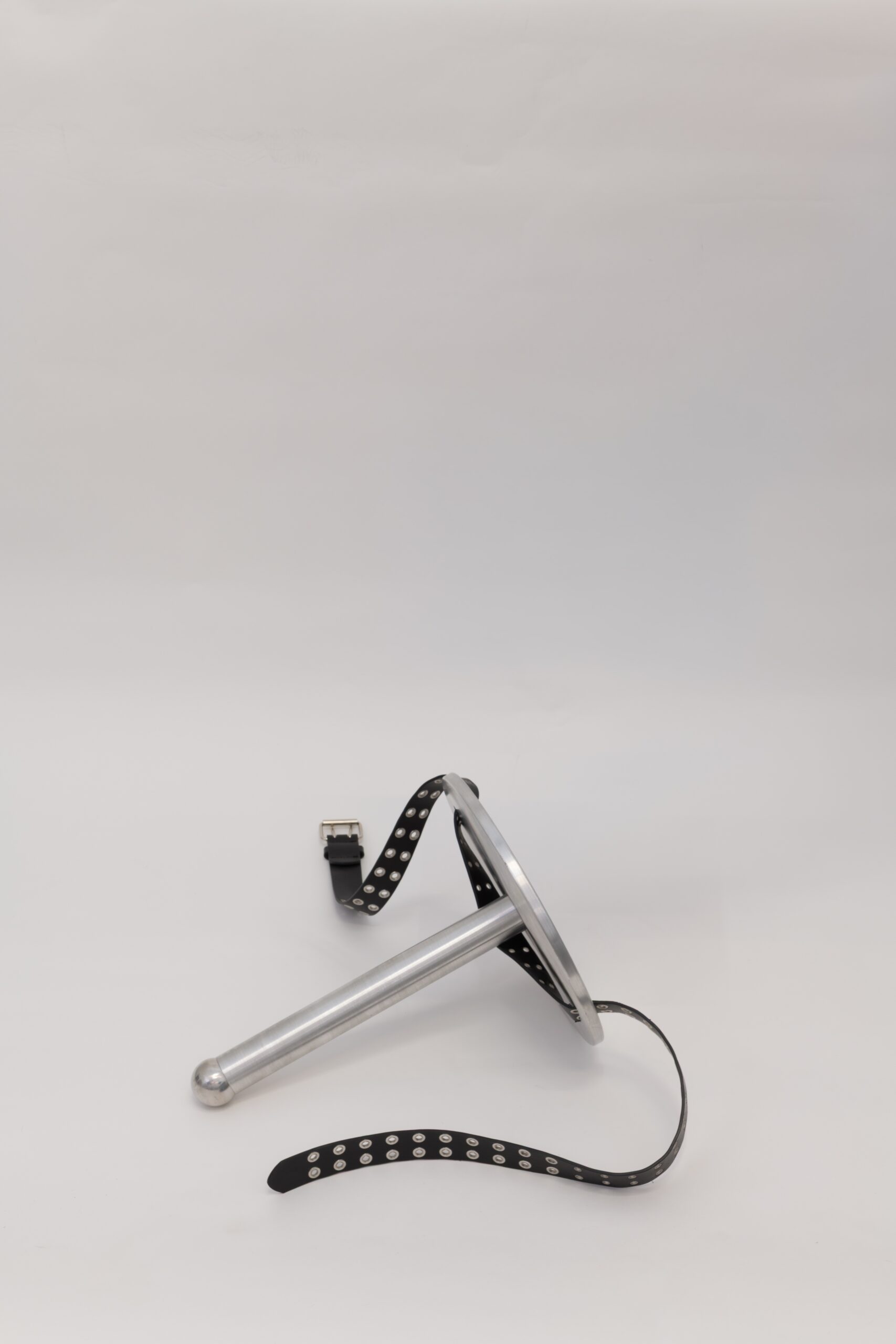
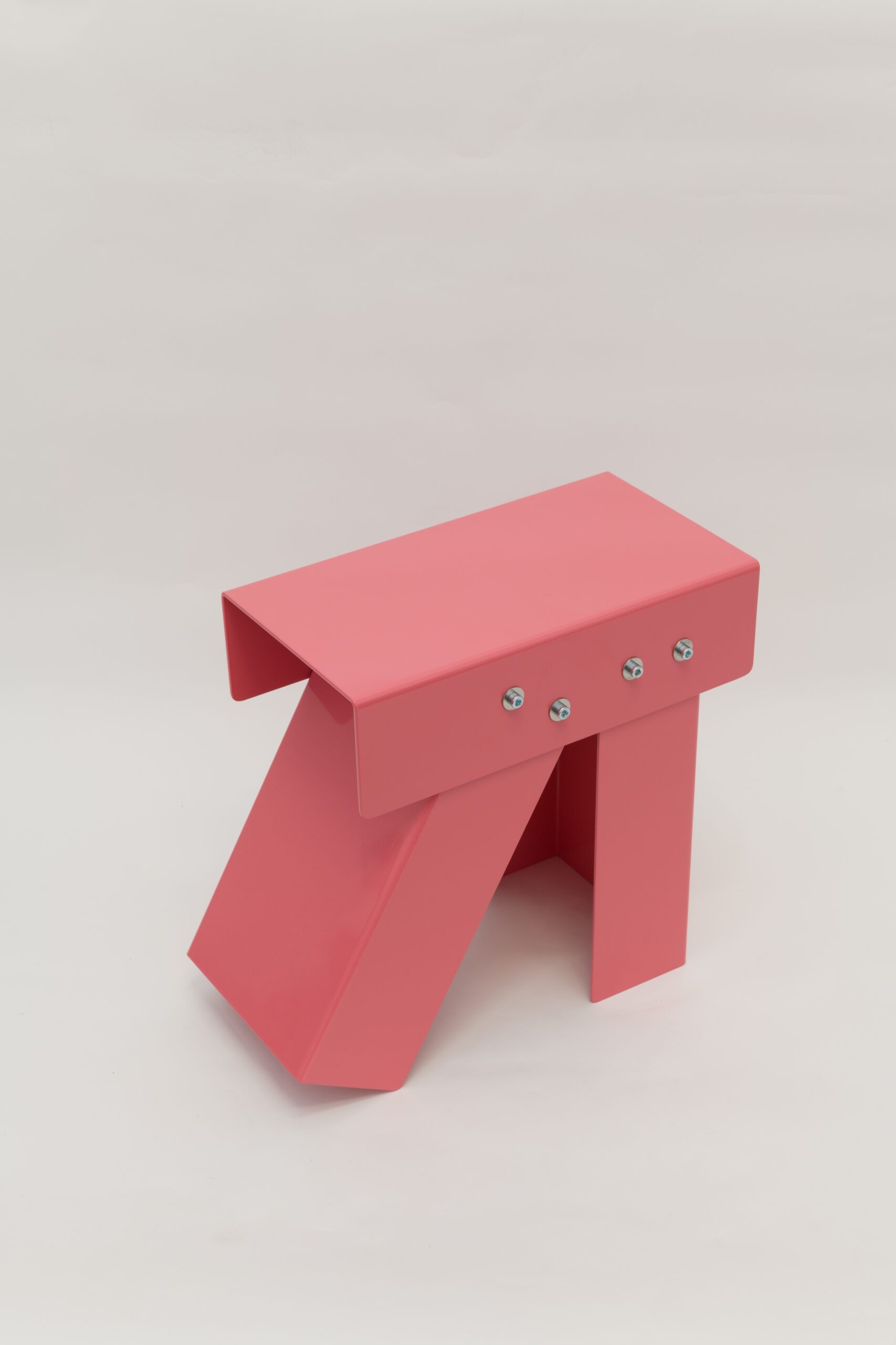
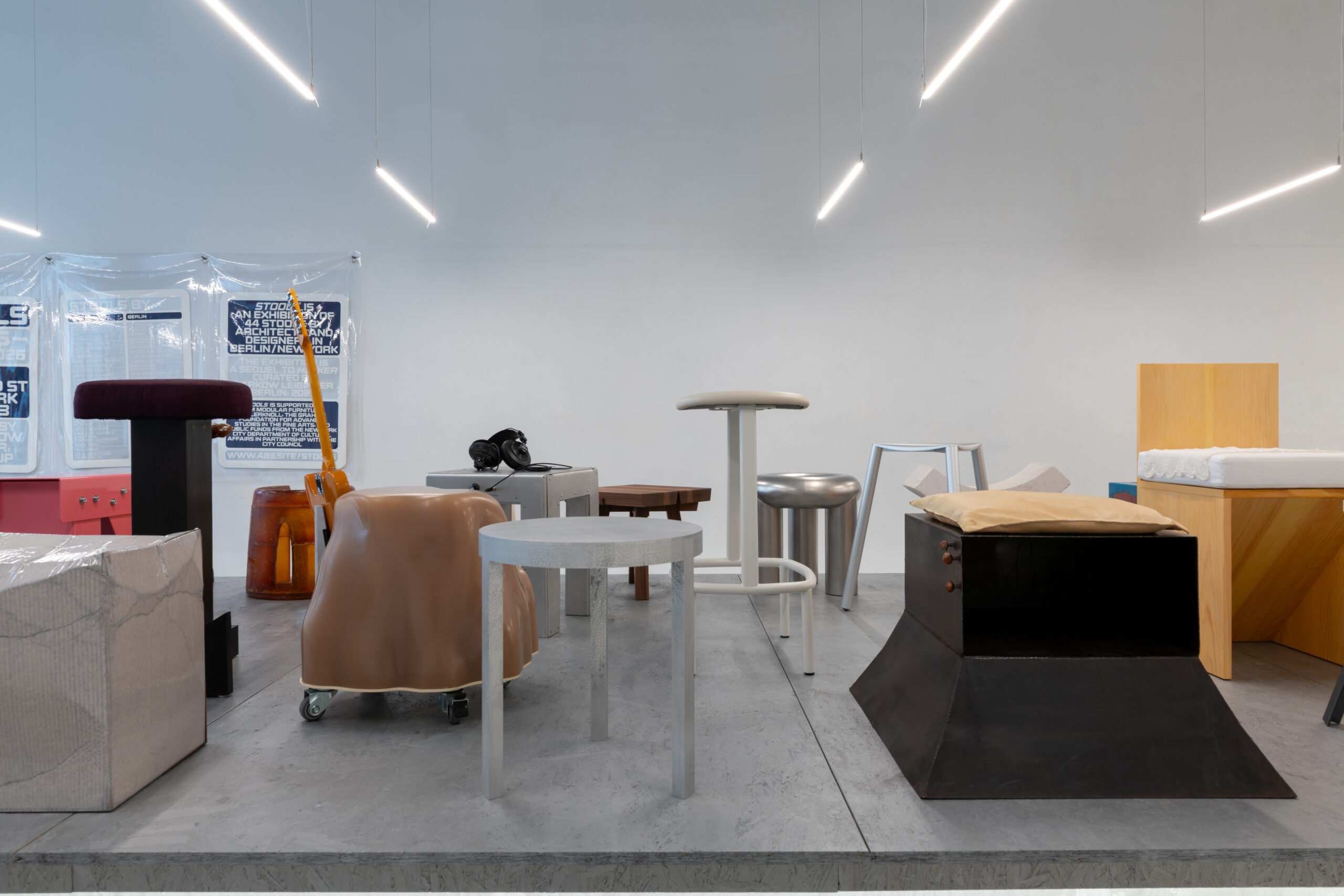
Nichols also suggests that one of the exhibition’s more interesting observations emerges when you compare the objects’ dimensions. Despite the freedom given to participants, most of the stools gravitate toward two conventional heights. There are comparatively few low stools and only a small number of taller bar-height versions. The convergence is striking: even when designers are experimenting with radically different materials, structures, and formal languages, the body’s familiar proportions remain a powerful constraint.
At A83, the exhibition also extends beyond displaying objects. The gallery, which operates as both a gallery space and a printmaking studio, developed a book and a series of printed cards documenting the stools. This accompanying publication connects the exhibition to A83’s broader interest in printmaking as a medium for architectural research.
Ultimately, STOOLS succeeds because it takes a familiar object seriously without taking it too seriously. The collection reveals how a simple design brief can expose the different priorities, sensibilities, and working methods of contemporary architects and designers. It also demonstrates the value of working at one-to-one scale, where ideas cannot remain abstract, and every decision has a direct consequence for the body.
.
Would you like to comment on this article? Send your thoughts to: [email protected]
Latest
Viewpoints
Uncovering The Humanist Modernism of Maciej and Stanisława Nowicki
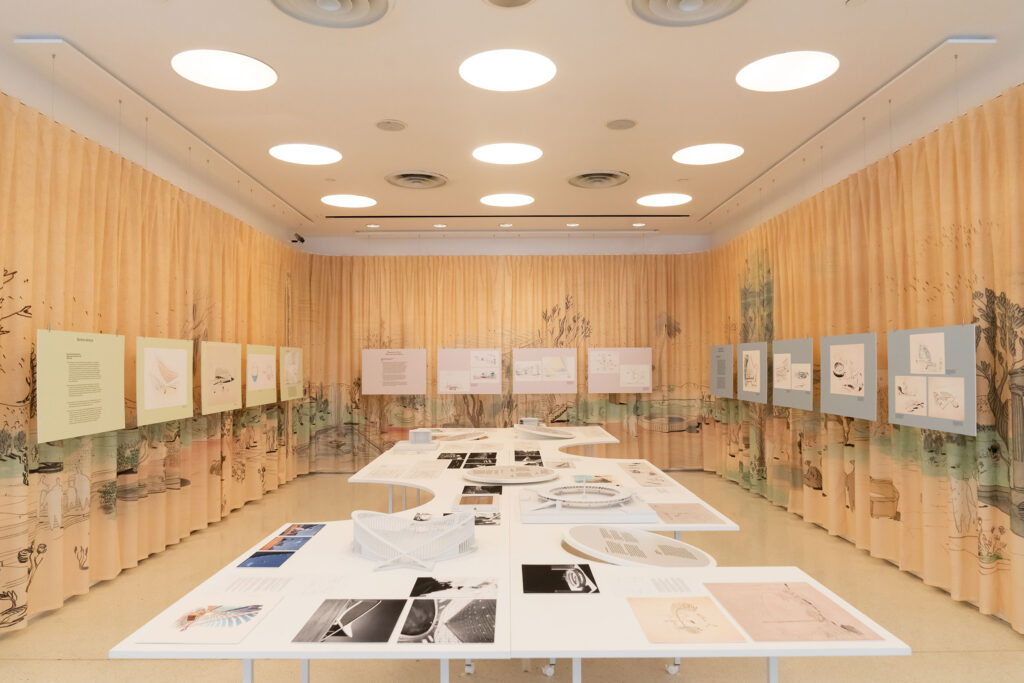
On view at New York’s Center for Architecture, Humanist Modernity: Maciej and Stanisława Nowicki explores the legacy of the pioneering Polish architecture duo.
Viewpoints
Science, Data, and Research as Partners in Design
METROPOLIS’s September/October 2026 issue examines how new discoveries are challenging conventional thinking and opening up new possibilities architecture and design.