



November 19, 2026
Science, Data, and Research as Partners in Design
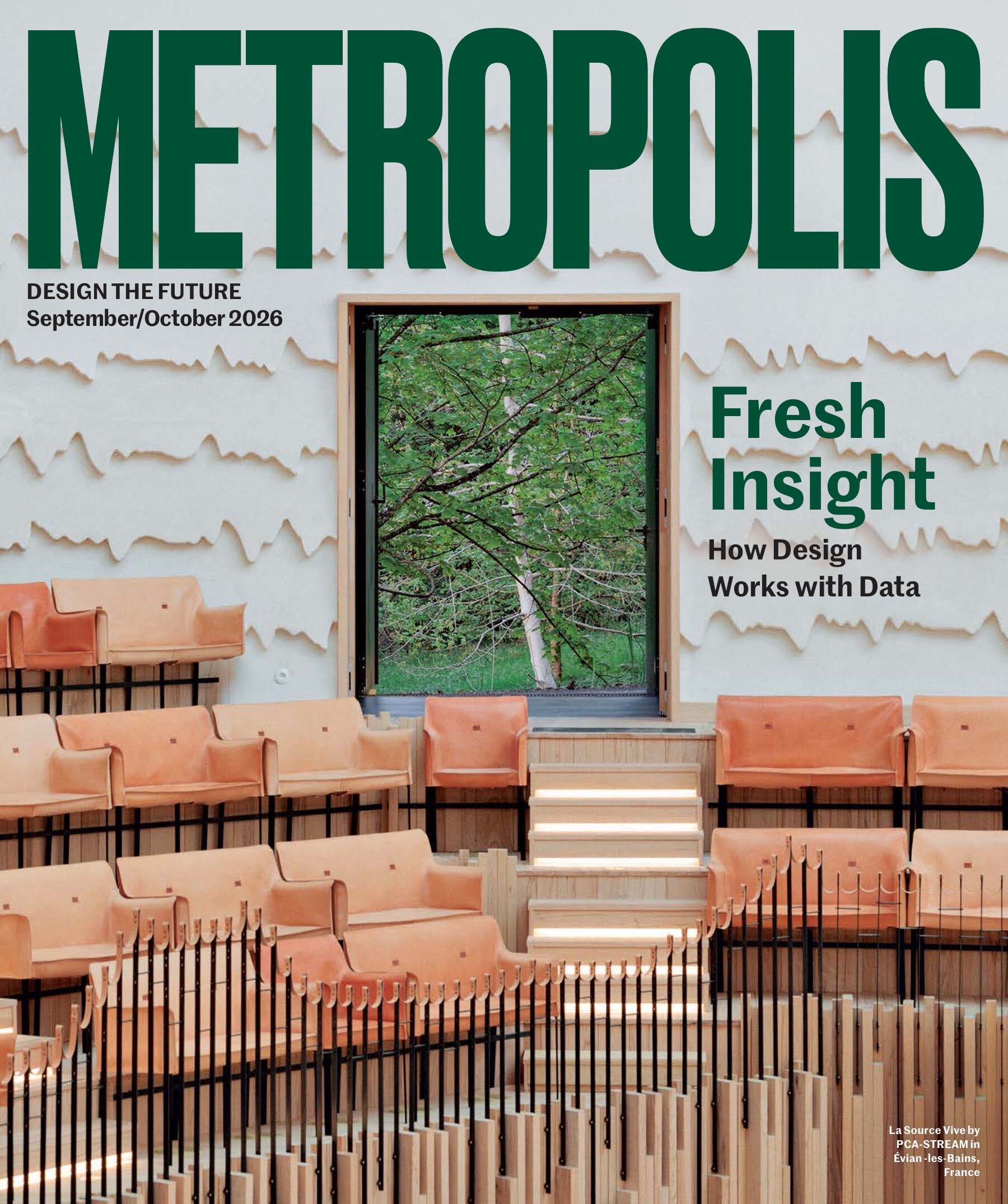
This issue is dedicated to the power of data, research, and science as partners in design.
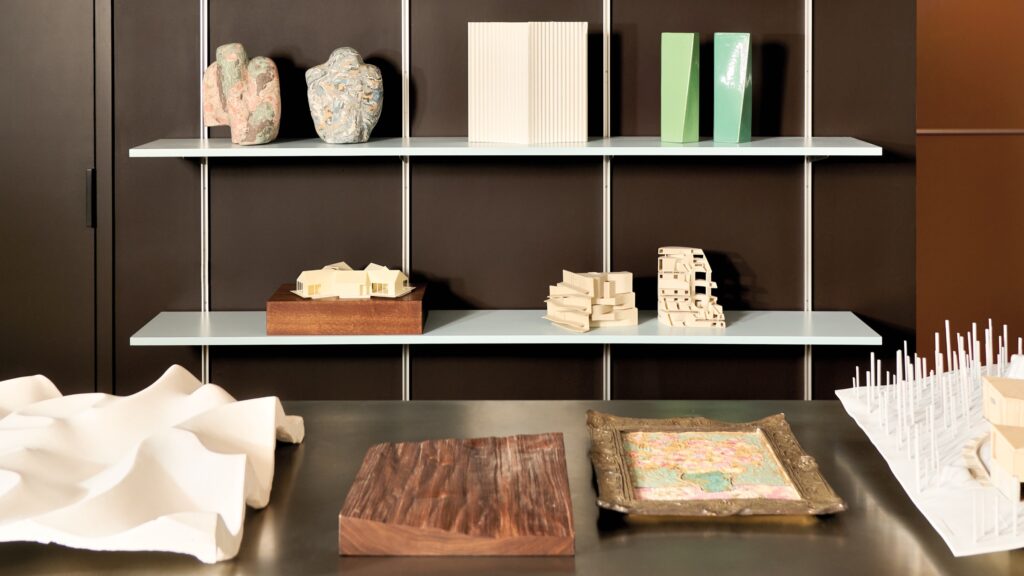
For neuroinclusive design, the research starts with people. For New York–based Young Projects, research begins with materials and techniques. Playful experiments with ceramics, wood, robotics, and weaving inform everything from large-scale structures to individual pieces of furniture. “There is a fluidity and sweetness in terms of how we can allow the research we’re doing to inform something that might be really big or something that might be really small,” founding principal Bryan Young told writer Laura Feinstein.
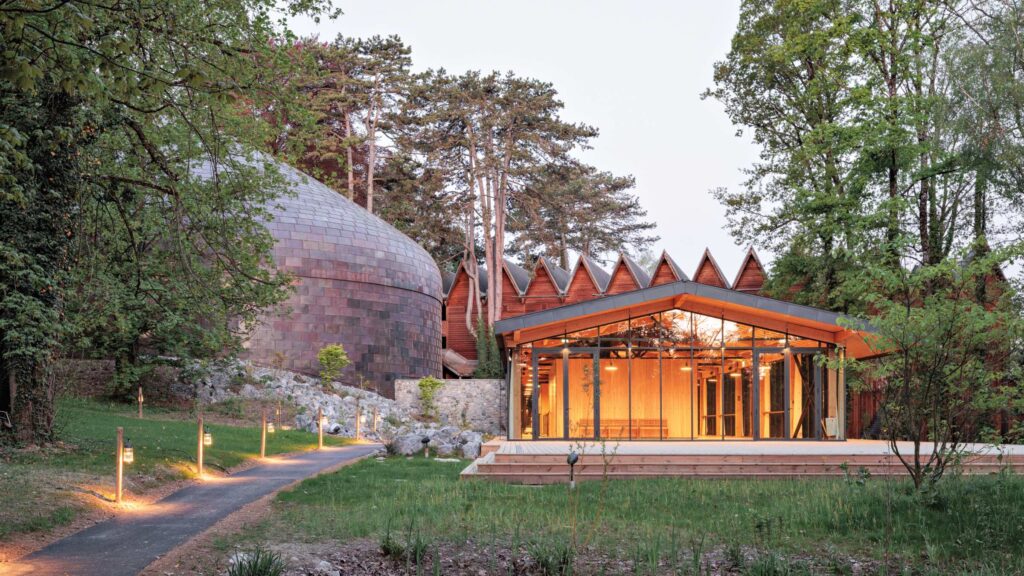
For La Source Vive, a music and performance venue in France, the research started with building performance. The quest to design a round room with superior acoustics led to innovations in construction, materials, and digital simulations. The result: a pitch-perfect reverberation time in a structure that looks like it was grown in a forest.We must pursue a deeper understanding of people, methods, and outcomes not just because it results in novel solutions but also because it enriches our tool kit when we are faced with intractable new challenges. “Viewed with an optimistic lens, data centers are the design problem of this era,” writes Wanda Lau in “Are Data Centers the Biggest Design Problem of This Era?” They now take up the lion’s share of the private office construction sector in the United States, but they are also extremely unpopular with a large segment of the American public for their impact on the environment and communities.
Thus far, design has played second fiddle to operational efficiencies in data centers. The more designers understand what we are truly capable of, the better we can reshape a typology like this to moderate its excesses and hold it to account.
Read every story from our 2026 September/October Issue:
Features
Profiles
Young Projects Designs for the Unknown
The Brooklyn studio experiments with materials, fabrication, and form to create architecture that puts discovery at the forefront.
Projects
Inside PCA-STREAM’s Unconventional Concert Hall
At La Source Vive, a challenging oval geometry becomes the foundation for an intimate performance space where architecture and acoustics work in concert.
Viewpoints
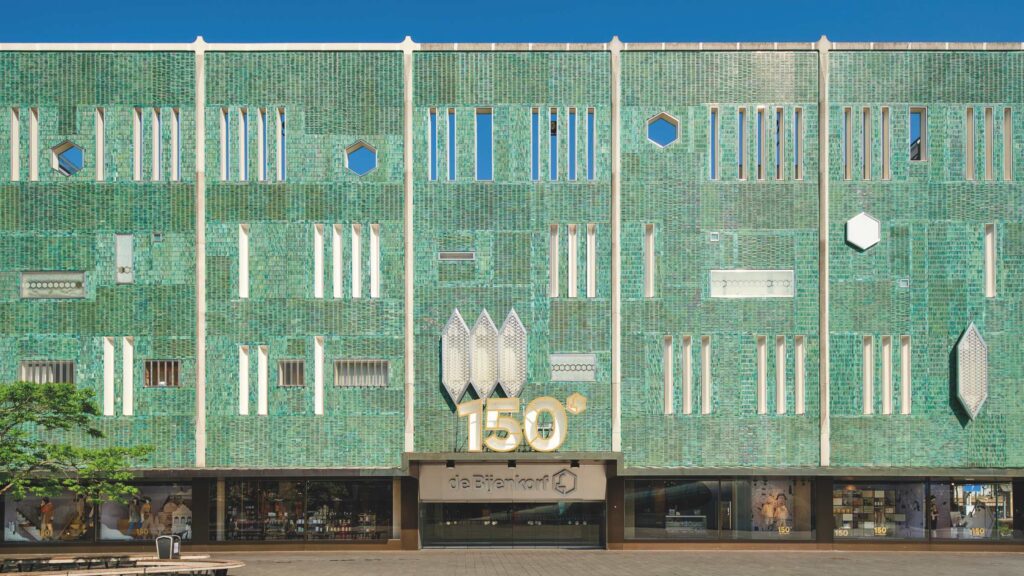
Chromatic Architecture Makes a Case for Color
Chromatic Architecture: The Craft of Colour in Design, a new book by Adam Nathaniel Furman and Kate Mazade, shows through 34 case studies how color is inseparable from design and architecture.
Viewpoints
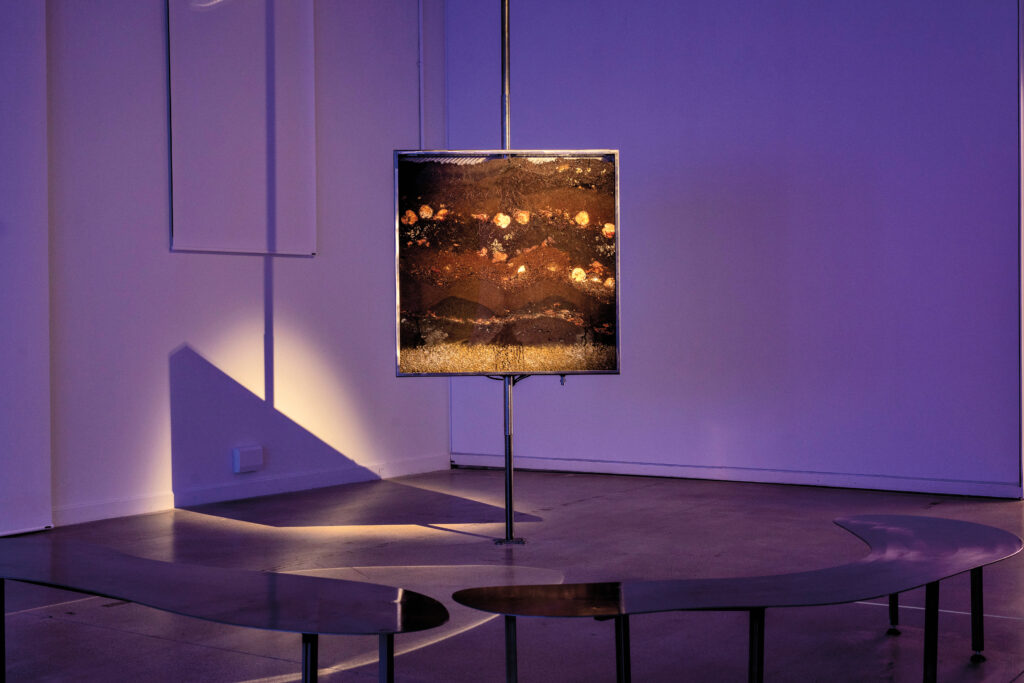
Are Data Centers the Biggest Design Problem of This Era?
AI is driving a data center boom. Can architects rethink the typology to meet growing demand without overwhelming communities and ecosystems?
Viewpoints
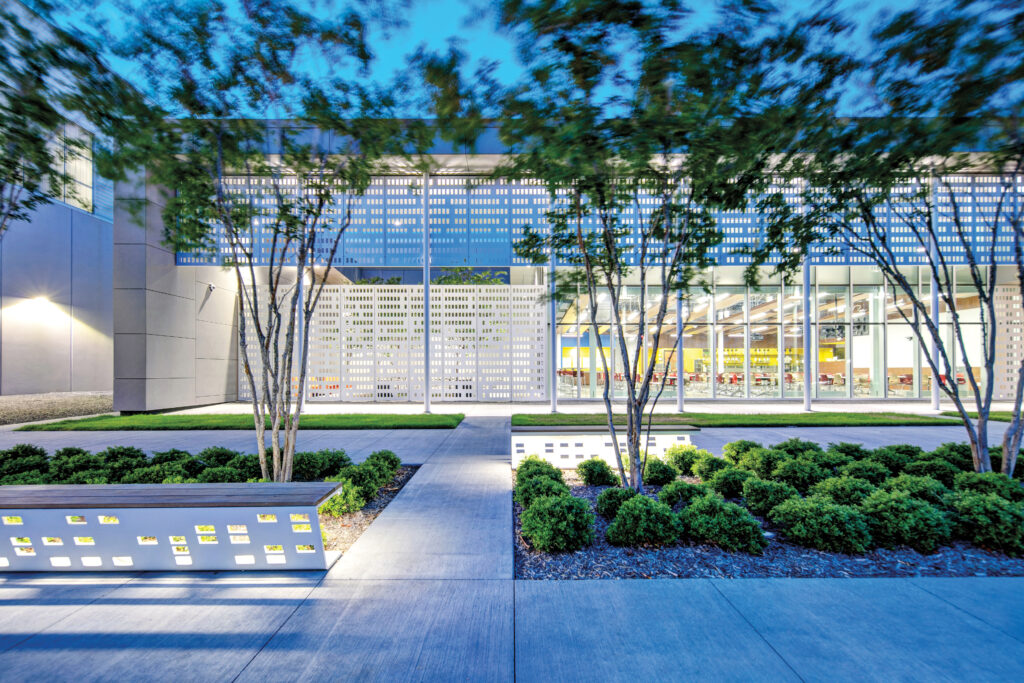
What Do Architects Need to Know About Data Centers?
With AI reshaping the scale, technology, and energy demands of data centers, Neil Sheehan of Woolpert discusses what architects need to understand about the design of the infrastructure behind the cloud.
More from the September/October Issue
Products
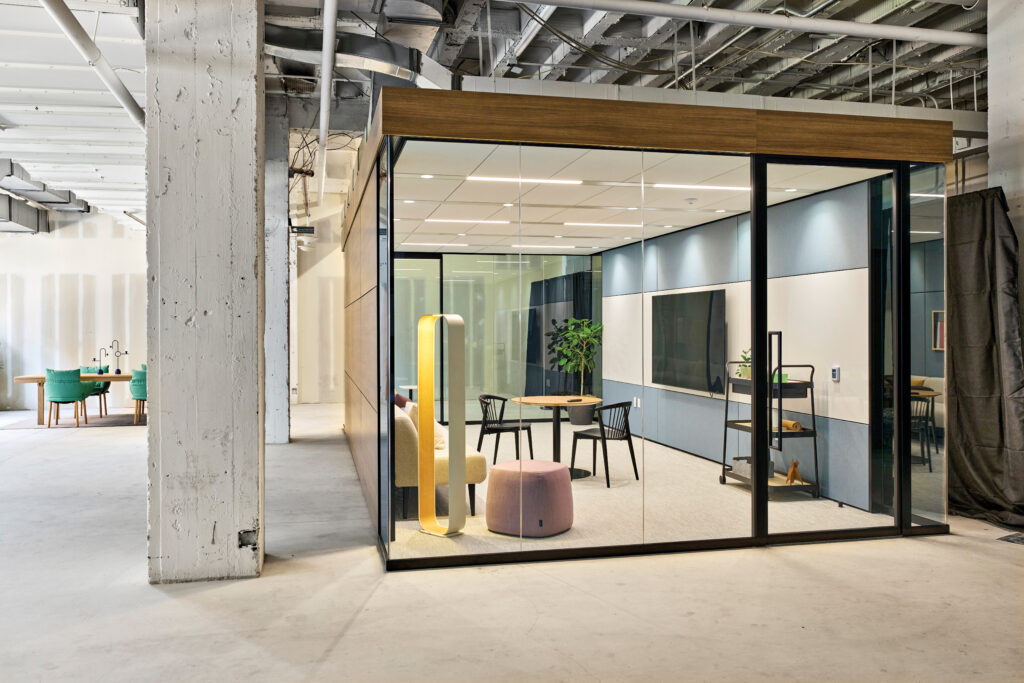
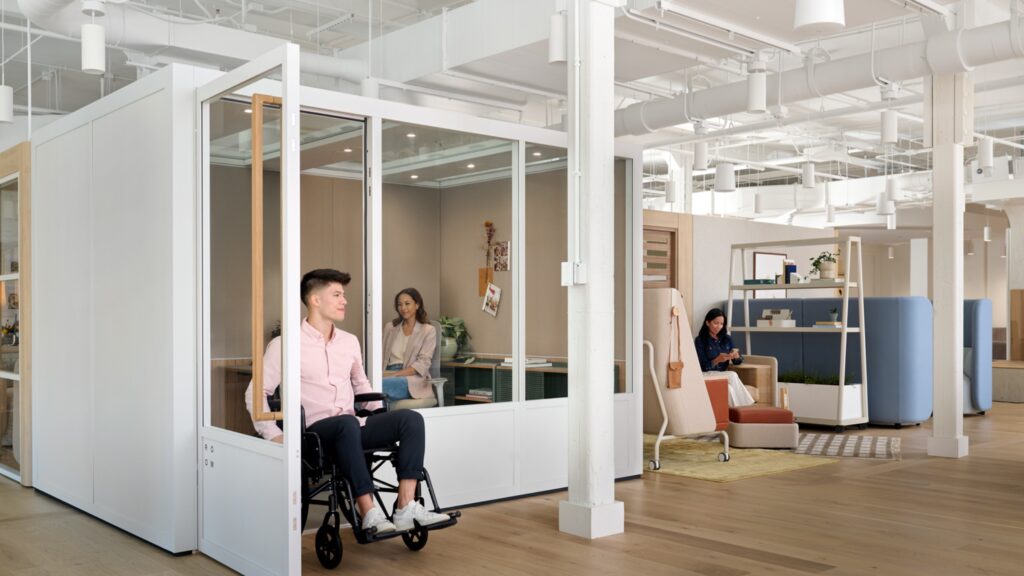
Haworth’s 4Space Rooms Promise to Transform Office Renovations
The inventive new system makes it easy for designers and their clients to put rooms in, move them around, and take them out.
Projects
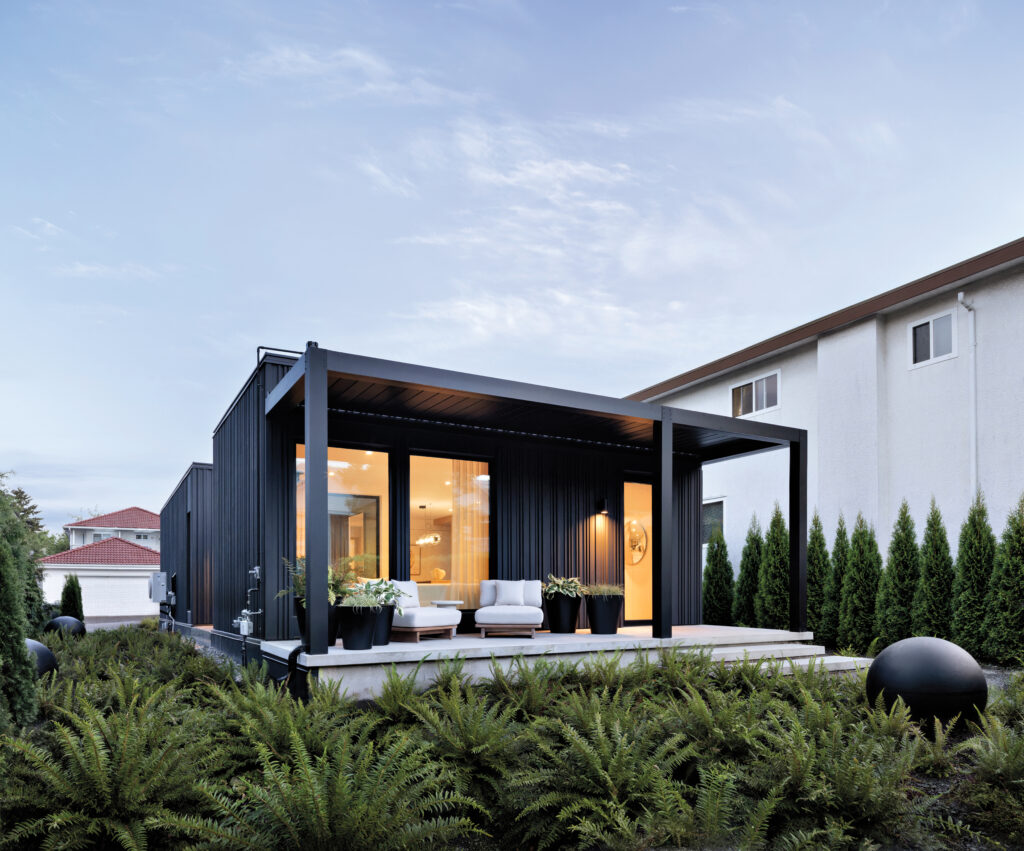
Commonplace Is Making the Case for High-Design Prefab
In Vancouver, McKinley Studios is testing a modular construction system that cuts building time from months to weeks without sacrificing architectural ambition.

Viewpoints
3 AI Architecture Tools Rethinking Workflows
From consolidating AI models to rethinking BIM and automating drawing-to-model conversion, tools like xFigura, Motif, and QikBIM target different points in architecture’s increasingly fragmented digital workflow. The g…
Viewpoints
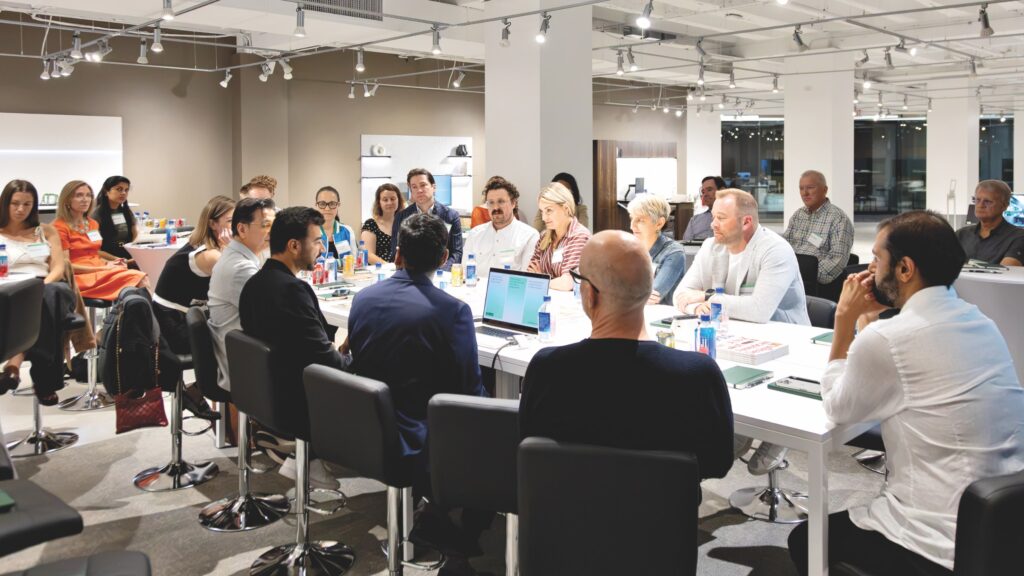
How Are Architects and Designers Navigating AI?
Leading practitioners discuss how AI is changing their practices—and evolving the future of the industry.
Products
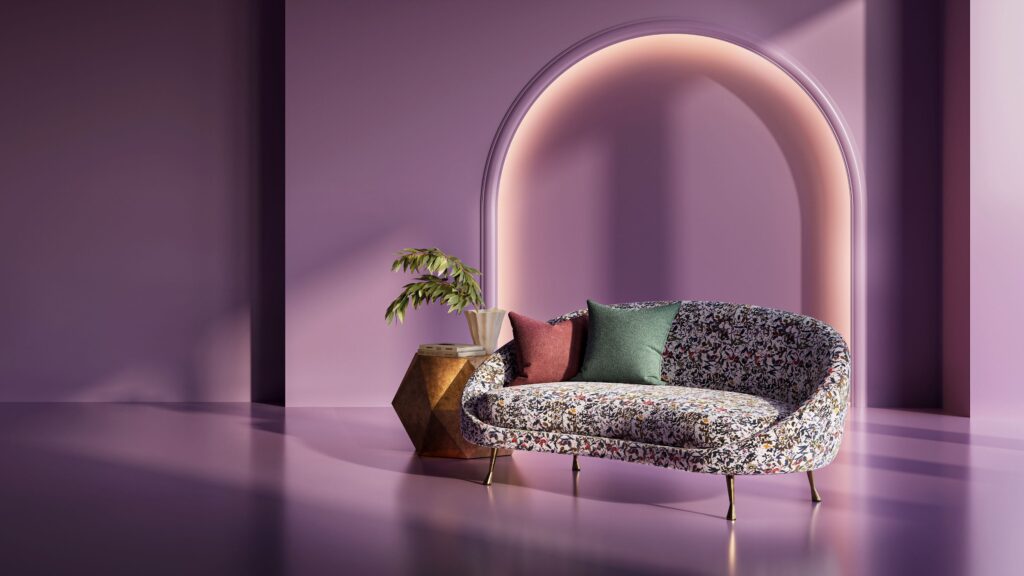
6 Material Trends Shaping Interior Design
From playful plaids and painterly botanicals to sculptural forms, discover what’s next in textiles, surfaces, and acoustic products.
Profiles
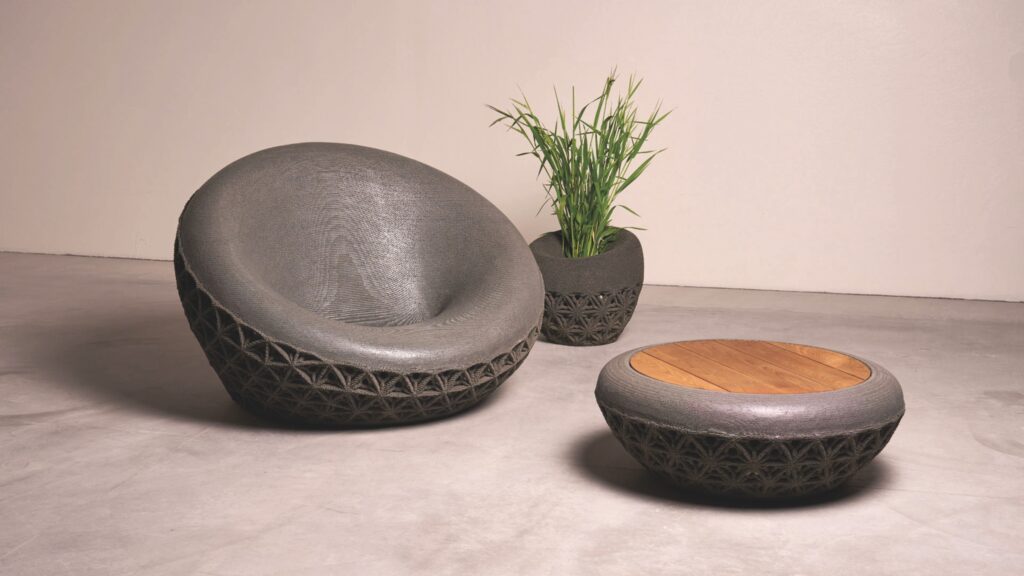
Common Object Studio Is Humanizing Concrete
Designed in collaboration with concrete manufacturer Mangrove, the studio’s Un Nido seating collection uses a leading-edge, low-waste additive process.
Profiles
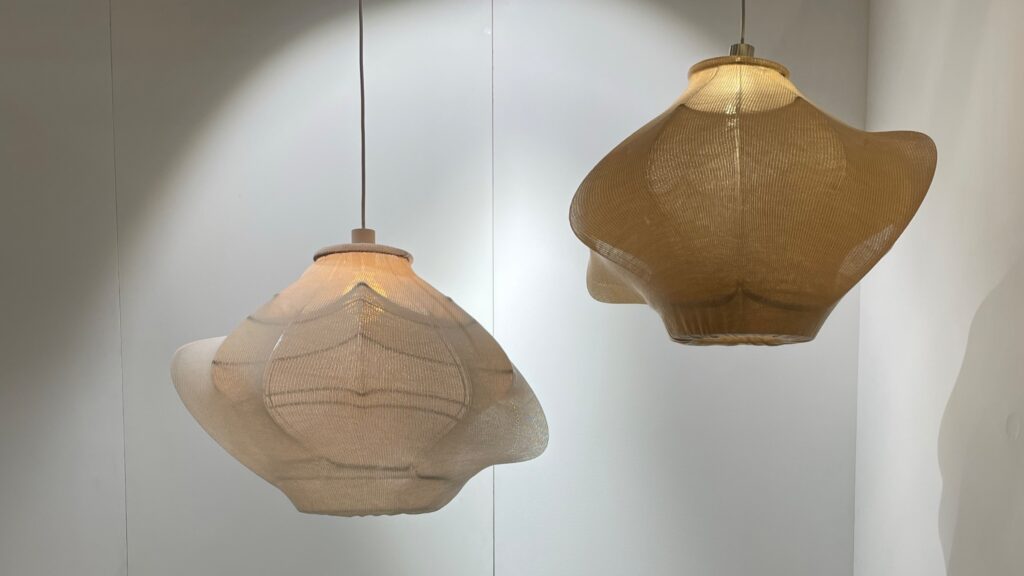
Yu Nong Khew Uses AI to Question Her Humanity
The Wesleyan University professor recently launched Studio Soft Hairy, a design practice that balances digital fabrication, craft, and microbiology.
Projects
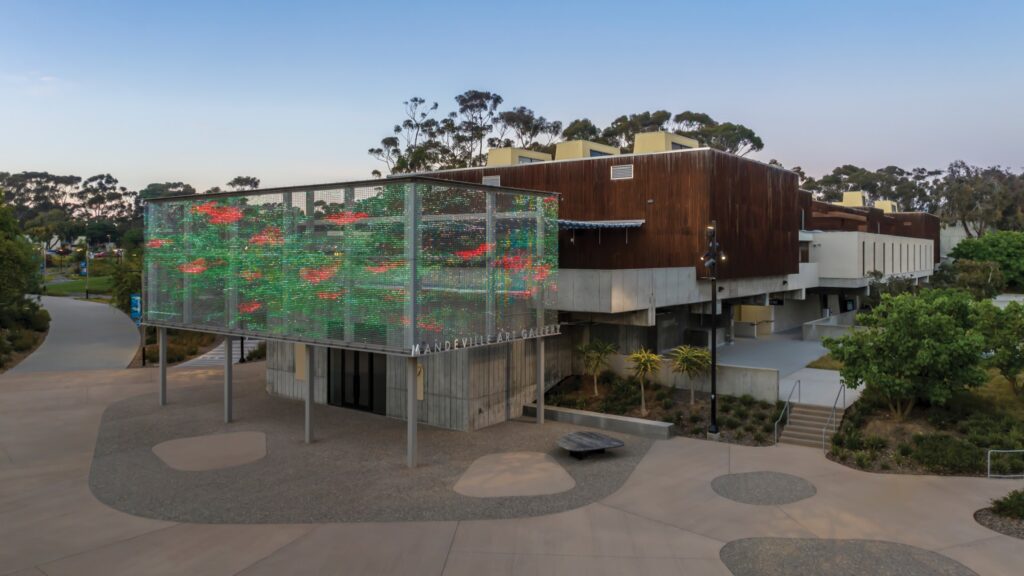
UC San Diego Transforms a Facade into a Dynamic Display for Digital Art
With the help of Studio E Architects, The Mandeville Center for the Arts now showcases innovative art, inside and out.

Viewpoints
Unmasking Design for Autism
When designing for neuroinclusion, we must consider intersecting identities and overlapping systems of oppression that shape people’s experiences of disability.

Viewpoints
A Whole-Systems Approach to Design for Autism
This new ASD Design Matrix can help designers apply new scientific insights while designing spaces that consider autistic people’s experiences.
Products
The METROPOLIS 2026 Neuroinclusive Design Product Guide
The following selections represent some of the best products for designing interiors that are neuroinclusive, sensory sensitive, and accessible to a broader range of human experiences.

Projects
UC Berkeley’s Newest Building Is All About Human Interactions
The Barbara and Gerson Bakar Gateway—home to the university’s College of Computing, Data Science, and Society—gently reminds data scientists and AI researchers of what’s really important.
Would you like to comment on this article? Send your thoughts to: [email protected]
Latest
Viewpoints
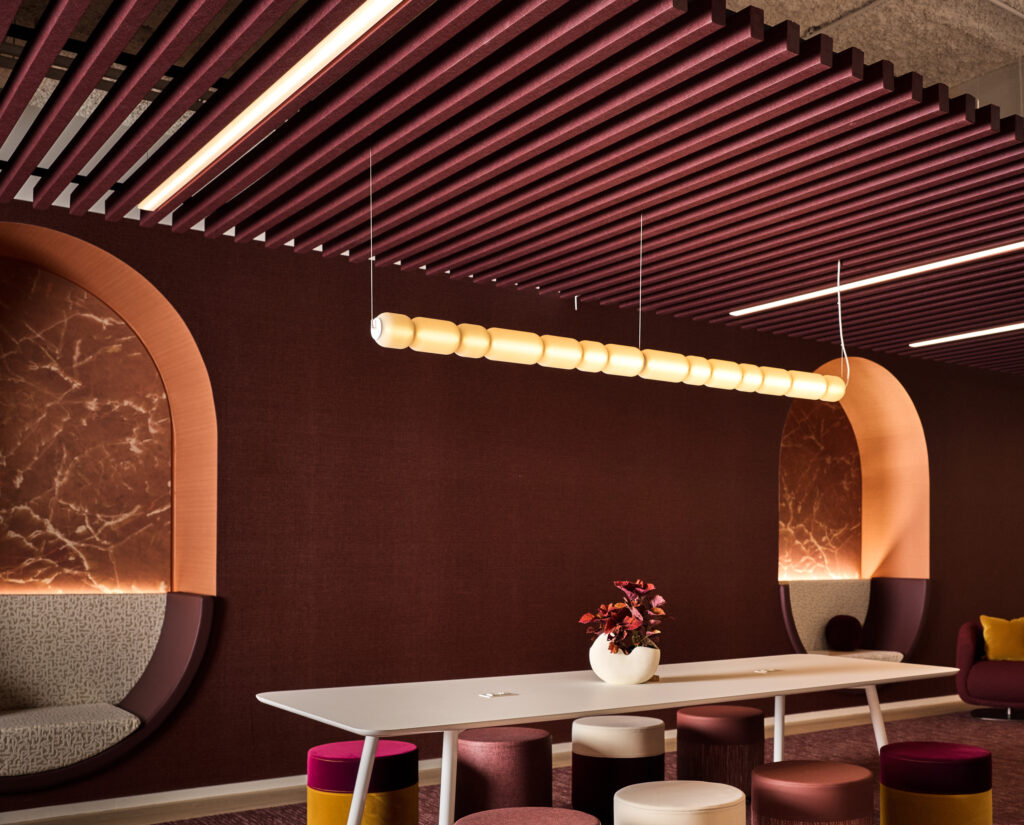
Details That Close the Loop: Innovations in Circular Design
In the latest episode of Deep Green, Autex and Momentum explore how material innovations, adhesive-free attachments, and new recycling technologies are making circular interior products possible.
Projects
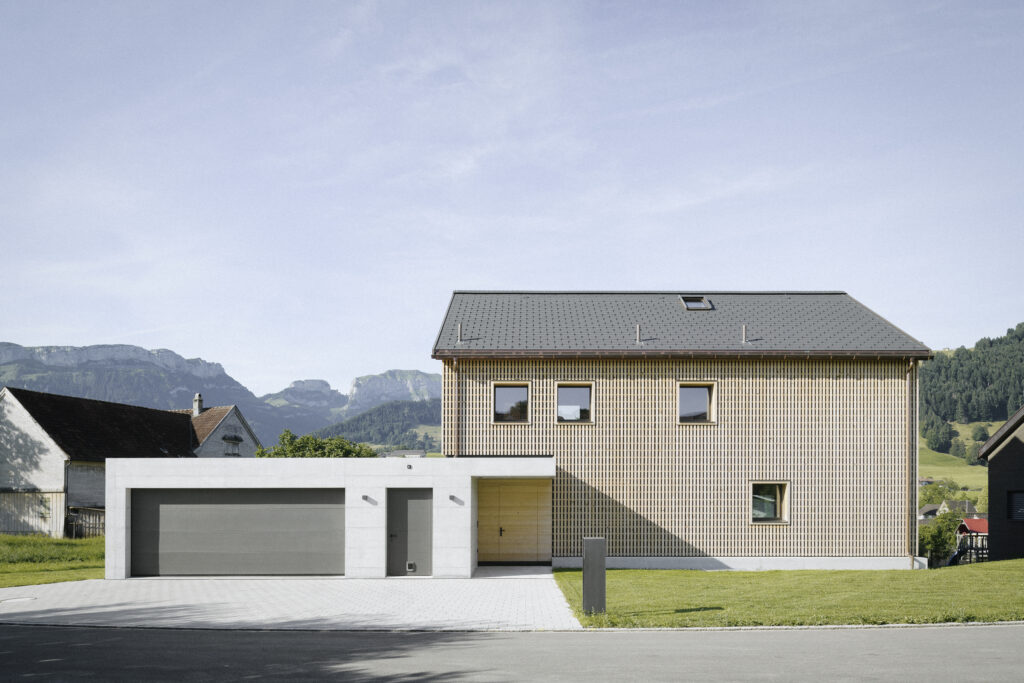
A Swiss Alpine Home Makes Art of Moon-Wood
Designed by J2 Architects and rooted in Alpine tradition, the residence uses 200 hand-selected silver firs harvested during the waning moon.