


October 22, 2026
Unmasking Design for Autism
When I was in the process of getting my autism diagnosis at age 28, I took the CAT-Q, a questionnaire that evaluates how much a person camouflages their autistic traits to fit in socially. Like many late-diagnosed adults with autism, I scored pretty high. I wasn’t surprised.
Unfortunately, societal expectations force a lot of autistic people to mask or cover up our natural behaviors to appear “normal”—so we can make friends, do well in school, get a job—all of the things humans are supposed to do to become “productive members of society.”
Growing up in a neurodivergent household, I did not experience anything like this, because my mom always encouraged me to be myself. My autistic traits and “special interests” propelled me through school and fueled an insatiable and “obsessive” creativity—I spent all my hours dressing myself in wild and colorful outfits, making music, drawing cartoons, writing, and reading art history textbooks like they were NYT bestsellers.
But it was upon my moving to New York City, navigating graduate school for design, and entering the workforce that the pressures of living in our capitalist society started to sink in. I needed to learn how to make money from these all-consuming interests or I wouldn’t have a place to live or food to eat. It seemed like people weren’t going to give me money if I couldn’t look someone in the eye during an interview, provide pleasant small talk with clients, stop humming and whistling when I’m focusing on something, and learn to tolerate the sensory overload I experience in everyday office environments. So, at the expense of my own well-being, I learned to suppress the things that made me noticeably autistic. I learned to mask.
To a queer person, masking feels a lot like being in the closet. It means constantly editing yourself to remain safe in environments that were never designed with you in mind. This can result in chronic stress and exhaustion, the amplification of co-occurring mental health conditions, and eventually autistic burnout, which can be very debilitating. Sometimes when we mask, it might look like “high functioning” on the outside—but it rarely feels that way on the inside.
I often feel that people can see my productivity but can’t see the crumbling nervous system that lies underneath. That’s because terms like “high functioning” or “less severe autism” are about how people perceive us. It’s often a value judgment based on productivity but not on the lived experience of disability. I might be high masking, but there are very few instances in my life where I have felt “high functioning.”
The problem here isn’t an autistic person’s brain; it’s the reality of being disabled by the physical environments, societal expectations, and systems of oppression that determine what kinds of bodies, minds, and behaviors are considered acceptable.
For me, these experiences shape how I think about design as a tool for unmasking rather than another mechanism for teaching people how to perform normality. How can we use design to help people embrace their authenticity rather than try to hide themselves?
Design for neuroinclusion should never be treated as a niche design specialty or a trend that impacts few but, instead, as an important aspect of the bigger fight for disability justice and collective liberation. Instead of asking, “How can design make autistic people function better?” we should ask: How can we create environments where people don’t have to work so hard to reach a baseline of well-being or a state of homeostasis?
Design for neuroinclusion also means recognizing that there is no single autistic experience. Autism exists along and inside systems of race, gender, sexuality, class, and age, and those identities shape how someone experiences both a space and their own diagnosis.
My own autism diagnosis happened around the same time I came out as transgender. As a trans person, I cannot separate my experience of autism from my experience of gender. Research suggests that trans and gender-nonconforming people are between three and six times as likely as cisgender adults to be diagnosed as autistic. And an estimated 4 to 9 percent of autistic people are trans or genderqueer. This means that autistic rights are also trans rights. If I don’t feel safe in a space as a trans person, I’m definitely not going to feel safe in that space as an autistic person. My questions are both programmatic and political: Is a design truly neuroinclusive if it lacks basic amenities like gender-neutral bathrooms? How can we achieve this level of attention within design when so many of us lack rights like basic health care?
Sometimes the most important thing design can help facilitate is not the capitalist myth of independence but interdependence within our communities. Finding other autistic, queer, and trans folks gave me something that years of trying to function on my own could not: the realization that I wasn’t alone and the opportunity to learn from and rely on others in my communities.
We must think beyond individual diagnoses and consider the systems that shape people’s experiences of disability. Ultimately, I don’t want design to help autistic people become better workers, better consumers, or better performers of neuronormativity. I want it to help people live more fully as themselves. The goal isn’t to make us fit better into an existing world. It is to create environments where more kinds of people can belong without having to disappear behind a mask.
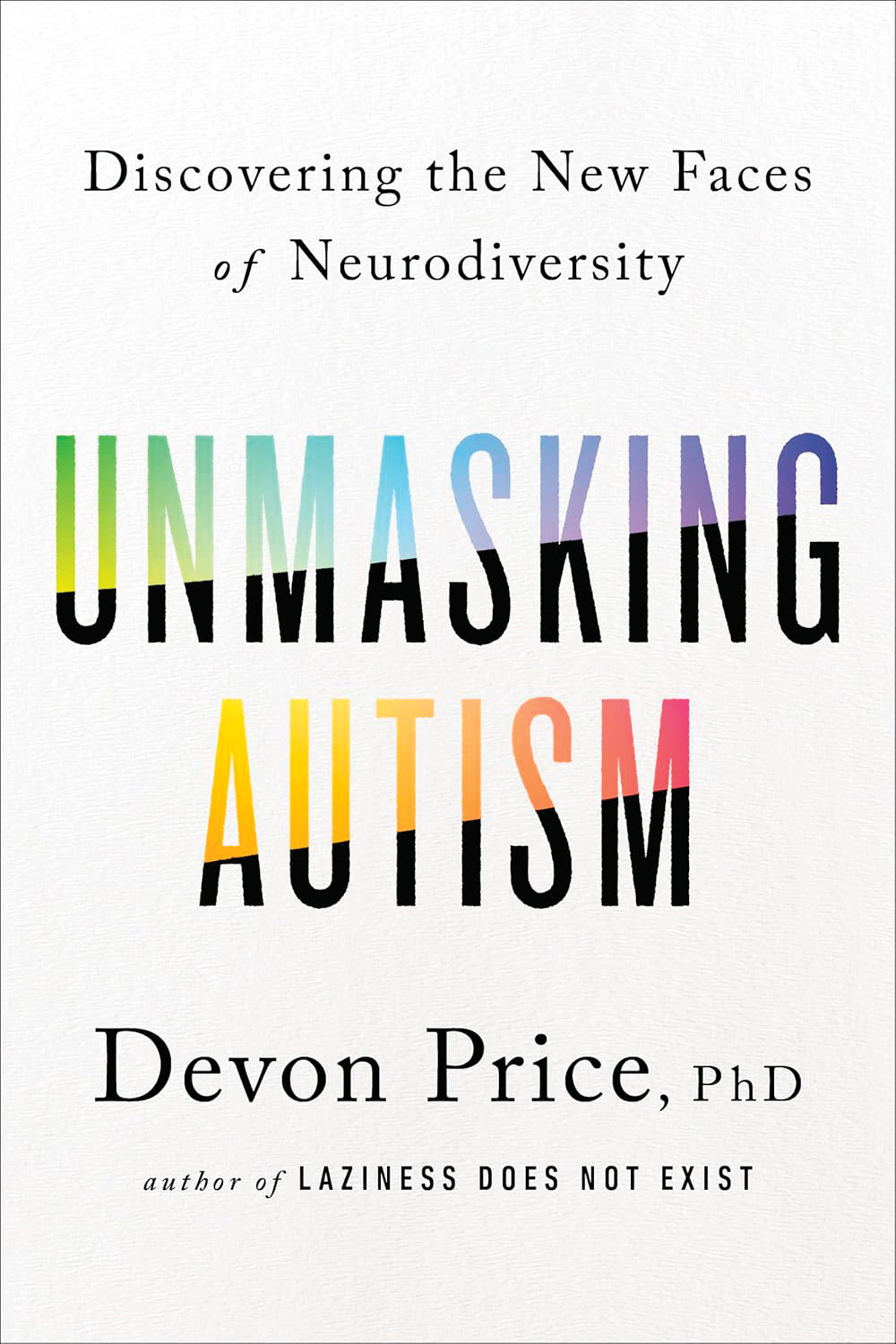
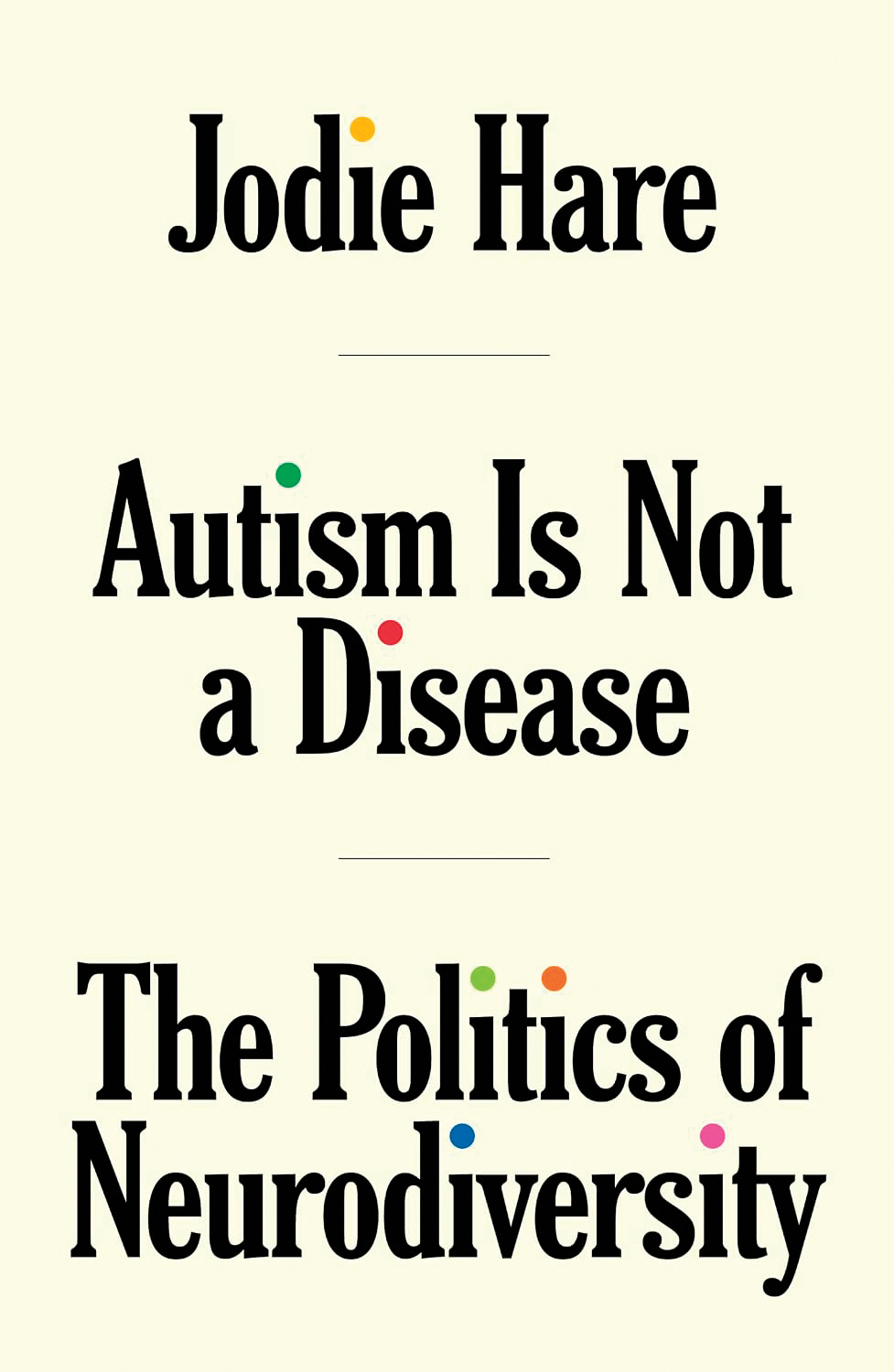
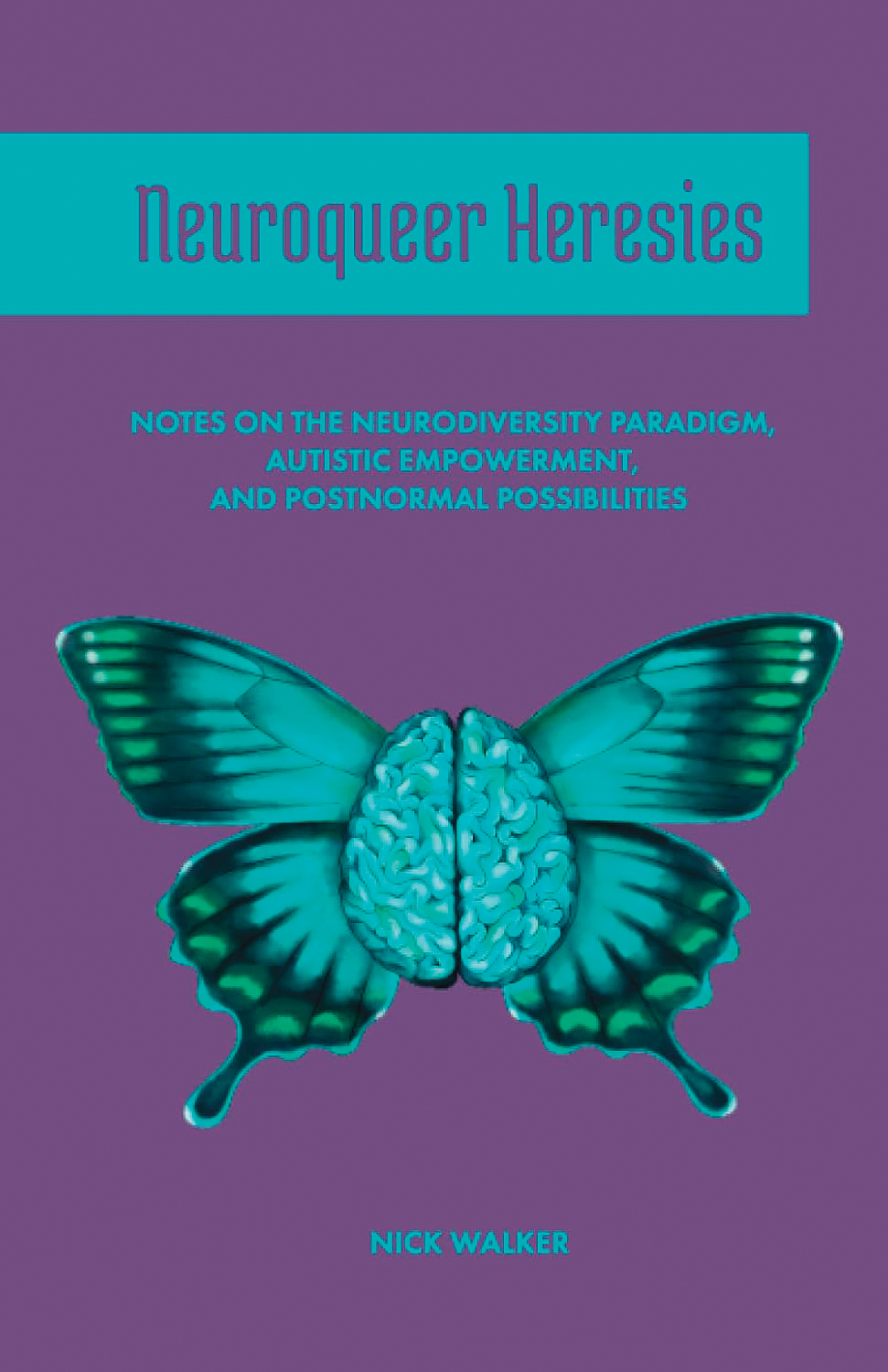
Recommended Reading by Queer, Autistic Authors shown above (Devon Price, Jodie Hare, Nick Walker).
Would you like to comment on this article? Send your thoughts to: [email protected]
Select post types