



August 21, 2026
What Is and Is Not Design for Neurodiversity

The day culminated in the introduction of The ASD Design Matrix, a brand-new, science-backed approach for designing for autism. Developed by Dr. Angelita Scott, founder of consultancy CulturWell, and the lead author of the IWBI WELL Equity Rating, alongside AJ Paron, Sandow’s EVP and design futurist, the framework serves as “a roadmap reflecting human diversity, shifting from reactive to proactive whole-systems guidance.”
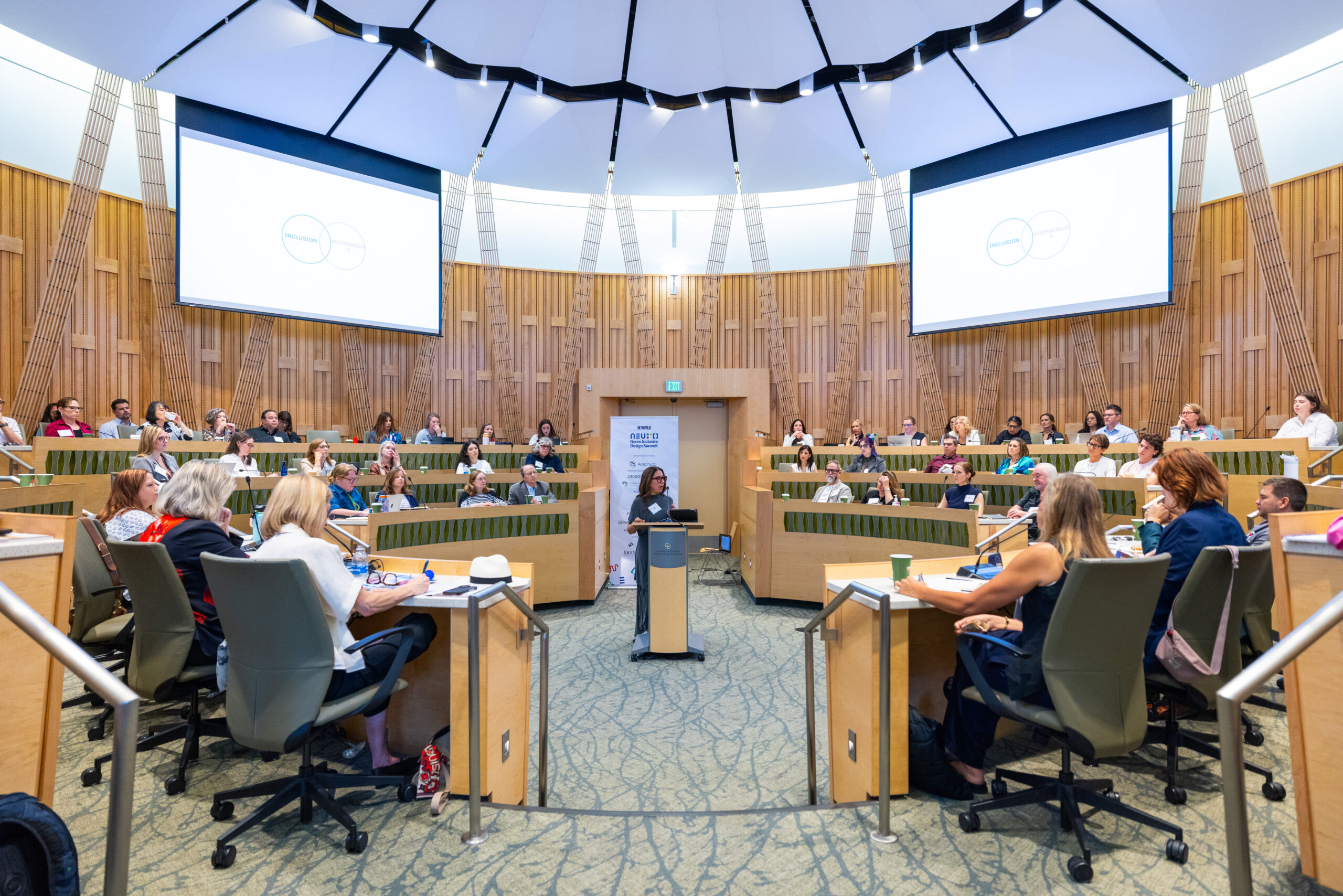
At the start of the day, Paron reminded attendees: “Designers have a responsibility to build better tools for understanding human experience, share knowledge generously, and lead with curiosity because every person experiences space differently.” And that care and commitment to curiosity is exactly what fueled the discussions ahead. Five ideas in particular emerged from the conversations—we hope they will inspire you to think differently about the future of neuroinclusive design.
The Neuro Inclusive Design Summit was generously supported by sponsors Nook, KI, Mantra Inspired Furniture, MillerKnoll, Shaw Contract, Vibe by Vision, Unika Vaev, Garden on the Wall, Mohawk Group, Lakeshore Learning, and OFS—design brands and service providers that are actively engaging with design for neurodiversity. Read more about our sponsors’ product offerings at The METROPOLIS 2026 Neuroinclusive Design Product Guide.

01 Neuroinclusive design is not a niche specialty—it’s just good design.
Neuroinclusive design is not about creating a separate category of spaces for autistic or neurodivergent people, but about designing environments that acknowledge the range of human sensory and cognitive experiences. And that’s just good design.
Throughout the day, speakers reminded us that no design is neutral. Every space communicates through light, sound, material, temperature, scale, movement, and social conditions, and it is through a nuanced understanding of empathy, sensory experience, social context, and human behavior that architects and designers can learn to create more equitable spaces.
While some might feel like the term “neurodiversity” is the new “sustainability”—a buzzword increasingly common in certain design sectors—Upali Nanda, partner and executive vice president at HKS, believes the two are intimately linked. “Our brains need to develop new skills in this new world,” she said, noting the connection between climate and brain health. “We cannot make environmentally responsible decisions without healthy brains,” she said. “We cannot have healthy brains without healthy environments.”

02 Neurodiversity is not a design trend—it’s a matter of civil rights.
Our built environment consistently fails our basic human needs. “Every space you’ve ever designed has excluded someone,” David O’Coimin, founder of Nook, an innovative mobile sensory pod manufacturer, told the audience. Kay Sargent, principal and director of thought leadership in HOK’s interiors group, has spent her career pushing back against this reality. In her presentation, she urged attendees: “It is a moral imperative to design spaces where all occupants can thrive.” Designer and attendee, Chris Adamick, agreed, adding, “Human needs transcend all neurotypes.”
To move forward, we must eliminate the idea of design for neurodiversity as an optional consideration, and reframe it as a fundamental human right to access, comfort, dignity, and belonging. As Don Ruggles, architect and UC Anschutz’s Director of Classical Studies, College of Architecture and Planning, argued, “The spaces we inhabit continuously input into our nervous system and having neurological balance is not an accommodation, it is a civil right. Homeostasis is a civil right.”
With this in mind, it’s critical that design for neurodiversity is viewed within the broader context of the disability justice movement. The question, then, is not “how do we produce a perfect universal environment?” but, “How do we recognize exclusion and intersecting systems of oppression as inherent design problems, and how do we adjust our processes accordingly to create spaces that support both individual needs and collective liberation?”

03 Truly inclusive design does not ignore beauty—it embraces neuroaesthetics.
Designing for sensory needs does not mean designing neutral spaces devoid of character, beauty, or delight. In fact, aesthetics are an important component of neuroinclusive environments and neuroaesthetics—the study of how the brain and nervous system perceive and respond to beauty, art, and design—can help create healthier and more affirming spaces. Upali Nanda noted how access to daylight, nature, and art can help create a sense of awe, which “can play an important role in bolstering happiness, health, and our social interactions.”
For Kay Sargent of HOK, beauty is a biological necessity, and we need to stop treating the brain in isolation, but instead understand mind, body, and environment as one continuous system. She said, “By incorporating principles of neuroaesthetics, we can create environments where all can thrive.”
Magda Mostafa, architect, autism design consultant, and professor at the American University in Cairo, pushed the idea further: “We all have the right, not to universal design, but to universal delight.” While many designs for workplaces, schools, and sensory rooms aim to reduce sensory stimulation, she reminds the audience that well-designed environments should be capable of producing positive sensory experiences, too. “Sensory spaces should be acts of abundance.”

04 Architectural design is not separate from sensory design—it is sensory design.
Architecture creates and facilitates a broad range of sensory experiences, yet “sensory design” is often treated as a specialized category separate from architectural practice. The summit challenged that distinction. Every material, threshold, acoustic condition, lighting strategy, circulation path, and spatial relationship contributes to how a person experiences a building. Architectural design is sensory design.
Amanda Perches, occupational therapist and founder of Sensational Spaces, a consulting and design firm specializing in neurodiversity, emphasized the range of sensory regulation needs. “Some people need calming spaces to regulate, and some people need movement to regulate,” she explains. “But it is possible for them to co-exist in the same space when the environment is designed with intention.” For her, choosing essential furniture and sensory equipment first, and then designing the space around them is key to designing the most calming and functional spaces.

05 Neuroinclusive design is not prescriptive—it’s participatory.
One of the biggest challenges in designing for autism is the temptation to turn complex human experiences into a prescriptive checklist of design principles. A quiet room, muted colors, or acoustic treatments may support one autistic person while creating discomfort or exclusion for another. “There is no universal autism experience, and there is no one-size-fits-all design response,” says Dr. Angelita Scott. This is the premise behind the ASD Design Matrix, a whole-systems framework that considers the individual alongside the physical environment and the social conditions in which that environment is experienced.
“Each intersection in the matrix is a catalyst for conversation,” Mostafa comments on the framework. “Catalyst as opposed to a checklist opens up the conversation to cultural specificity and context that can’t be captured in checklists.” That shift—from prescription to conversation—is necessary for moving forward with this work.
For Hannah Silver, inclusive design facilitator at Holst, that conversation with the autism community was key in designing two new sensory spaces for Oregon’s East County Library. She explained, “We had an engagement process where we collected over 10,000 comments by community members, we tabled at an Autism Walk, we had online accessibility focus groups, and a survey that reached out to over 150 people.” The process proved that, when it comes to designing for autism, the most valuable perspectives come from those with lived experience, and in the world of tight project timelines, it’s well worth putting effort into community engagement in the early design stages.

For Jennifer Carpenter of Verona Carpenter Architects, moving neuroinclusive design forward also means that: “We must build neurodivergent design teams.” The idea of “nothing about us, without us” may be the most important takeaway of the summit. Neuroinclusive design is ultimately not about designing for neurodivergent people, but designing with them. The future of this work depends on making lived experience a form of expertise by ensuring that neurodivergent voices are leading the conversation.
Would you like to comment on this article? Send your thoughts to: [email protected]
Latest
Viewpoints
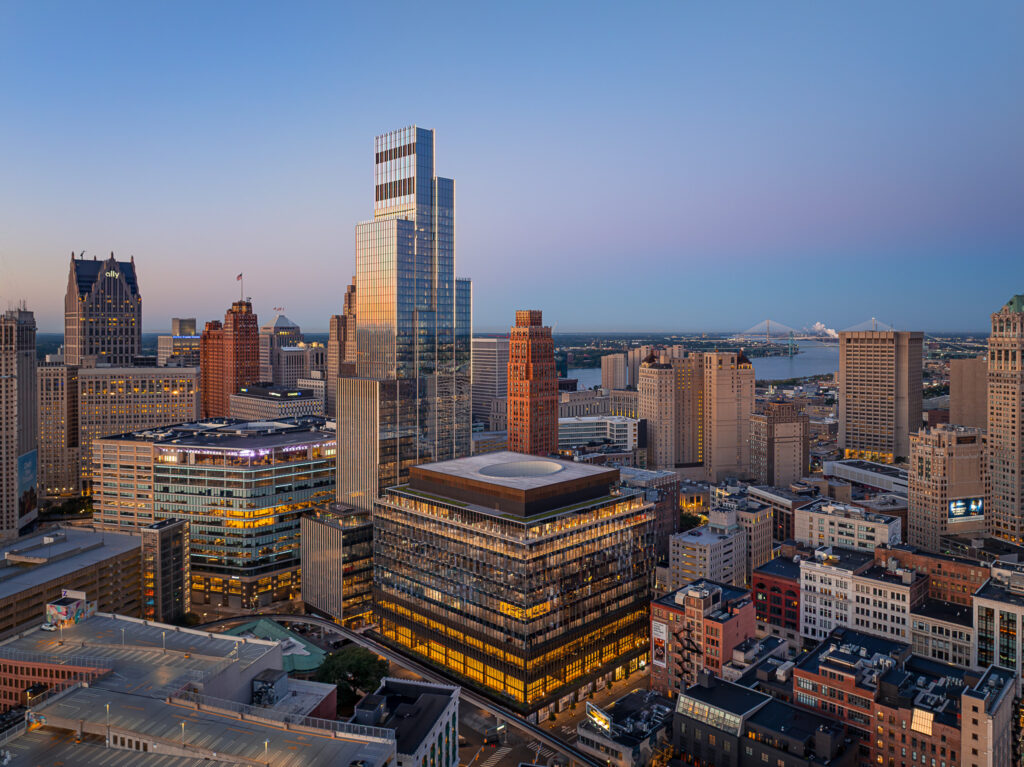
Detroit Month of Design: A City’s Work in Progress
Now in its 16th year, the celebration offers insights into the Motor City’s ongoing accomplishments without glossing over its hurdles.
Projects
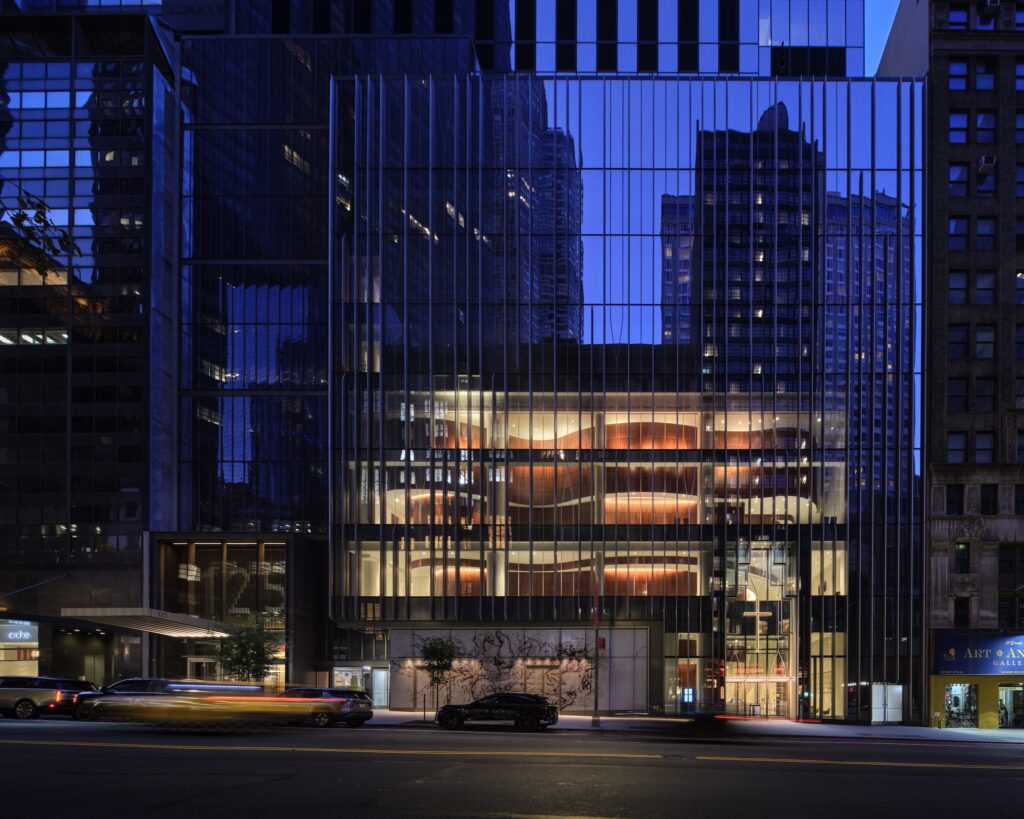
How a Hybrid Building Helped an Historic Manhattan Congregation Remain in Place
On Billionaire’s Row, FX Collaborative designed a new home for Calvary Baptist Church combined with an office tower.