


October 23, 2026
Net Zero 2026 Proposes Solutions
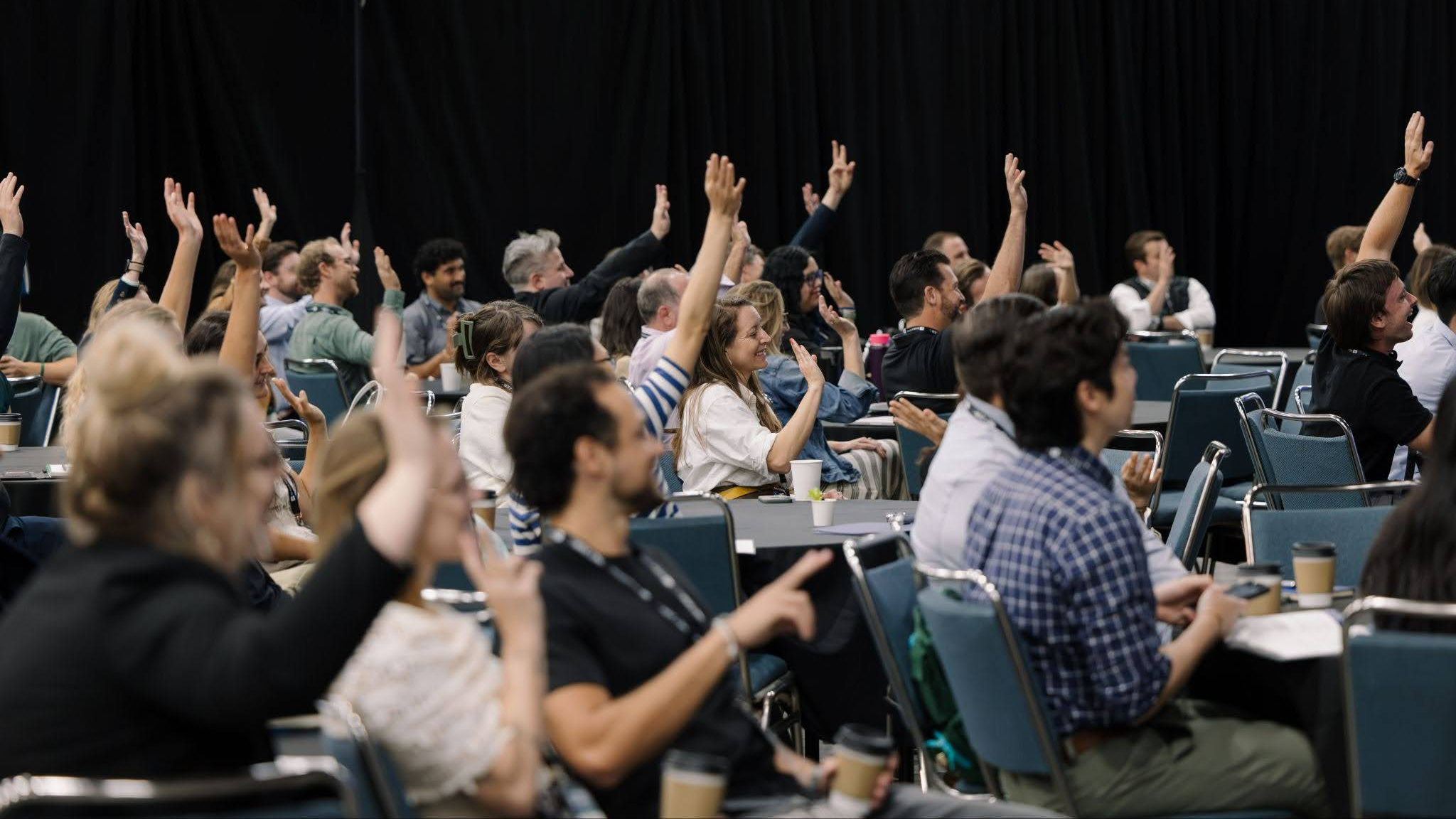
With the hottest summer on record in the United States now officially in the books, it’s easy to fall into doom-and-gloom spirals. The Net Zero 2026 conference at the Los Angeles Convention Center held October 8 took a different tack, focusing on solutions for the professional builders, students, and designers in attendance. Even so, a sense of urgency underscored the day’s events. “We already have most of the tools that we need to build the low-carbon buildings and retrofit existing ones. The challenge is no longer just invention. The challenge really is deployment—which is where all of you come in,” said Marcene Mitchell, senior vice president of climate change at the World Wildlife Fund, during her opening remarks. “There are opportunities across the building industry, and the time is now, right now, to get it done.”
From Space Exploration to Local Solutions
Net Zero’s programming covered sustainability as more than a buzzword at all industries, scales, and settings. A keynote panel convened space industry professionals, both former and current, affiliated with NASA and JPL, to explore how space study informs climate science. Dr. Carmen Blackwood, a former NASA/JPL project scientist for the GRACE mission and CEO of EarthRise, discussed how her work looking at Earth from space can support climate solutions such as regenerative farming, as well as growing food in space (and yes, she addressed the perennial question of whether potatoes can be grown on Mars, which is much more complicated than popular sci-fi might lead one to believe). “What we’re trying to innovate for space and Earth are aligned,” she said.
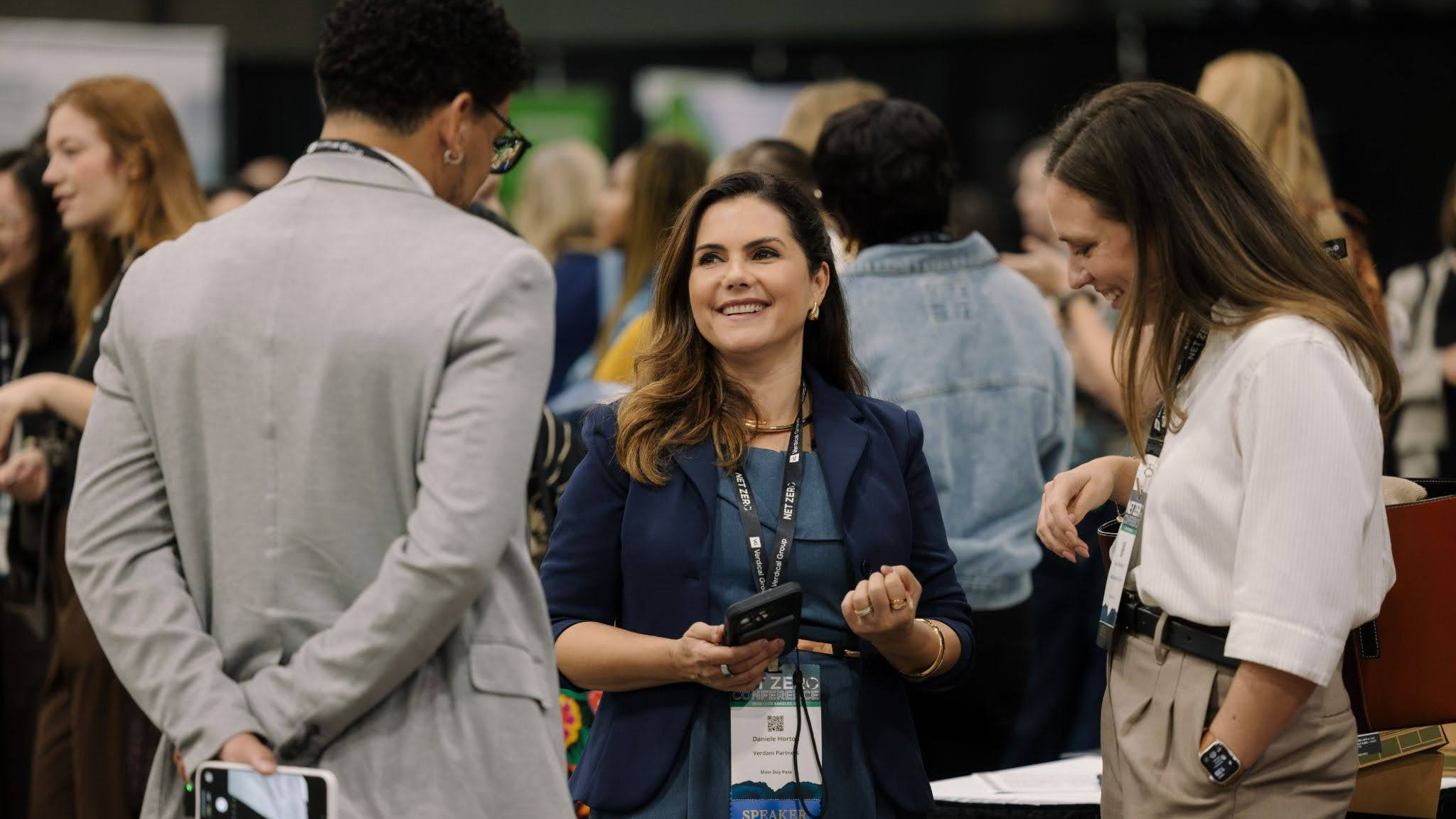
In contrast to this panel, most case-study sessions were much more grounded. Attendees could drill down into specific materials and resilience strategies in certain sectors, such as health care, as well as conversations about the intersections between social equity and decarbonization. The 2025 L.A. wildfires remain a focus, with the presence of utility companies and energy experts who in this setting positioned themselves as allies toward net-zero goals and general resilience. The founder and team members of Chicas Verdes presented the story of their successful garden program at Manual Arts High School in South Los Angeles that has grown to nine schools and collected hard data in an effort to scale its impacts and curriculum—no small feat for the type of effort that too often depends on the commitment of one particular staff member in under-resourced institutions. Consultants shared perspectives from projects around the globe, too, in locations such as Mexico and Brazil.
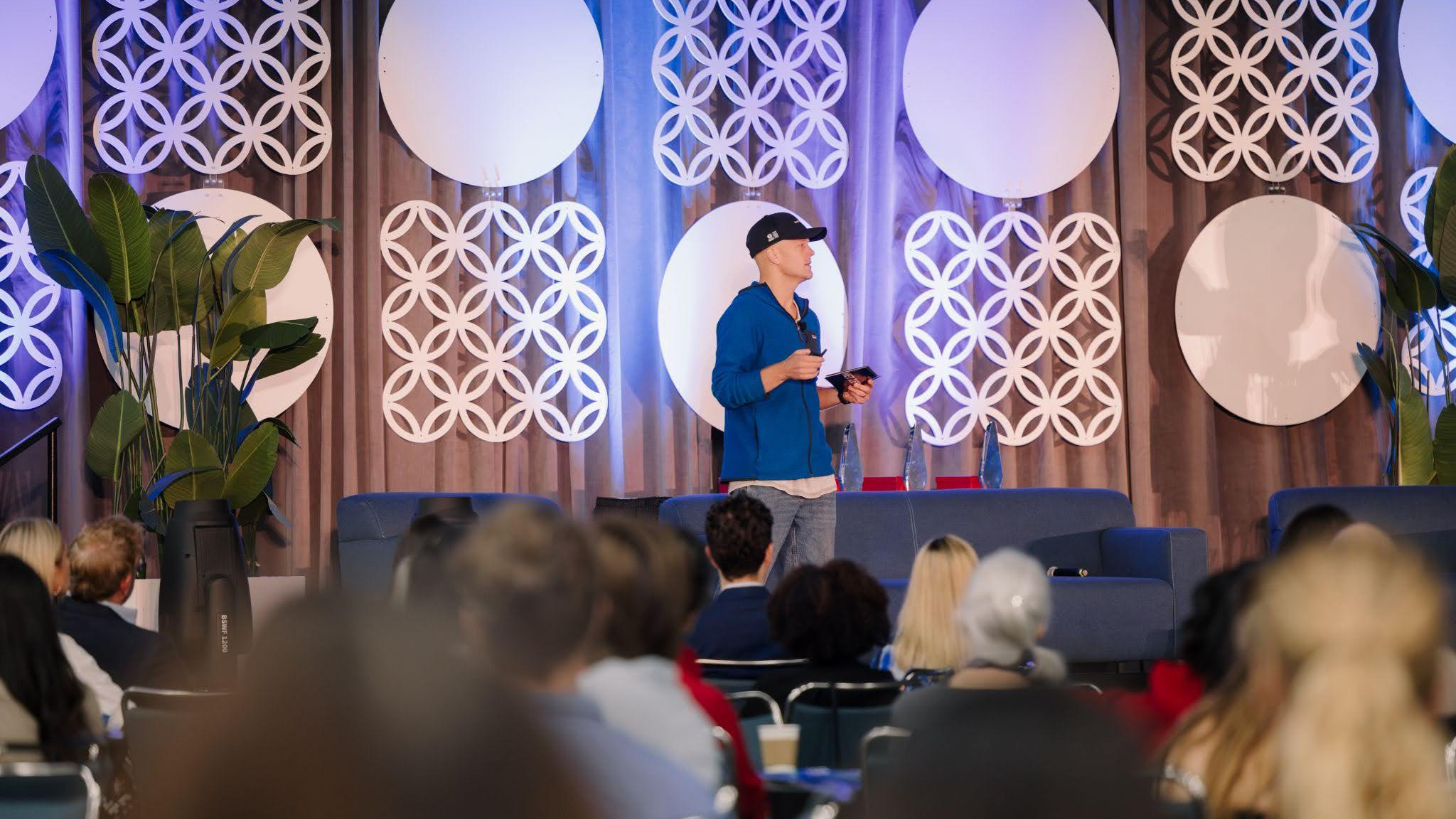
A balanced—and engaging—point of view came from Eric Corey Freed, principal and director of sustainability at CannonDesign. “Our world is on fire. We need to pivot quickly,” he said, echoing contents of his slides. The call to action and case studies that followed continued the theme of responding in the face of alarming realities. He introduced the multidisciplinary firm’s approach to roadmapping pathways to net zero energy, joined by CannonDesign’s Debora Favaretto and Selin Guner. Freed dropped a sober reminder to think of scorching August 2026 “as the coldest summer for the rest of your life,” but he also pointed to the opportunities that the modern environmental movement and improved material technologies now afford. Successes include decoupling carbon emissions from economic growth in California and solar becoming the cheapest form of energy on the planet (its price having fallen 99.7 percent, an outlier achievement for any category).
Turning Ambition into Action
Freed cautioned against adopting an “eat your vegetables” mindset when developing energy master plans and climate action plans to clients such as universities and hospitals that have large building assets to manage and might be hesitant about the process. Instead, reframing priorities through the sometimes messy steps of getting to these plans makes a stronger case for long-term goals linked to public health, well-being, and improved revenue streams—and not decarbonization for its own sake. While it’s up to the experts to get hyper-granular in analyzing factors such as employees’ commuting habits and equipment procurement procedures, “selling the brownie, not the recipe” works best. Pointing to successes goes a long way when helping others navigate the weeds of clean energy and net-zero (and even net-positive) planning.
Again, concrete action is the only viable route forward. “Hope comes from knowing there’s something meaningful that each of us can do. And looking around this room, I think there’s a lot you can do, so that means I think there is a lot of hope,” Mitchell said. “There’s a lot of work, but there’s going to be a lot of progress.”
Would you like to comment on this article? Send your thoughts to: [email protected]
Latest
Viewpoints
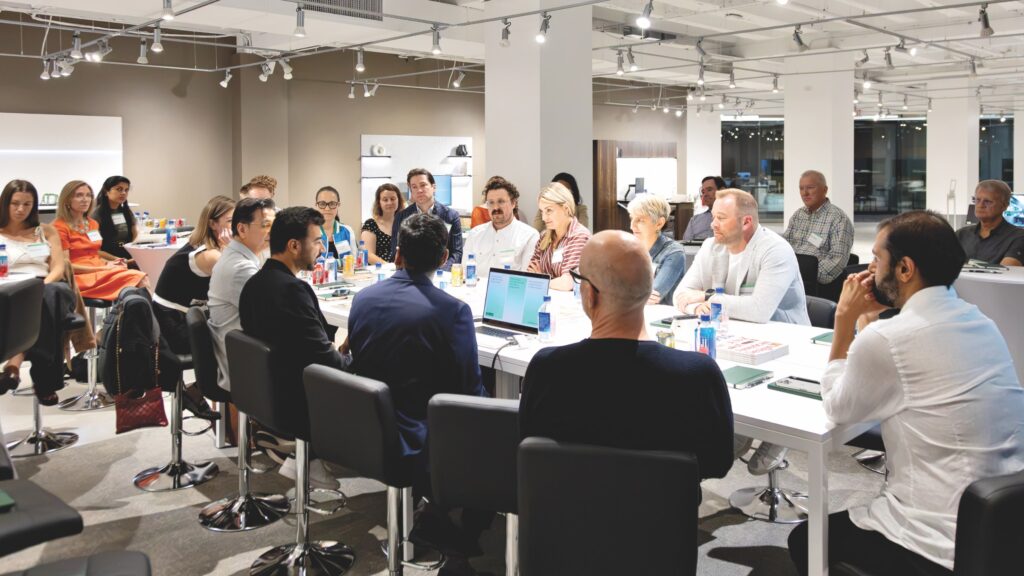
How Are Architects and Designers Navigating AI?
Leading practitioners discuss how AI is changing their practices—and evolving the future of the industry.

Viewpoints
Unmasking Design for Autism
When designing for neuroinclusion, we must consider intersecting identities and overlapping systems of oppression that shape people’s experiences of disability.