



July 31, 2024
This First-of-Its-Kind Paint Promotes Wellness

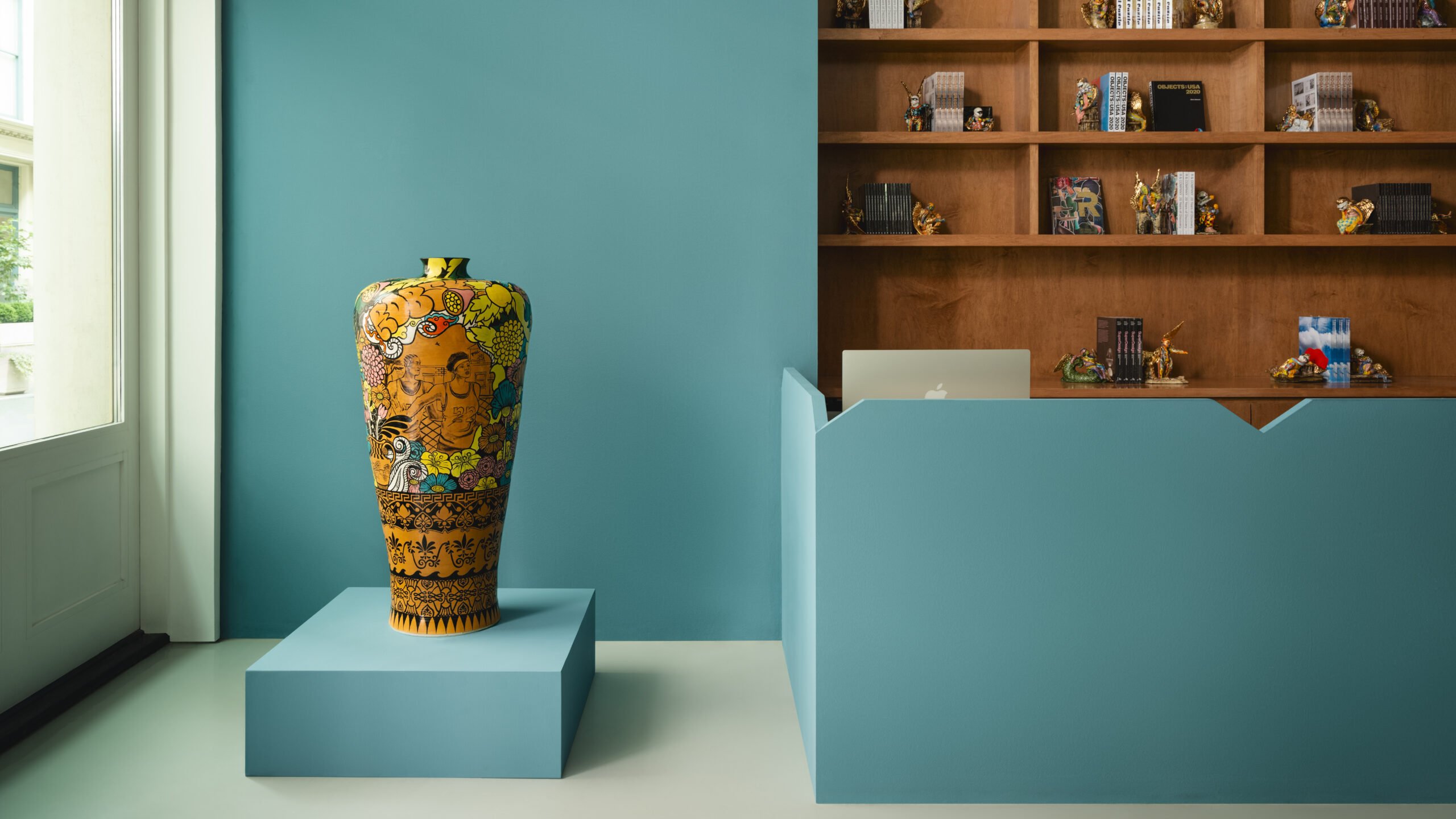
Helmed by Wall Street veteran Maya Crowne and entrepreneur Price Latimer, the young company concocted a core collection comprising 119 unique colors in a velvet-matte finish, as well as an interior mineral primer, using renewable potassium silicate while eschewing synthetic and toxic elements, hazardous organic pollutants (HAPs), plasticizers, preservatives, biocides, and alkylphenol ethoxylates (APEs). Not to mention, its U.S.-based manufacturing process is 100 percent emission-free, and its steel paint cans are recyclable in perpetuity. Also noteworthy is the product’s inclusion in Parsons Healthy Materials Lab’s Healthier Building Products Collection for interior paints.


Crowne and Latimer seek to synthesize typically superficial specifications with technical acuity. When compared with synthetics, the inclusion of organic matter in the wellness pigment results in improved interior air quality, neutralizes what would otherwise be an unpleasant, nay potentially hazardous odor, and promises to lift mood thanks to neuroaesthetics underpinning the natural color compositions. Its antistatic properties make it not only easy to maintain but cleanable without succumbing to burnish. The robust, UV-stable formula also boasts water repellency and durability.
Would you like to comment on this article? Send your thoughts to: [email protected]
- No tags selected
Latest

Viewpoints
What to See and Do at Archtober 2026
A special newsstand activation from Data Vandals expands this year’s festival lineup, alongside recurring faves.

Viewpoints
Detroit Month of Design: A City’s Work in Progress
Now in its 16th year, the celebration offers insights into the Motor City’s ongoing accomplishments without glossing over its hurdles.
Projects
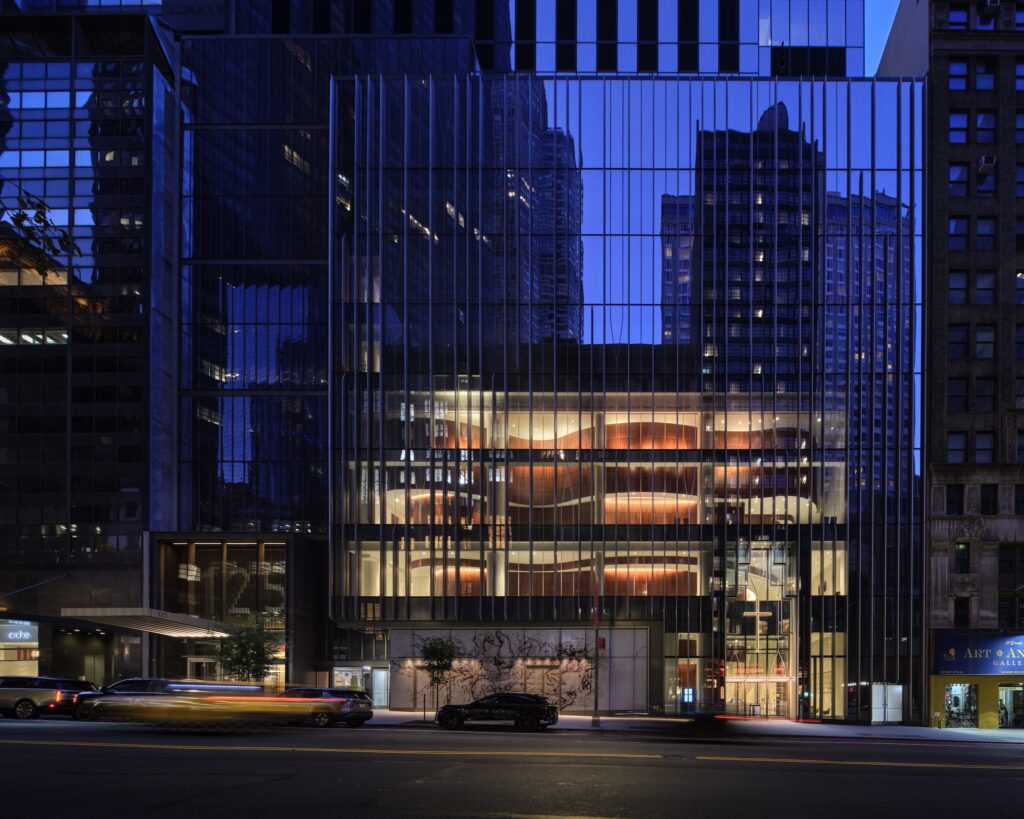
How a Hybrid Building Helped an Historic Manhattan Congregation Remain in Place
On Billionaire’s Row, FX Collaborative designed a new home for Calvary Baptist Church combined with an office tower.