



December 19, 2025
Carnegie Changemakers Convene in NYC to Explore Sustainable Specification
“We were founded with the promise of being always PVC-free,” Carnegie CEO Gordon Boggis informed a group of sustainability-minded design professionals at the brand’s showroom in New York City this September. His words kicked off the second Carnegie Changemakers experience co-hosted with METROPOLIS, a four-day immersion in sustainability leadership, material innovation, and collaborative learning. Attendees met with leaders in material selection and supply chain impact alongside tours of architecturally ambitious and sustainably progressive projects in New York City and surrounding areas.
A Deep Dive into Sustainable Leadership and Material Innovation
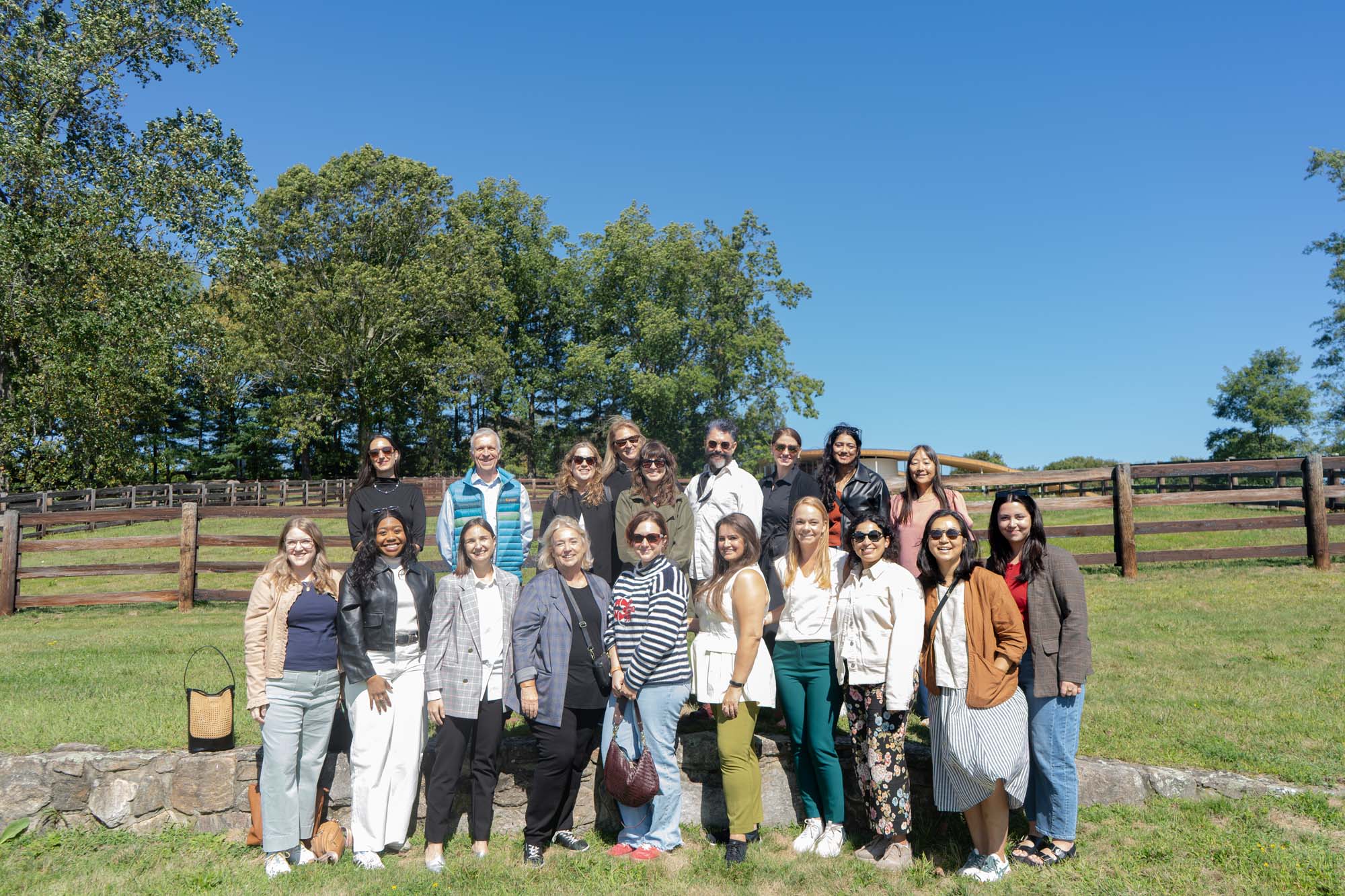
The New York City edition of the Carnegie Changemakers experience included nine designers and leaders chosen for their commitment to sustainability: Amanda Epplin, interior designer at Kimiko Designs; Ashly Vineyard, project interior designer at Anderson Brulé Architects; Candace Chan, senior designer at Revel Architecture; Cara Sutton, junior interior designer at Brokus Payne; Emily Hillyer, director at Schott Design; Evelyn Krafft, interior designer at Engberg Anderson Architects; Peggy Koyanagi, interior designer at Sand Design; Salam Rida, principal at 9XS Design; and Sonja Miranda, principal/project manager at LMN Architects.

Following Boggis’s remarks about the power of responsible material selection, the participants explored the company’s textile and acoustical solutions with chief design strategist Mary Holt and VP of acoustic solutions Dana Pucillo, gaining insight into Carnegie’s long-standing commitment to sustainable, performance-driven materials. The group then toured the studio with chief creative officer Heather Bush, met members of the Creative team, and discussed how responsible product development can shape the future of the built environment.
The afternoon was dedicated to two of New York City’s most forward-looking projects. At 505 State Street, the city’s first all-electric skyscraper, the cohort saw how integrated electrification strategies can support ambitious energy goals at scale. They then visited PS 456 and the Khalil Gibran International Academy—the first Passive House certified public schools in the city—seeing how high-performance building standards can be applied to public education facilities to reduce energy consumption and improve indoor environments for students and staff.
Exploring Ethical Sourcing and Transparent Practices in the Built Environment
The following day, the group set off to New Canaan, Connecticut, for a full-day immersion at Grace Farms Foundation and an introduction to the Design for Freedom movement, which seeks to eliminate modern-day slavery in the supply chain of buildings. The visit began with an introduction to the foundation’s mission to advance good through nature, arts, justice, community, and faith. The group then toured the River Building designed by the Pritzker Prize–winning architects SANAA, with its glass-enclosed volumes, seamless roofline, and deep integration with the surrounding landscape. Resident tea master Frank Kwei offered a moment of pause and contemplation with a tea ceremony, using ethically sourced ingredients to underscore broader themes of transparency and responsibility in how we consume materials and products. Grace Farms’ Nora Rizzo, ethical materials director, and Brigid Abraham, senior project manager, then presented on Design for Freedom, providing practical guidance on ethical sourcing and material transparency, and encouraging participants to consider how these principles could be applied within their own practices; rounding out the idyllic day with plenty of food for thought.

On the following morning, the participants were hosted by HOK for a candid roundtable discussion about product specification and material vetting. The session kicked off with a special presentation by Candon Murphy, HOK’s firmwide material resource manager, who provided behind-the-scenes insights into the firm’s sustainable materials tracking initiative. METROPOLIS editor in chief Avinash Rajagopal then presented on the history of materials transparency and alignment in the A&D industry, showing the group how and why today’s systems centered around the A&D Materials Pledge and the Common Materials Framework were created. “There are always multiple pathways to achieving similar goals,” he reminded the group, “which means that there is so much room for creativity and expression even in sustainable materials selection.”
The participating designers then shared their own case studies from ongoing and completed projects, allowing the group to examine the complexities of integrating sustainability into projects of all scales. The conversation that followed centered around the roadmap to a circular economy, advancing transparency, and ethical sourcing. The exchange of ideas and strategies spilled over into a closing lunch for the Changemakers, with the peers vowing to stay in touch and strengthen their support for each other in the transition to a more sustainable, healthy, and just built environment.

Would you like to comment on this article? Send your thoughts to: [email protected]
Latest
Viewpoints
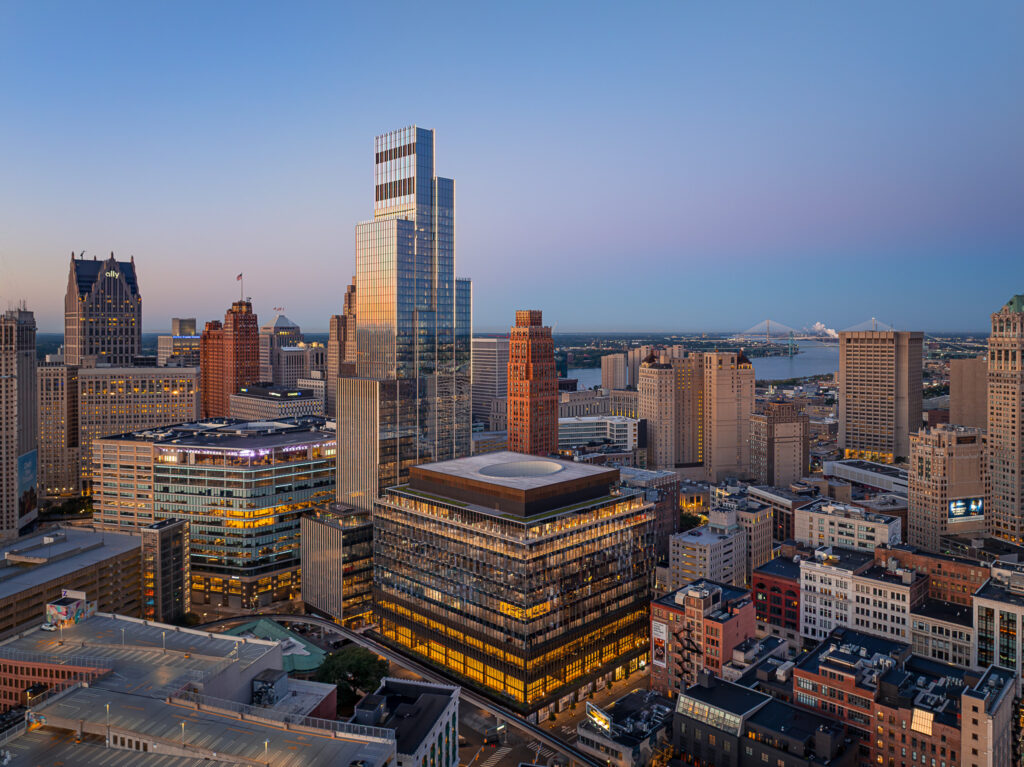
Detroit Month of Design: A City’s Work in Progress
Now in its 16th year, the celebration offers insights into the Motor City’s ongoing accomplishments without glossing over its hurdles.
Projects
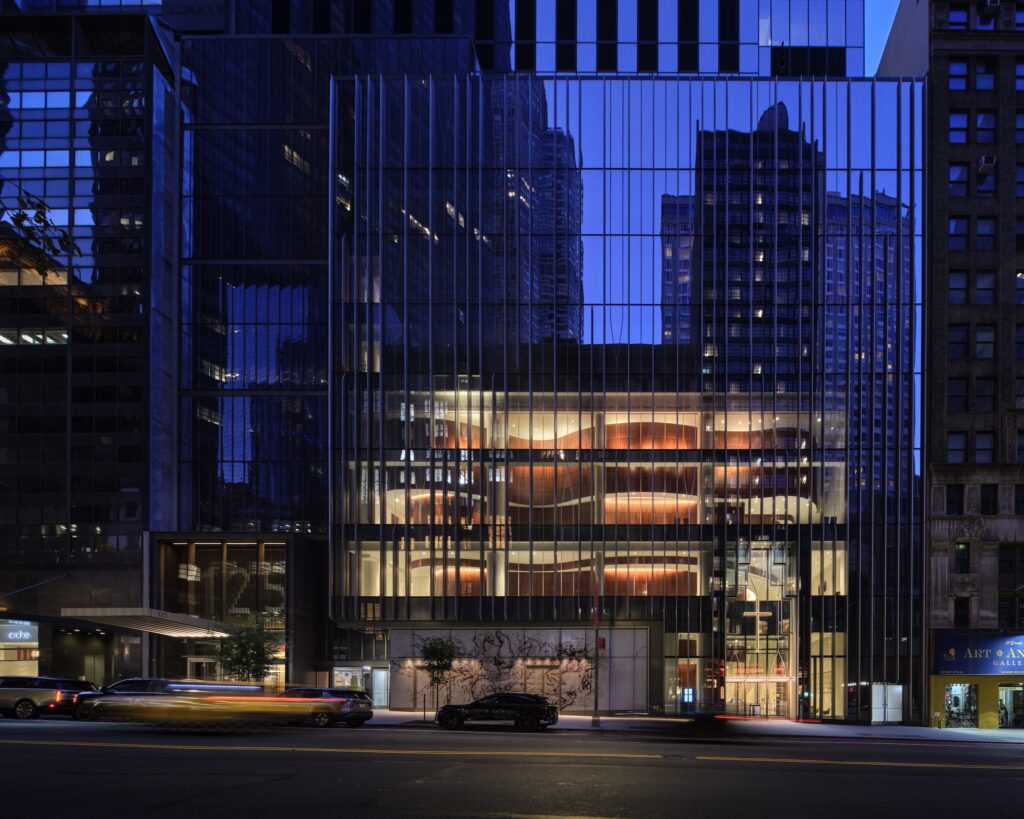
How a Hybrid Building Helped an Historic Manhattan Congregation Remain in Place
On Billionaire’s Row, FX Collaborative designed a new home for Calvary Baptist Church combined with an office tower.