



April 23, 2026
Photographer Morris Lum Gives Chinatowns the Attention They Deserve
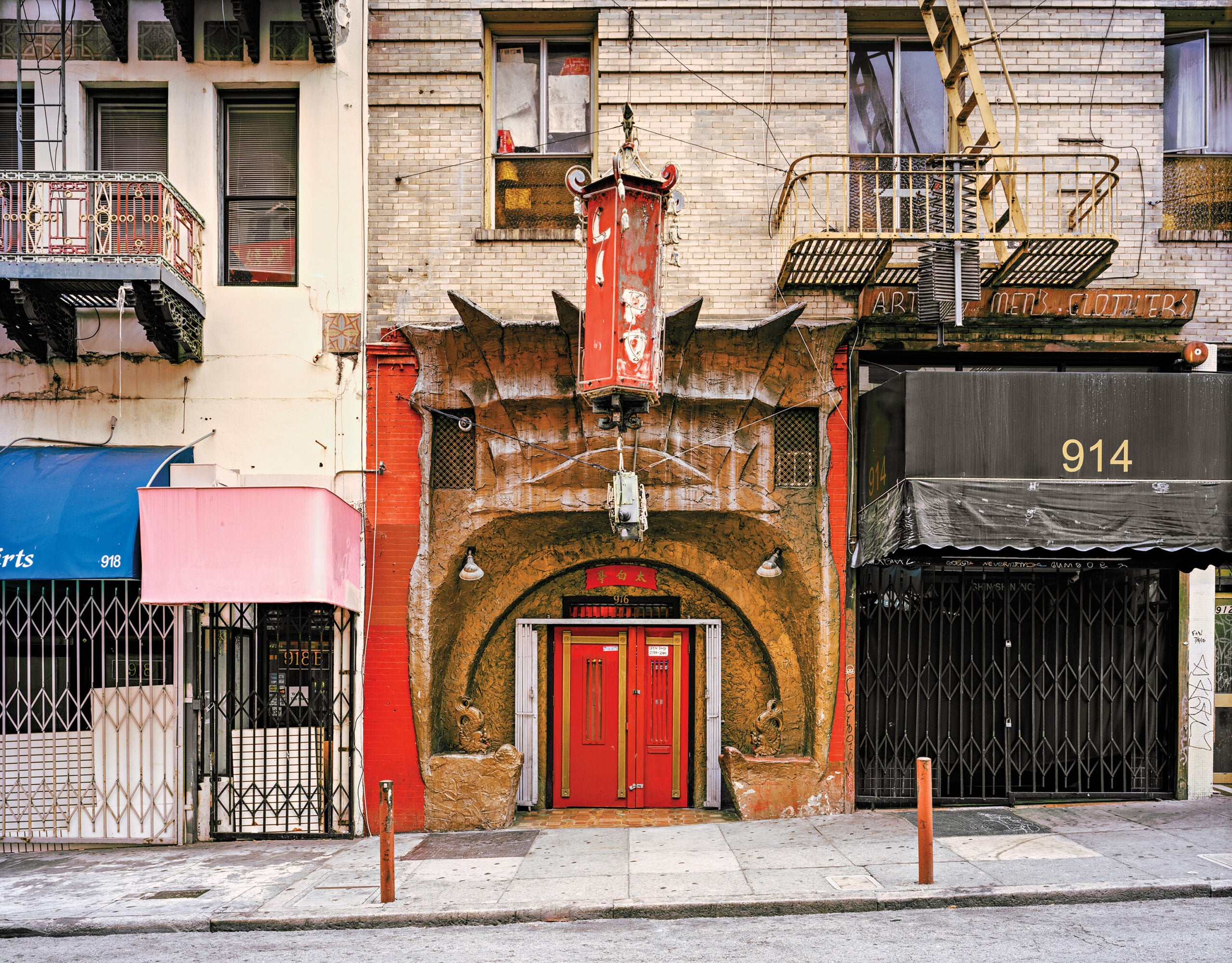
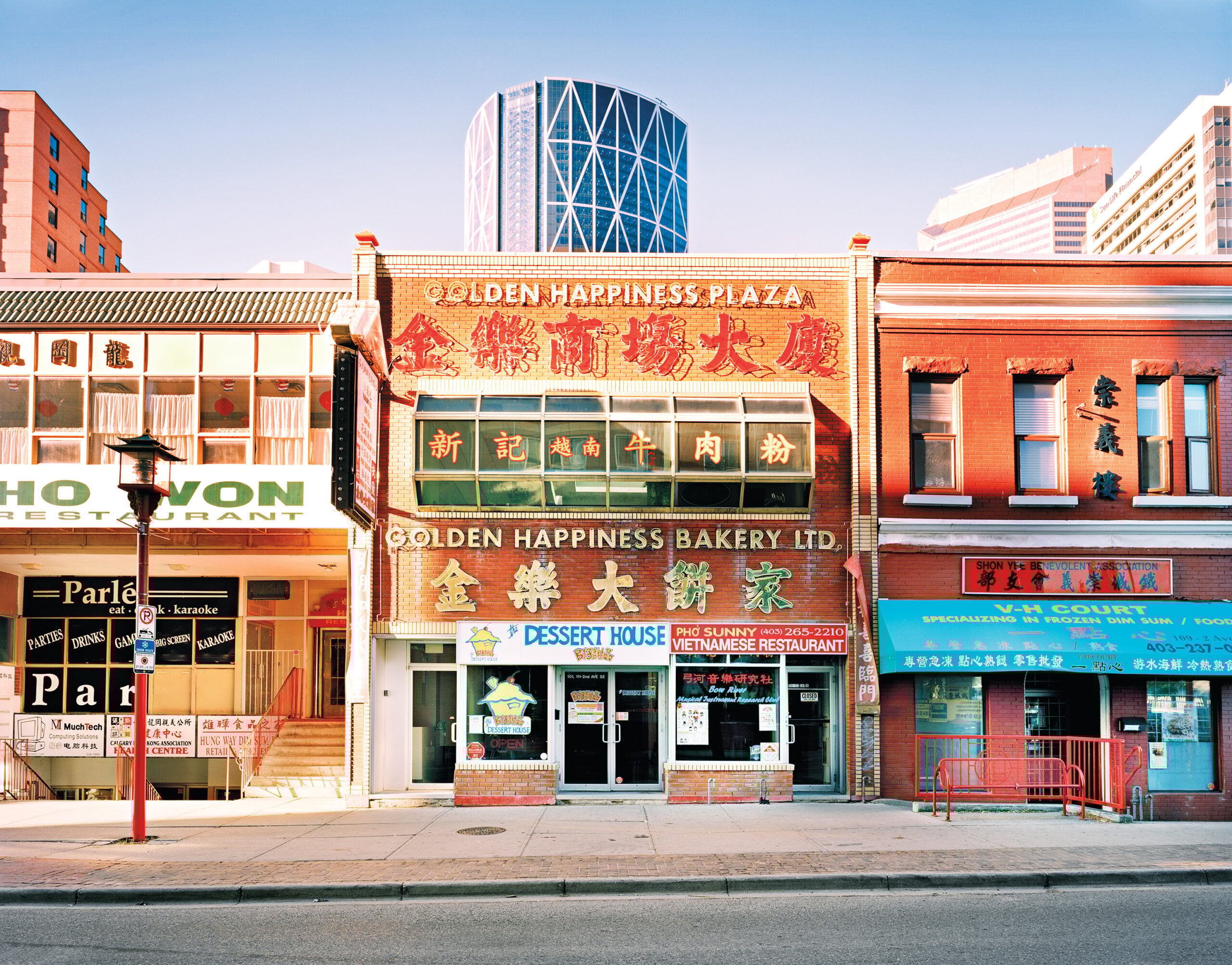
The photographs in Morris Lum’s new book, Chinatowns: Tong Yan Gaai, offer a glimpse into Chinatowns across North America, providing a more nuanced view into these ubiquitous spaces. Taken in 16 different Chinatowns spanning between 2012 to 2024, the photos show restaurants, souvenir shops, and temples, but also include images taken from inside benevolent societies, vacant malls, kung fu clubs, and alleyways inaccessible to the public.
The images are loosely arranged by visual themes or typologies, evoking a sense of movement and dynamism. The author notes, “I was thinking about how you would move in a Chinatown—You’re walking down the street and ‘Oh, here’s a shop, maybe I’ll jump inside for a minute and then come back out,’ then you go to the next space.”
Part of this visual journey includes buildings and interiors that lack the visual markers associated with Chinatowns—red lanterns, dragons, stylized pagoda roofs, orientalized facades. One example is an otherworldly interior of an insurance office with kitschy sky-blue wallpaper and mirrored walls. In another diptych, a brick building that once housed a Vietnamese pharmacy and grocery store is shown years later as a construction site.
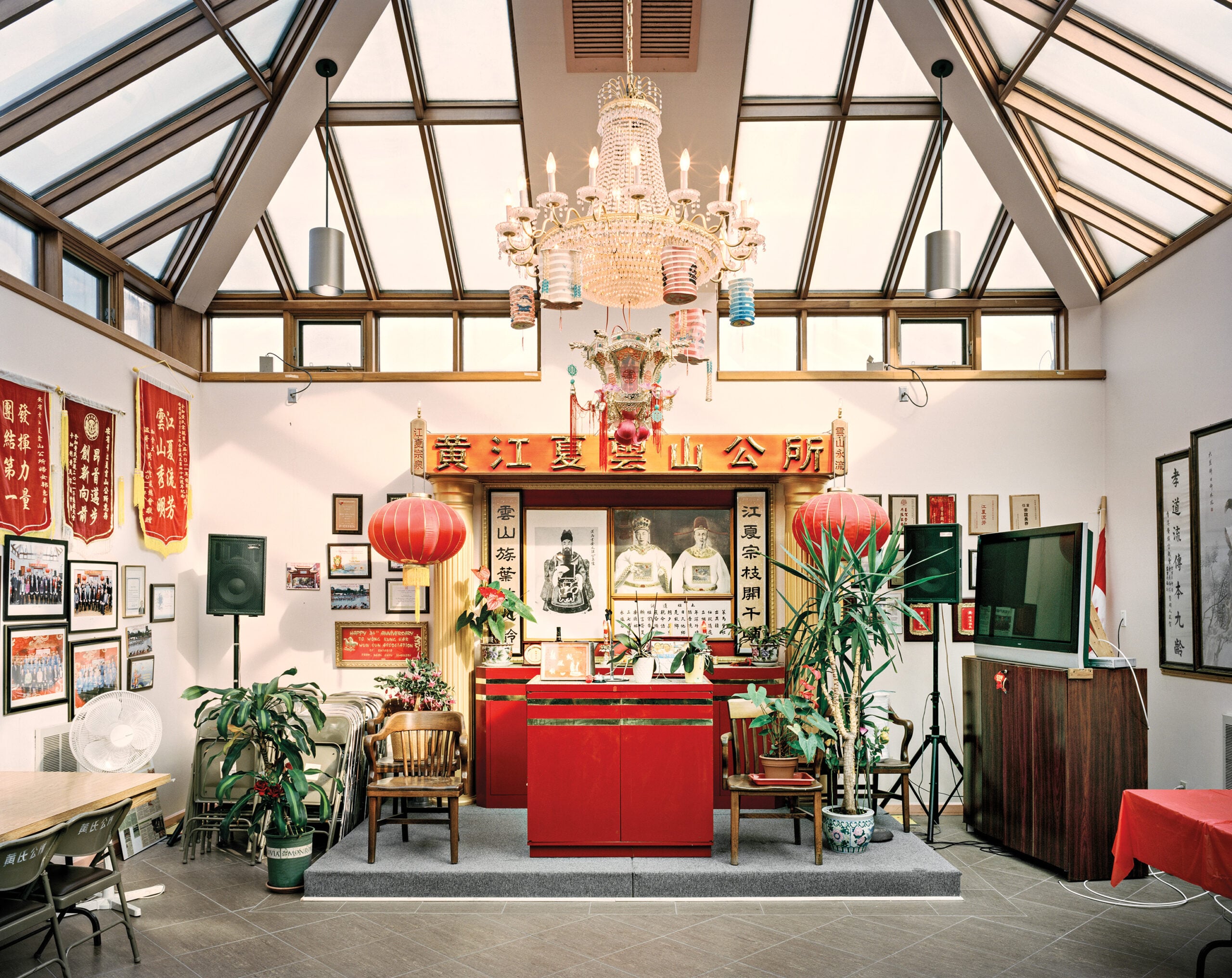
Although there are no people in the photos, the images show an incredible sense of humanity. A restaurant sign represents someone’s effort to run a business, even if that effort was not ultimately successful. Framed photos on a wall depict the people who gathered in those spaces. Flowers at an altar show respect for deities or those who have passed.
Perhaps most intriguing are photographs of alleyways. In the interview at the end of the book, Morris recounts learning from Chinatown elders about the importance of these hidden spaces: “Jim [the Chinatown elder] was the one who took me to the hidden courtyards and alleys in Vancouver’s Chinatown and explained how they formed and how they were integral during the time of exclusion to people’s socializing and gathering.”
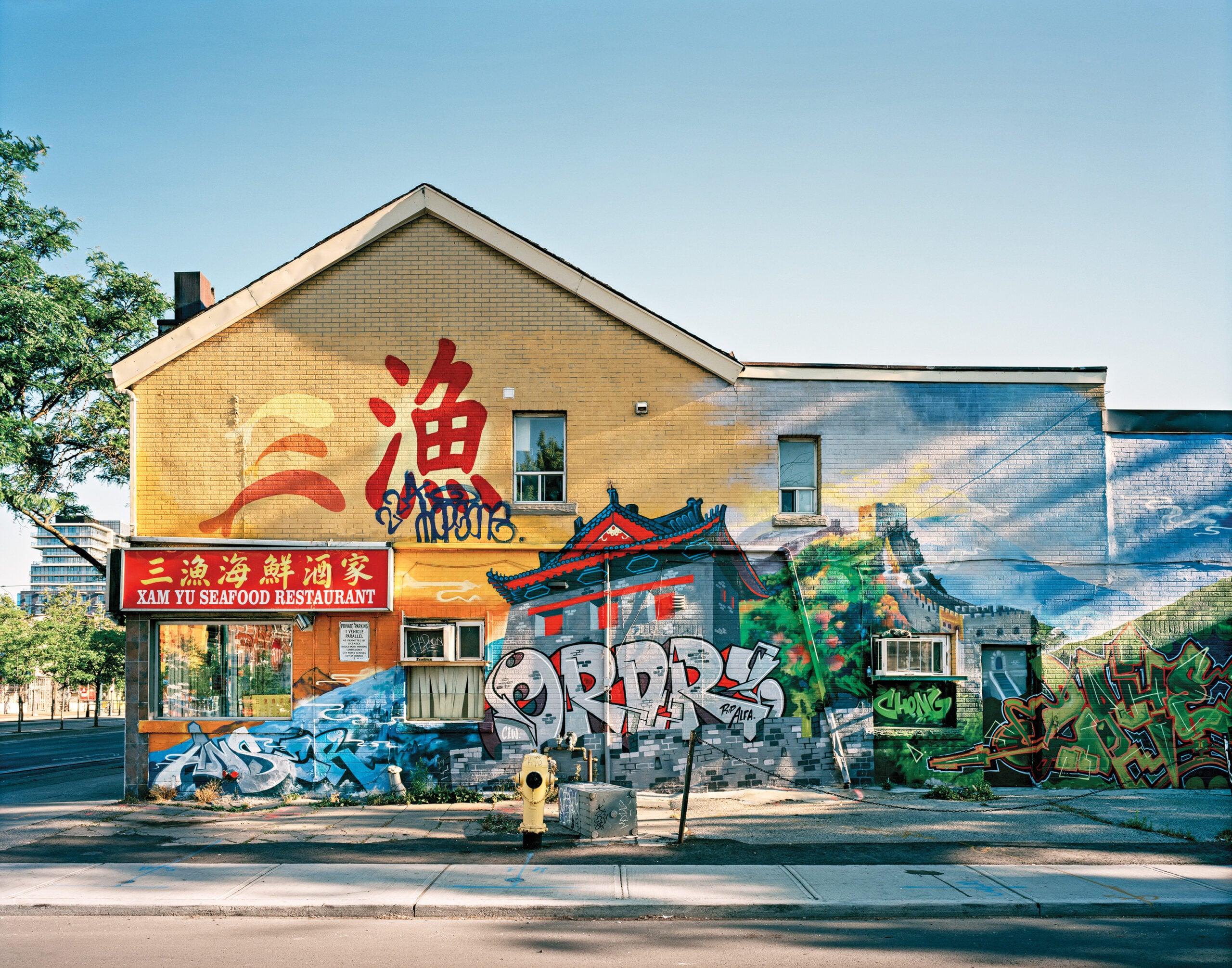
Given that Chinatowns are so often associated with counterfeits, cheapness, and expediency, just Lum’s act of capturing these images on large format film is itself a profound statement.
When I asked him why he went through the extra effort of large format film photography for seemingly ordinary Chinatown subjects, he replied: “I just think they deserve it.”
Would you like to comment on this article? Send your thoughts to: [email protected]
Latest
Viewpoints
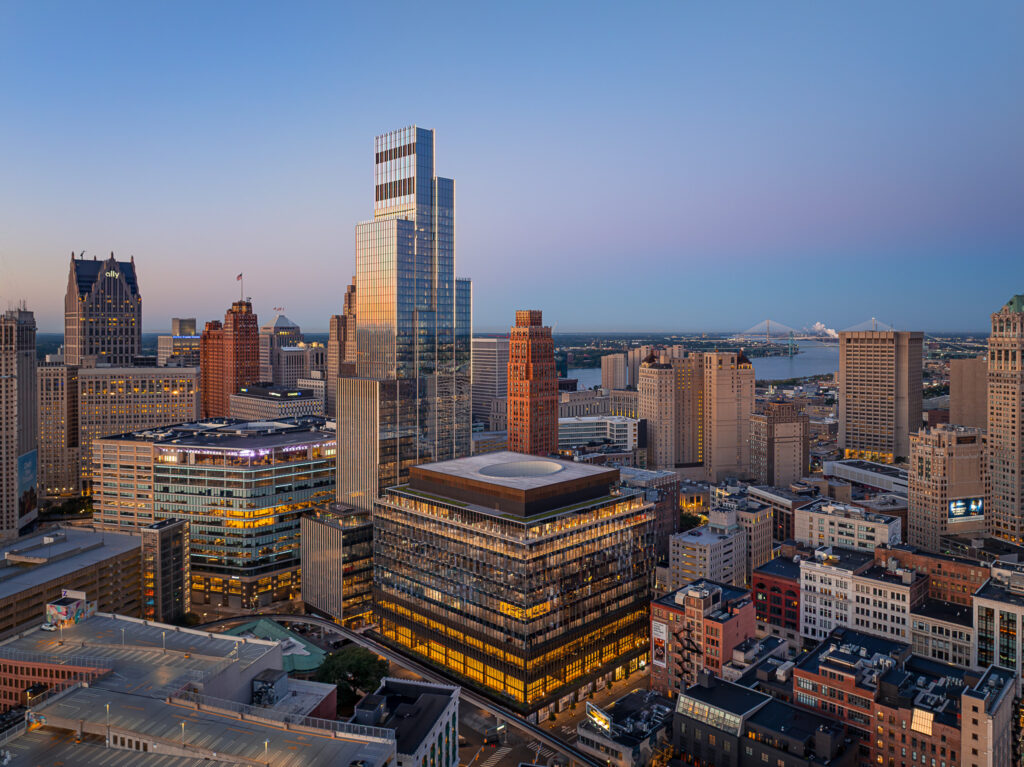
Detroit Month of Design: A City’s Work in Progress
Now in its 16th year, the celebration offers insights into the Motor City’s ongoing accomplishments without glossing over its hurdles.
Projects
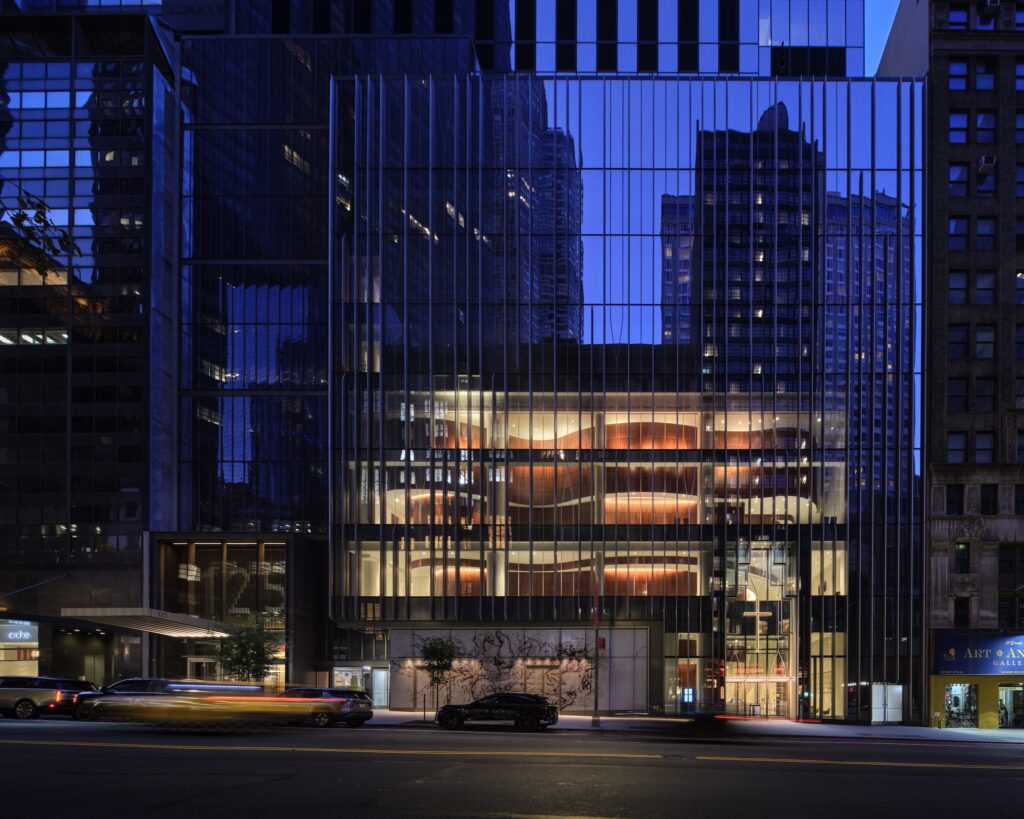
How a Hybrid Building Helped an Historic Manhattan Congregation Remain in Place
On Billionaire’s Row, FX Collaborative designed a new home for Calvary Baptist Church combined with an office tower.