




October 6, 2025
How to Embrace AI in Your Workflow
As innovation in AI tools advances rapidly, we see its influence across the built environment in both predictable and unexpected ways. It has the potential to create fundamental changes in the way buildings are made, operated, and how they connect to and impact wider systems.
Designers bring the soul and the human touch, while AI brings the speed. Explore how these tools can collaborate with architects, designers, and product manufacturers, reshaping the means by which they approach everything from code compliance to conceptual visualization, accelerating decision-making, and aligning teams to create a more efficient built environment.
Pathways
Material manufacturers face mounting pressure to provide environmental performance data. Still, the information that exists is scattered across PDFs from different vendors, utility bills with varying units of measure, and disparate procurement systems.
Pathways tackles this data challenge head-on, using AI to process large volumes of unstructured information and convert it into comprehensive life-cycle assessments. The platform transforms vendor documentation, ERP systems (Enterprise Resource Planning), and utility data into third-party certified EPDs (Environmental Product Declarations) while delivering crucial insights into production efficiency and environmental performance benchmarks. “EPD is the bare minimum,” explains Jack Cove, head of go-to-market at Pathways. The company’s vision extends beyond compliance to help manufacturers identify improvement opportunities and build sustainable products.
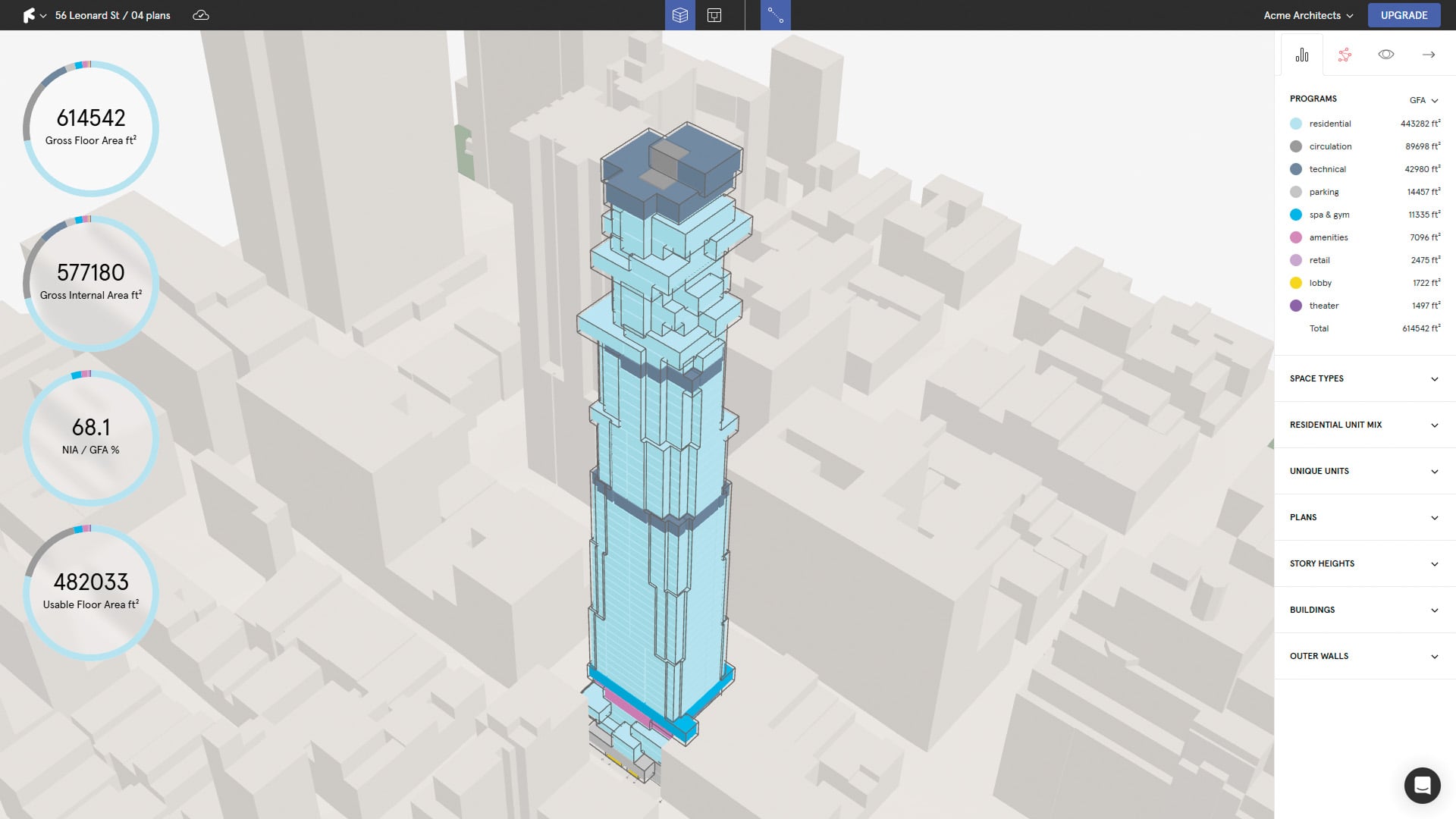
Finch
Finch transforms the early stages of architectural design by generating optimized yet customizable floor plans from building masses while considering real-world constraints like structural systems, MEP requirements, and local codes. The platform seamlessly integrates with Revit, Rhino, and Grasshopper, positioning itself as “Figma for architects.” By blending AI with human creativity, Finch enables exploration of design options, makes data-driven decisions, and streamlines architects’ workflows.
The tool’s approach democratizes parametric design, making advanced computational tools accessible to firms without specialized programming expertise while maintaining the designer’s creative control throughout the iterative process.
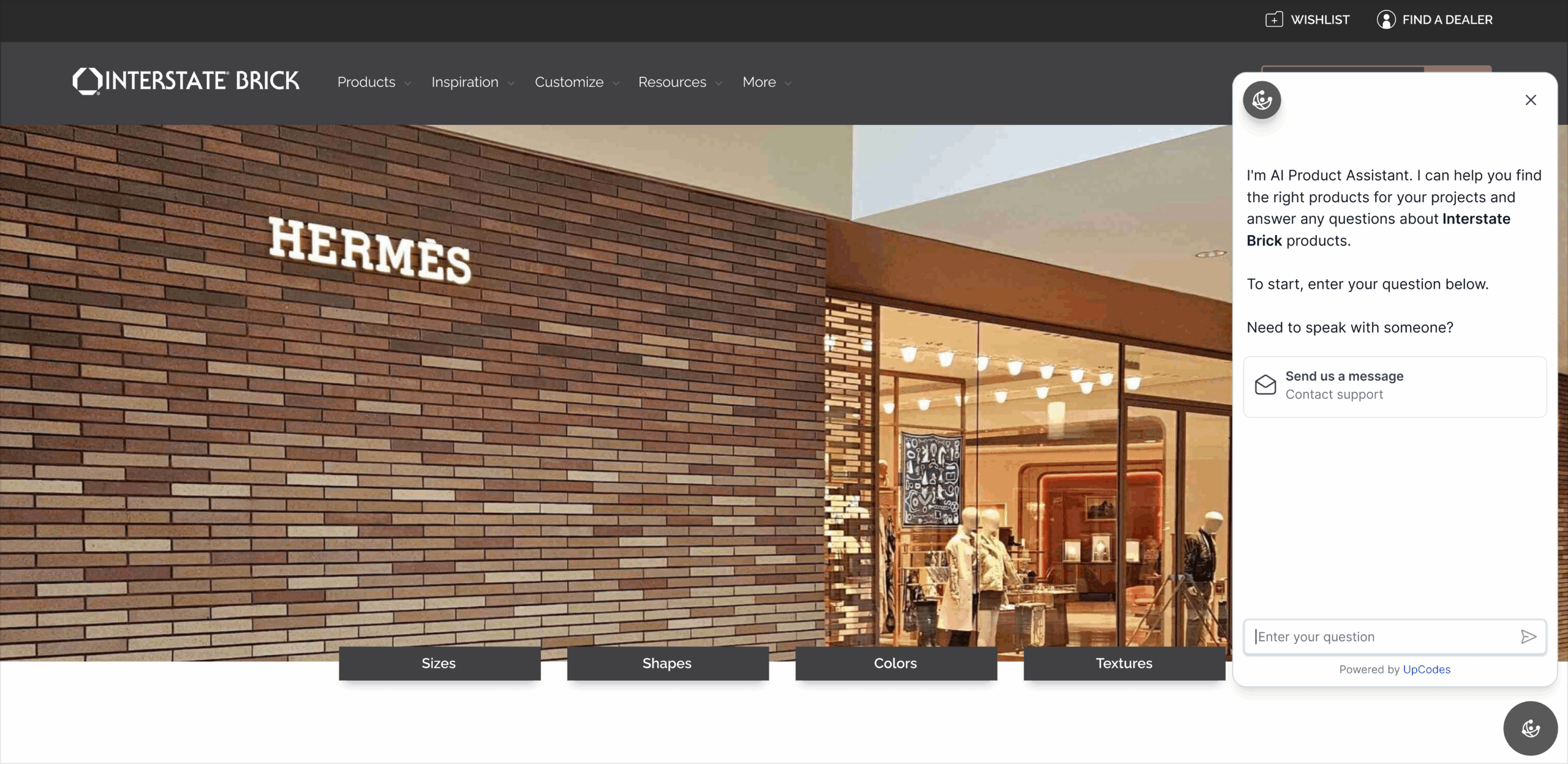
Upcodes
Rather than manually parsing through thousands of code sections, the AI-powered platform UpCodes delivers tailored responses to specific compliance queries, catching requirements that might otherwise be missed.
It revolutionizes building code research by transforming dense regulatory text into instantly searchable, contextually relevant guidance. With over 800,000 AEC professionals using the platform, architects have reported saving many hours monthly through its iterative feedback capabilities. The platform’s Copilot feature helps professionals unpack and interpret building codes by sourcing from a curated library of adopted regulations rather than generic LLM-based tools or web content. While AI provides analysis and interpretation support, it enhances rather than replaces professional judgment—trained professionals still add their essential layer of understanding to ensure proper code compliance.
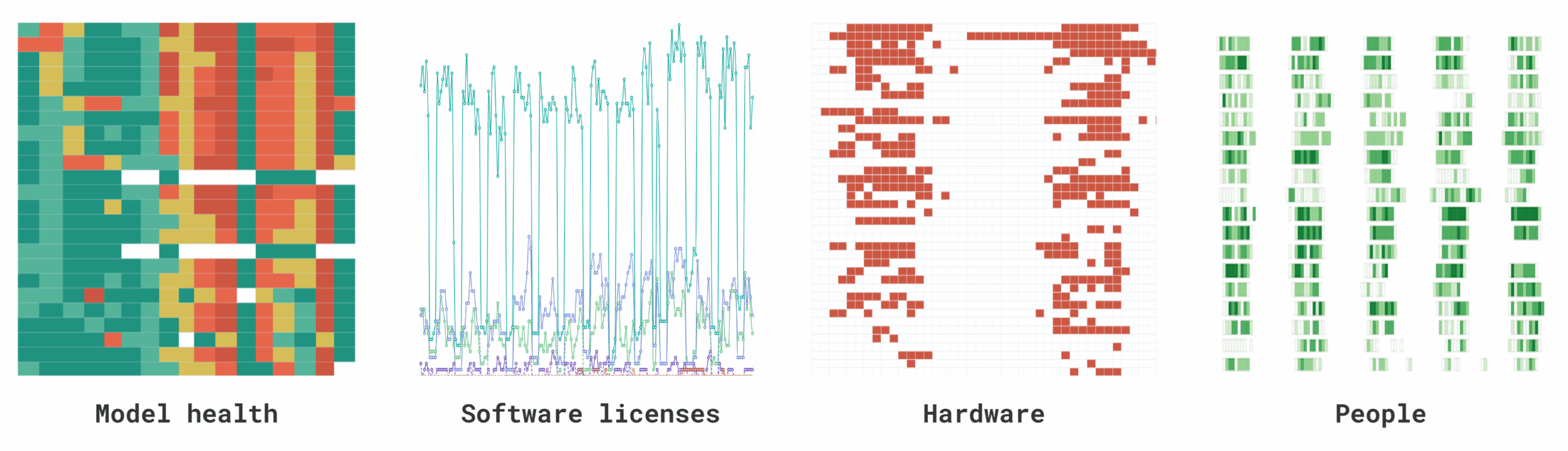
BIMbeats
Bimbeats functions as a fitness tracker for architecture firms, silently monitoring software usage, model health, and team productivity to reveal hidden patterns in design workflows. The platform captures detailed activity data across all AEC software, feeding it into analytics engines that visualize and identify bottlenecks, predict system crashes, and guide resource allocation decisions.
While Bimbeats doesn’t automate design tasks directly, it analyzes data to provide intelligence that enables firms to identify automation opportunities and optimize their existing processes. This shift from reactive troubleshooting to predictive workflow management fundamentally changes how design teams understand and improve operational efficiency, enabling cross-team insights that will enhance collaboration between BIM managers, project leaders, IT teams, and developers.

Veras
Veras bridges the gap between conceptual sketches and photorealistic renderings, generating quick and compelling visualizations directly within established design software like Revit, Rhino, and SketchUp. Built specifically for AEC workflows, this platform understands architectural constraints and material properties that traditional AI tools miss. Designed for early-stage design ideation and exploration, Veras serves architects, interior designers, urban planners, and real estate developers seeking to rapidly visualize concepts and communicate design intent.
The integration with Enscape allows Veras to work with actual 3D models and camera views, producing context-aware visuals grounded in real project data rather than abstract prompts. This capability transforms design communication, enabling architects to generate multiple visualization options quickly for client presentations and design development, all while maintaining technical accuracy and design intent.
Polycam
Polycam is streamlining AEC workflows by combining LiDAR and photogrammetry into a simple video recording process and transforming spatial documentation. The platform can generate 3D models and 2D floor plans from a single capture session—aligned and ready for project integration with software like AutoCAD, Revit, Rhino, and SketchUp.
The tool enables architects and interior designers to quickly document existing conditions, measure spaces, and create as-built models without the need for specialized equipment, excelling in early-stage site analysis.
Would you like to comment on this article? Send your thoughts to: [email protected]
Latest

Projects
UC Berkeley’s Newest Building Is All About Human Interactions
The Barbara and Gerson Bakar Gateway—home to the university’s College of Computing, Data Science, and Society—gently reminds data scientists and AI researchers of what’s really important.

Projects
ZD+A Brings a Modernist Mexico City House in Line with its Context
Architect Yuri Zagoin Alazraki reorganized the speculative house to respond to its site and create unique spaces for contemplation.