




October 14, 2025
Designers Rethinking Our Relationship to Water
The idea that water is fundamental to life is a truth acknowledged by cultures throughout world history. The Lakota phrase Mní wičhóni, which translates to “Water is life,” became the rallying cry of Indigenous activists protesting the Dakota Access Pipeline. The same idea is central to Western understandings of biological evolution; indeed, the search for extraterrestrial life is, in many ways, a search for water.
In spite of water’s life-sustaining power, humans became masters at rendering it invisible over the course of the 19th and 20th centuries. Creeks were buried, waterfronts walled off. In 1984, a Berkeley landscape architect led an effort to “daylight” a portion of Strawberry Creek, the first documented example of an urban waterway being exhumed. The 40 years since have seen cities gradually reversing course, with billions of dollars invested in daylighting projects and waterfront redevelopment. And yet even decades of daylighting efforts have not obviated the need for artists and architects to help visualize this vast planetary system.
Few people know this better than Anthony Acciavatti, an associate professor of architecture at Yale University. Acciavatti’s exhibition Grounded Growth: Groundwater’s Blueprint for Intelligent Urban Form, currently on view as part of the 2025 Venice Architecture Biennale, argues that the pace and scale of groundwater extraction worldwide represents the “hidden front line of climate change,” contributing to both land subsidence and sea level rise—and enabling patterns of human settlement and agriculture that are fundamentally unsustainable.
The Role of Groundwater in Shaping Climate Resilience
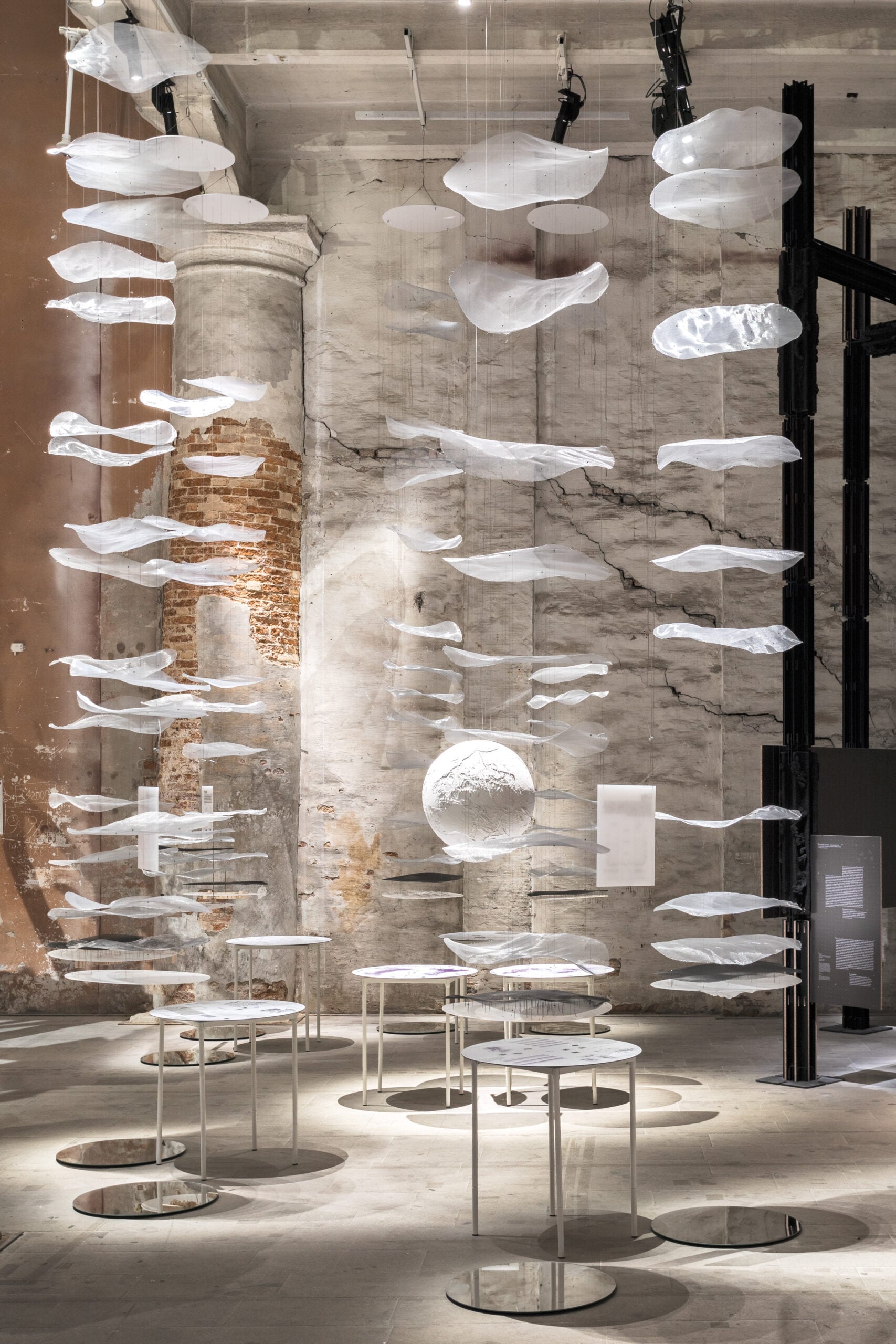
The exhibition revolves around a series of suspended sculptures that make visible the world’s aquifers, the subterranean reservoirs on which more than half of the global population now relies for drinking water or irrigation. Focused on two of the most embattled aquifers on earth—beneath North America’s Sonoran Desert and India’s Indo-Gangetic Plain—the exhibition encourages attendees to view groundwater as a global commons.
“In 1898, the Arizona Supreme Court ruled—and it was upheld by the U.S. Supreme Court in 1906—that groundwater is a constituent part of someone’s private property,” Acciavatti explains. In reality, he said, these water bodies are as inseparable as the air in the atmosphere. And yet, around the world, aquifers are being depleted at speeds that don’t allow nature to keep up. In 2017 alone, humans pumped out the equivalent of two Lake Eries, Acciavatti notes. More recently, a team of scientists concluded that groundwater extraction had measurably altered the earth’s tilt.
Reimagining Water & Architectural Interventions
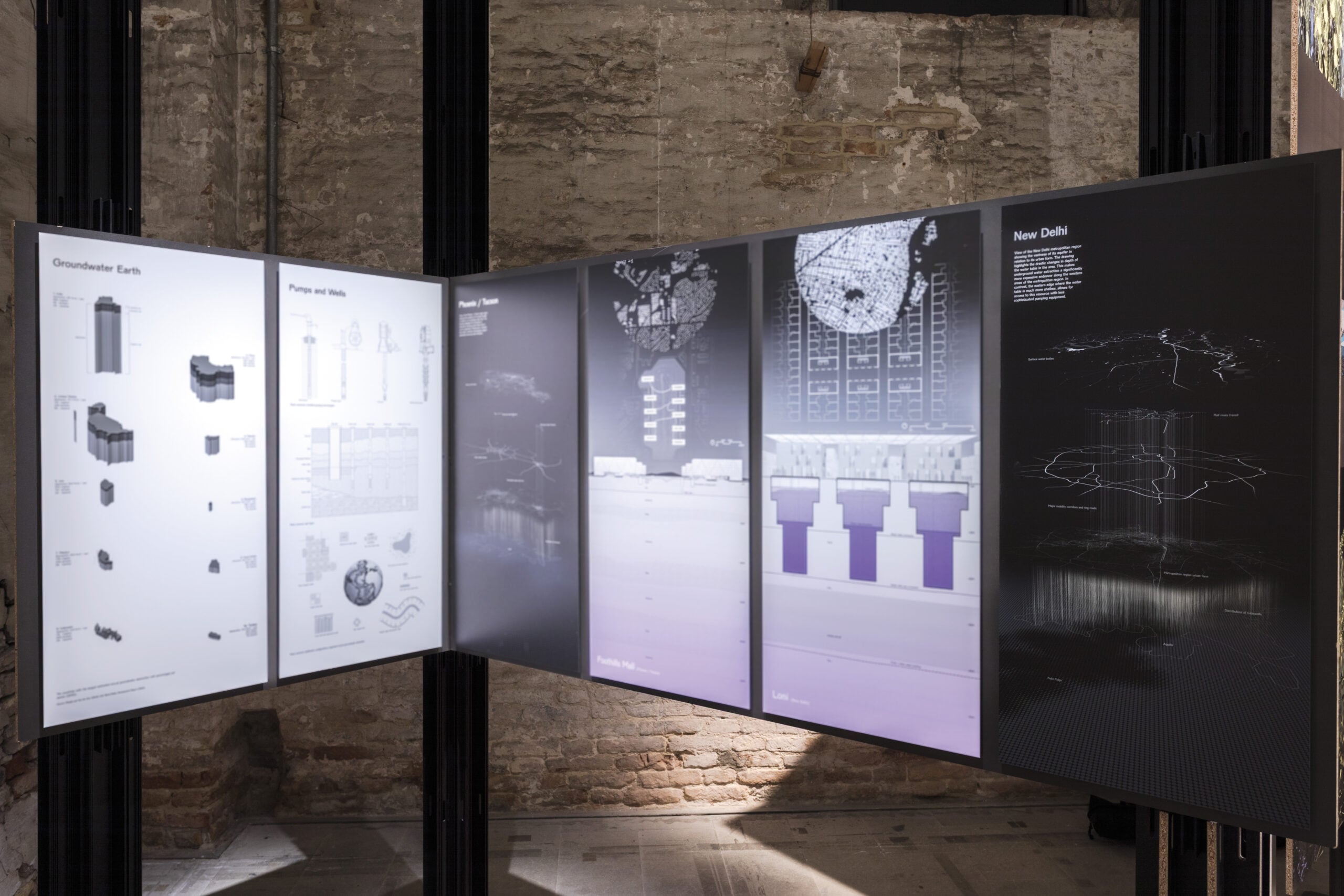
Acciavatti’s sculptures are fabricated out of wood and wire mesh, employing the language of architectural scale models but inverting it: Buildings and infrastructure are upside down, the straw-like mechanical wells extending upward through the diaphanous aquifers. In form, the tubular dioramas recall geological core samples, as well as water wells themselves. “I always had a deep affection and interest in how to model ground as not just a single line,” says Acciavatti of the three-dimensional models.
As a problem, groundwater extraction will require political solutions, but Acciavatti sees promise in site-scale interventions as well. He has proposed converting Arizona’s derelict shopping centers—including Tucson’s former Foothills Mall, demolished in 2023—into large artificial sponges that can collect water during the rainy season and allow it to recharge into the aquifer. In New Delhi, he envisions underground cisterns to store rainwater from monsoons, a natural resource that could replace the city’s reliance on often-contaminated groundwater.
A body of water doesn’t have to be buried to have lost its place in the collective consciousness. In cities around the country, rivers and lakes remain hidden or are inaccessible. This was one of many observations made by the architects and planners at Ayers Saint Gross, following a yearlong investigation into various American universities’ relationships to water. Since 1998, the Baltimore-based design firm has selected a group of college campuses to compare as part of an internal research project. Initially only concerned with universities’ size and spatial arrangements with no hydrological component, the initiative has grown to take on different annual themes. In 2024, the firm decided to tackle water.
A University’s Water Connections
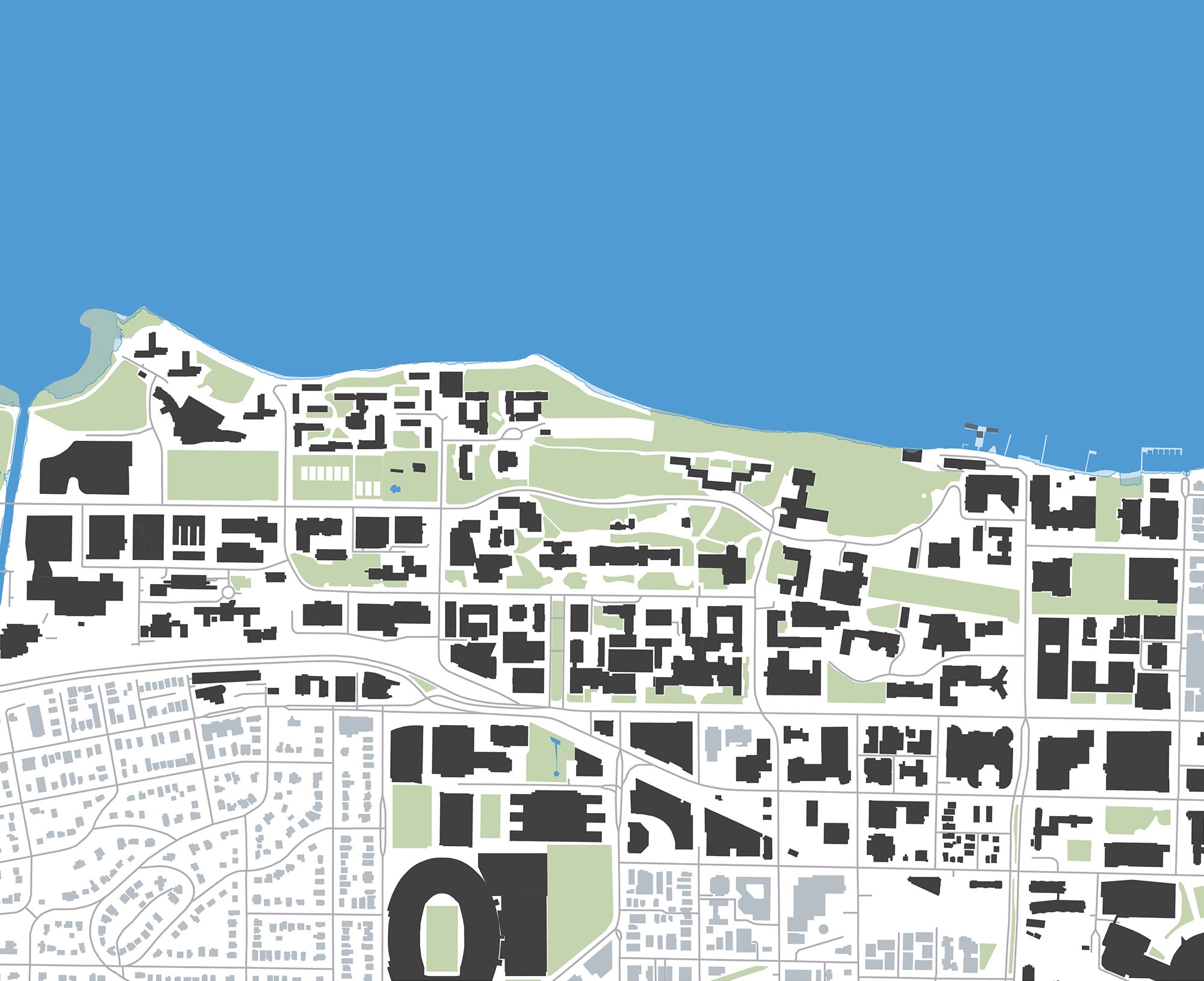
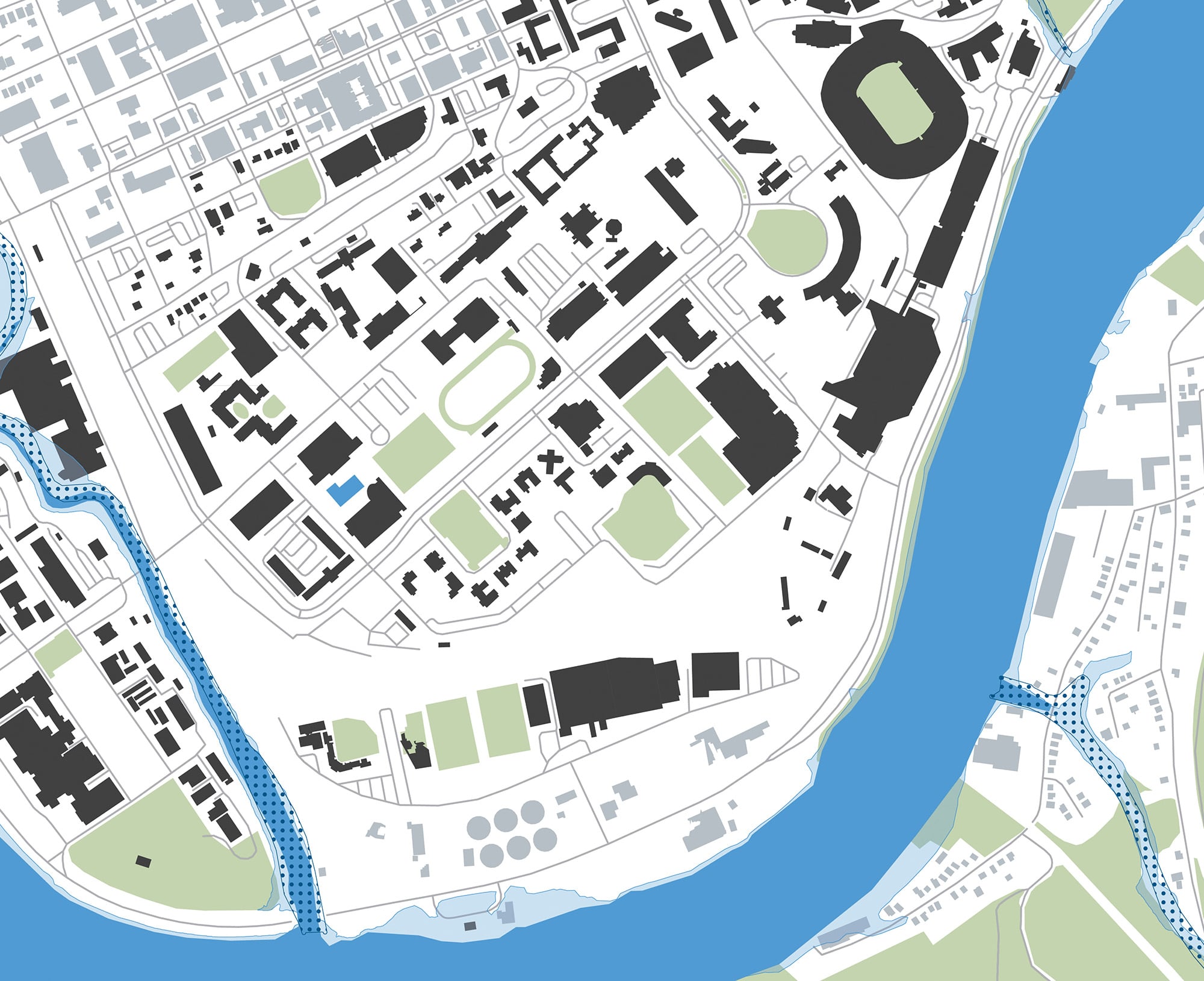
“You listen to the news about flooding and storms, and a lot of people think they just [affect] the coasts,” said Jessica Leonard, a principal at Ayers Saint Gross. In reality, across the country, “water is a huge issue. It’s anything from stormwater to flooding to drought and irrigation.” The most recent edition of Comparing Campuses analyzed the locations of eight major institutions of higher education, mapping university structures and open spaces in relation to existing rivers and wetlands, the 100-year floodplain, and projected sea levels in 2050.
The diagrams are more than simple visualizations of risk. The team also analyzed how universities currently engage with their nearby water bodies, whether through athletics, academics, or current planning initiatives. The central gathering space at the University of Wisconsin–Madison, for instance, is set directly on Lake Mendota, making it a hypervisible part of campus life. Additionally, students use the lake for rowing and for research; the university is considered the birthplace of limnology, the study of lakes. “They’re on an isthmus, so [water] has completely defined the way the city and the campus have been built,” Leonard says.
In contrast, the University of Tennessee, Knoxville, has relatively few physical connections to the adjacent Tennessee River. “You’re seeing it, but there’s a huge wall. There’s no way to physically get there,” Leonard says. Ayers Saint Gross is actively working with the university to identify potential access points, originally through a 2023 campus master plan and now through a study analyzing the river corridor in more detail.

Reconnecting Los Angeles to Its River
If facilitating a sort of repair between a river and its residents—both human and nonhuman—is the task at hand, it is demonstrably easier said than done. Metabolic Studio’s Lauren Bon has spent more than a decade working to reconnect a sliver of the Los Angeles River to what historically was its floodplain.
The simplest way to describe Bending the River is as a water diversion project, an infrastructural act that takes water from one place and delivers it to another, in this case from the L.A. River to Metabolic Studio, where it is cleaned by wetland plants, and finally to the Los Angeles State Historic Park, where it is used for irrigation. And yet the artwork is meant as an act of repair, restoring L.A.’s fractured hydrological system and reconnecting Angelenos to their river.
Infamously restricted to a yawning concrete channel as a means of flood mitigation, the L.A. River is representative of many urban waterways: hyper-rationalized, hyper-controlled, largely devoid of life. With Bending the River, Bon is attempting to undo a tiny portion of that hyper-rationalization and stir the public’s imagination about what a river is and should be.

“It’s already poetic to call it a river,” Bon says. “I felt like in referring to this project as a bend, it starts to give the river back its flow. Bending implies an active action, which is very river-like. But I also meant it in a playful way, to talk about bending the rules.” Indeed, the rules that govern the L.A. River are a large part of the project; in some ways, they are as much the artwork as any other part of Bon’s intervention. The project, which conveys 106 acre-feet—roughly 4.5 million cubic feet—of water less than a mile, ultimately required more than 75 government permits.
Rethinking our relationship to water will require a kind of institutional and imaginative daylighting. It requires a commitment to unmaking, unbuilding, and to doing so at scale. But it will also require new infrastructural typologies, new rituals, and new language to accompany them. “Architects have been, since the founding of the field, invested in the ways in which infrastructure can be given a civic presence,” Acciavatti says. “For me, the role of an architect or landscape architect today is, how do you not just engineer [a solution], but also give it a civic presence?”
Would you like to comment on this article? Send your thoughts to: [email protected]
Latest
Projects
The Brumadinho Memorial Is an Exercise in Memory and Materiality
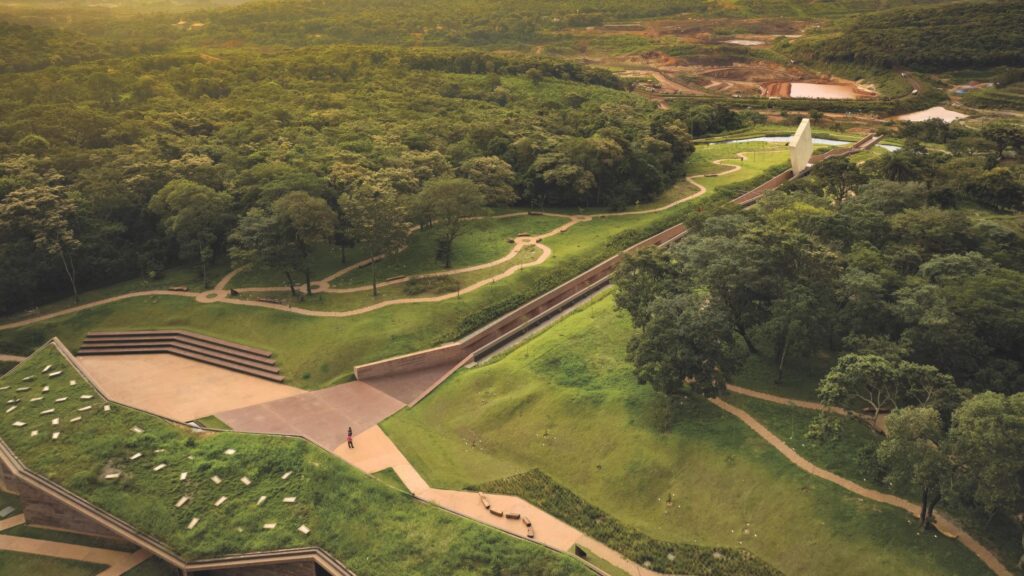
Designed by Gustavo Penna Arquitetos Associados, the memorial was built to honor the 272 victims of the collapse of Brazil’s Mina Córrego do Feijão tailings dam.
Projects
ZHA Channels Ancient Walls for Future Forms
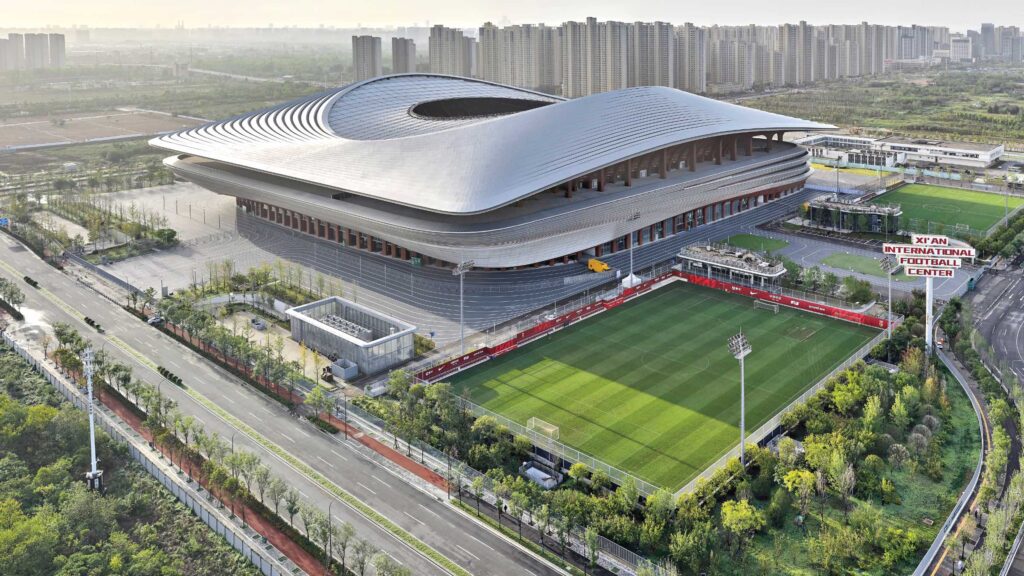
In Xi’an, the firm sets a luminous stadium against the city’s deep architectural memory, transforming football into a new civic ritual.