



September 30, 2026
Detroit Month of Design: A City’s Work in Progress
Detroit Month of Design, held each September and now in its 16th year, walks a tightrope between civic boosterism and the hard realities that resist a tidy revitalization story arc. Joyful, big-tent programming—a range of activations, parties, talks, and installations totaling over 140 events across 30 days—succeeds in spotlighting resourceful talents in this UNESCO City of Design without romanticizing systemic challenges.
Design Moves the Future
The community-minded momentum behind this year’s “Design Moves the Future” theme offers a window into how Detroiters engage with architecture, design, fashion, music, and other mediums and industries. Fully recovering its past robustness—and, not insignificantly, its tax base—for a city that lost roughly two-thirds of its population between 1950 and 2020 is an unlikely fantasy. Instead, the focus is on those actively shaping the city’s identity into a work in progress, while staying dedicated to its material conditions and spirit.
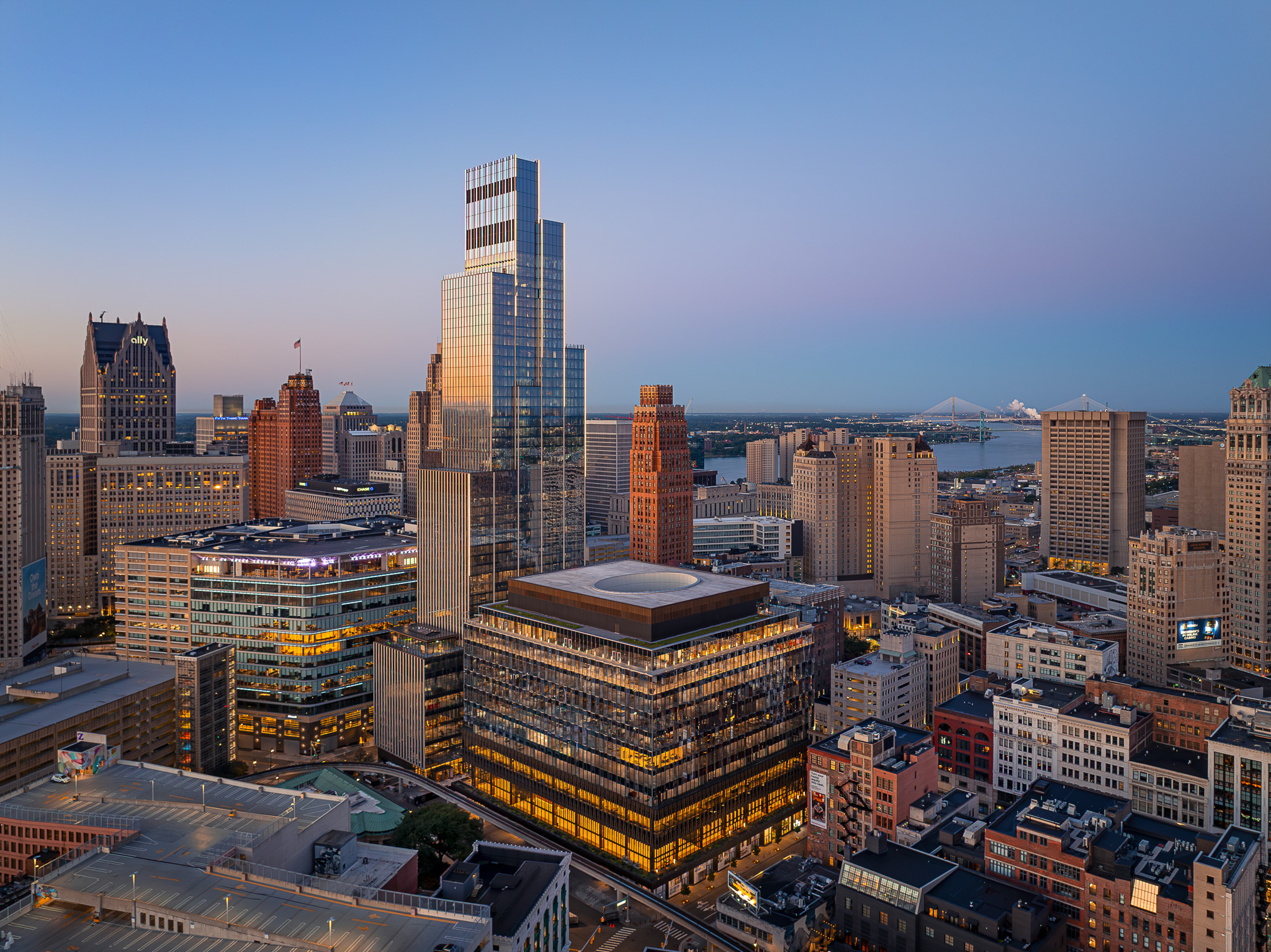
A design fair that hosts events like The Cookout: Reimagining the Black BBQ Through Art and Food, a Detroit music-landmark tour with solar-powered DJ sets on a biodiesel-fueled bus, and a sustainable fashion workshop with Hope for Flowers founder and native Detroiter Tracy Reese prioritizes resonant, grassroots ingenuity over corporate legacy-burnishing opportunities. That said, the Art + Cars exhibit at GM Entrance One—the automaker’s new ground-floor showroom at Hudson’s Detroit on Woodward Avenue—offers a glimpse of how General Motors positions itself generally in its hometown and specifically in the gleaming high-rise development from Dan Gilbert’s Bedrock designed by SHoP Architects. (The city’s first new skyscraper in over half a century features a recovered and restored Harry Bertoia sculpture suspended inside an upper atrium.)
Nurturing a UNESCO City of Design
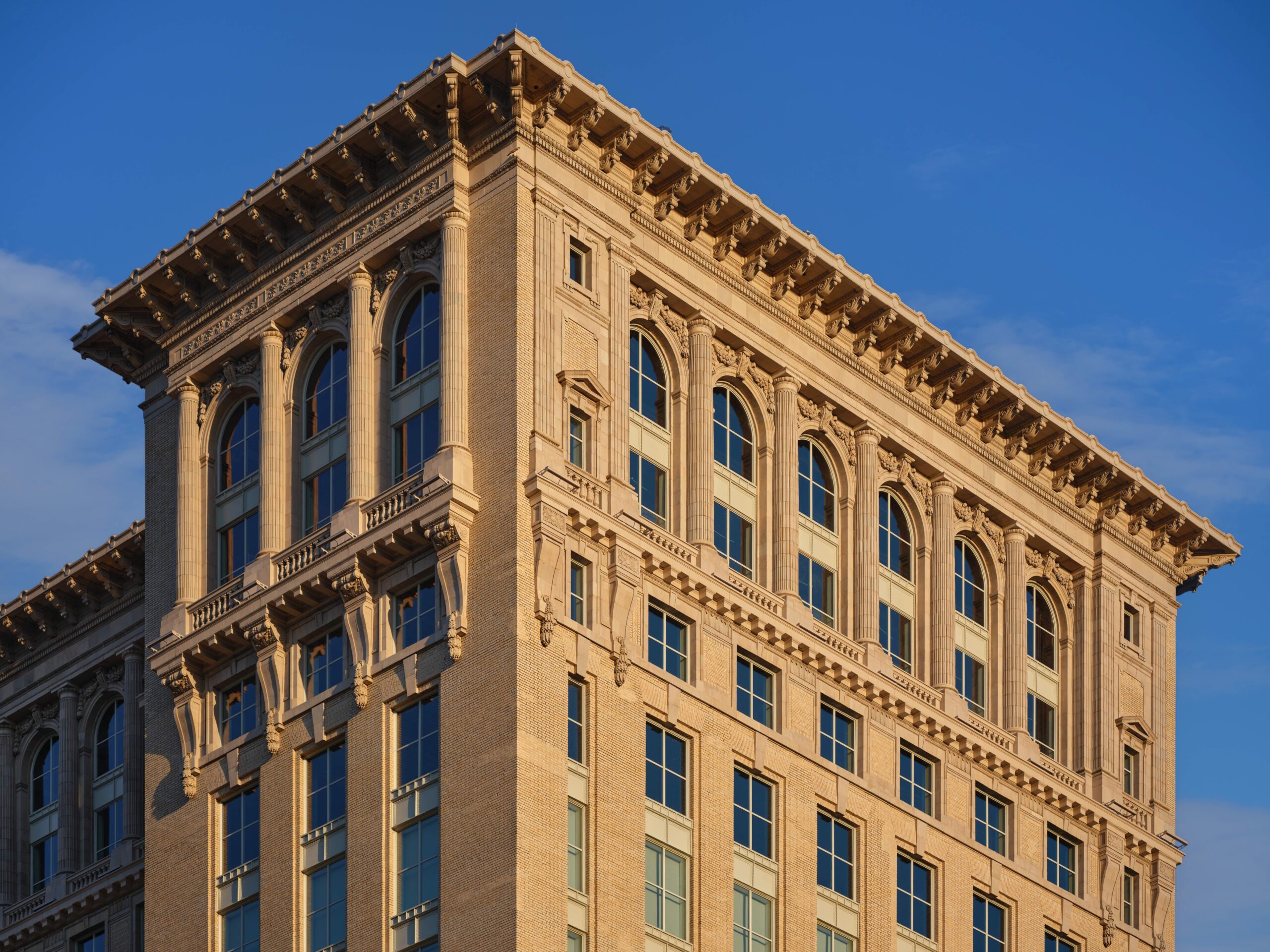
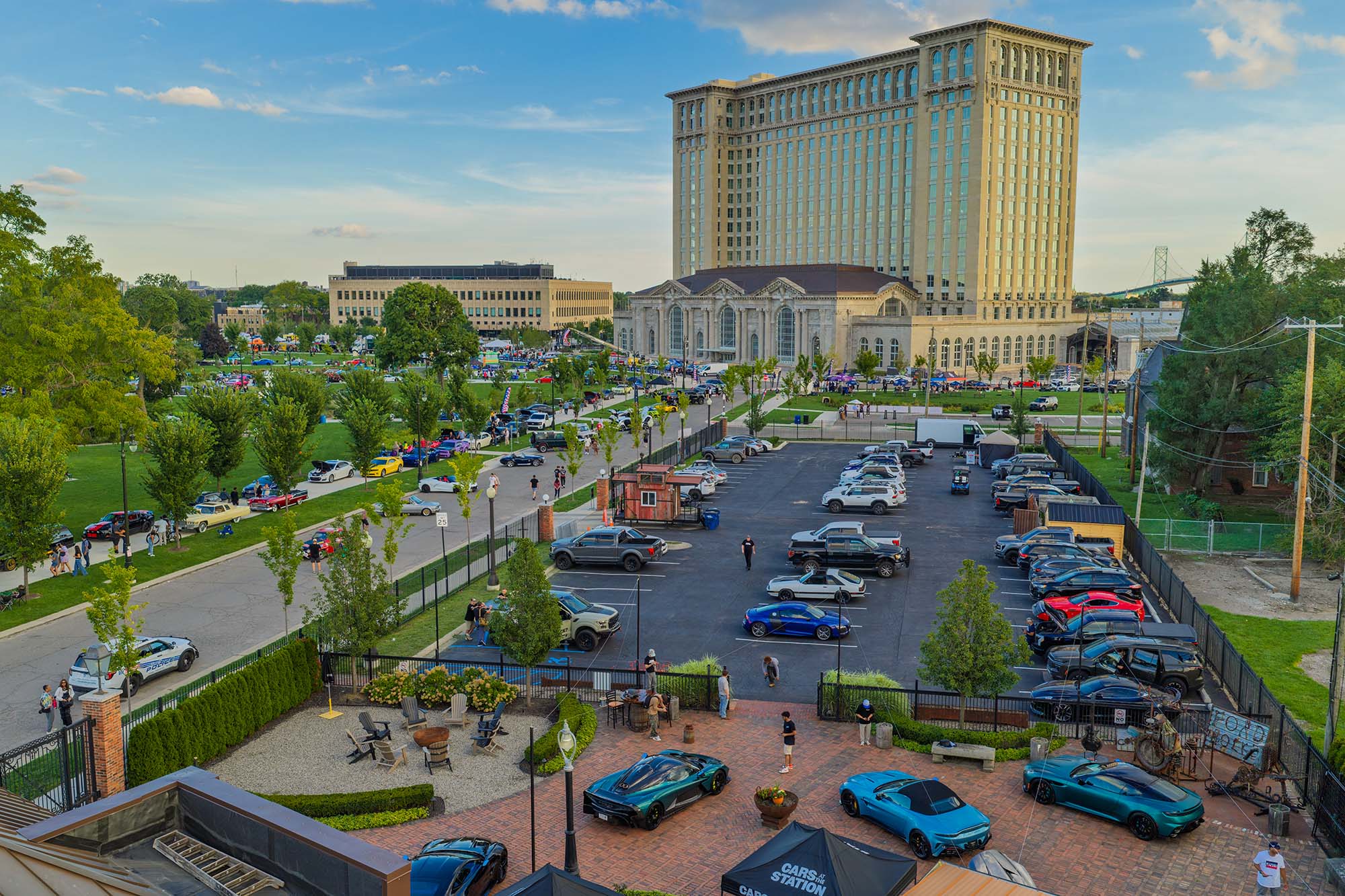
Kiana Wenzell is the director of Detroit Month of Design and co-director of Design Core Detroit, the nonprofit based at the College for Creative Studies that produces the festival and stewards Detroit’s UNESCO City of Design designation. She sees a parallel between the festival’s mission and the phoenix-from-the-ashes restored Michigan Central Station complex in Corktown, which reopened to the public in 2024. The Beaux-Arts transit hub completed in 1913 by Warren & Wetmore and Reed & Stern and acquired by Ford in 2018, the tech-forward, mixed-use iteration now stands as a beacon of adaptive reuse and heritage-minded reinvention on a thoughtfully landscaped 30-acre campus.
“Its original use case was moving people in, and moving people out. Right now it’s moving people in a different way,” Wenzell said of the site, where the last train departed in 1988. “It’s moving people with the [tenant] Boys and Girls Club, and a co-working space. It’s a different type of movement.” These efforts include an under-construction deluxe NoMad hotel, slated to open in 2027, that will occupy the top five floors. At the Month of Design Takeover of the Fridays at the Station series during the second weekend of September, Michigan Central’s art strategic-partnership lead, Daniel Sharp, pointed to supporting interdisciplinary collaboration as a key value reflected in the wide-ranging activations and the residency program.
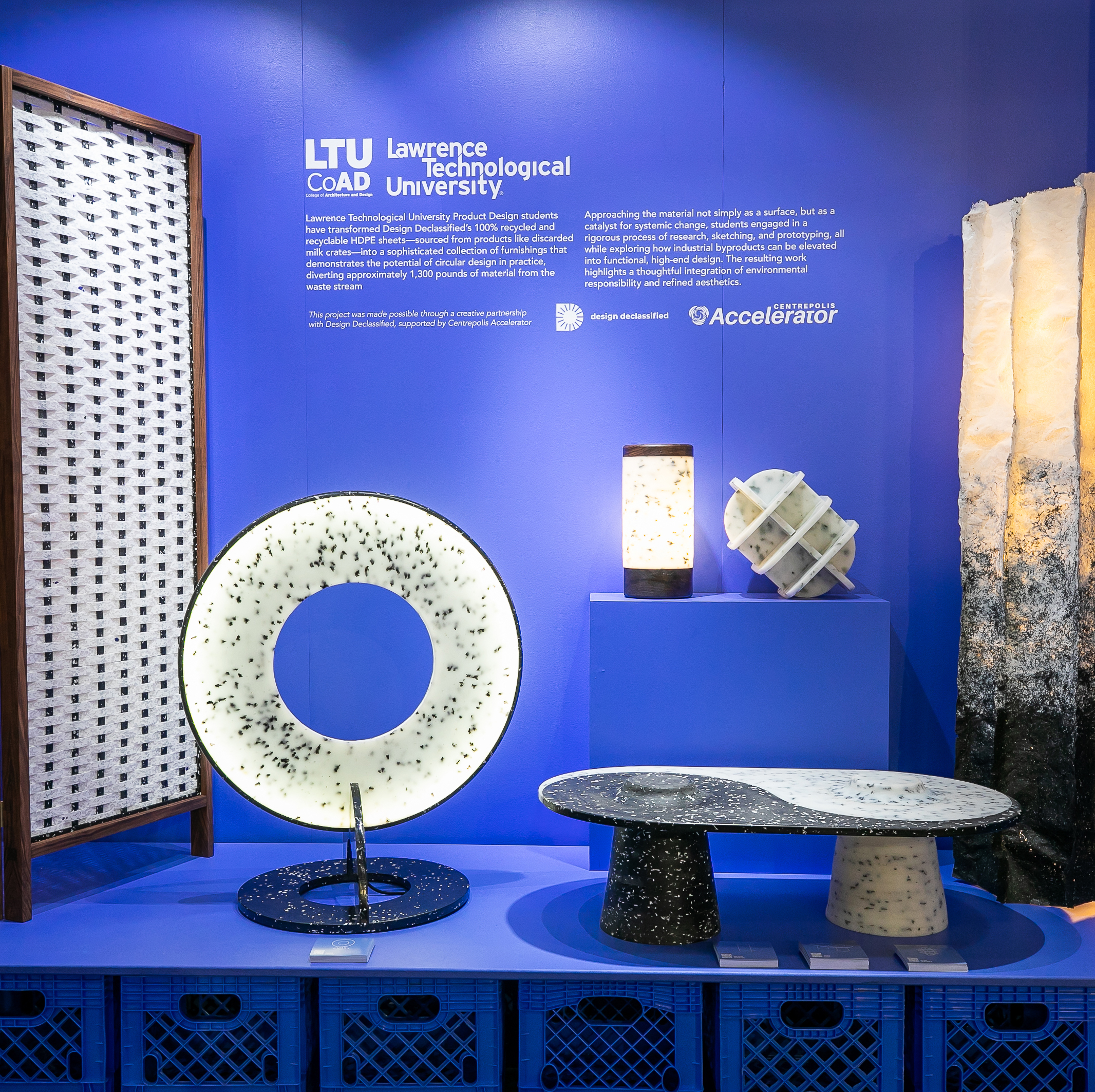
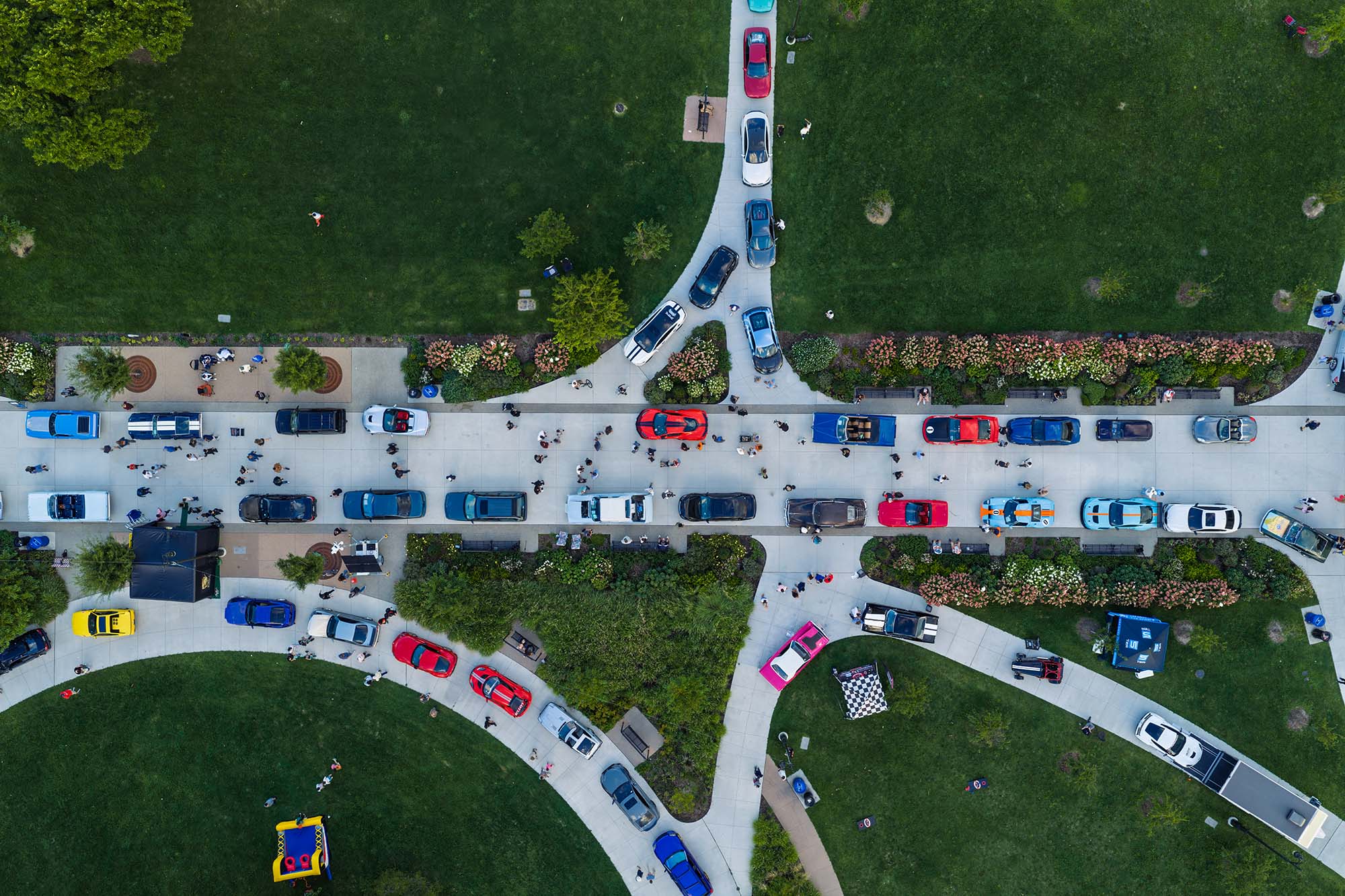
Evidence of this cross-pollination was plentiful. Installations in the Grand Hall by Detroit designers Basalt, Design. Declassified x Jason Alexander, LTU Product Design, Domino Modular, and Liisa Salonen prompted conversations while a panel exploring themes of architecture, audio, and public life took place in the Study. In the South Concourse, a crowd awaited a performance by Detroit multi-hyphenate creative and tap dancer Rick Williams, a.k.a. Metal Feet. This opening celebration also coincided with Cars at the Station, the gathering where proud owners of vintage cars show off their lovingly maintained vehicles—most of which boast Motor City bona fides. Within this sea of combustion engines, Portal, designer Salam Rida’s mobile recording booth stood ready to collect stories.
Reimagining Motor City
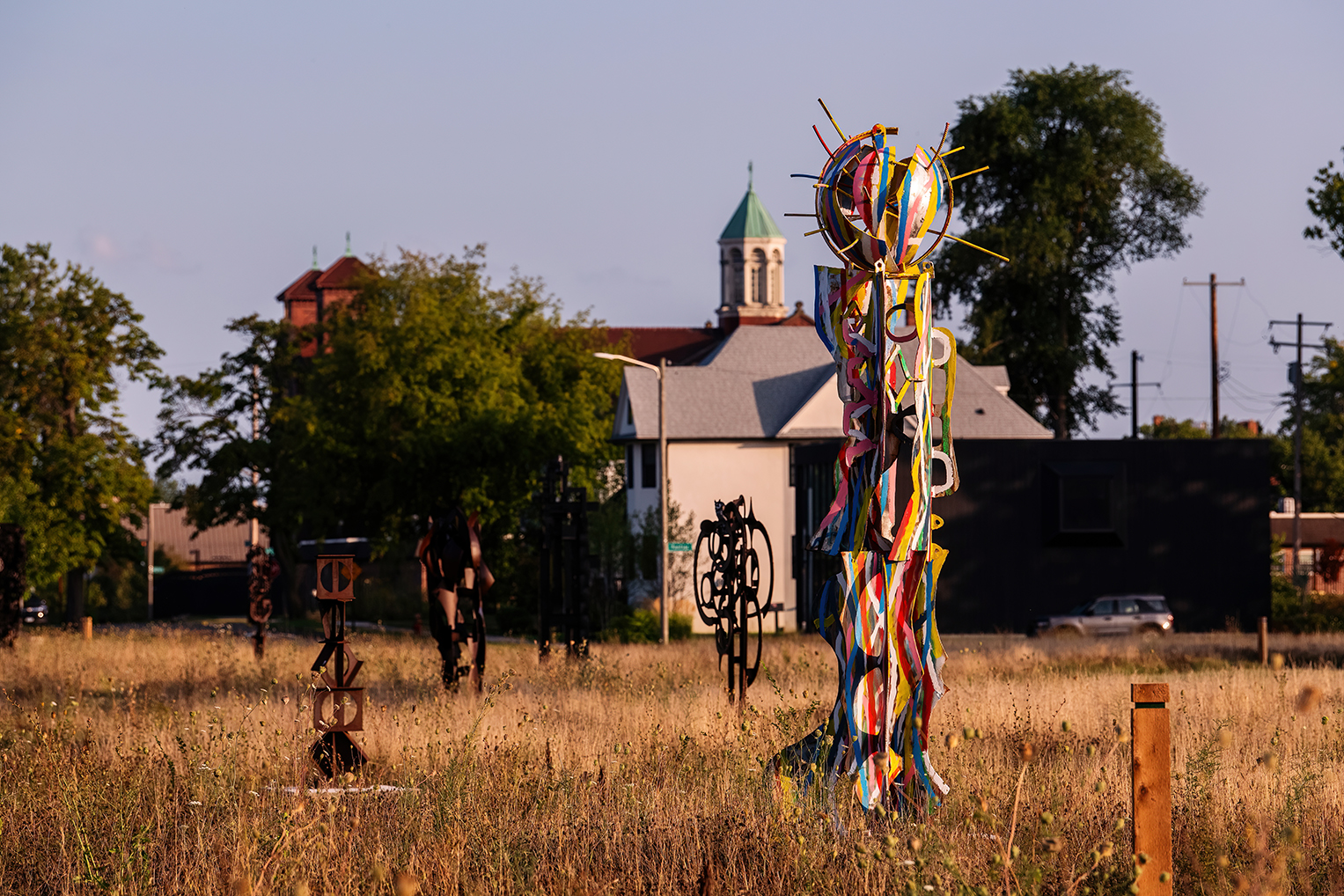
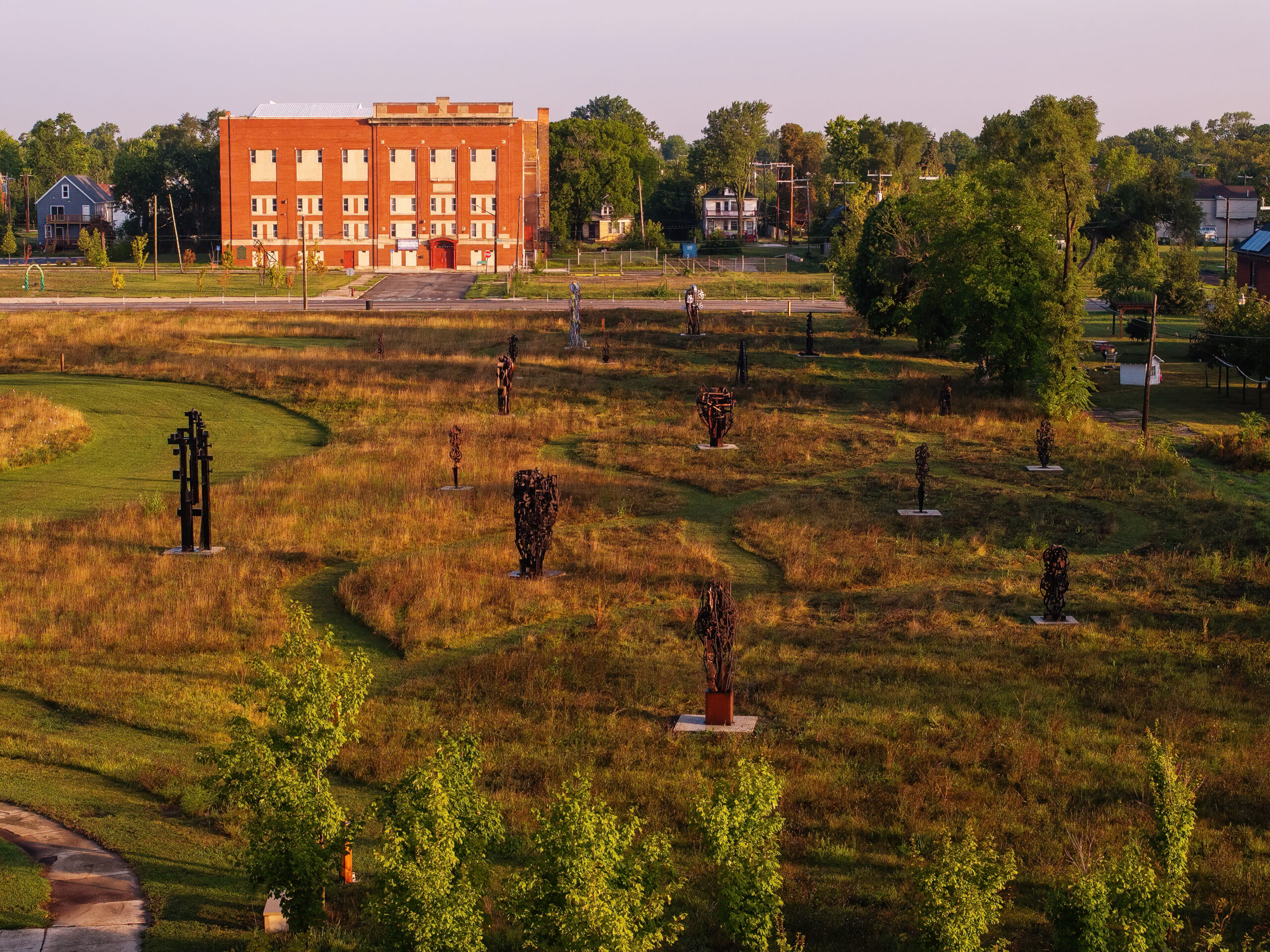
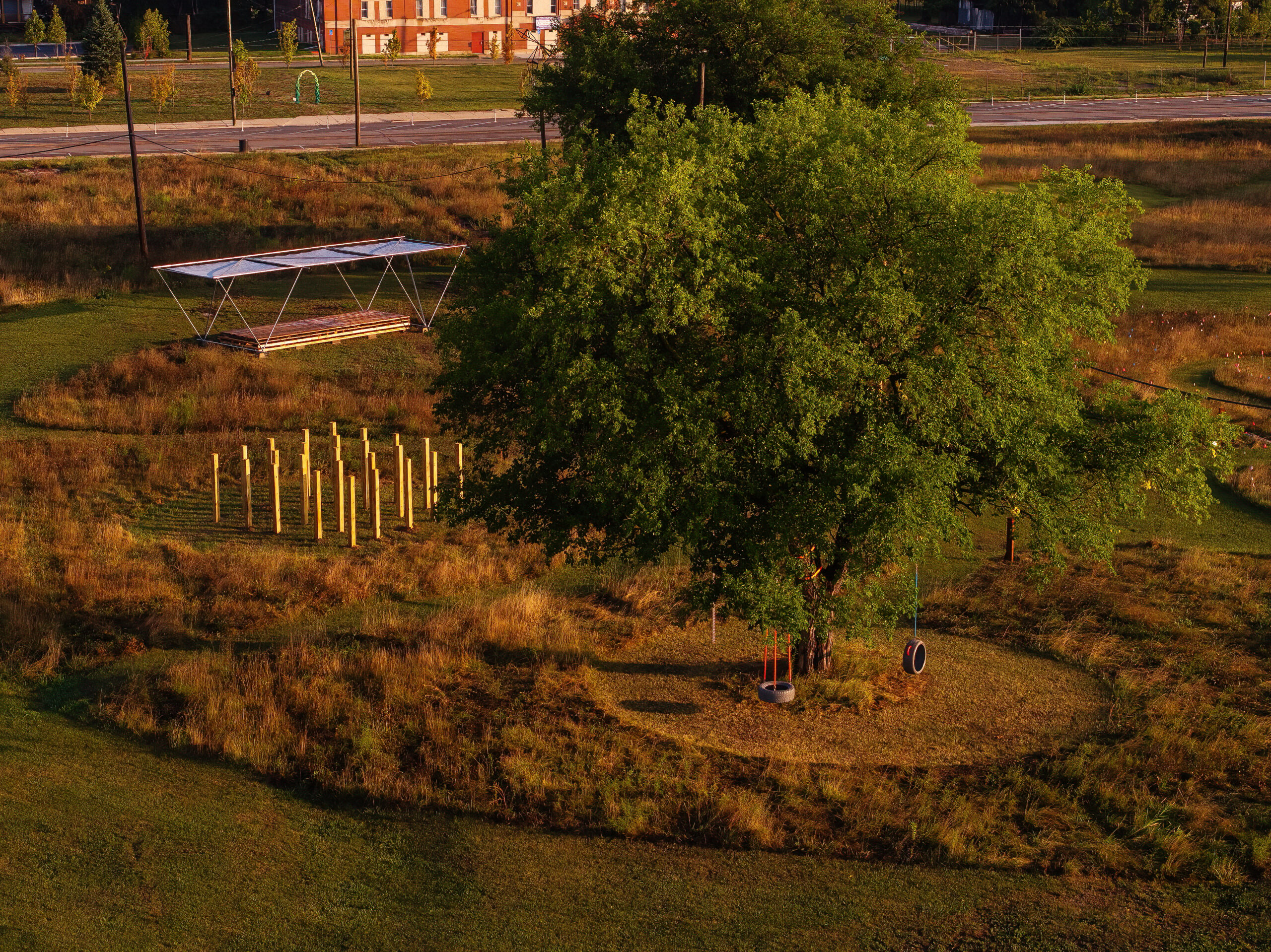
Detroit Month of Design’s ambition and scale demand time to take in the events dotted throughout the city’s expansive, auto-oriented geography. Cézanne Charles and John Marshall’s collaborative practice, rootoftwo, installed their inventive and compelling Anyspace? Whatever exhibition investigating civic space, technology, and surveillance at MoCAD. On the east side, Between Your Love & Mine is writer and curator Stefan Novakovic’s meditation on Detroit’s border-proximate identity. “There’s this beautiful sense of porosity and of continuity,” he said during a tour in the sprawling Little Village arts and culture compound. Houses once stood on the stitched-together River Trail lots before a rewilding process took over. Novakovic’s reconceiving coordinates gentle landscape and built interventions by American and Canadian firms Undecorated, SOCA, OSD, and Castor Design, along with community projects
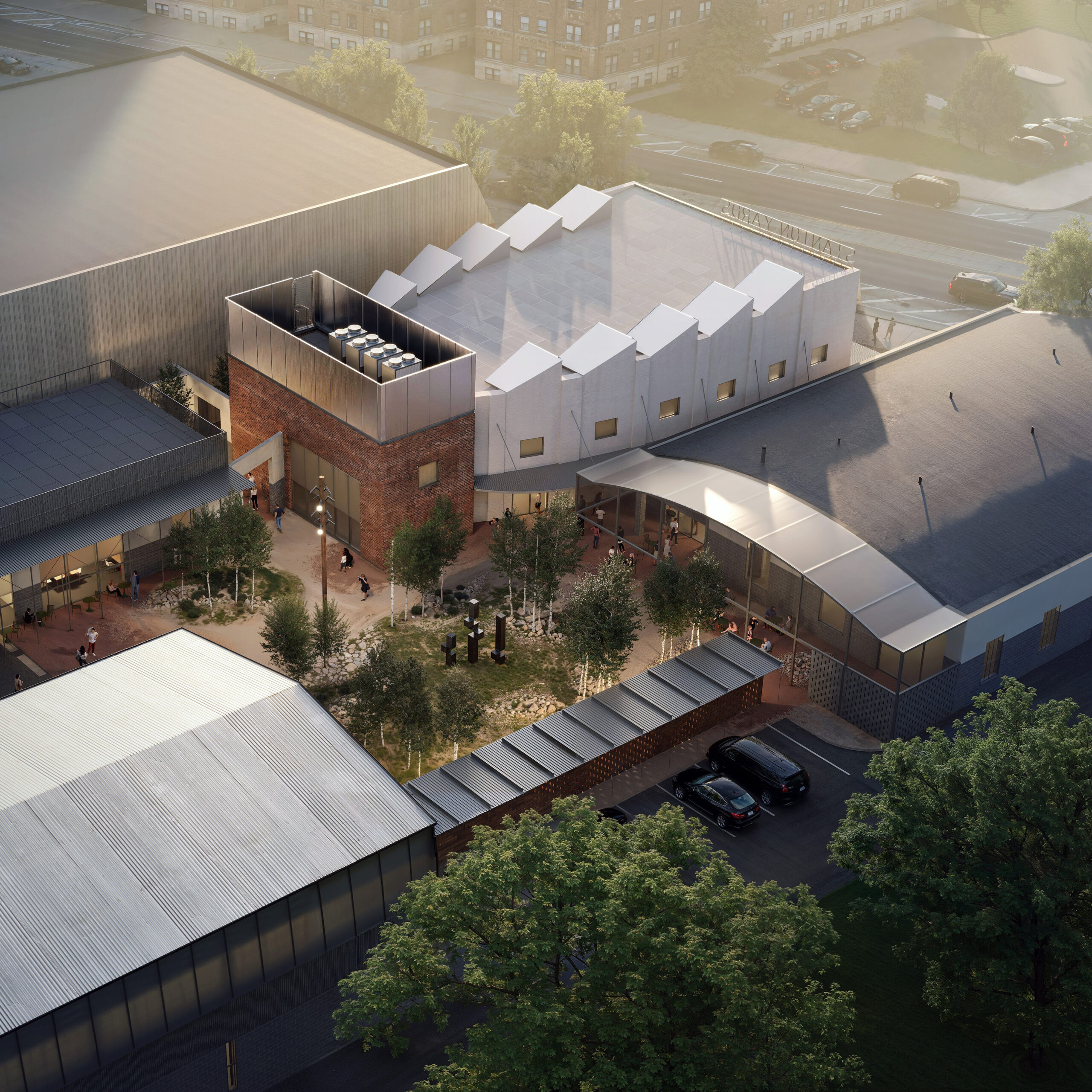
Across a quiet street, a former church has been rechristened as The Shepherd arts complex. Its rear elevation contains the bar and restaurant Father Forgive Me, with Charles McGee Legacy Park in view. Art and design businesses and shops, nonprofits, galleries, and artist and recording studios occupy the Cadillac Arts Centre and OMA’s Lantern building that also comprise Little Village affiliated with founders Anthony and JJ Curtis’s Library Street Collective. Construction is underway on SO-IL’s 80,000-square-foot multipurpose commercial and creative building at the 13-acre waterfront Stanton Yards, designed with OSD, an undertaking that will extend the corridor.
Making Design Accessible to All
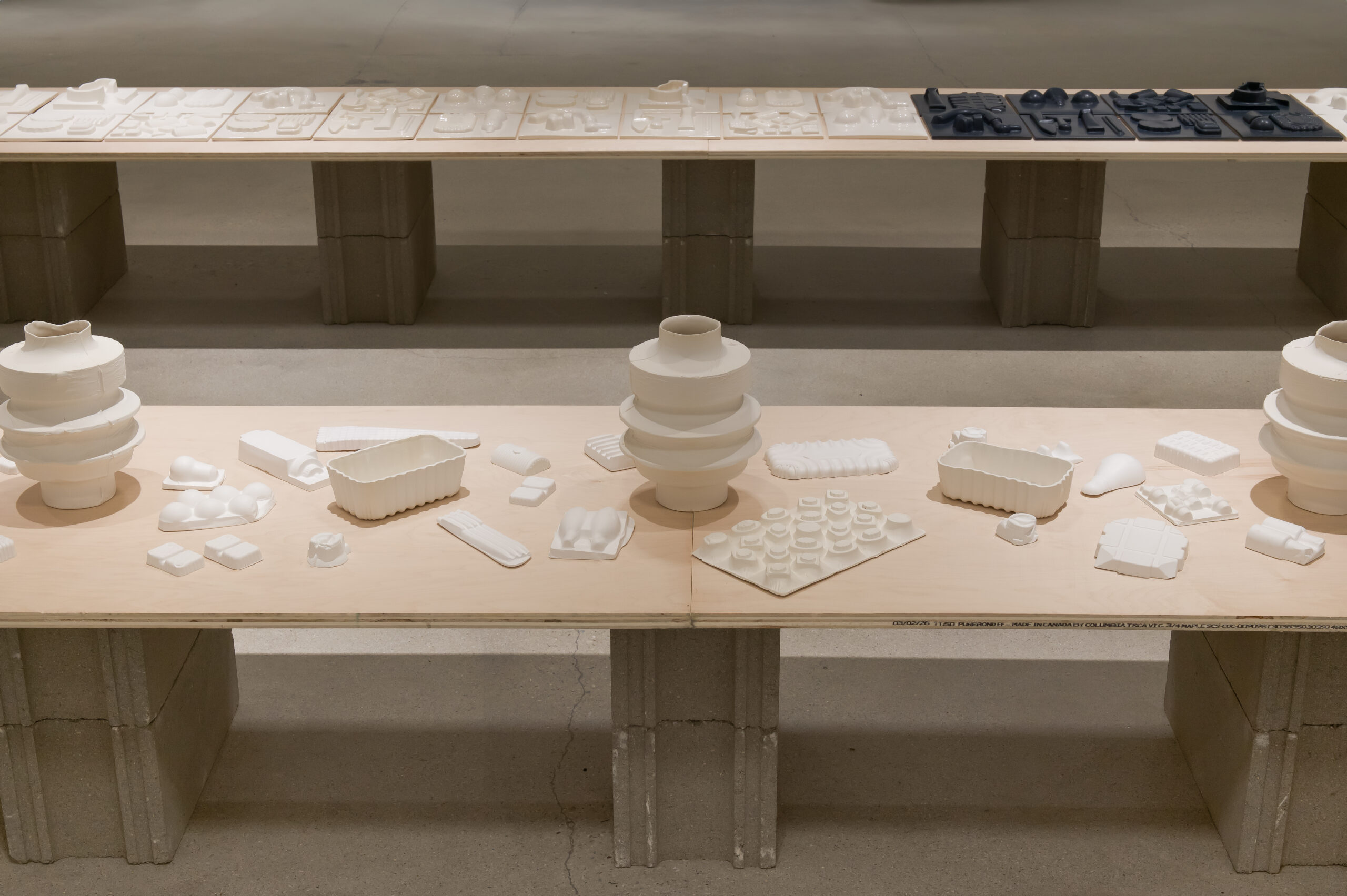
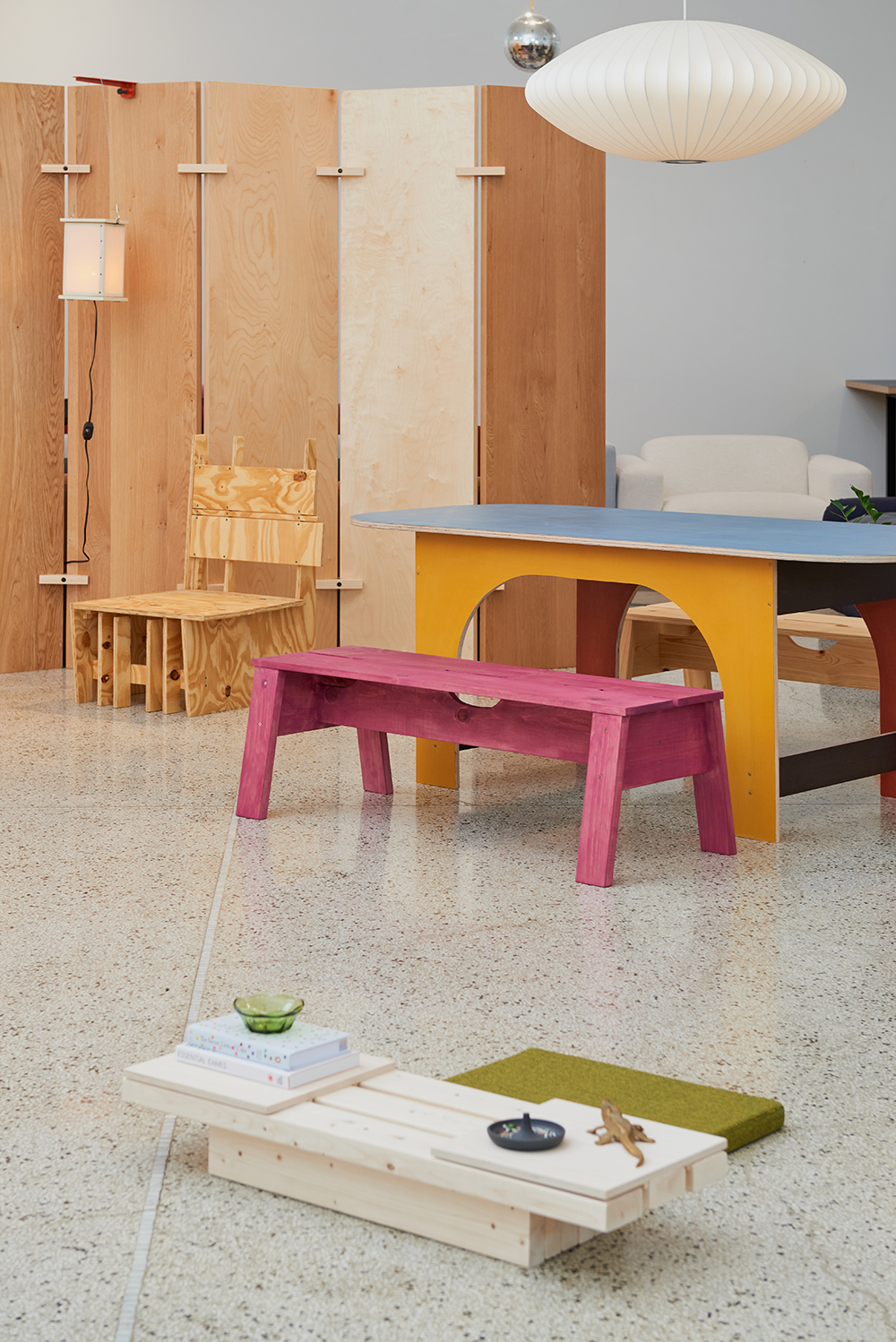
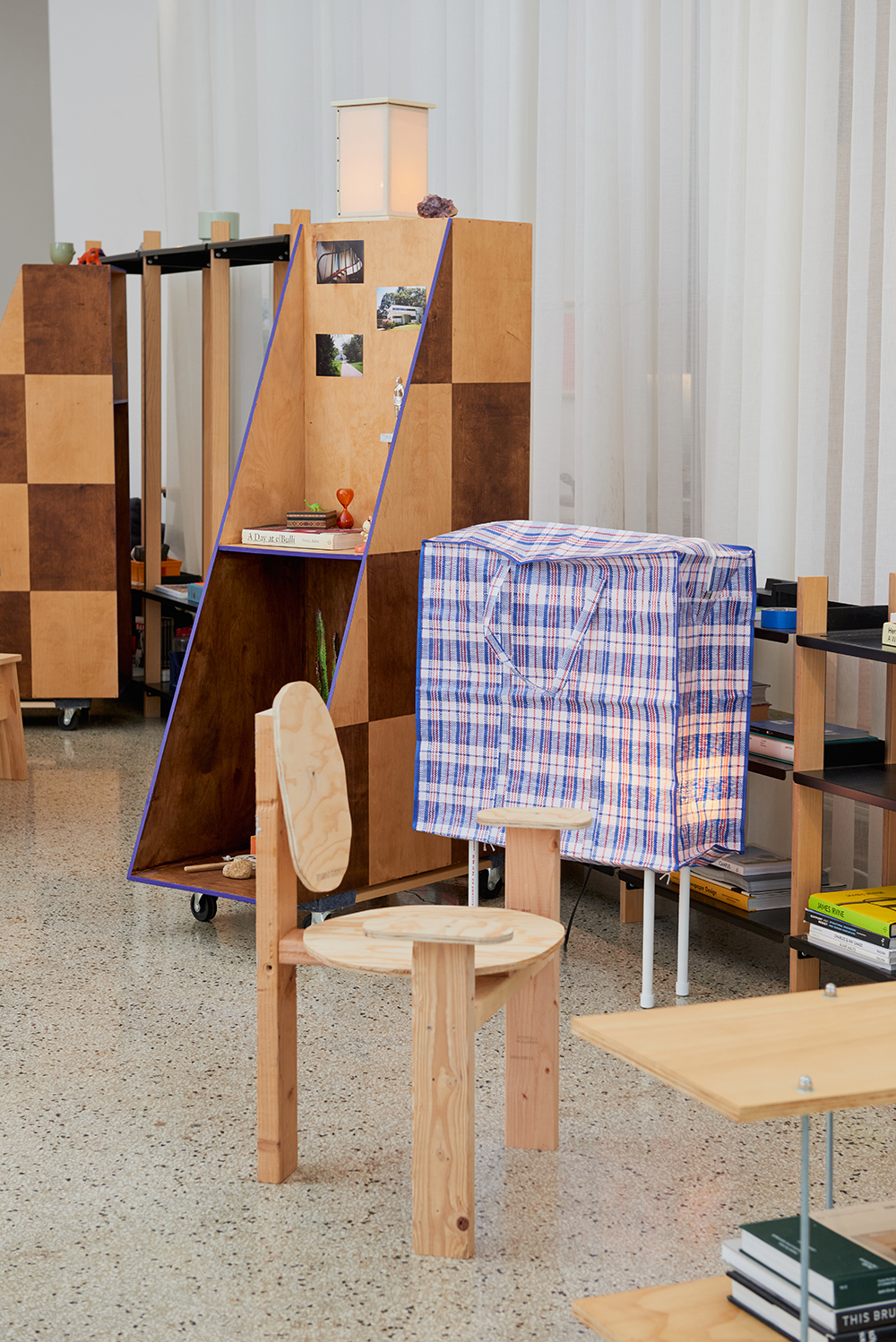
Other Detroit-based brands are eager to host group shows, such as Wild.Form: DIY Design for Domestic Survival at furniture maker Floyd headquarters that occupies a loosely Romanesque Revival-style brick building originally built as a bank branch in the 1920s. “It’s all about making quality design accessible to everybody,” said architect Valeria de Jongh, who co-founded Wild.Form with Sophie Yan, of the Enzo Mari autoprogettazione-inspired instructions designers shared for the 20-piece exhibition’s companion manual, Recipes for Domestic Survival. “A lot are more systems, so the end result doesn’t need to look like the prototype. It’s very adaptable,” she added, unintentionally echoing a defining civic theme.
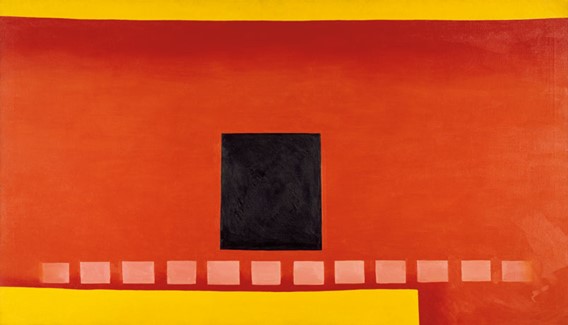
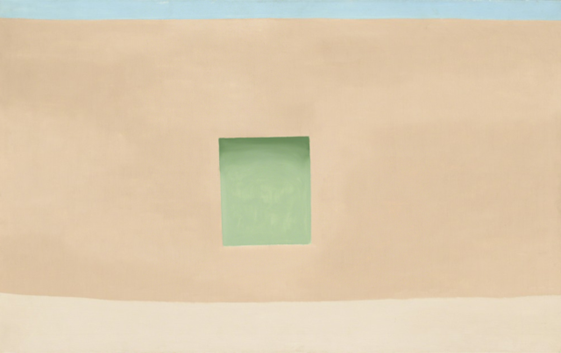
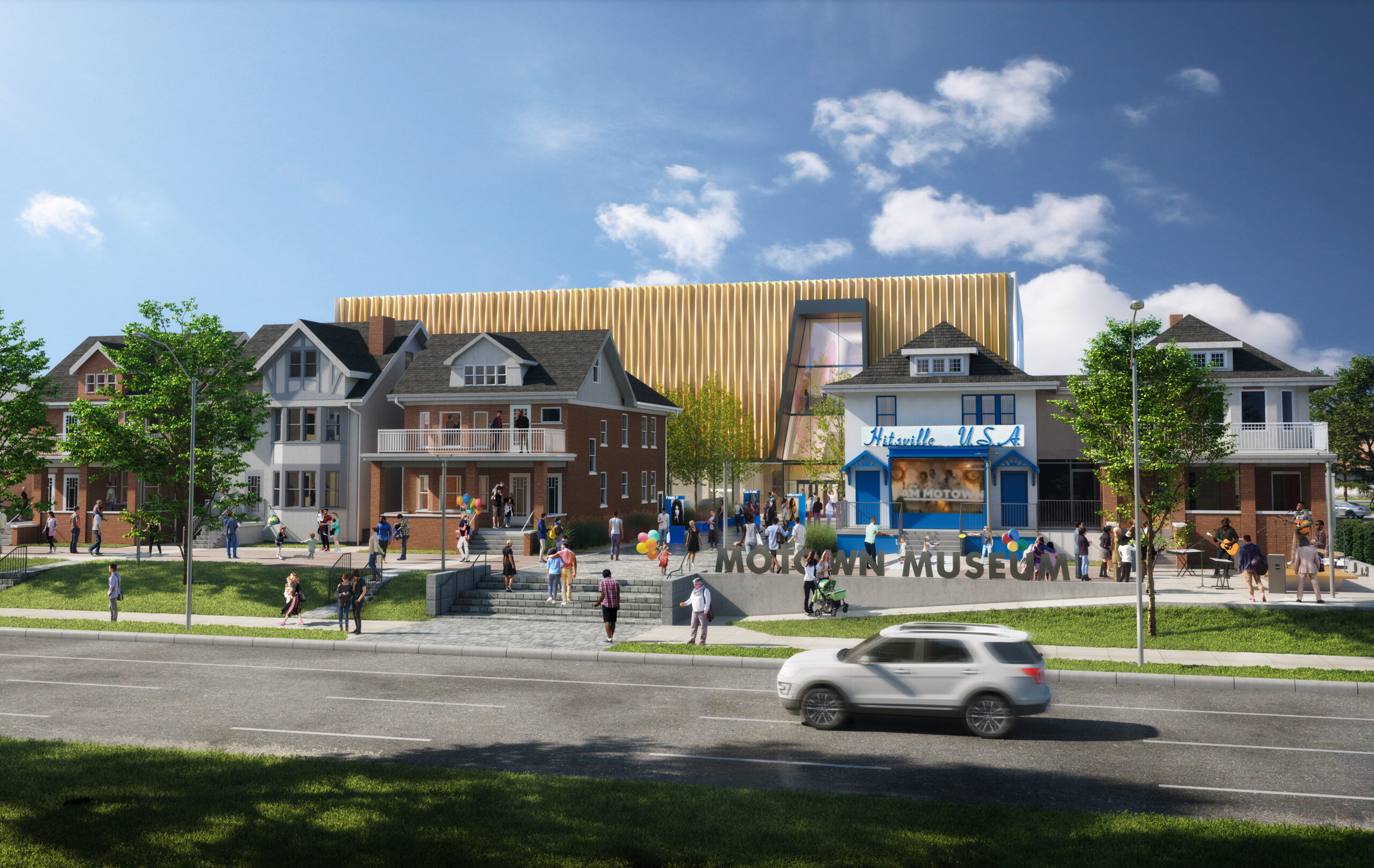
The schedule includes events that, in some markets, might not make it onto a design festival calendar. Here, though, Spike Lee’s appearance was timed to join Detroit Month of Design, and the revelatory Detroit Institute of Arts exhibition Georgia O’Keeffe: Architecture, organized by curator Ben Colman, is a fitting accompaniment. The nearly 40-work show of the artist’s architectural subjects alone justifies a trip, and it remains on view through January 3, 2027. The summer 2027 reveal of the Motown Museum’s $75 million expansion, spearheaded by museum chairwoman/CEO Robin Terry and designed by Perkins&Will, will reinterpret Hitsville U.S.A. with a multimedia Motown Experience exhibit series. The long-awaited effort is stoking excitement much like a hotly anticipated record release.
“The city is in a form of transition, like a passing of the baton,” Wenzell said about Detroit’s singular assets and character. “It’s like the grandmother passing on her recipe that you can use to help you.”
Would you like to comment on this article? Send your thoughts to: [email protected]
- No tags selected
Latest
Projects
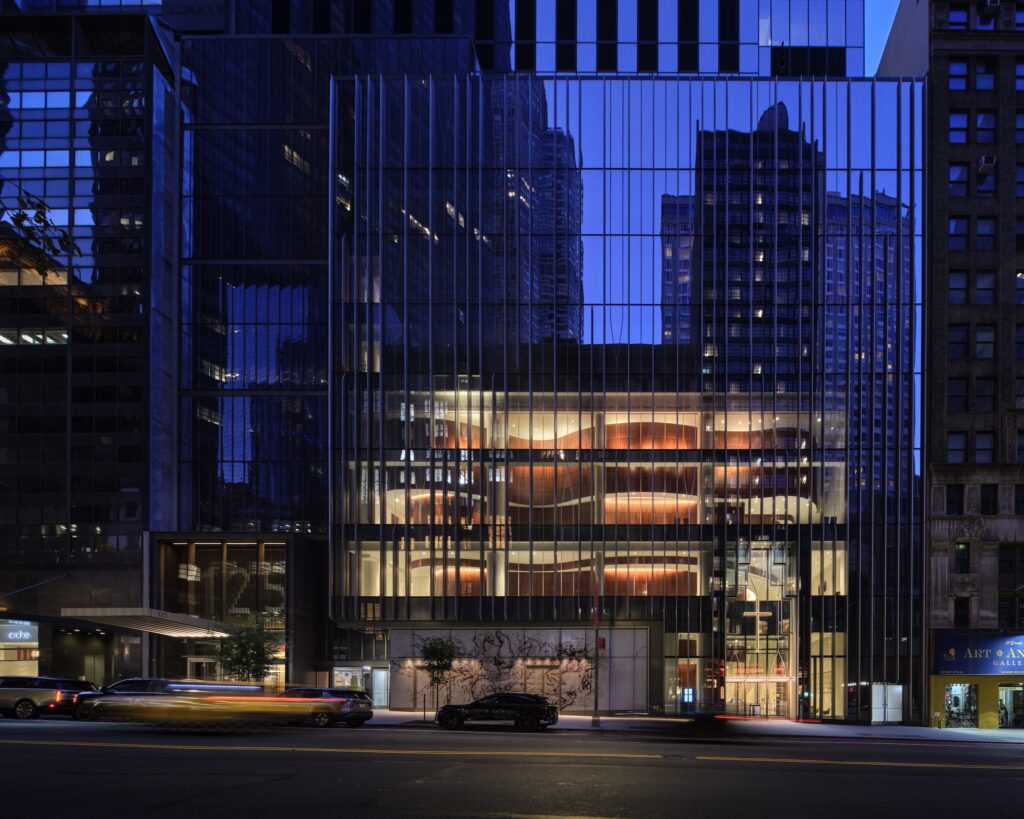
How a Hybrid Building Helped an Historic Manhattan Congregation Remain in Place
On Billionaire’s Row, FX Collaborative designed a new home for Calvary Baptist Church combined with an office tower.
Projects
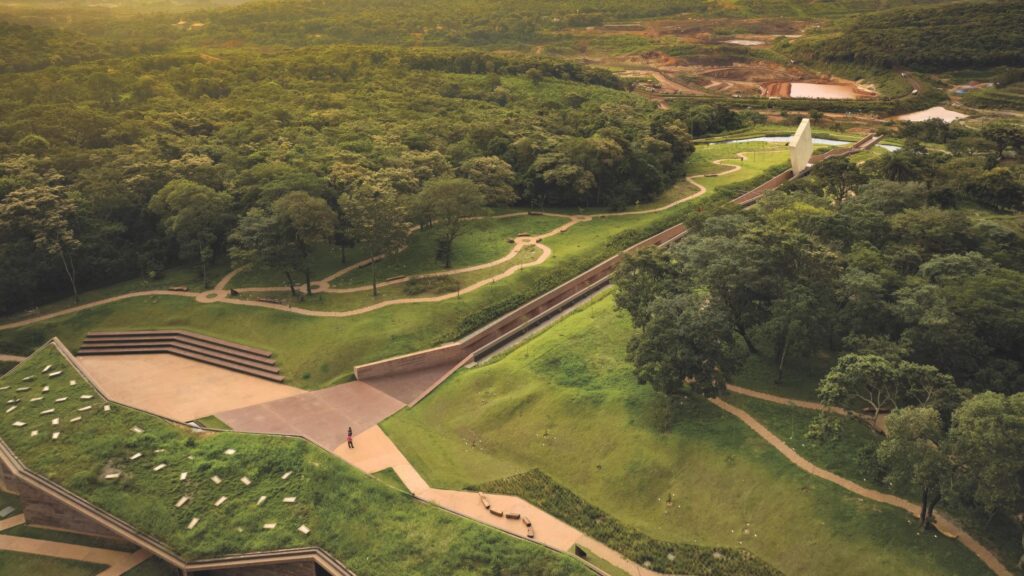
The Brumadinho Memorial Is an Exercise in Memory and Materiality
Designed by Gustavo Penna Arquitetos Associados, the memorial was built to honor the 272 victims of the collapse of Brazil’s Mina Córrego do Feijão tailings dam.