



June 9, 2026
How Can We Celebrate Craft in Architecture Today?
Architecture, the design of habitable space and volume, has a deep relationship with craft, the manipulation of material through the human mind and hand. But it’s a relationship in flux—strained by the economics of construction and challenged by the digitization of building processes. Leaders from Agencie, Archi-Tectonics, ARO, Beyer Blinder Belle, CetraRuddy, COOKFOX, Gluckman Tang, KPF, Leong Leong, MKCA, Morris Adjmi Architects, Pelli Clarke & Partners, Olson Kundig, SHoP Architects, Snøhetta, Rockwell Group, and Yabu Pushelberg gathered at the Boffi showroom in New York City at the end of 2025 to contemplate the role of craft in architecture in a roundtable hosted by METROPOLIS editor in chief Avinash Rajagopal. Here are some highlights from the discussion.
How does craft show up in your work?
Christopher Sharples, founding principal, SHoP Architects: When we started SHoP Architects, we actually had a shop in the office. We were very interested in means and methods. We found that if you’re really going to drive a design process, you have to understand and appreciate how it will be made and what the attributes of the materials are. We found it really exciting to get to know the fabricators and understand how they use their machines, so that we could draw that back into our design thinking.
Darina Zlateva, director, KPF: The way that we think about our projects is in the Powers of Ten: “What does it look like at 10,000 feet, 1,000 feet, 100 feet?” And then, “What does it look like when you’re really up close to it, like ten feet, and then when you’re actually touching it from a foot away?” The perspective on craft changes as you design across these different scales.
Michael K. Chen, principal, MKCA: Craft is the way that we think about connecting the work that we do, as a small firm of eight people, to a set of agendas that are much larger than the projects themselves. So much of our attitude about craft is about the elective decisions that we make as designers, in terms of what we value and the processes that we engage in and connecting them to the material streams that produce those works. We don’t think only about the itinerary of construction or assembly. For example, when we work with something that is wood, we have to think about the forest, and we have to think about whether or not the choices that we’re making are regenerative or if they are detrimental to the forest. We have to think about the politics of craft, right? When we talk about the presence of the human hand, we have to think about which humans those hands belong to, and whether the things that we’re making are beneficial for those humans or not.
What parts of crafting a building feel critical to you?
Craig Copeland, principal designer, Pelli Clarke & Partners: I work with stone, and I’ve been in situations where I go in with a preconception and start working on something and then realize, ‘Oh my God, there’s a crack here,” or “There’s an incredible vein here.’ I can’t just take a computer model, give it to a fabricator, and say, ‘Okay, that’s what I want.’ I have to collaborate with them, and that’s part of the craft too: selecting how you’re going to approach the material.
Brad Zuger, partner, Rockwell Group: Giving ourselves the time to engage craftspeople and craft something very special is one way of creating meaning. The other aspect is using craft to create a sense of care—something as simple as rounding the underside of a table. It may not really be remarkable to a guest coming to a restaurant, but it makes you feel good and reminds you that a human really touched this very small detail. That, to me, makes all the difference.
Christopher Sharples, founding principal, SHoP Architects: John Ruskin wrote about this: We need variety, we need intricacies, we need variability. For a lot of people, that’s expensive. So how do you achieve that?
Craft, in a way, is about intimacy and human connection. When we look at a blank wall, it doesn’t really fire a lot of neurons in our brain. But when you look at the Woolworth Building, it brings you some sense of joy. The science of this is proven, using eye tracking, so there’s a really strong wellness side to craft.
This is also true when it comes to sketching. I can tell you, community boards hate renderings. They love sketches because it means that they haven’t been designed out of the process. Clients love it if you can sketch upside down when they’re on the other side of the table, because they feel that connection, and it opens up the idea that not everything’s been solved. And when you work with a fabricator, it’s the same thing. So it really is about human connection.
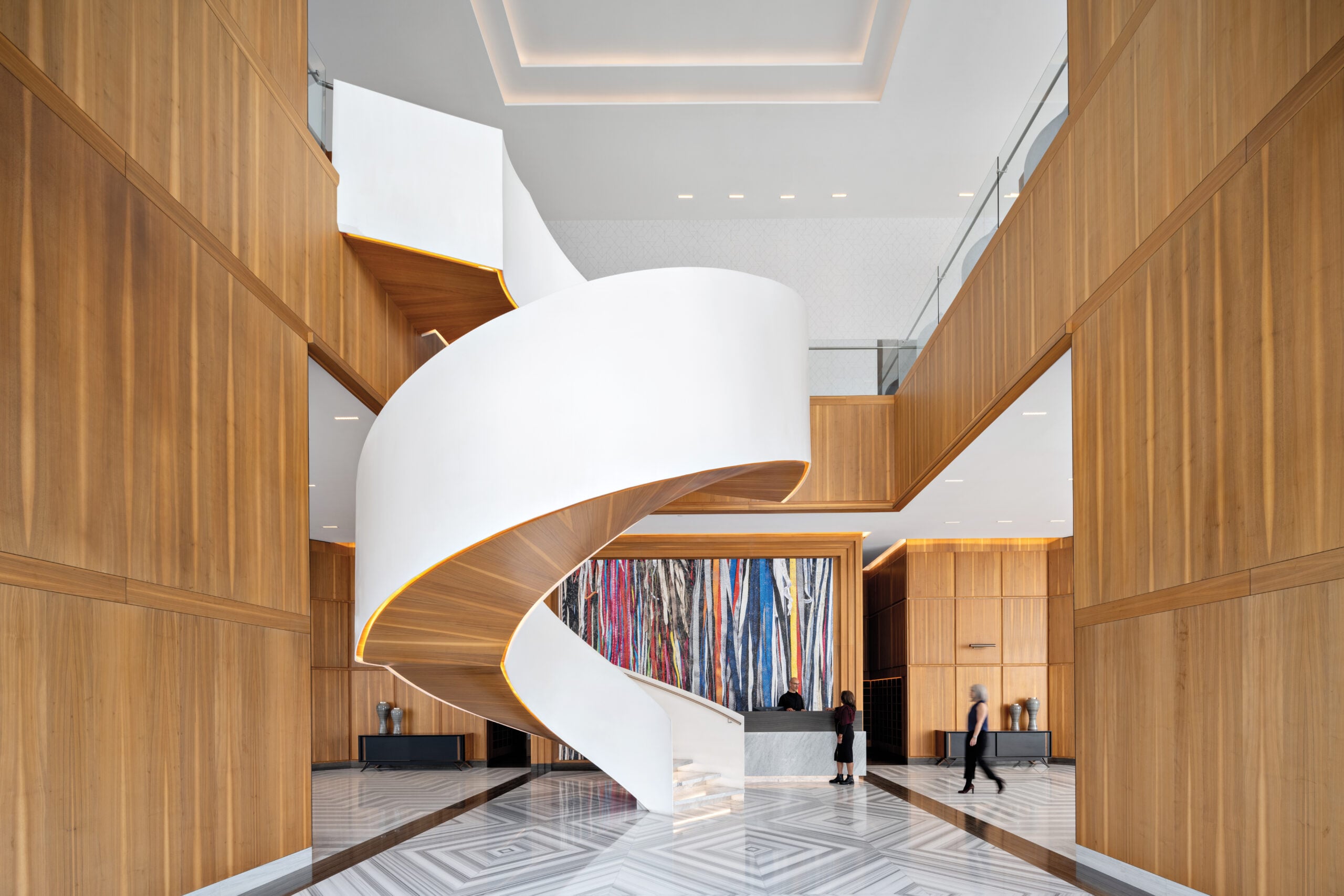
How do we make time for craft?
Brad Zuger, partner, Rockwell Group: There’s this notion clients have that craft is a luxury, but it could also mean longevity and more meaning.
Justin Korhammer, partner, Archi-Tectonics: In our projects, there are always plenty of custom aspects that have never been done before. We need to prototype them. So, we’ve realized from day one that we have to break down the project into smaller projects, almost like product design exercises, where we get deeply involved. We talk to manufacturers, we productize, we try all this because then you can go back to the client and tell them, “This is what we want to do.” And if the client says, “Well, you know, we don’t really have the budget for it,” then you can tell them, “No, we’ve figured all this out and this is how we will build it. It’s going to cost X.” Then there is no more question, right?
Remy McClain, project director, Leong Leong: I think another part of this is deciding to make space and time for not just craftspeople, but also for other people who might have an opinion that could slow the process down. We’re working right now on accessibility renovations for an artist residency upstate, and part of what we like to do with all of our projects is integrate a kind of discovery workshop phase that’ll carry from concept all the way through CA. For this project in particular, we’re talking with three disabled artists and having them present in the meetings with our client, mill workers, and other craftspeople. It is changing the perspective and the attitude of that process so much.
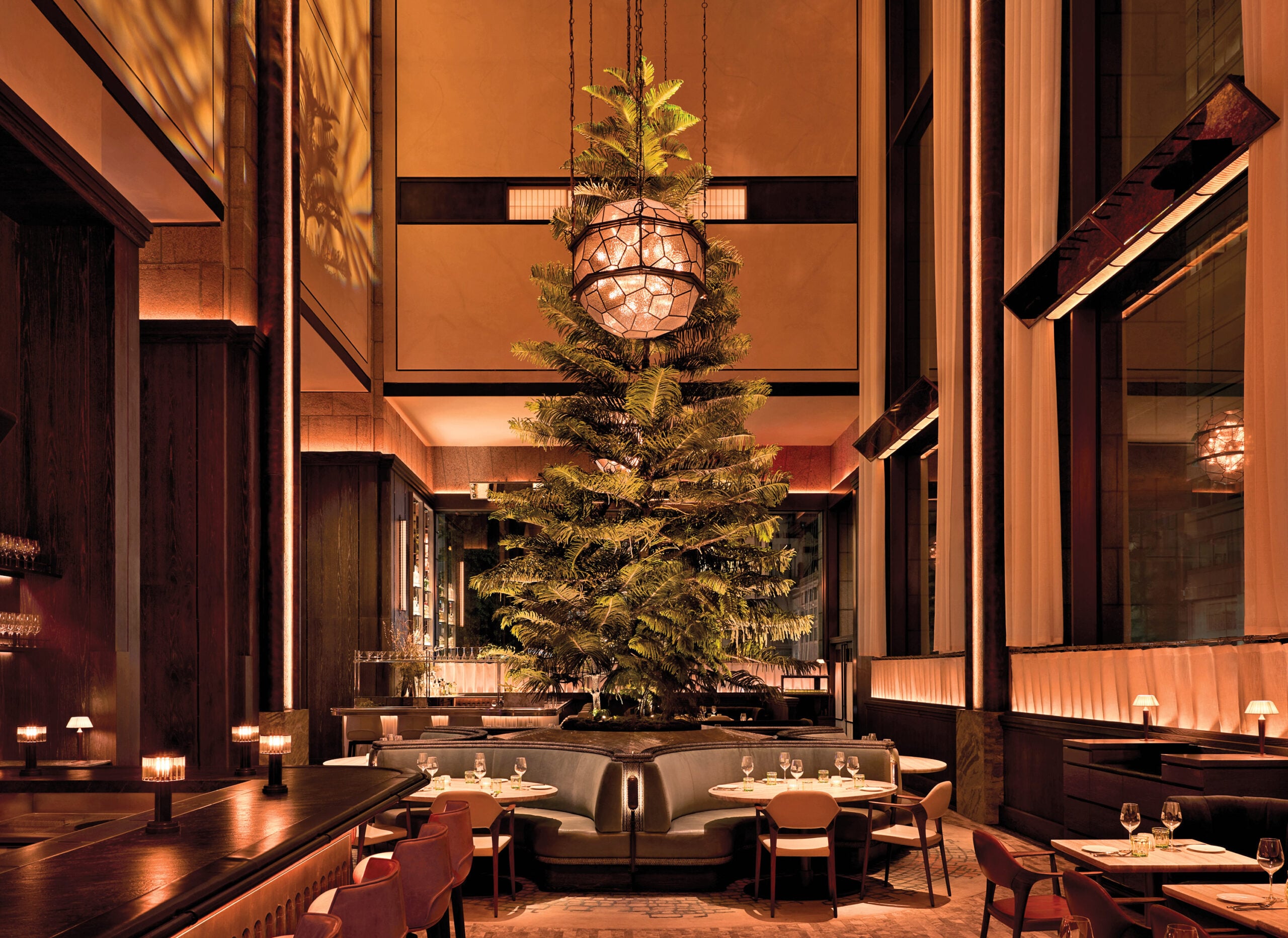
Are there aspects of craft that you personally love?
Adriana Rodriguez Pliego, senior associate, COOKFOX: I like the juxtaposition of things that are planned and things that can’t be planned. We use a lot of terra-cotta, and we shape it so the glaze will break and pool in certain ways. It’s always one of these happy surprises.
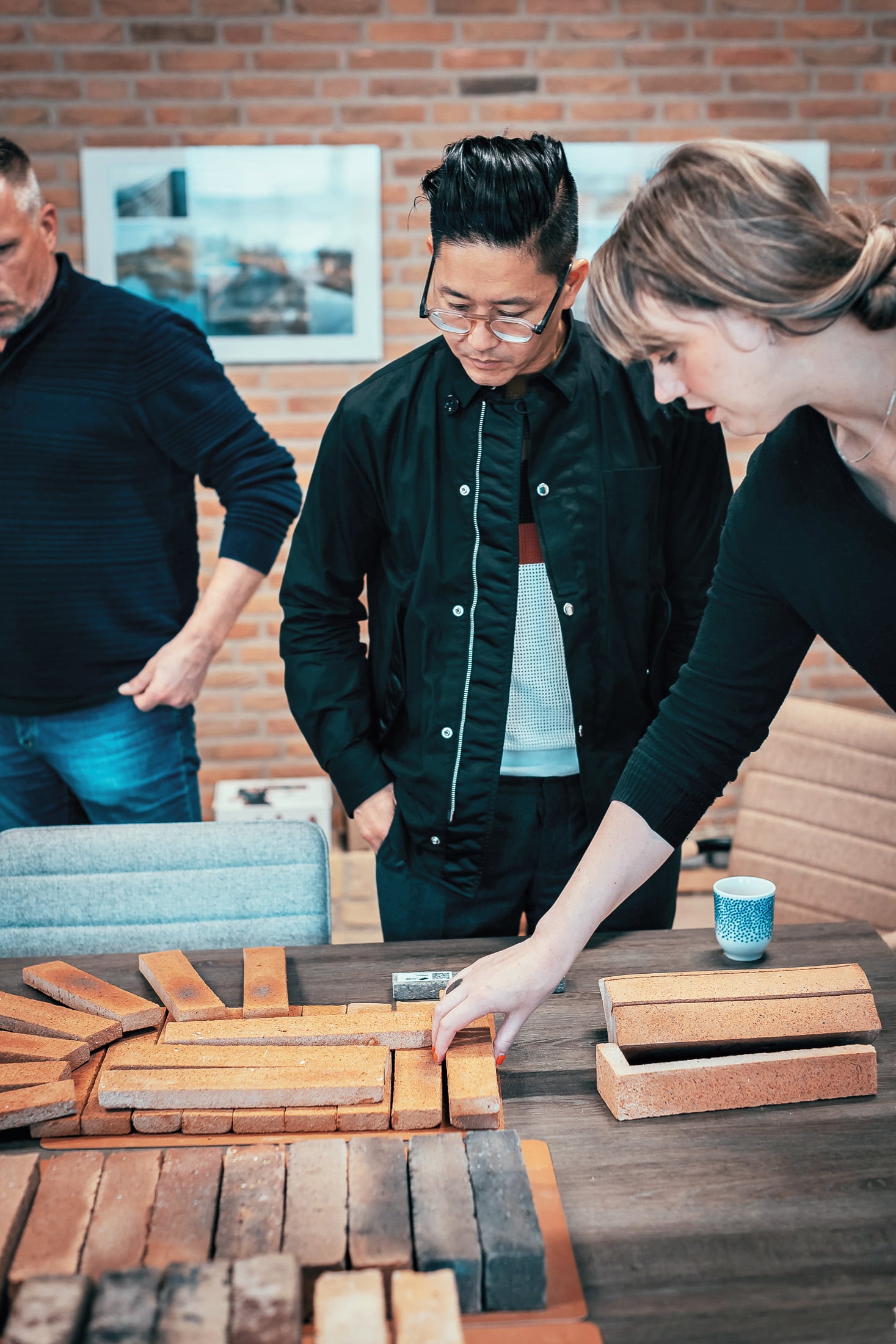
Ian Mills, executive director, Morris Adjmi Architects: We’ve been working with hand-laid brick, which is surprisingly not that expensive in markets where there’s a community of masons, like we do in New York City. We’ve had great fun working with masons. We did a building called the Grand Mulberry, where one guy handmade all these bricks with little domes on them that created a pattern on the facade. It was a developer project, it had a strict budget, and every brick on the building was laid by hand.
Justin Korhammer, partner, Archi-Tectonics: I like it when craftspeople come up with solutions that are so simple, where you, as the architect, may unnecessarily complicate things because of the digital tools you have. For a stadium in the Asian Games Park in Hangzhou, we designed a spherical object that we wanted to cover in brass shingle tiles. And of course, we could number every one of the shingles and make them all different, but the person who developed the facade, he figured out that you could make the whole thing using tiles. Of course, it was more affordable. I find this kind of feedback and expert input super exciting.
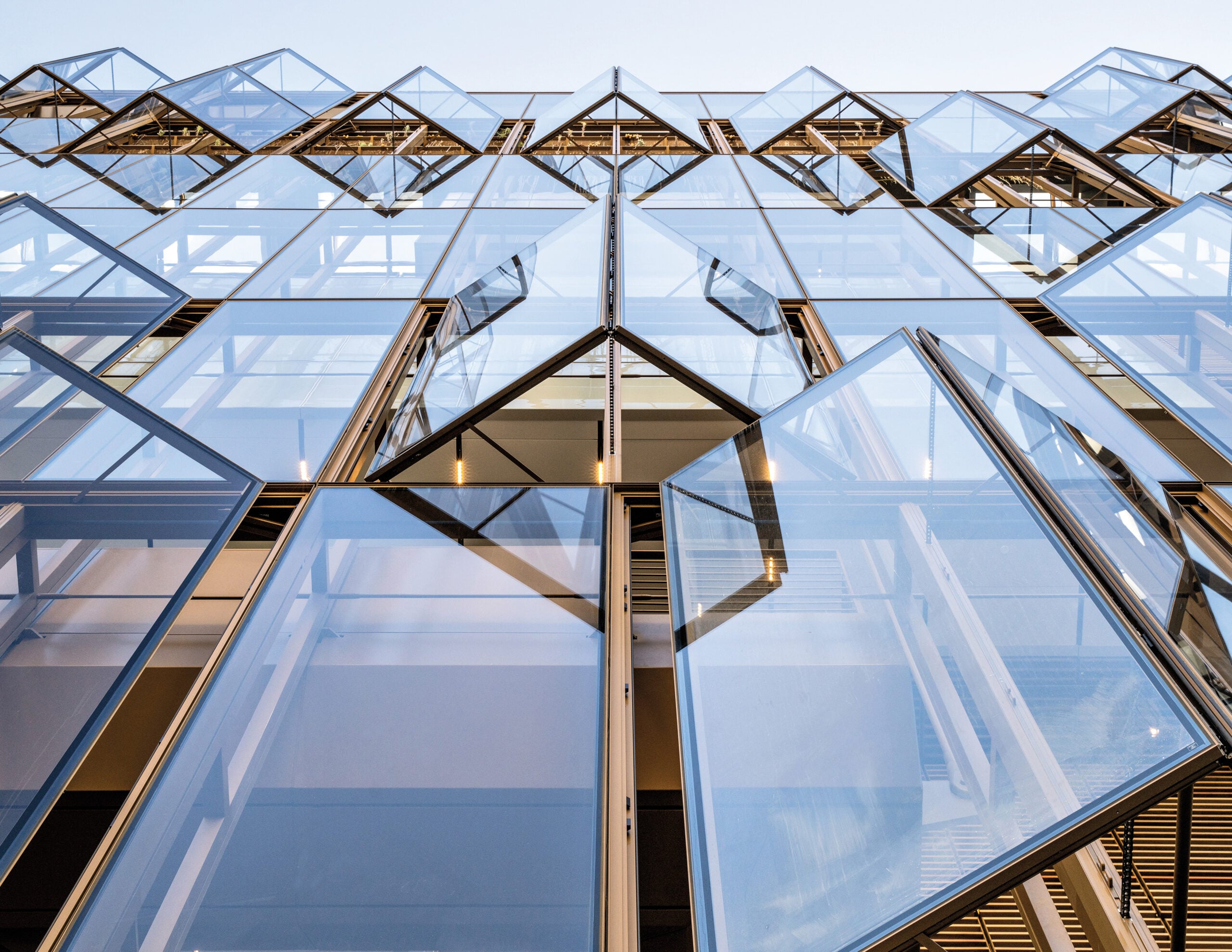
Are there aspects of craft that you personally love?
Adriana Rodriguez Pliego, senior associate, COOKFOX: I like the juxtaposition of things that are planned and things that can’t be planned. We use a lot of terra-cotta, and we shape it so the glaze will break and pool in certain ways. It’s always one of these happy surprises.
Ian Mills, executive director, Morris Adjmi Architects: We’ve been working with hand-laid brick, which is surprisingly not that expensive in markets where there’s a community of masons, like we do in New York City. We’ve had great fun working with masons. We did a building called the Grand Mulberry, where one guy handmade all these bricks with little domes on them that created a pattern on the facade. It was a developer project, it had a strict budget, and every brick on the building was laid by hand.
Justin Korhammer, partner, Archi-Tectonics: I like it when craftspeople come up with solutions that are so simple, where you, as the architect, may unnecessarily complicate things because of the digital tools you have. For a stadium in the Asian Games Park in Hangzhou, we designed a spherical object that we wanted to cover in brass shingle tiles. And of course, we could number every one of the shingles and make them all different, but the person who developed the facade, he figured out that you could make the whole thing using tiles. Of course, it was more affordable. I find this kind of feedback and expert input super exciting.
Would you like to comment on this article? Send your thoughts to: [email protected]
Latest
Viewpoints
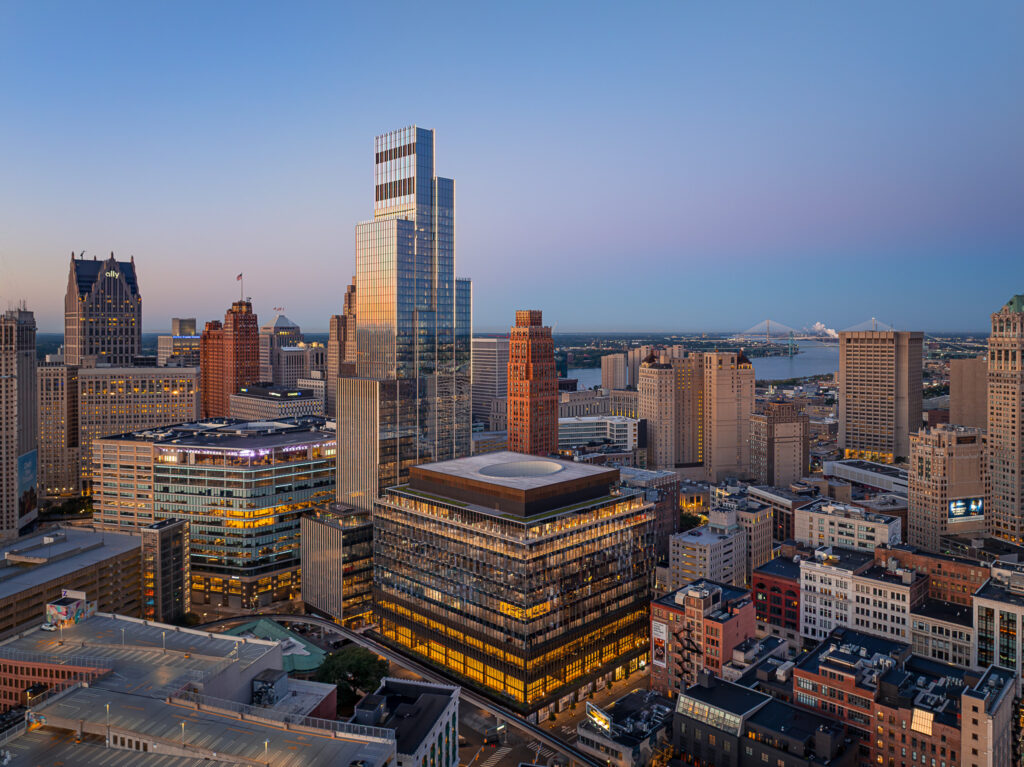
Detroit Month of Design: A City’s Work in Progress
Now in its 16th year, the celebration offers insights into the Motor City’s ongoing accomplishments without glossing over its hurdles.
Projects
How a Hybrid Building Helped an Historic Manhattan Congregation Remain in Place
On Billionaire’s Row, FX Collaborative designed a new home for Calvary Baptist Church combined with an office tower.