



October 27, 2022
Is the Future of Furniture Flat-packed?
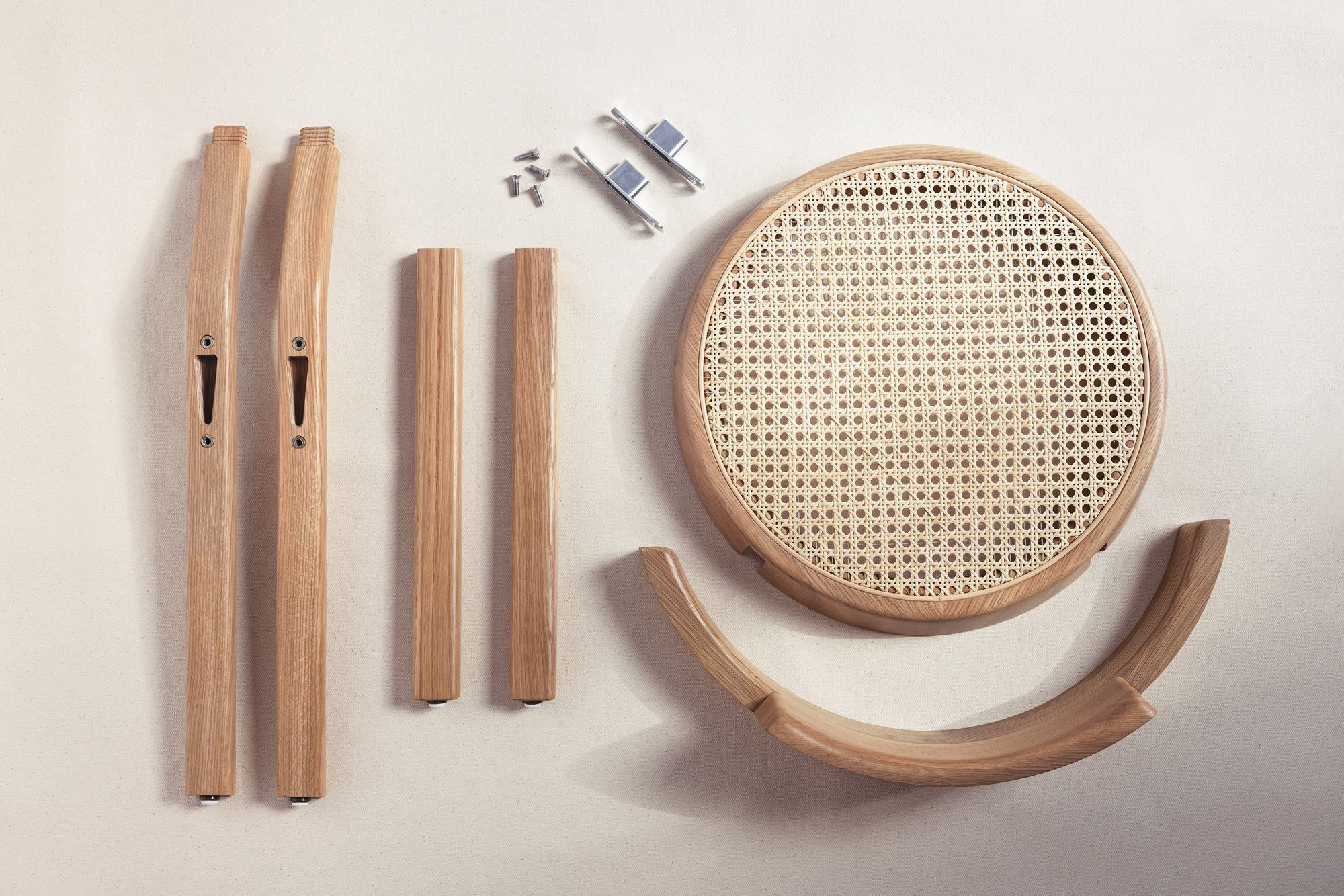
For manufacturers, there’s also something demonstrably sustainable about designing for easy assembly, because when that is the goal, a direct result is fewer parts and shorter production—cuts that naturally remove carbon-emitting steps from operations. In fact, few other carbon-abatement methods seem able to slash embodied carbon, shipping, and transportation for building products as quickly as flat-packed, easy-to-assemble goods can.
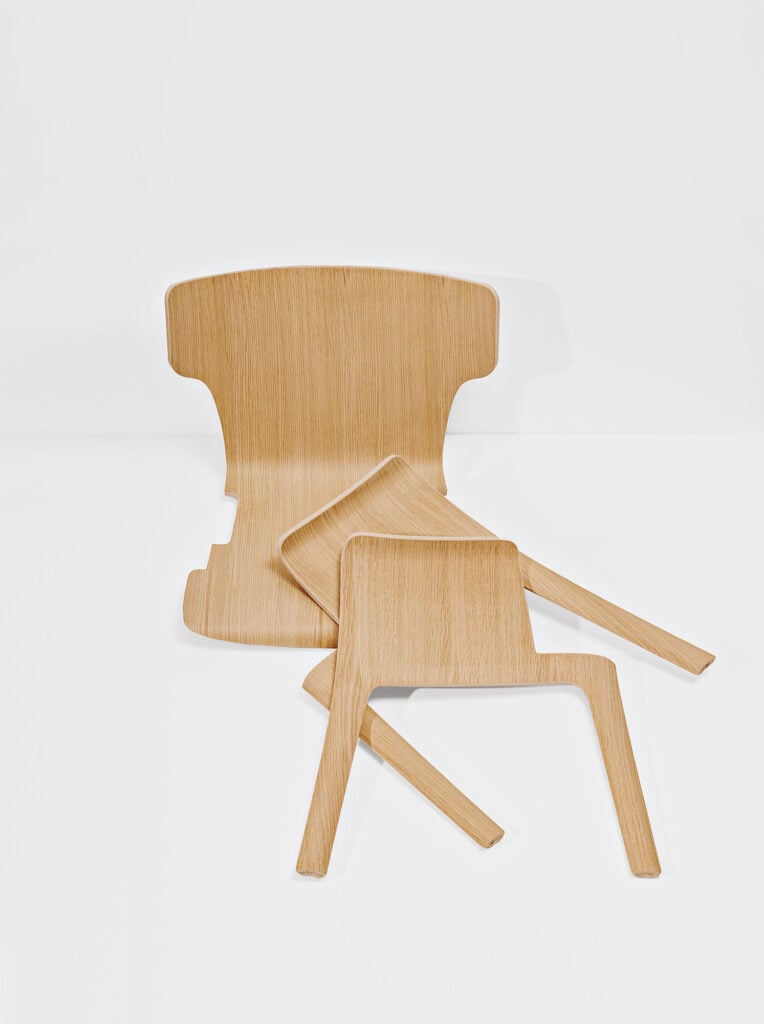
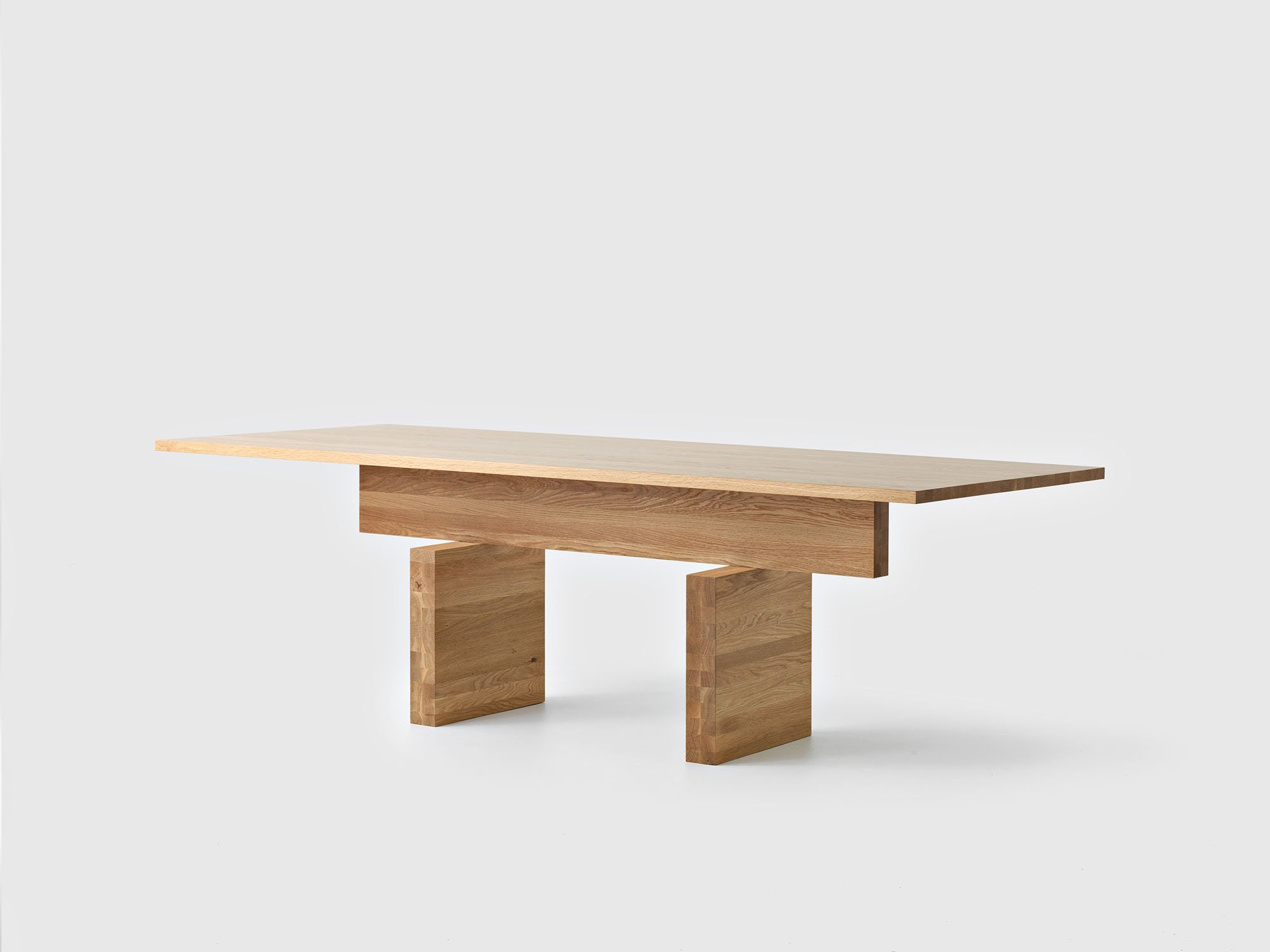
“Easily disassembled furniture has never been more important, given the need to reduce carbon footprints and [cut costs to] transport goods,” says Allbirds’ McLellan, explaining that “minimal [shipping] volume and maximal impact were both considered” in his design for Resident’s Plane tables.
Andreu World CEO Jesús Llinares says ease of assembly is also central to achieving a circular economy: “We’re developing our products to achieve 100 percent circularity by 2025.” This year, the company earned Cradle to Cradle certification for its entire product range.
To put DFA-driven achievements in context, consider that a report coauthored two years ago by senior professionals at McKinsey & Company and Barclays Investment Bank found that less than 25 percent of surveyed companies described their carbon-reduction efforts as being on track. Yet in order to meet the 2015 Paris Agreement’s global warming cap, greenhouse gas emissions would need to be halved every decade until 2050, the report says.
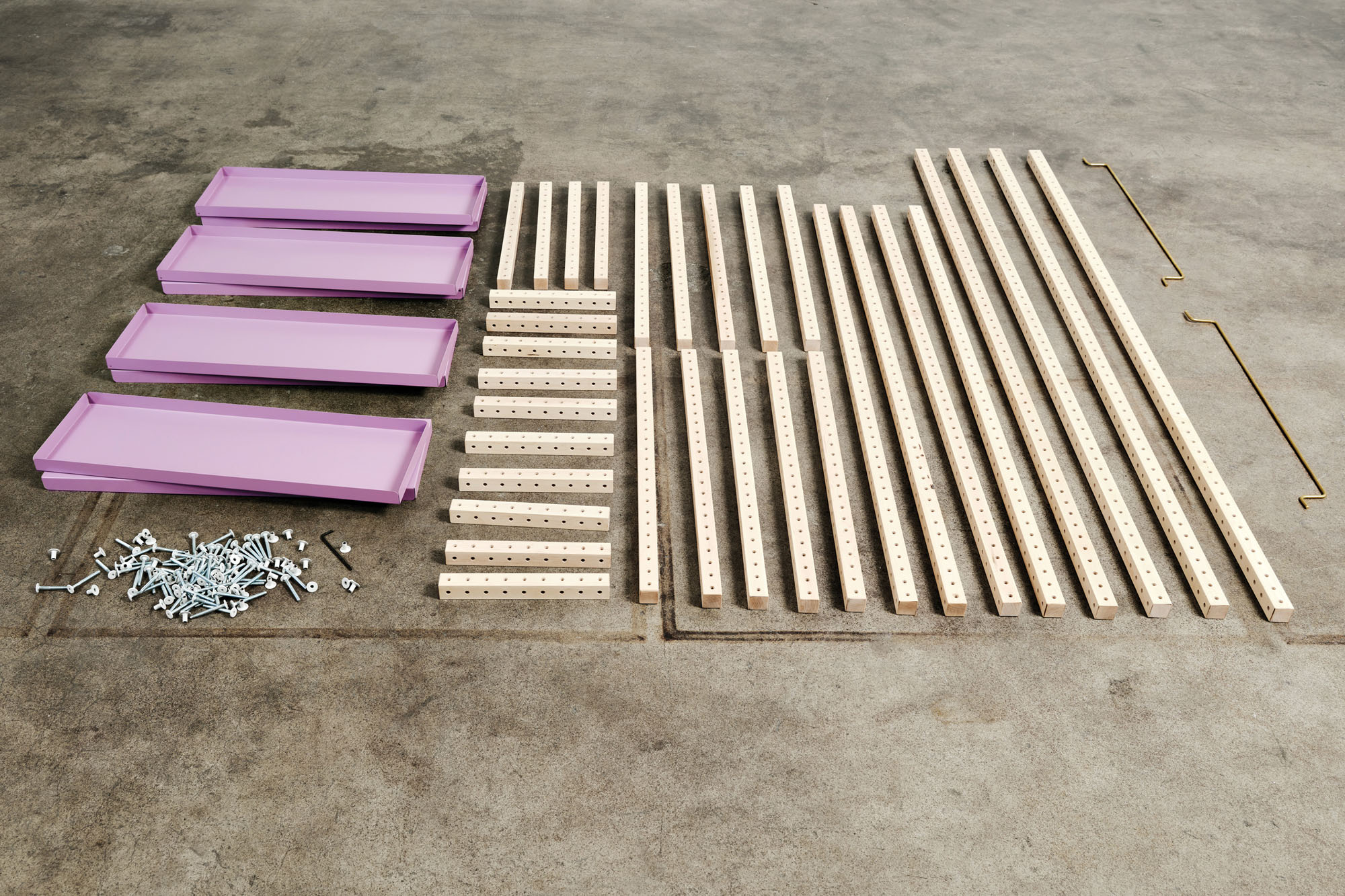
If those efforts can be sped up by DFA, Loose Parts’ business model sets the highest standard. Its collections’ intense malleability seems built to feed a circular system that emphasizes recycling, reuse, and the right to repair.
“The pandemic revealed the awkwardness of [people] reengaging with public life,” Loose Parts’ June says. “I wondered how our relationship to the office, restaurants, and retail had changed. That’s when I started to think goals for commercial furniture could be realigned toward adaptability, recombination, continuity, ease of storage, and healthy materials. I designed my company to be a creative partner as we adapt to those new requirements.”
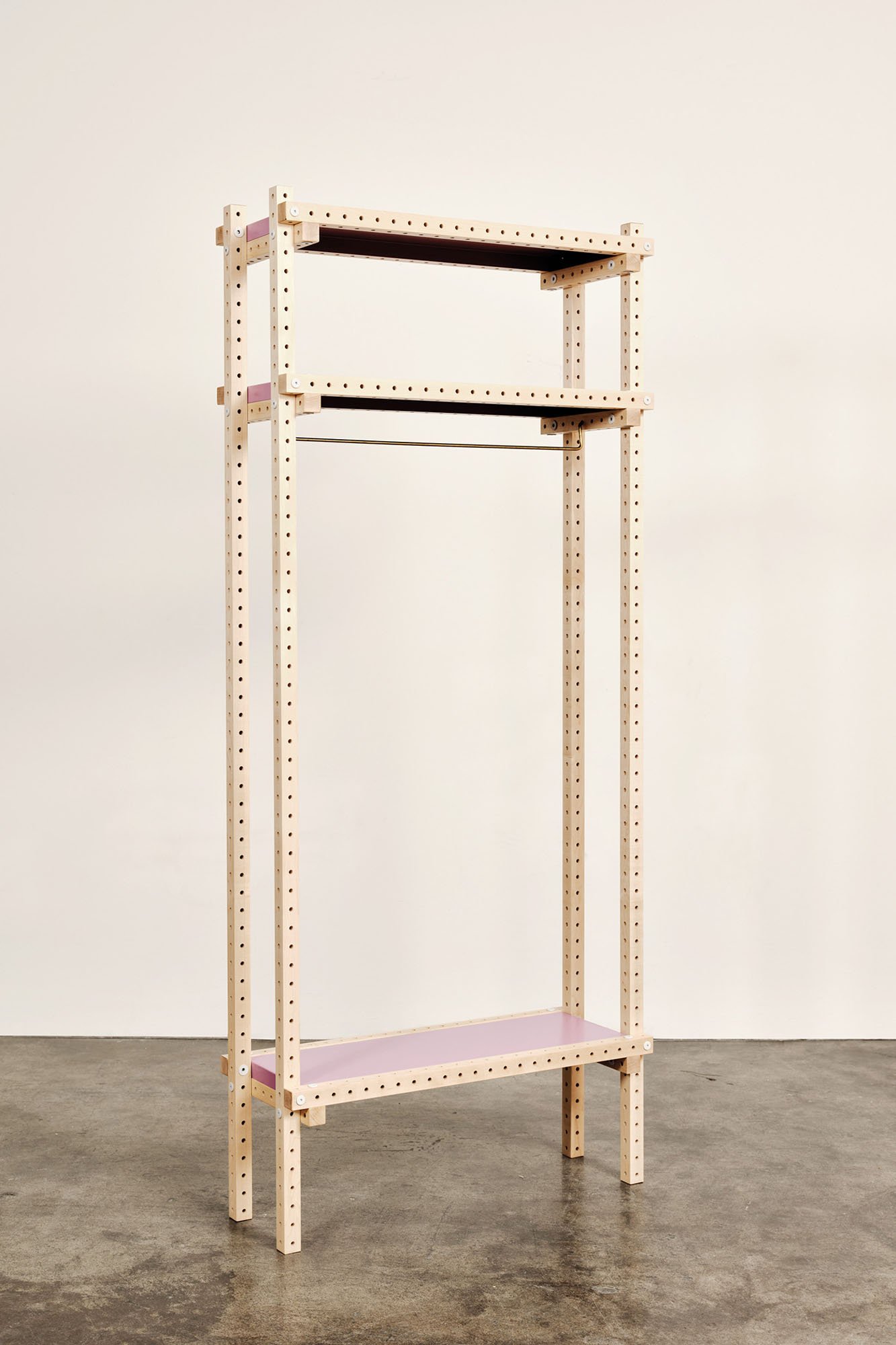
COURTESY MADELINE TOLLE 
COURTESY TOAKI OKANO
Would you like to comment on this article? Send your thoughts to: [email protected]
Latest
Projects
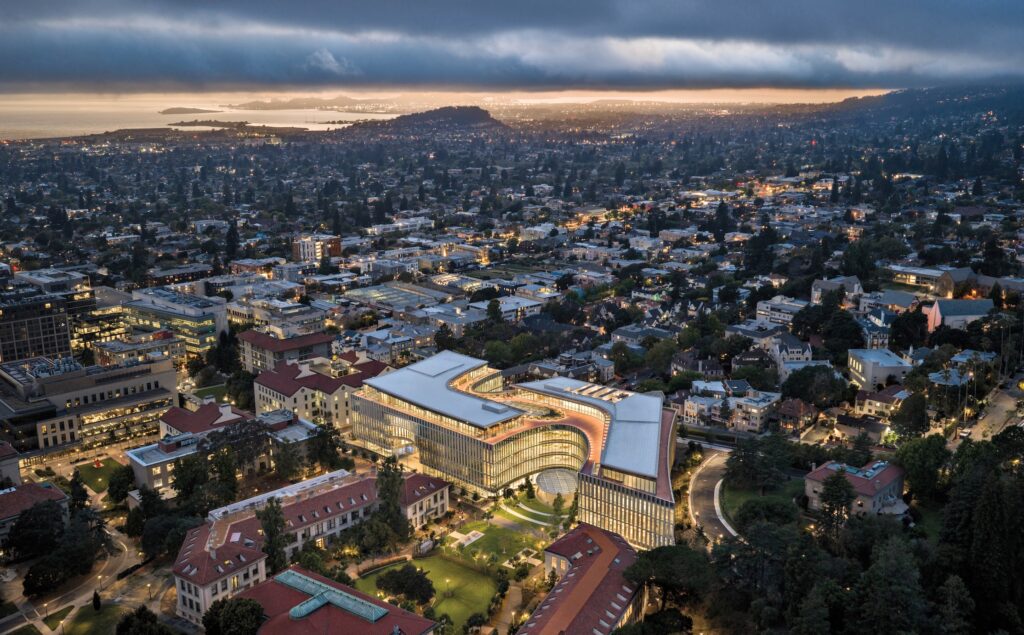
UC Berkeley’s Newest Building Is All About Human Interactions
The Barbara and Gerson Bakar Gateway—home to the university’s College of Computing, Data Science, and Society—gently reminds data scientists and AI researchers of what’s really important.

Projects
ZD+A Brings a Modernist Mexico City House in Line with its Context
Architect Yuri Zagoin Alazraki reorganized the speculative house to respond to its site and create unique spaces for contemplation.
Viewpoints
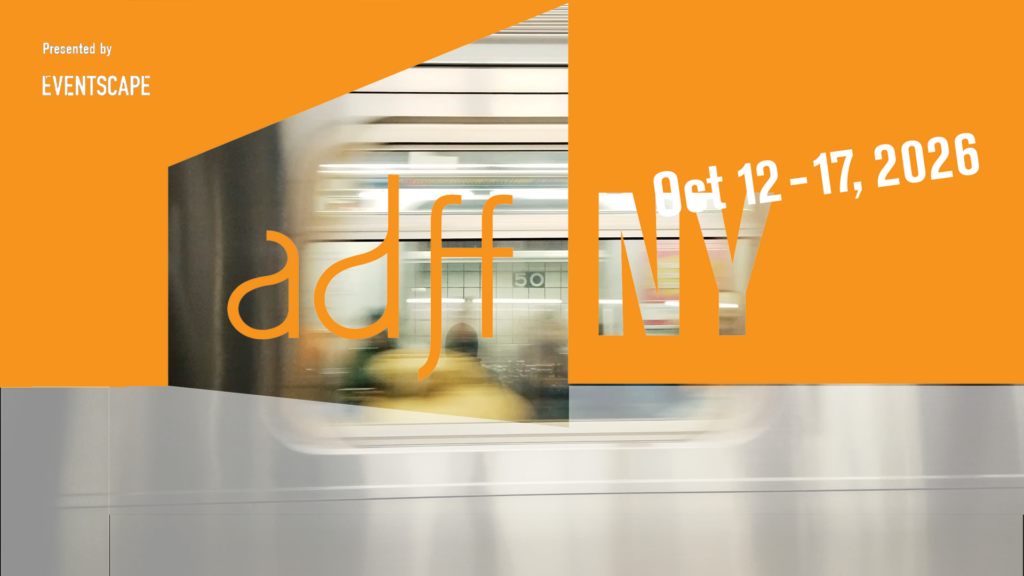
The Architecture & Design Film Festival Enters a New Chapter
ADFF 2026 brings together stories of reuse, climate action, architectural history, politics, gender, and public life.