



March 6, 2026
A Muskoka Cottage Is Optimized for Off-Grid Living
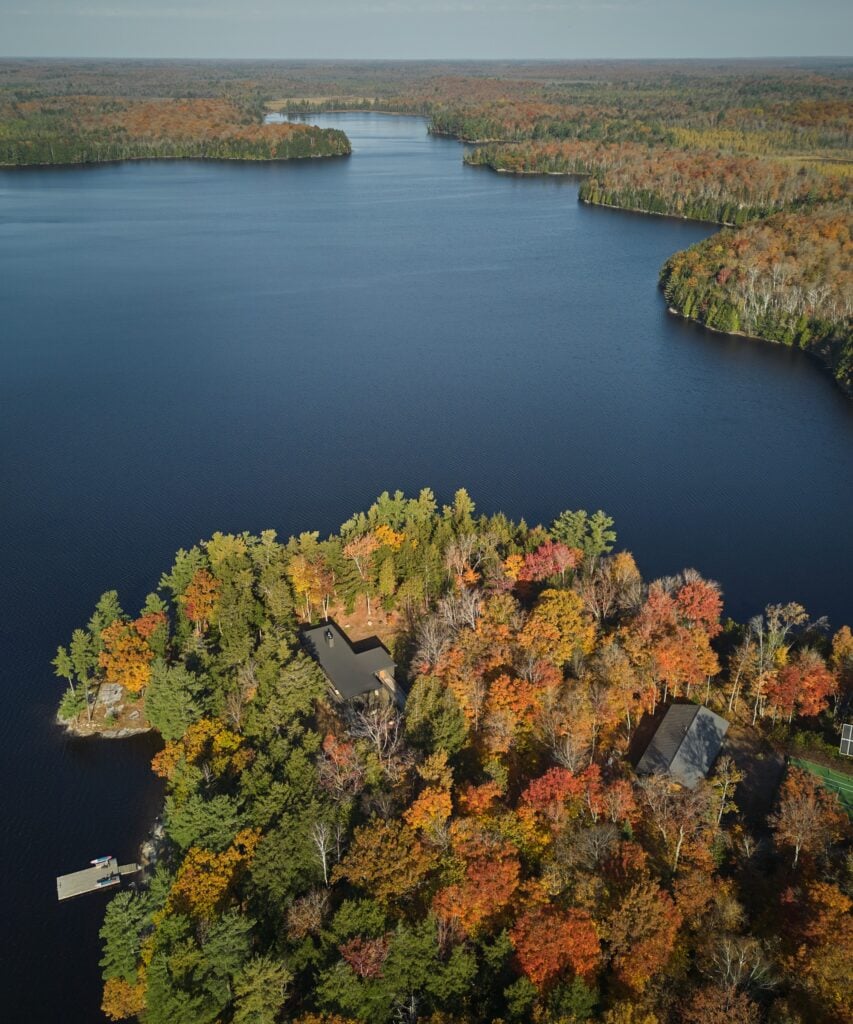
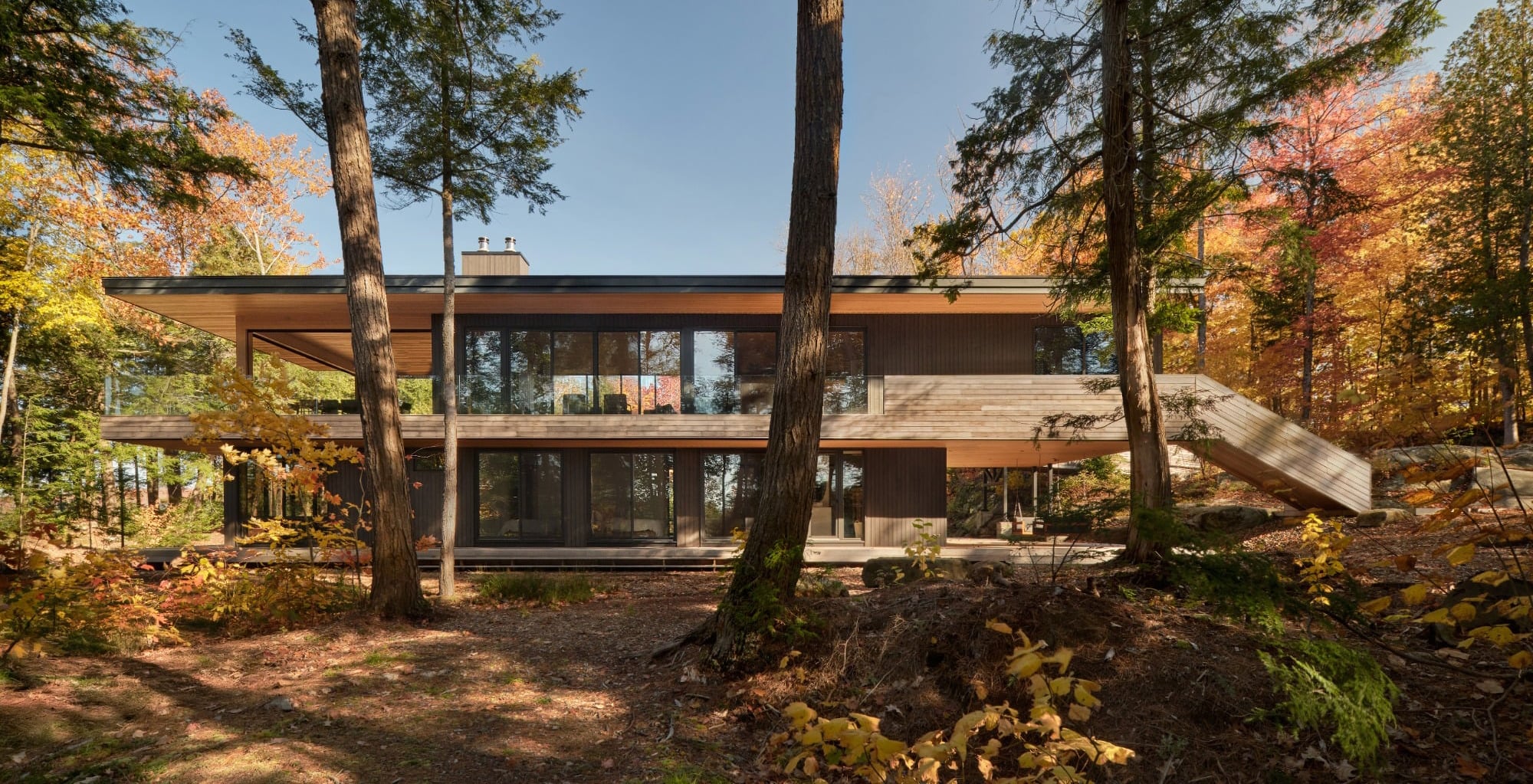
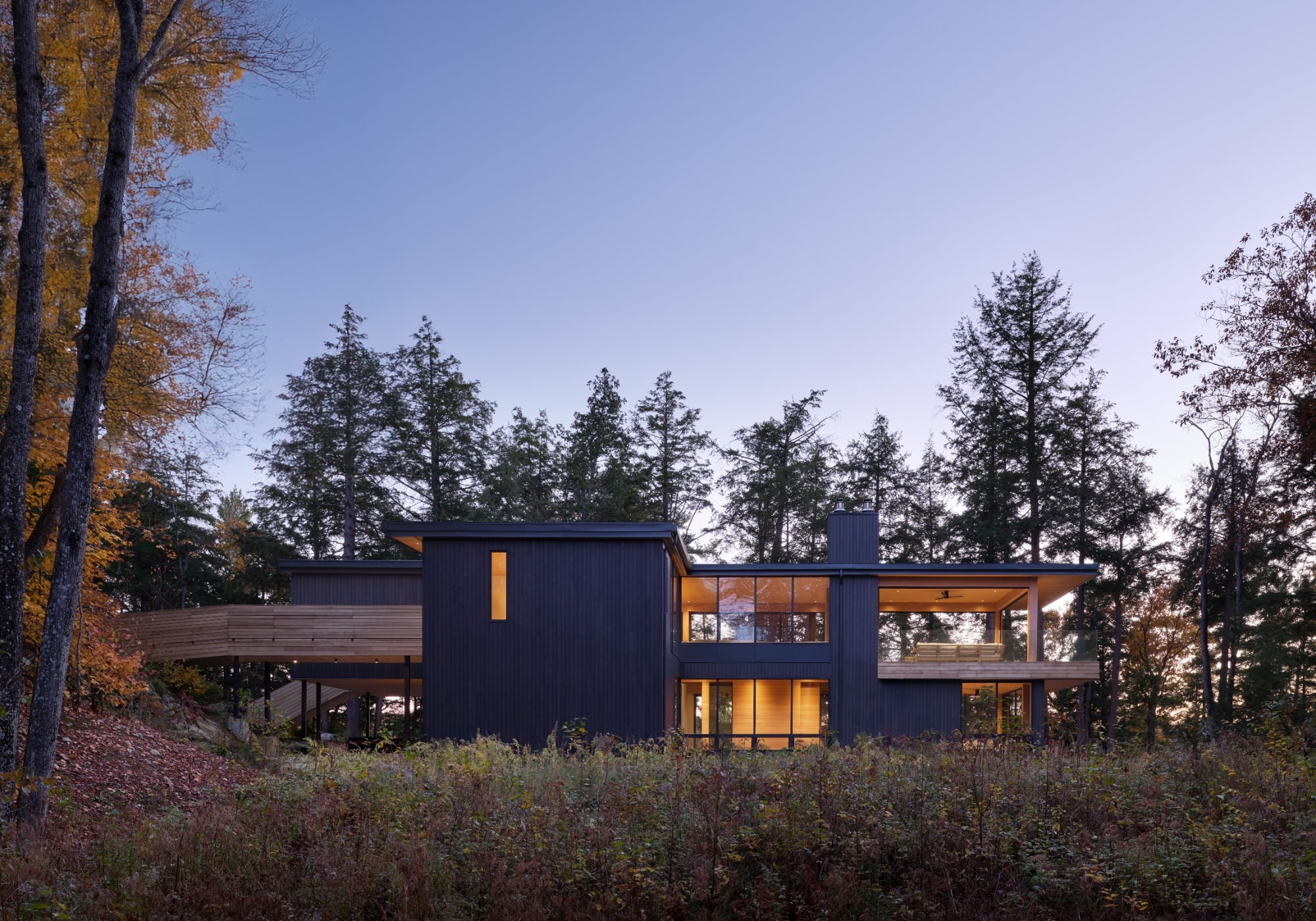
Completed last year, the two-level, 3,580-square-foot cottage overlooks Long Lake, a secluded motorboat-free lake near the western edge of Lake Muskoka. Surrounded by water on three sides, the site posed immediate access challenges. When the owners first visited, they arrived by canoe—with two small kids in tow. They even built the access road themselves, and camped on site during construction.
Their main concern? Solar power. In a nearby clearing past the sightlines of the cottage, the team erected a 16-panel solar array mounted on a 14-foot pole, and added a built-in home battery system to support the low-sunlight months. Each solar panel is bifacial, making it optimal for winter weather, as bottom-facing PV panels can also absorb sunlight off the snow-covered ground. According to Dubbeldam, this strategy increased winter solar production by 30 percent.
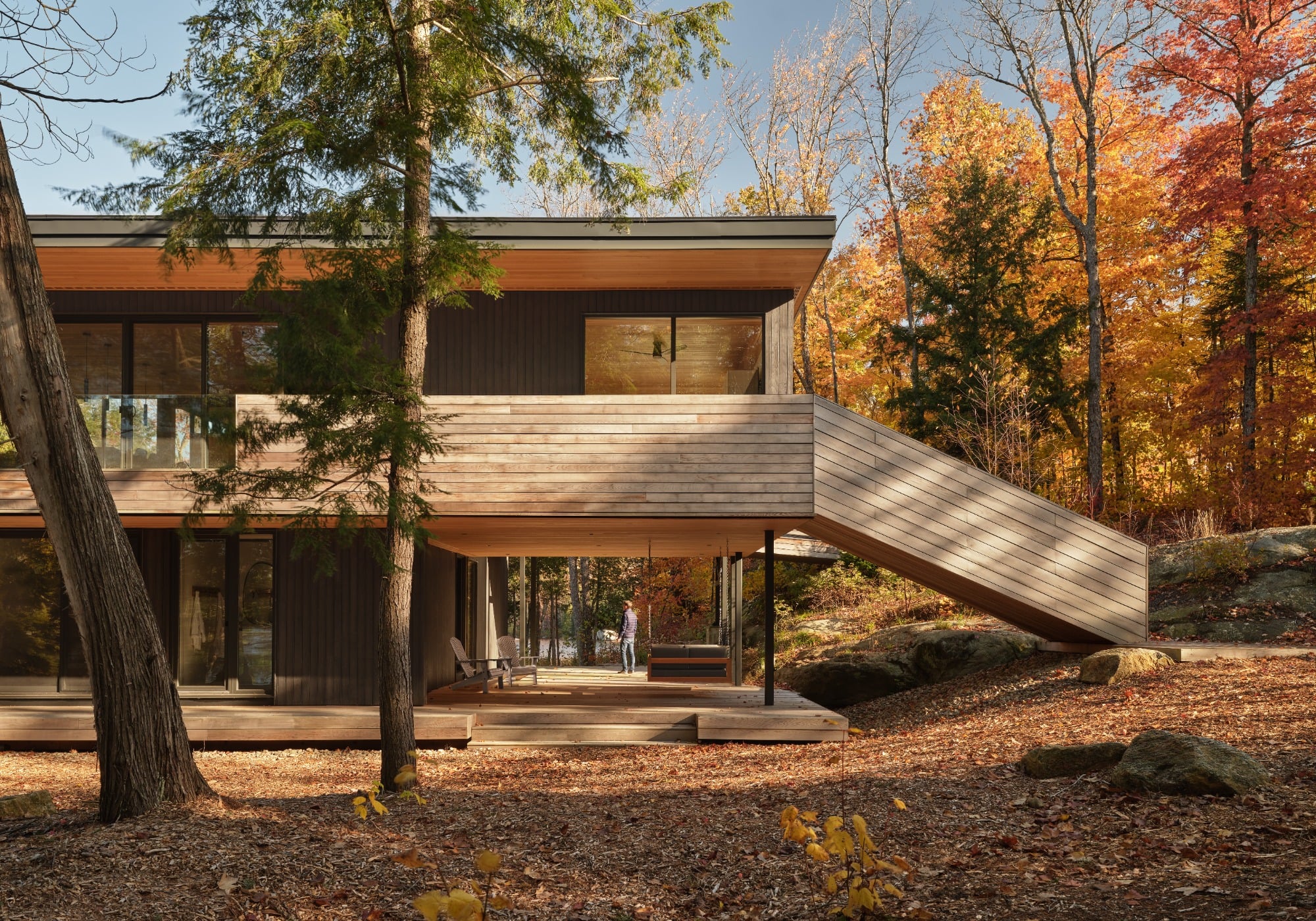
But solar infrastructure was only part of the energy preservation strategy. With precise daylighting techniques, lights are rarely needed in the summer months (with a few low-voltage pot lights for the evenings)—while deep overhangs offer shading solutions for the hot sun. For Dubbeldam, balancing the natural force of the sun was integral: “The leaves from the trees screen the sun in the summertime, and in the wintertime, the leaves fall off and the sun comes in—low in the sky—and warms the space up,” explains Dubbeldam. “So we’re taking advantage of the solar orientation, with solar gain in the winter and solar exclusion in the summer. It sounds really technical, but it’s just using the forces of nature, like the position of the sun.”
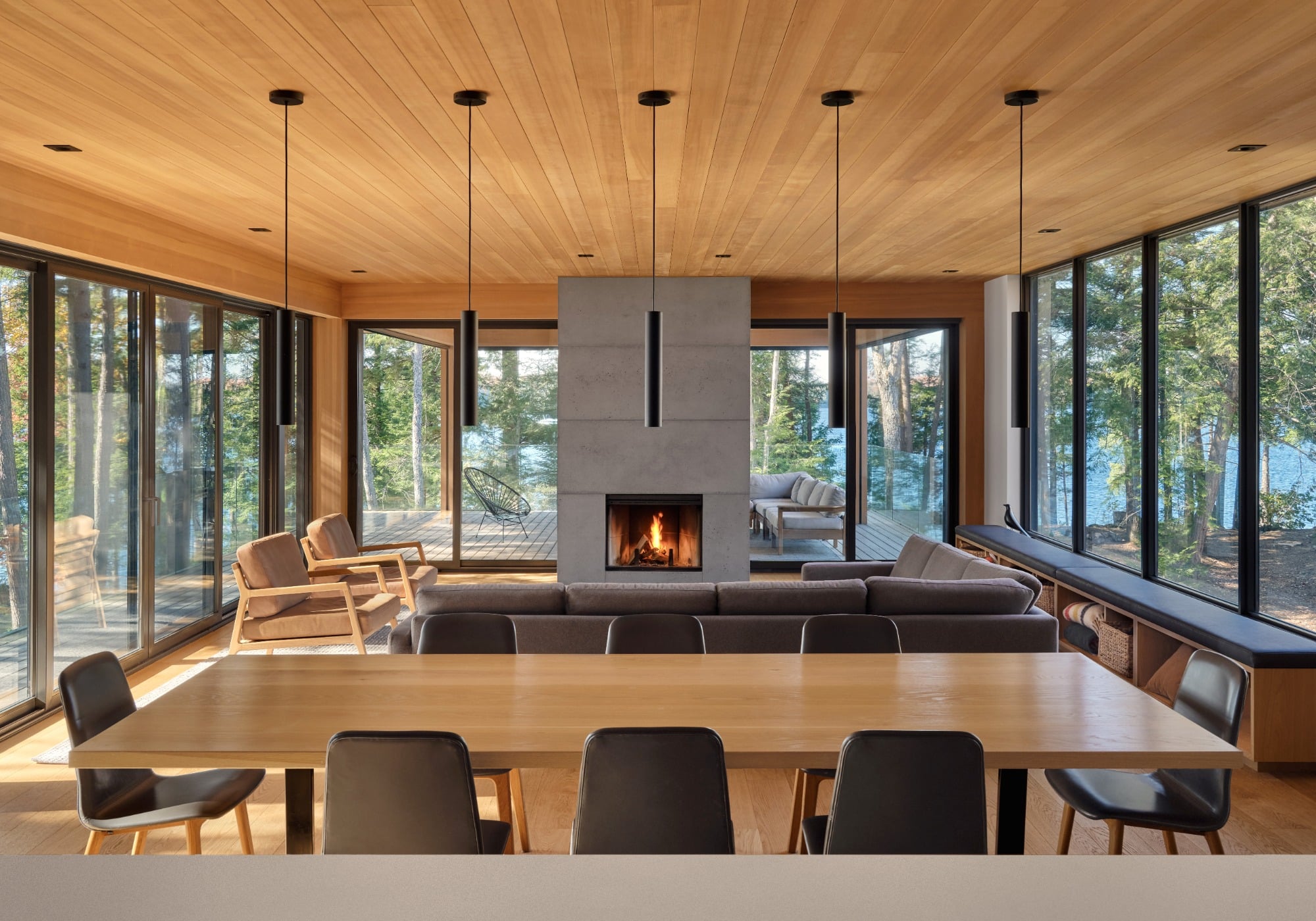
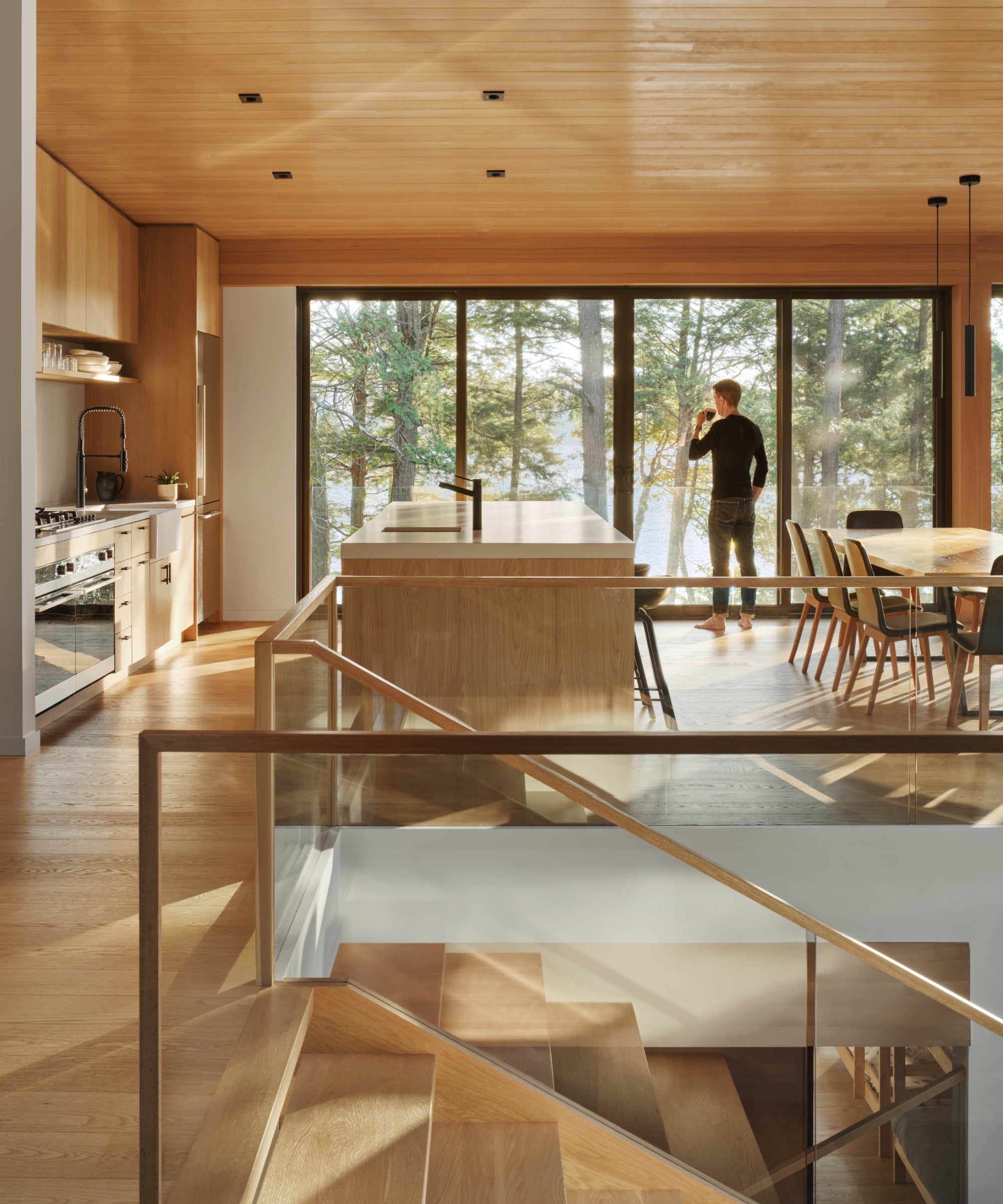
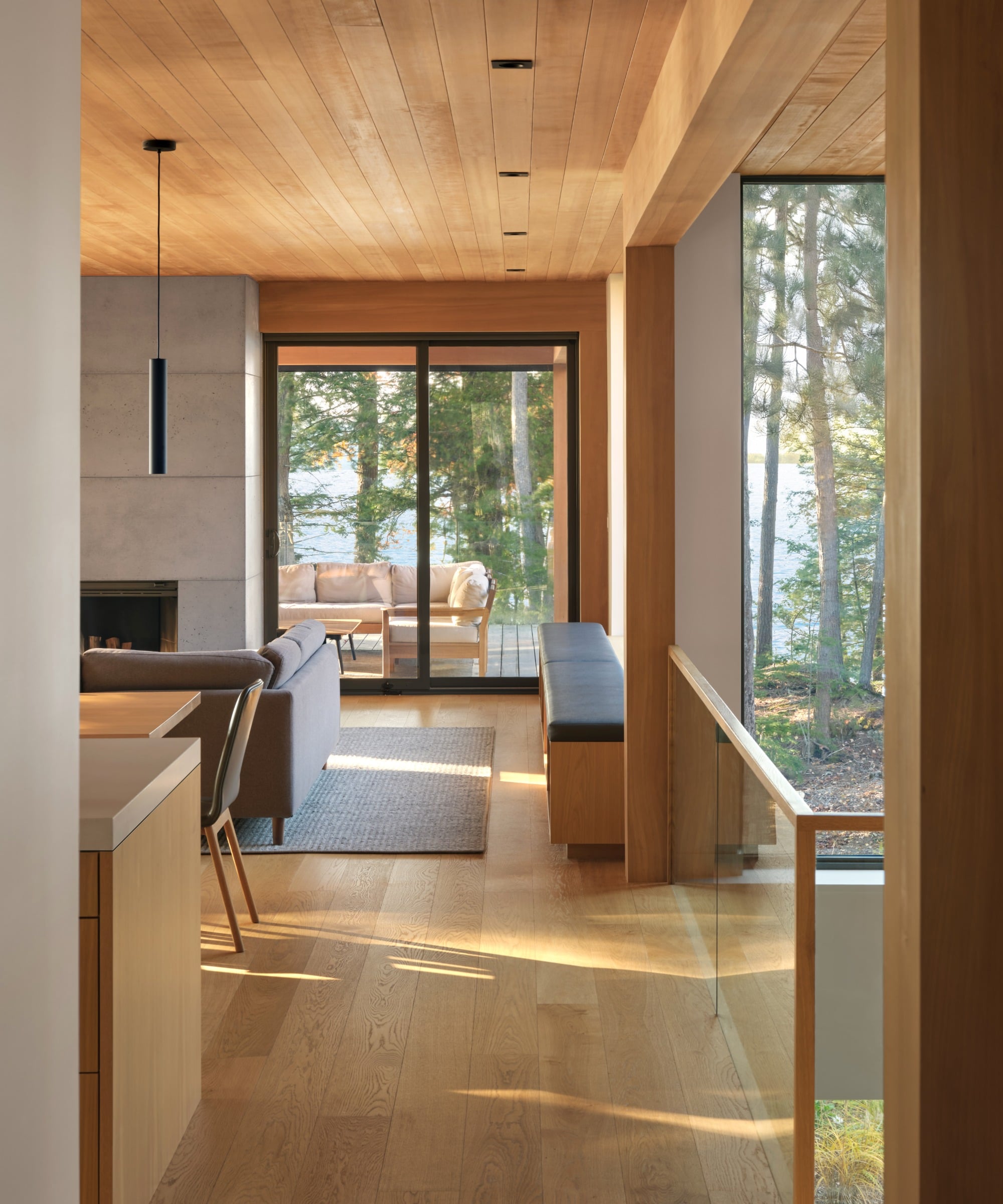
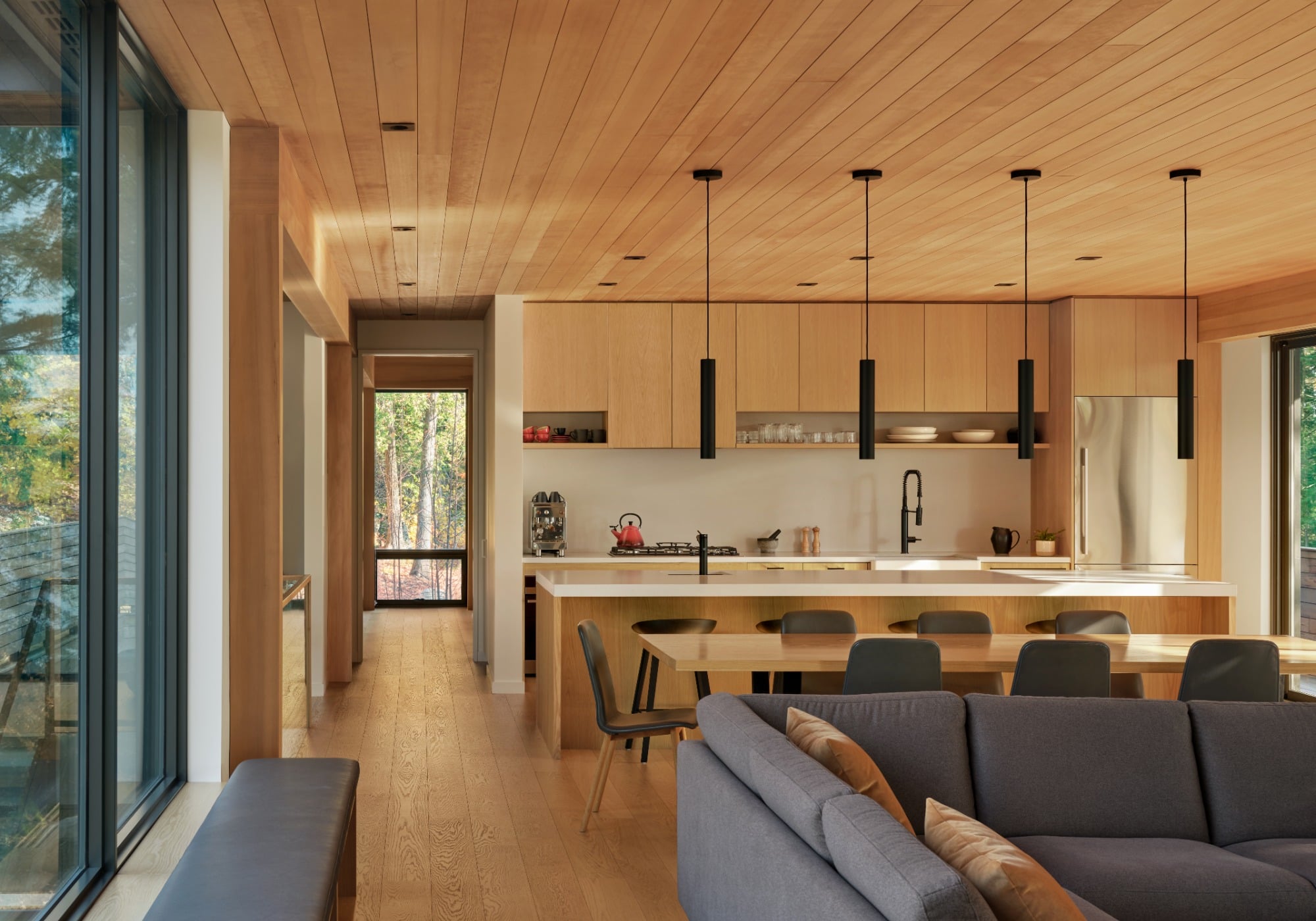
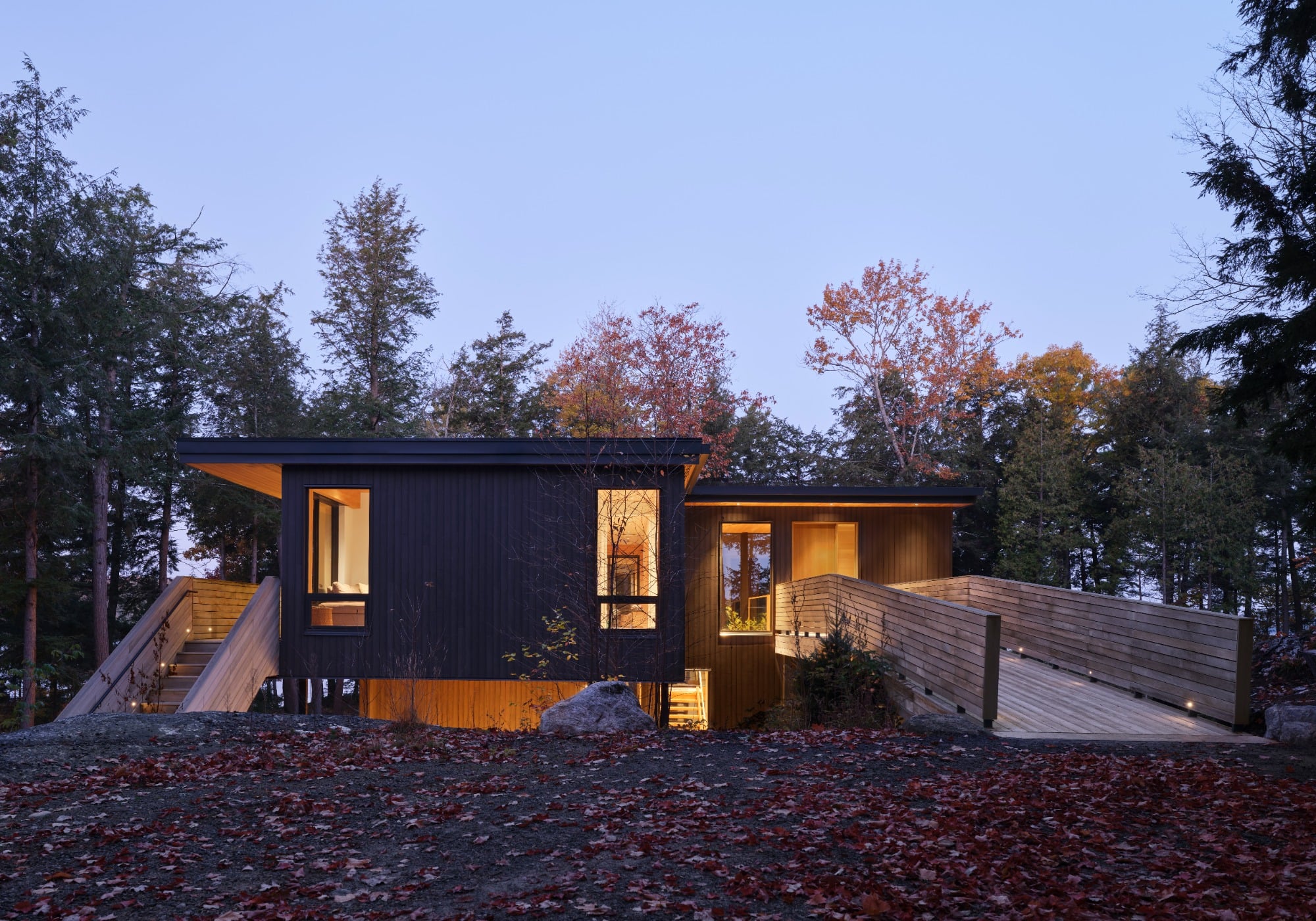
Thanks to the team’s light touches, visitors feel the effects of their sustainable approach without being explicit. The same goes for accessibility measures designed to facilitate a family member with a permanent wheelchair—the bridge that’s flush with the road provides easy access to a top floor bedroom and washroom. Plus, the expansive deck connects directly to the open concept living space, further easing circulation.
With a wood interior wrapped in rich oak, hemlock, greyed cedar and charcoal-stained spruce—sustainably harvested from wood milled nearby—the cottage intentionally brings the landscape in. Designed to “float above the forest floor,” the lower section is enclosed, with easy access to the lake, while the upper section features expansive glazing to facilitate clear sightlines and cross-ventilation for breezes coming off the lake. An additional screened-in porch with fireplace and bug screen offers a serene spot for morning meditation.
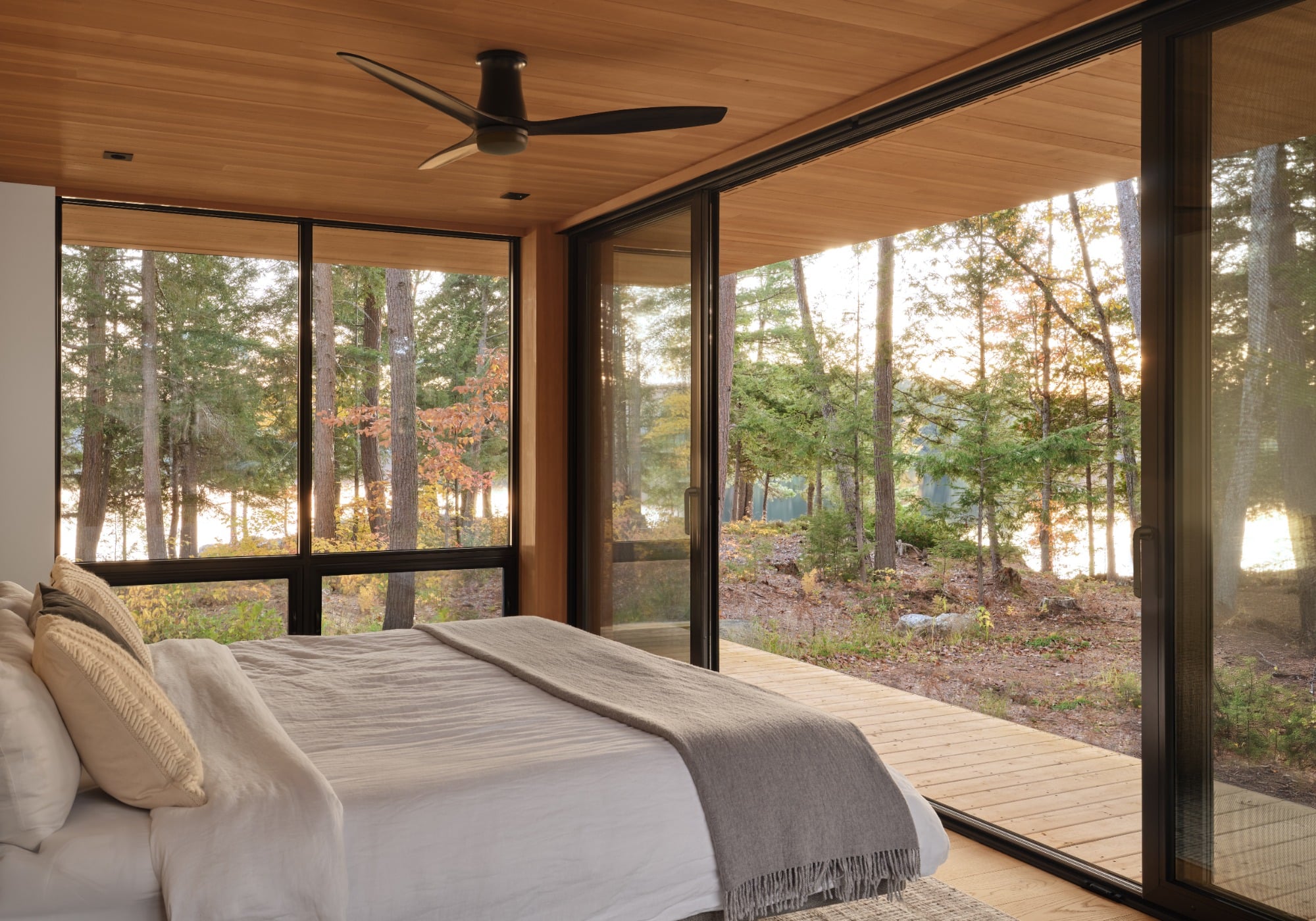
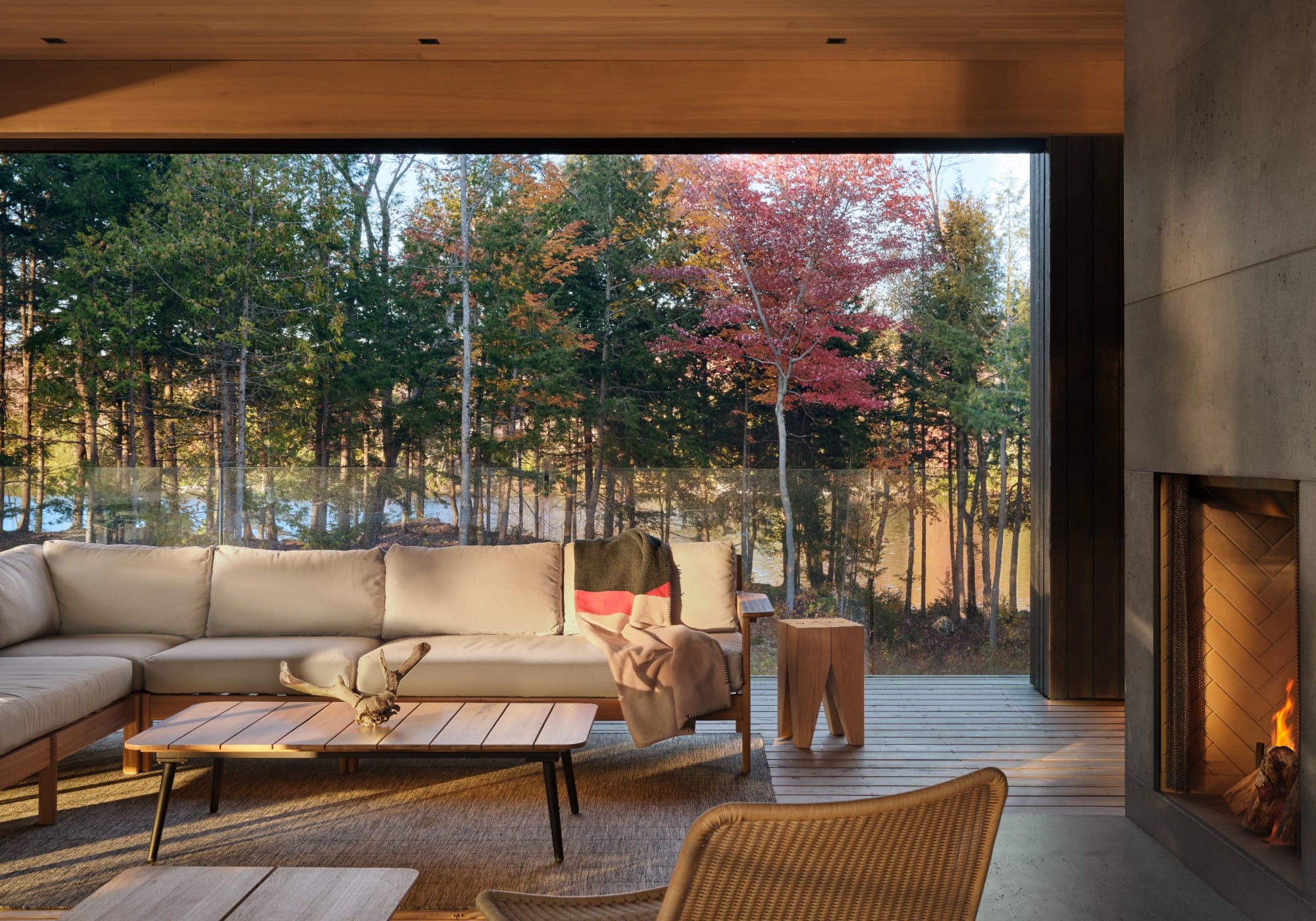
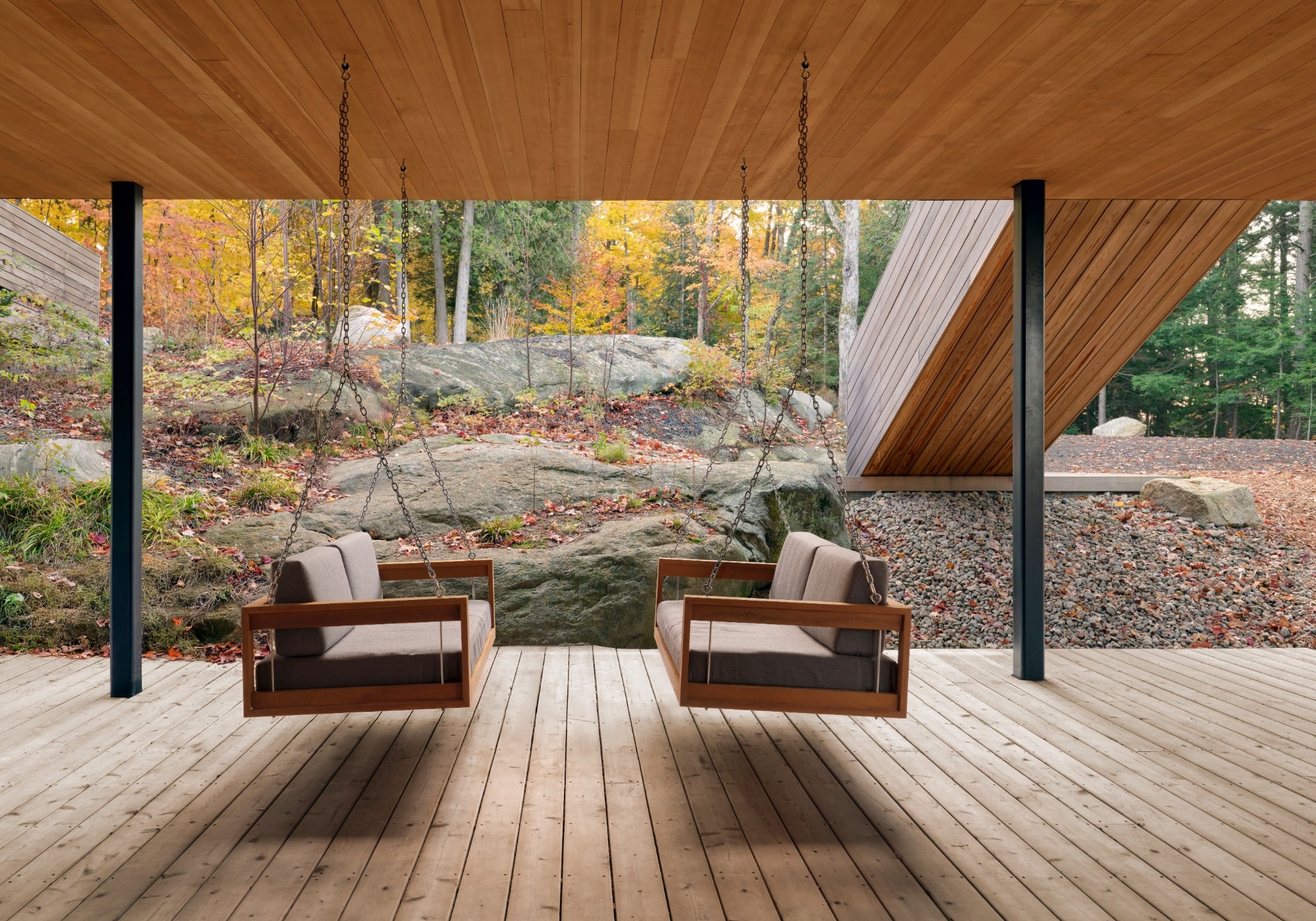
“People will look at a building like this, see all the glass and say, ‘That’s not sustainable,’” explains project lead, Andrew Snow. “We would argue the opposite. It’s very sustainable. In the wintertime, you have the fireplace and all the sun coming in the windows. In the summertime, there’s no sun coming in here at all, plus deep overhangs and breezes from the lake. Obviously, high-performance windows and doors are really important, but it’s more about avoiding or using the warmth from the sun.” In the end, the project argues that sustainability is less about restriction than about alignment with climate and context
Would you like to comment on this article? Send your thoughts to: [email protected]
Latest
Viewpoints
Detroit Month of Design: A City’s Work in Progress
Now in its 16th year, the celebration offers insights into the Motor City’s ongoing accomplishments without glossing over its hurdles.
Projects
How a Hybrid Building Helped an Historic Manhattan Congregation Remain in Place
On Billionaire’s Row, FX Collaborative designed a new home for Calvary Baptist Church combined with an office tower.