




April 30, 2026
5 Articles to Read for Autism Acceptance Month
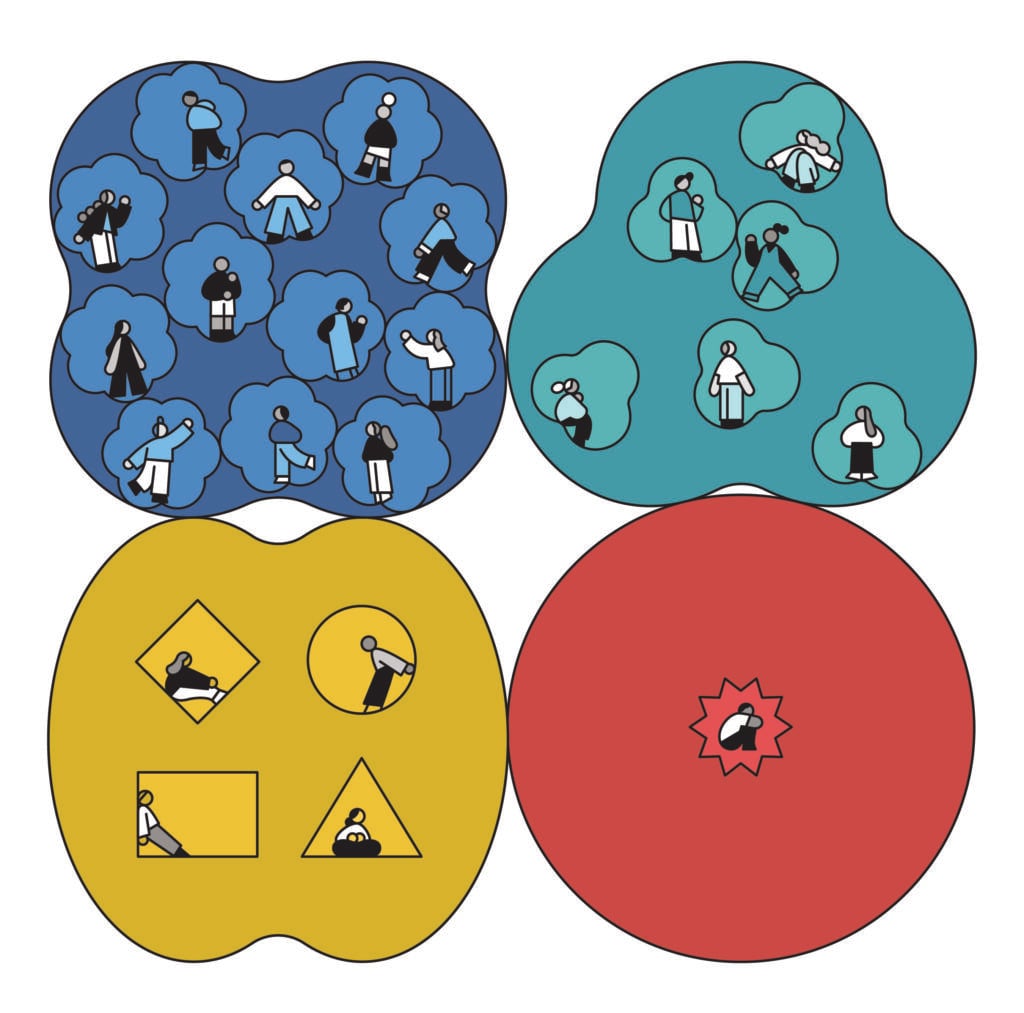
1. Embracing Differences: Understanding and Designing for Neurodiversity
The importance of designing for neurodiversity has surged in recent years, often reshaping our approach to accessibility and inclusion. From the selection of materials, lighting, colors, and acoustics to the evolution of educational and workplace paradigms, designers and architects carry the responsibility of ensuring that everyone, regardless of neurological profile, is set up for success. In truly embracing neurodiversity—which includes a broad spectrum of neurological differences like autism, ADHD, and dyslexia—we underscore that these distinctions are not deficiencies but valuable variations of the human mind. In this article, METROPOLIS explores the process of designing for neurodiversity and building a more welcoming world for all.
2. We Need a New Approach to Designing for Autism
For Dr. Angelita Scott, architects and designers need to update their strategies for neuroinclusive design and recent research points the way forward. Scott, the CEO and founder of CutlurWell, a consultancy focused on well-being and belonging through design research, strategy, and education, writes: “The future of neuroinclusive design is no longer about vague notions of warm or cool colors. It is about the different developmental patterns or traits that shape how a person experiences and responds to their environment. It is about rigor. It is about a new framework that demands we design not just for autism, but for the specific biological and developmental reality of the human in the room.” This article establishes the science and introduces the framework and two others will be published in METROPOLIS this year, so stay tuned.
3. When We Design for Autism, We Design for Everyone
In this 2023 Q&A, METROPOLIS associate editor and autistic designer Jaxson Stone sits down with Magda Mostafa, autism design consultant and architecture professor at the American University in Cairo, to discuss neuro-inclusive design and her installation at the Venice Architecture Biennale, A Case for Sensory Decolonisation: Autistic Escape. For Mostafa, “When we design for autism, we design better for everyone. And it sounds like a very romantic notion, and some people may agree, some may disagree, but until we have data to support that claim, a lot of people just brush it off as someone advocating for their own work or self-promotional romance. So, one of the things I wanted to do was create a spatial experiment that I could gather data from to have a proof-of-concept moment to see whether or not these concepts work, how well they work, and if they work for both autistic and neuro-typical individuals.”
4. Design Optimism Talks: Designing for Autism
Last year, Mostafa continued that conversation during a session of METROPOLIS’s Design Optimism Talks, elaborating on her Autism ASPECTSS Design Index, the first set of evidence-based design guidelines worldwide to address build environments for those on the autism spectrum. She said: “In our autism work we are engaged in what I call human-centered practice. We aim to put the needs and the experience of the user at the center of our design decisions. That’s a very noble and worthy cause.”
5. Future100: Students Envision Spaces for Autism
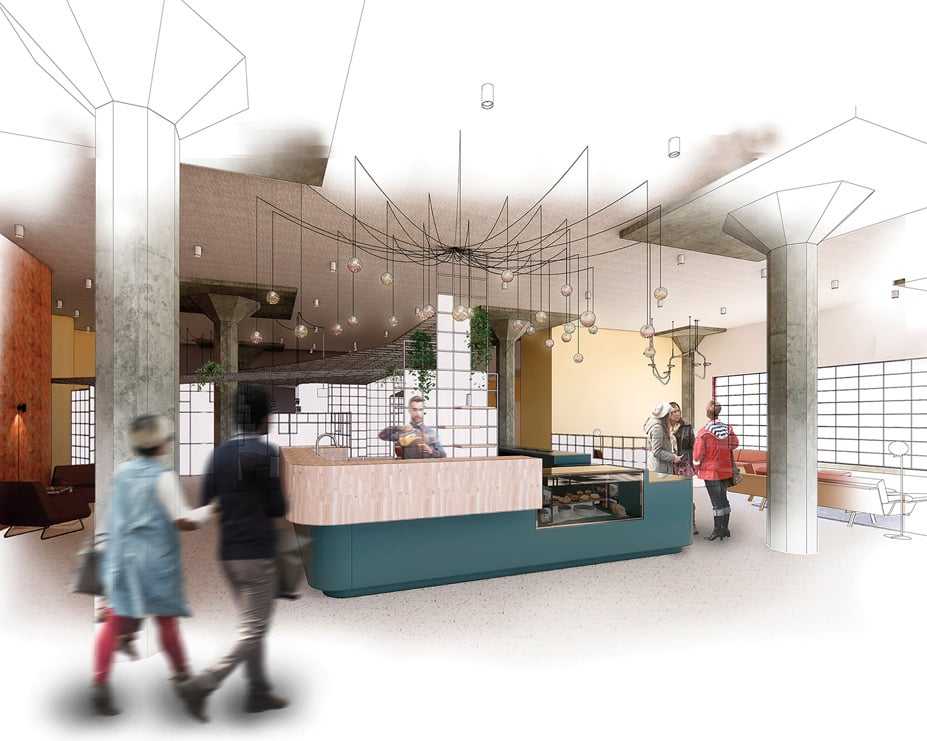
The METROPOLIS Future100 2021 cohort also had ideas about how the next generation designers can advocate for autistic individuals, prioritizing inclusivity and community at every level of design. To meet the needs of children with autism as well as their family members, Caitlin Turner developed a concept for a hybrid recreation center and retail space called The Nook. Her design for the auxiliary tea shop gives parents and guardians a space to connect and relax. Roe Draus’s Spatial Portrait is designed for Alex, a fictitious six-year-old on the autism spectrum. The design features adaptable spaces with pocket doors that allow Alex to easily adjust his environment in moments of stress or overstimulation.
Would you like to comment on this article? Send your thoughts to: [email protected]

Viewpoints
Embracing Differences: Understanding and Designing for Neurodiversity
When we design for neurodiversity—be it autism, ADHD, sensory processing disorder—we design for everyone.

Viewpoints
We Need a New Approach to Designing for Autism
Architects and designers need to update their strategies for neuroinclusive design. Recent research points the way forward.

Viewpoints
When We Design for Autism, We Design for Everyone
Magda Mostafa, autism design consultant and architecture professor at the American University in Cairo, discusses inclusive design.

Viewpoints
Design Optimism Talks: Designing for Autism
The master architect of the Brussels Capital Region, Kristiaan Borret, explored the relationship between design, policy, and cityscapes during the March session of METROPOLIS’s Design Optimism Talks.
Projects
Future100: Students Envision Spaces for Autism
Next-generation designers advocate for those who think differently, prioritizing inclusivity and community at every level of design.
Latest
Viewpoints
Detroit Month of Design: A City’s Work in Progress
Now in its 16th year, the celebration offers insights into the Motor City’s ongoing accomplishments without glossing over its hurdles.
Projects
How a Hybrid Building Helped an Historic Manhattan Congregation Remain in Place
On Billionaire’s Row, FX Collaborative designed a new home for Calvary Baptist Church combined with an office tower.