



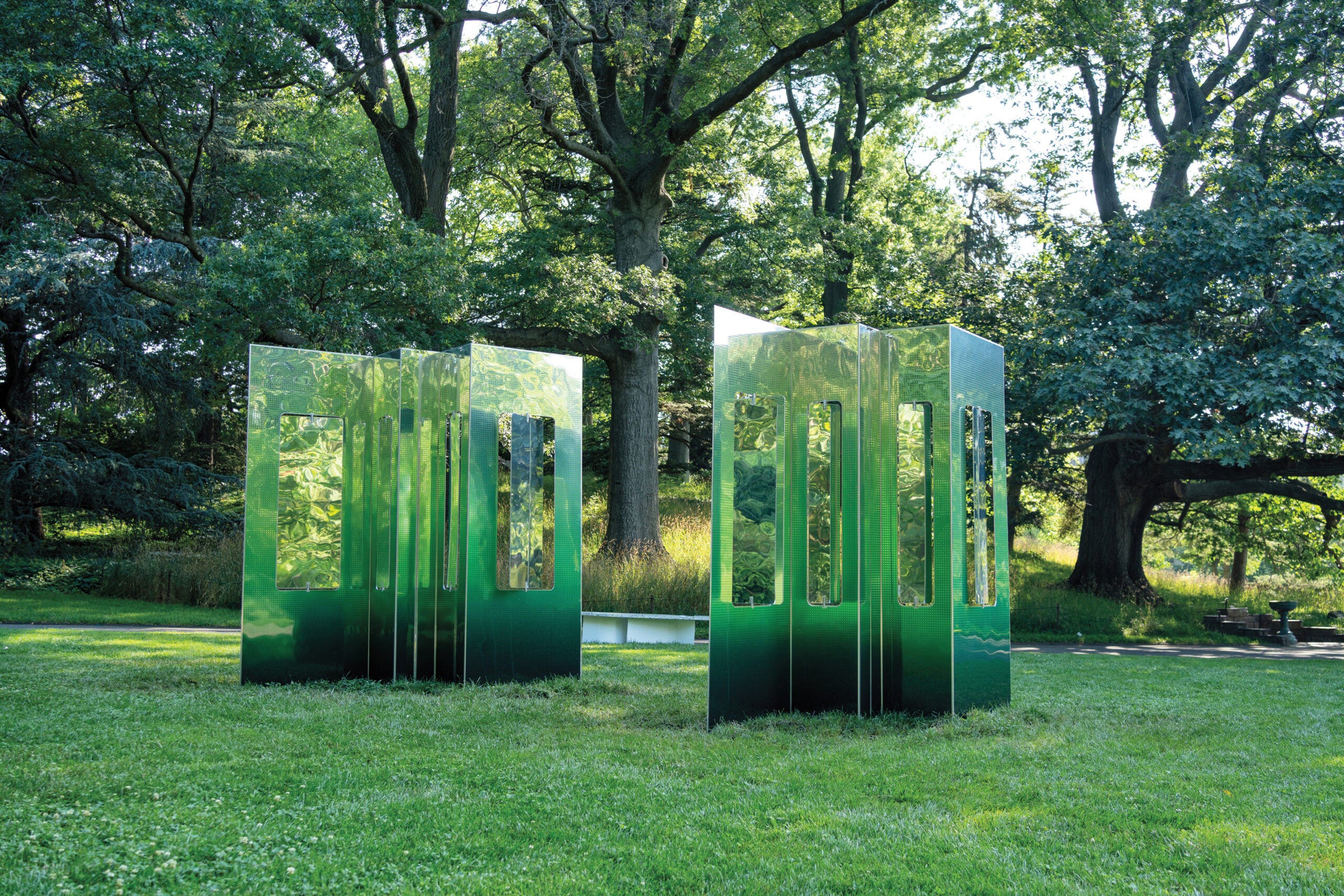
October 28, 2025
Reddymade’s Suchi Reddy on the Architecture of Sensation
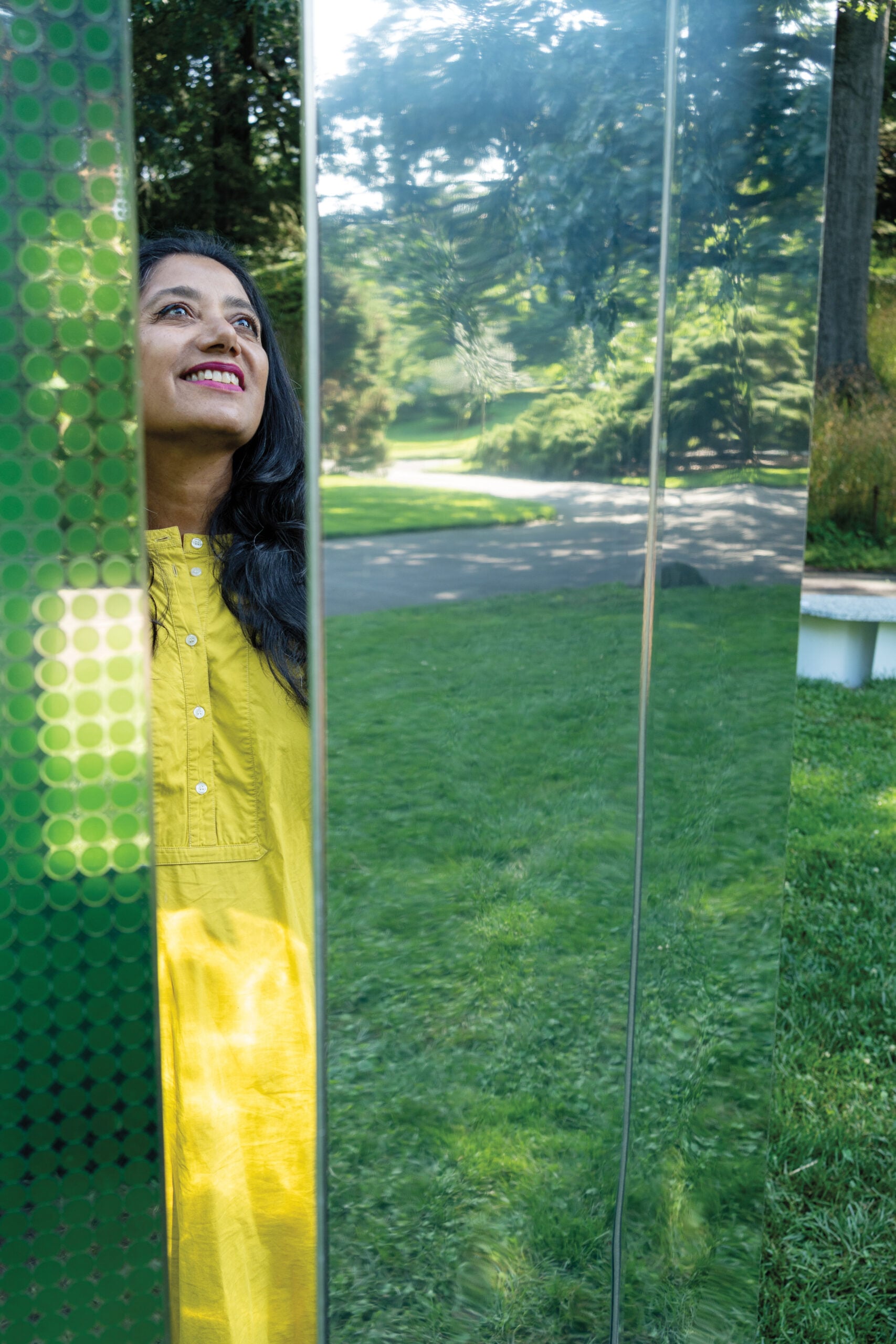
We build our world outward from our bodies—our first home. Before we can name what design is, we feel it. I remember vividly, at ten years old in Chennai, India, realizing that my home wasn’t just where I lived—it was shaping me. It influenced how I moved through the world, how I thought, how I felt. That early awareness became the foundation of my life’s work: exploring how environments shape us and how, through design, we can shape them in turn—more intelligently, more empathetically, and more beautifully.
My design practice has always been rooted in the relationship between inner experience and external form. Over time, that connection has deepened through study—both formal and intuitive. Alongside architecture, I have explored meditation, sound healing, vibration, stone medicine, and other integrative approaches to well-being. These modalities taught me to understand the body as an instrument of perception and space as something that vibrates with us. They gave language and structure to what I had always felt intuitively: that our environments are not inert containers but active agents in our health, joy, and sense of self.
Neuroaesthetics in Architecture
This exploration led me to the field of neuroaesthetics—a growing body of research at the intersection of neuroscience, design, and the arts that explores how aesthetic experience affects the brain and body. Centering neuroaesthetics in architecture invites a profound shift: from designing for use to designing for experience. By grounding our decisions in how spaces actually make people feel—physiologically, emotionally, and cognitively—we can create environments that support mental health, foster connection, and promote equity. This approach expands the role of the architect from form maker to well-being steward, leading to more inclusive, responsive, and humane built environments.
This is especially urgent since over 20 percent of the global population identifies as neurodivergent. Their experiences must no longer be treated as edge cases. When we design for sensory sensitivity, for overstimulation, for cognitive friction, we design better for everyone. Neuroinclusion is not a constraint. It is a creative and ethical imperative.

A Path for Collective Resilience
For the other 80 percent of the population—when we are collectively navigating political polarization, rising mental health crises, and accelerating climate instability—this shift is not just timely, it’s necessary. People are seeking spaces that restore rather than extract, that connect rather than divide. The built environment must evolve from a background condition to an active contributor to individual and collective resilience. Neuroaesthetics offers a way to reimagine architecture not as a neutral stage for life, but as a cocreator of health, empathy, and regeneration in a world that urgently needs all three.
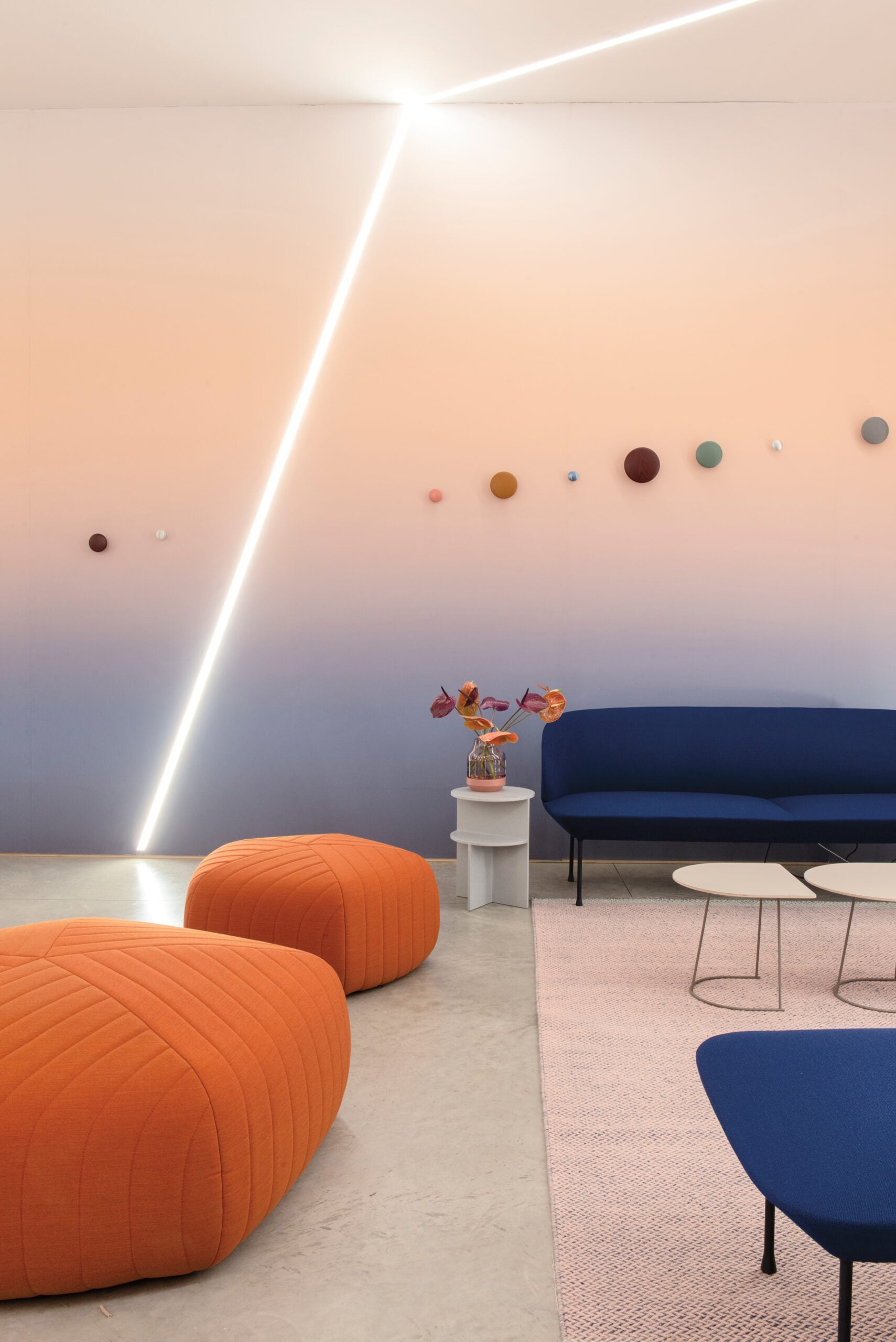
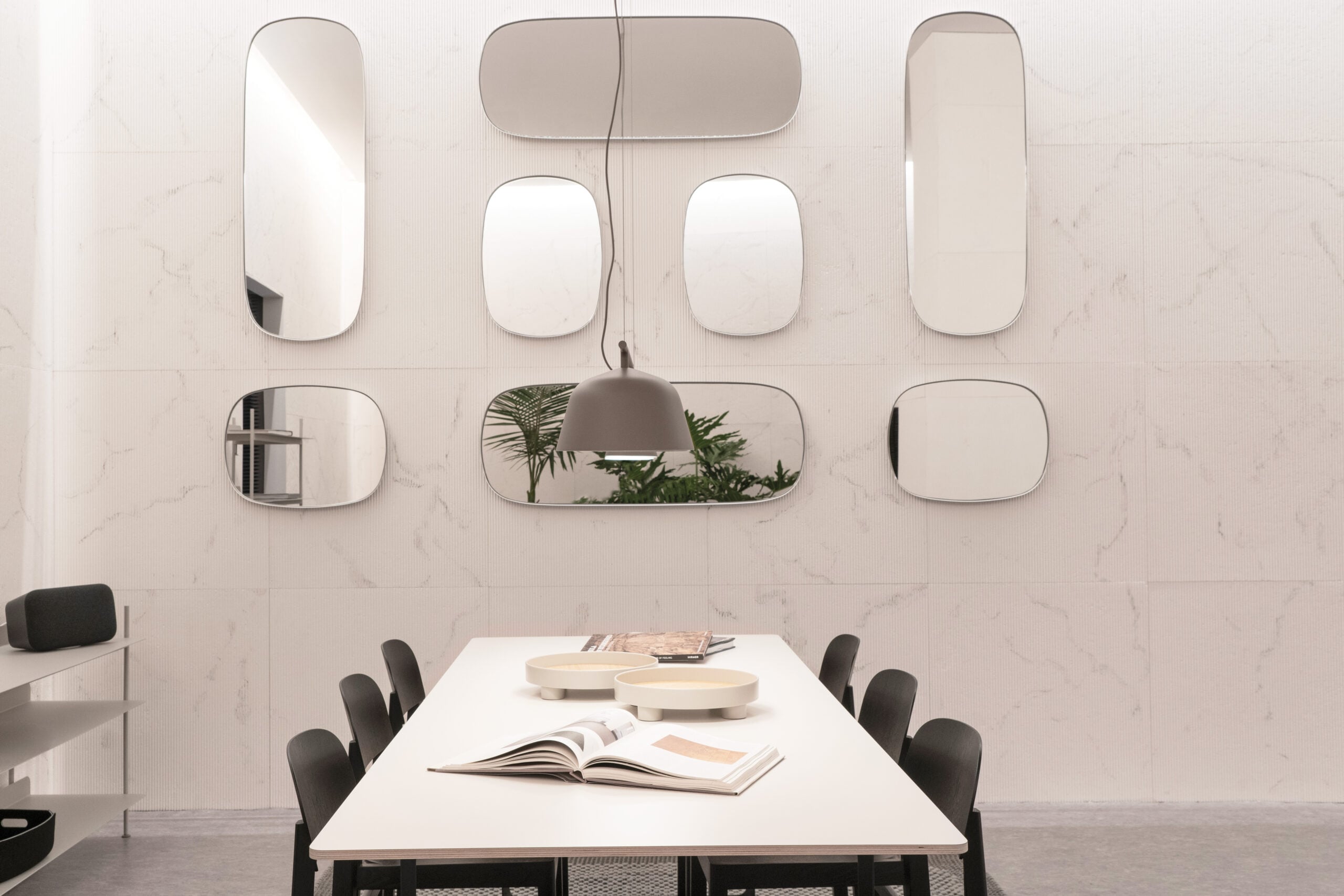
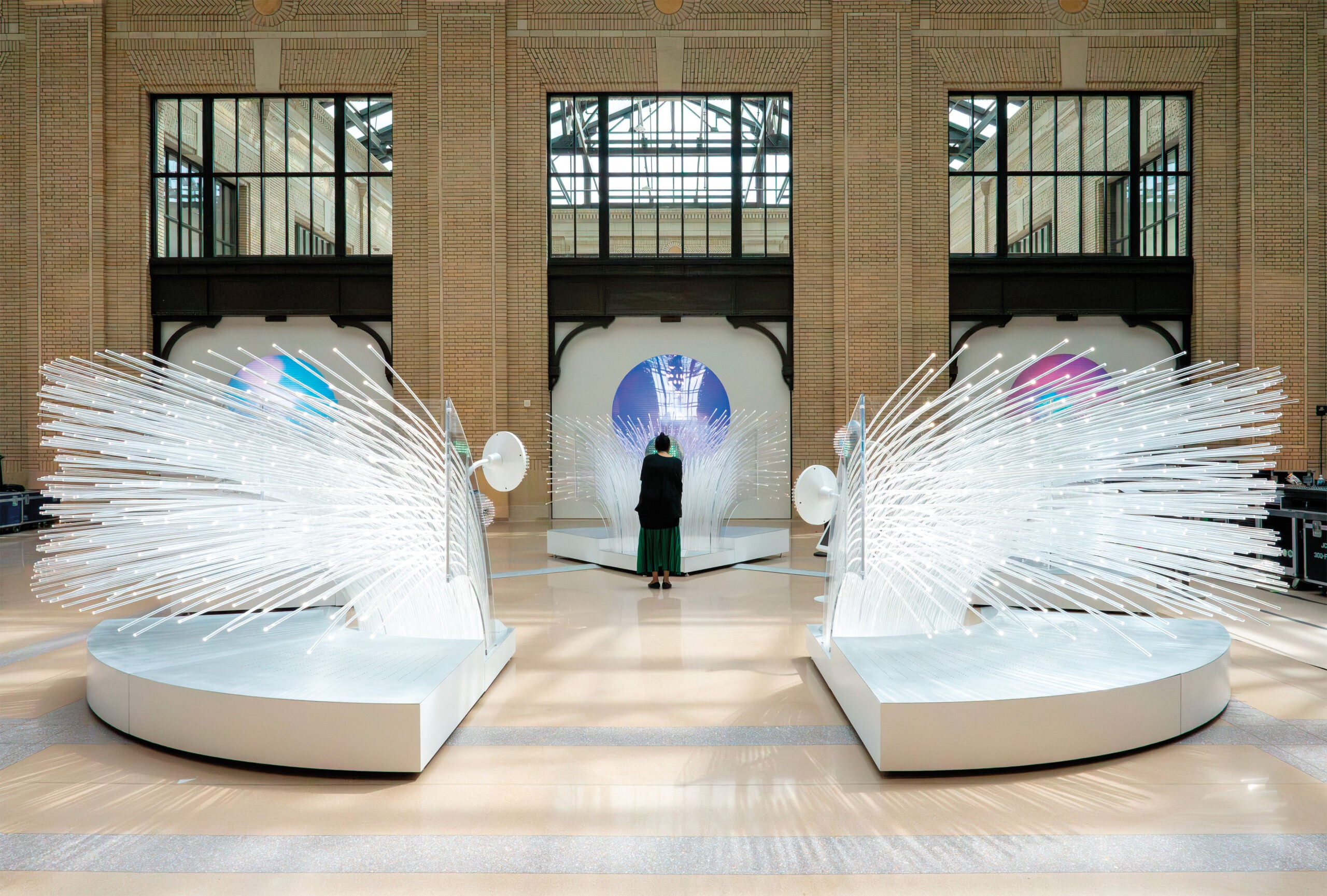
In my own work, this understanding has taken many forms—ranging from rigorous, data-driven collaborations with scientists and health-care institutions to poetic spatial gestures that speak to the emotional, cultural, and sensory dimensions of being human. In 2019, I cocreated A Space for Being, an immersive installation at Milan Design Week in collaboration with Google, Muuto, and the International Arts + Mind Lab at Johns Hopkins University. Visitors wore custom-designed bands that recorded biometric data as they moved through three distinct spaces, each composed with a unique palette of colors, textures, lighting, proportions, and sound. Though each room served the same function, people’s bodies responded differently. The data showed that design has measurable effects on stress, relaxation, and emotional resonance. This was not just a poetic truth—it was scientific proof that how we design truly matters.
Designing Environments that Heal, Connect, and Empower
This same philosophy guides our approach across typologies: residential, hospitality, and retail. In residences, we design environments that reflect and support the emotional and sensory needs of the people who inhabit them—crafting places for creativity, restoration, and belonging. We reorient views, adjust proportions, and integrate natural materials to amplify presence and calm. In one home, we reorganized the entire floor plan to improve flow, deepen connection to nature, and activate the senses through curated textures, lighting, and rituals of daily life. Through warm palettes, soft edges, diffused lighting, and tactility, we shape experiences of welcome and restoration.
To me, the future of architecture is not in spectacle—it’s in sensation. Not in how buildings look, but in how they help us live. Feeling is not a trend. It is a universal and deeply human truth. When we design from the inside out, we create spaces that heal, connect, and empower us.
Suchi Reddy, FAIA, is an architect, designer, and artist based in NYC. In 2002, she founded Reddymade, which focuses on public art installations, large-scale commercial spaces, and residential projects ranging from single-family homes to interiors and prefab architecture.
Would you like to comment on this article? Send your thoughts to: [email protected]
Latest
Projects
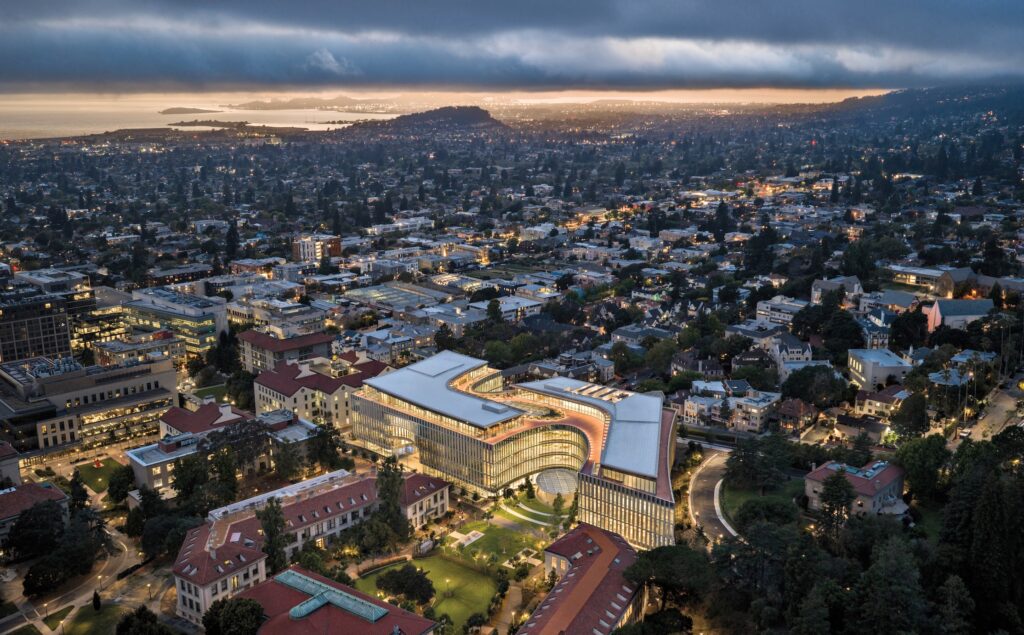
UC Berkeley’s Newest Building Is All About Human Interactions
The Barbara and Gerson Bakar Gateway—home to the university’s College of Computing, Data Science, and Society—gently reminds data scientists and AI researchers of what’s really important.
Projects
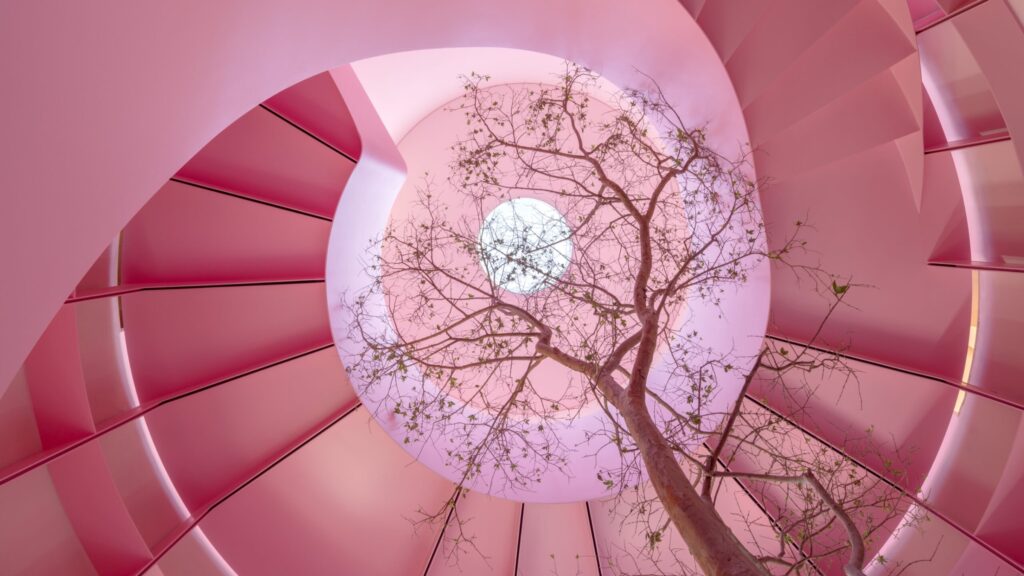
ZD+A Brings a Modernist Mexico City House in Line with its Context
Architect Yuri Zagoin Alazraki reorganized the speculative house to respond to its site and create unique spaces for contemplation.