



October 10, 2025
How Can Architecture Reflect the Needs of Its Communities?
Community Engagement 101
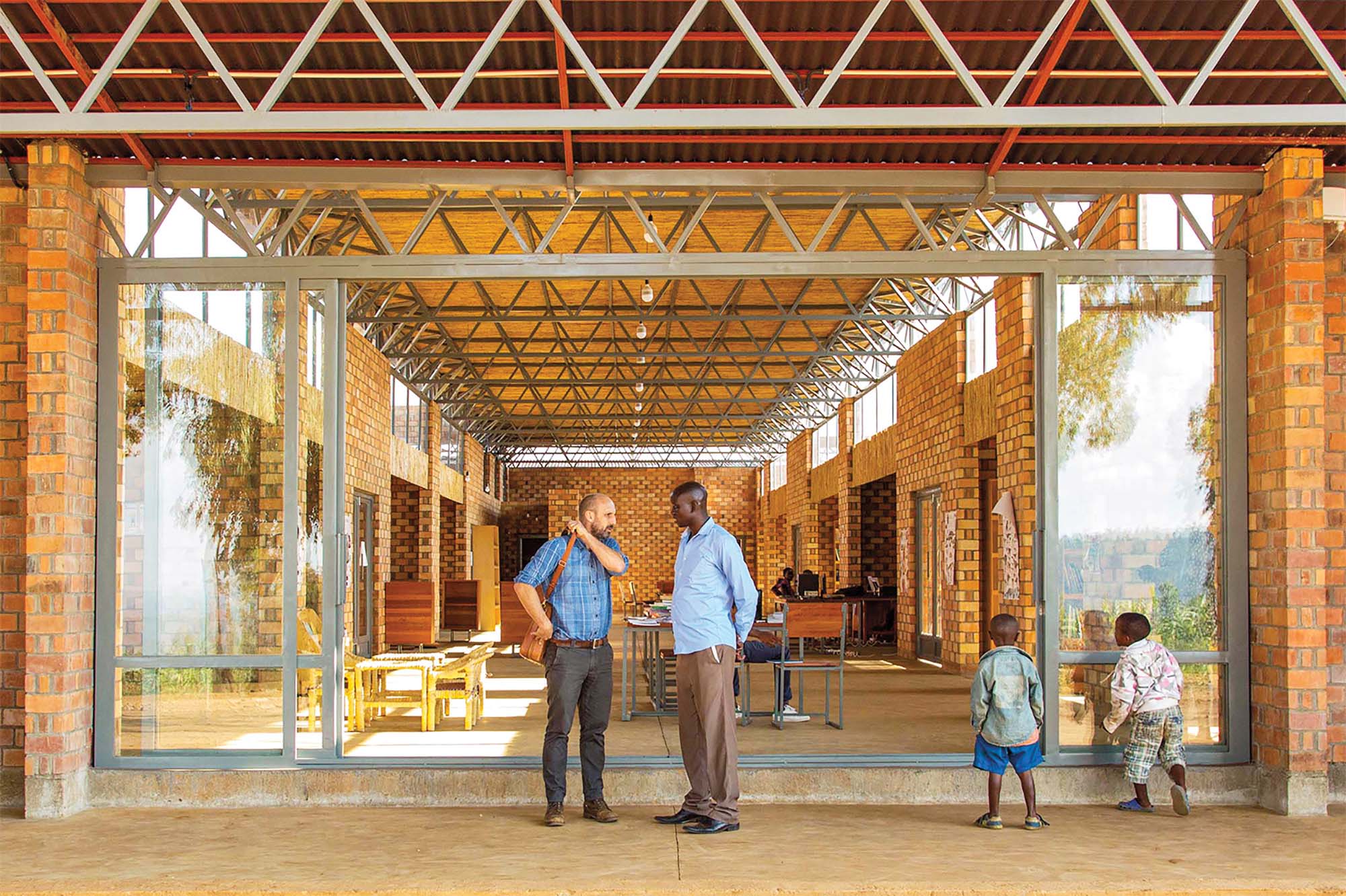
What is community engagement? Community engagement is the process of working collaboratively with individuals, groups, and organizations to address issues that affect their well-being. It’s also one of the most direct ways designers can create equitable projects that bring people together to satisfy the needs of an overall group. For example, creatives like Sloan Leo, artist and community design theorist, believe in the importance of community engagement in creating a better future. Design practices like Open Design Collective, Nowhere Collaborative, and General Architectural Collaborative are also utilizing community-led processes that center the perspectives of marginalized individuals and women. Finally, METROPOLIS has produced an Equity Primer to offer resources to help designers and architects listen to the needs of the community for any future project.
Read more about community engagement and other resources below:
Engagement 101


Designing for Community
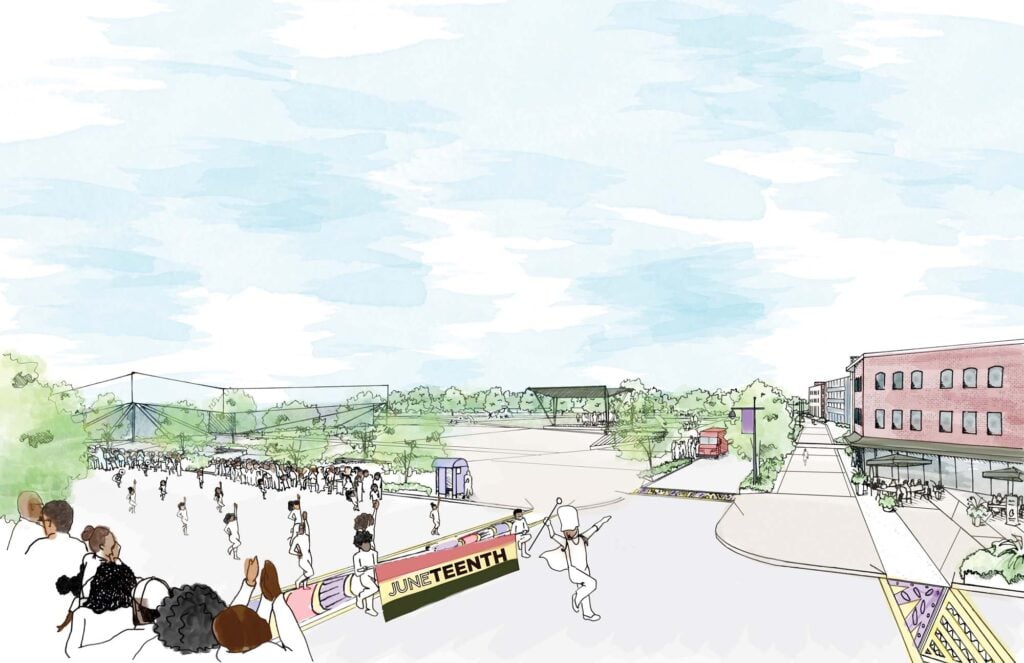
Designing for community means creating spaces that foster connection, inclusivity, and well-being, considering how buildings affect residents, ecosystems, and businesses in ways that range from physical health to economic opportunity. Community engagement throughout the design process ensures that spaces reflect local needs, values, and aspirations. For example, in Canada, the təməsew̓txʷ Aquatic and Community Centre serves as a vital hub, not only for the surrounding neighborhood of single-family houses, but also for the entire city of New Westminster, British Columbia. Meanwhile, Cal Poly San Luis Obispo students participating in Xtreme LA leveraged traditional ecological knowledge and community engagement to envision the future for Morro Bay, California. Finally, the 2022 Future100 recipients worked to create true community spaces for their users.
Read more about designing for community in the articles below:
Designing


Amplifying Marginalized Communities
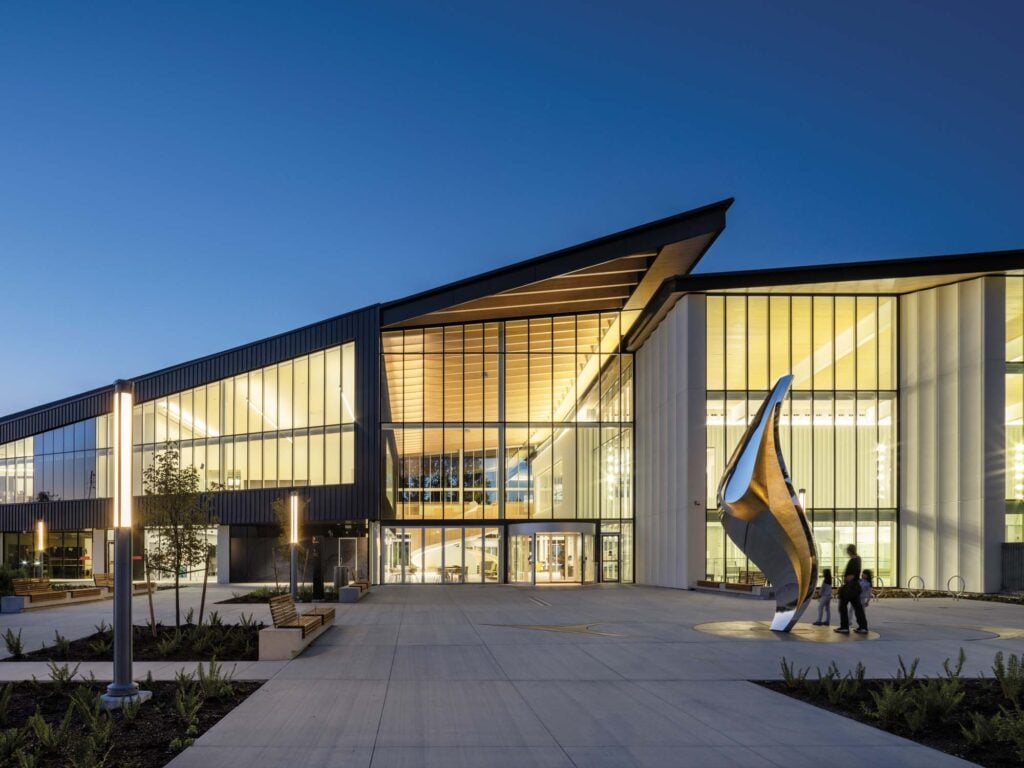
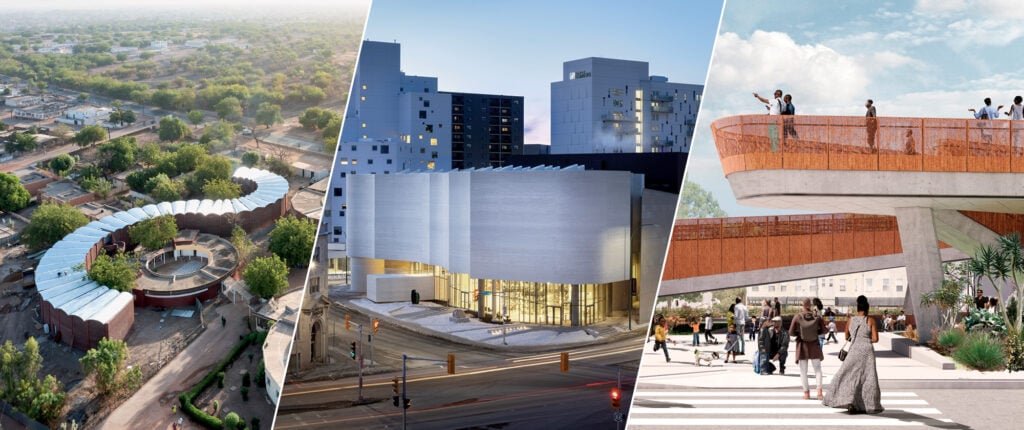
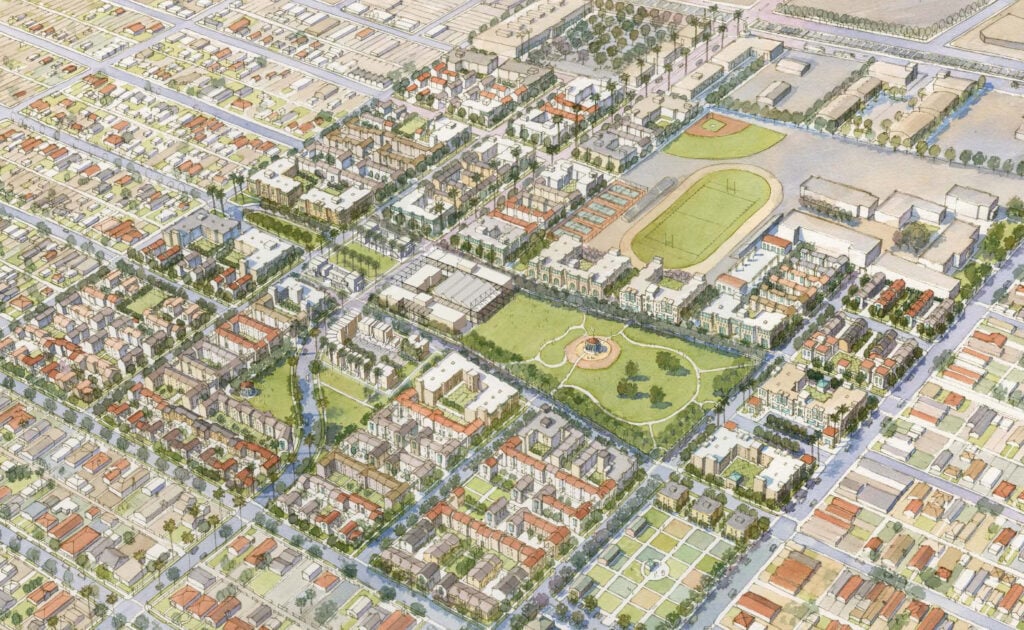
Community engagement plays a crucial role in amplifying marginalized communities by ensuring their voices, experiences, and needs are heard and incorporated into decision-making processes. One such example is the El Salitre Center in Zapotlanejo, Mexico, a modest yet beautiful community center built using local materials and labor, and now serves as a beacon for connection. Over in South LA, the city’s housing authority and private developers are redeveloping affordable housing to keep up with the city’s rapid infrastructure changes. In addition, major projects like a hospital in Senegal, a museum in Winnipeg, and an urban planning intervention in LA demonstrate a change in architecture and the process of community engagement.
Learn more about how community engagement helps marginalized communities:
Amplifying
Community-Driven Planning
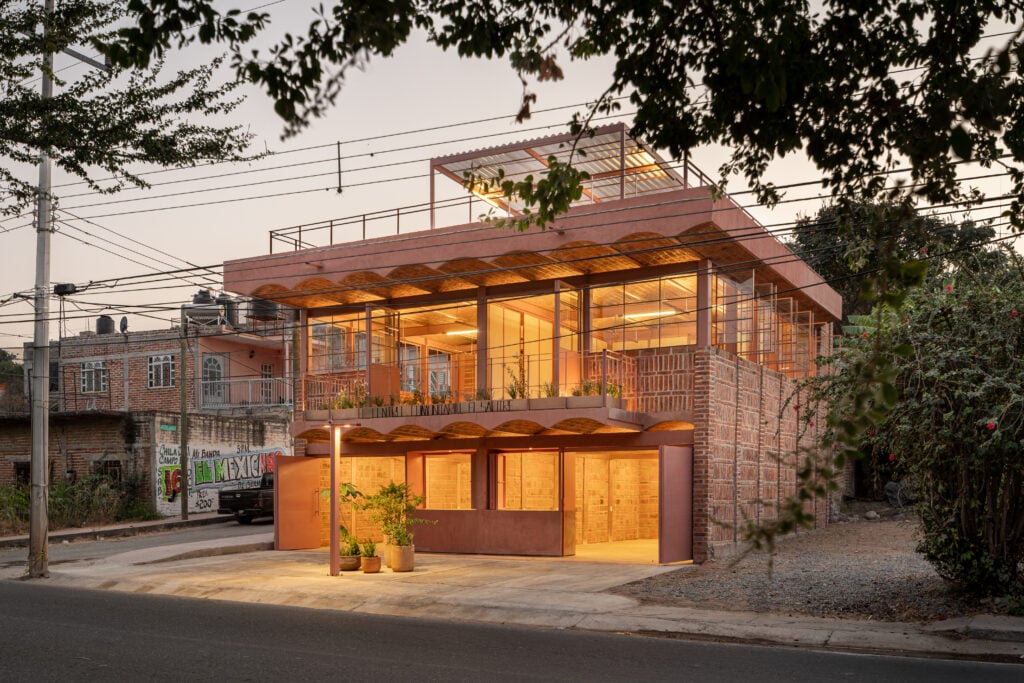
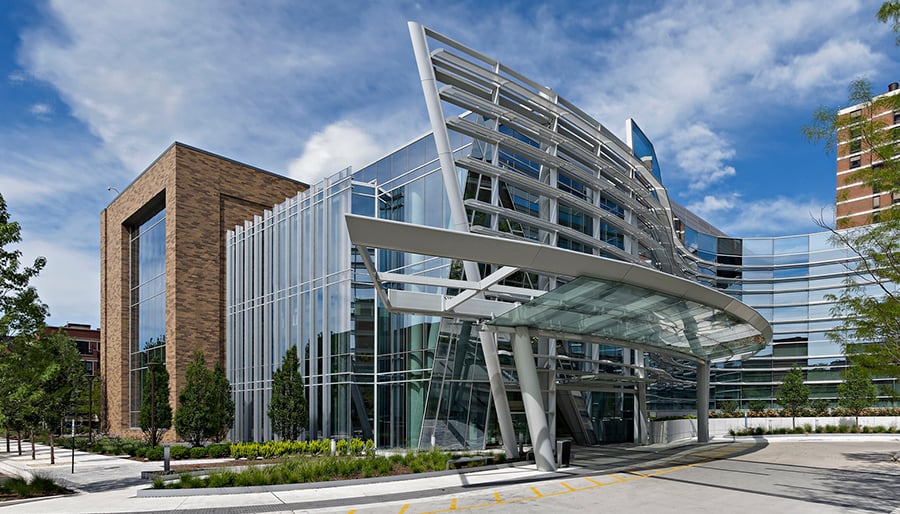
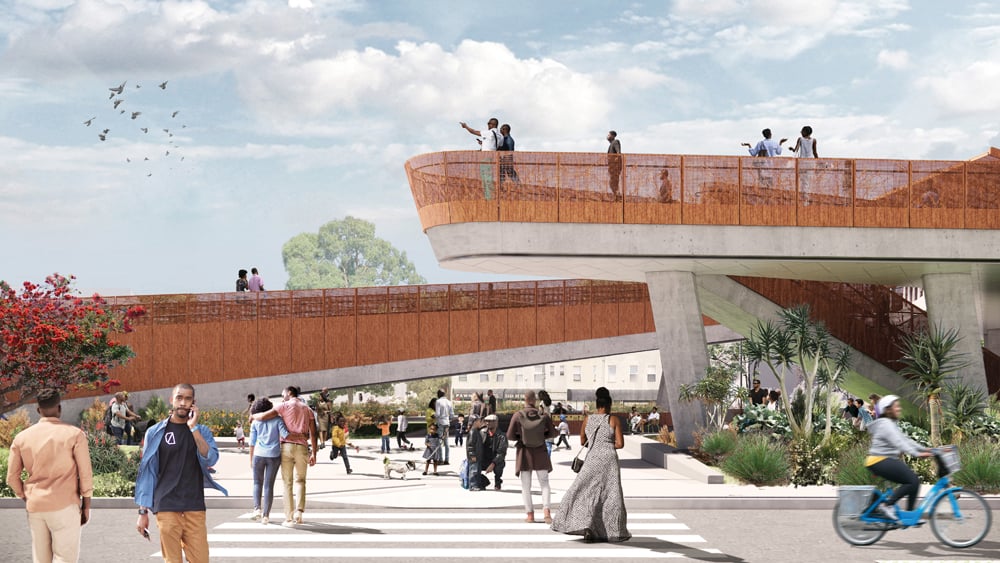
By actively involving residents, community organizations, and stakeholders in the decision-making process, community-driven planning ensures that development reflects the needs, culture, and aspirations of the people it serves. Take Destination Crenshaw, a public art corridor along LA’s Crenshaw Boulevard that dovetails with the expansion of the LA Metro, that relied on input from neighboring residential communities. On the other side of it, we have activist Amy Stelly who’s working to remove the Claiborne Expressway in New Orleans as it cuts through the historic neighborhood. Finally, we have architects and developers who explored the immense benefits of community engagement when planning new neighborhoods like Lincoln Yards transforming a formal industrial site into a mixed-use mini high-rise district.
Read more about community-driven planning below:
Planning

Q&As With Designers Empowering Communities
Speaking with the visionary designers who embrace community engagement to create inclusive, meaningful, and impactful spaces, we explore how architecture and design can be tools for empowerment and positive change. For example, Abraham Burickson, author of the book Experience Design: A Participatory Manifesto and principal at the Long Architecture Project, talks about the importance of collaborating with clients to create more appropriate and inspiring environments and experience design. Meanwhile, Ifeoma Ebo, founding director of Creative Urban Alchemy and multidisciplinary urban designer, strategist and architect, shares how she collaborates with governmental agencies to advocate for the stories of communities of color.
Learn more about these designers in the following articles:
Q&As

Profiles
How Abraham Burickson Designs Experiences, not Things
In his new book “Experience Design: A Participatory Manifesto,” Abraham Burickson distills his methodology into a set of principles and practices.

Profiles
Ifeoma Ebo Is on a Quest for Urban Healing
Through trauma-informed design processes, Ebo aims for community stewardship and empowerment.
Planet Positive Awards
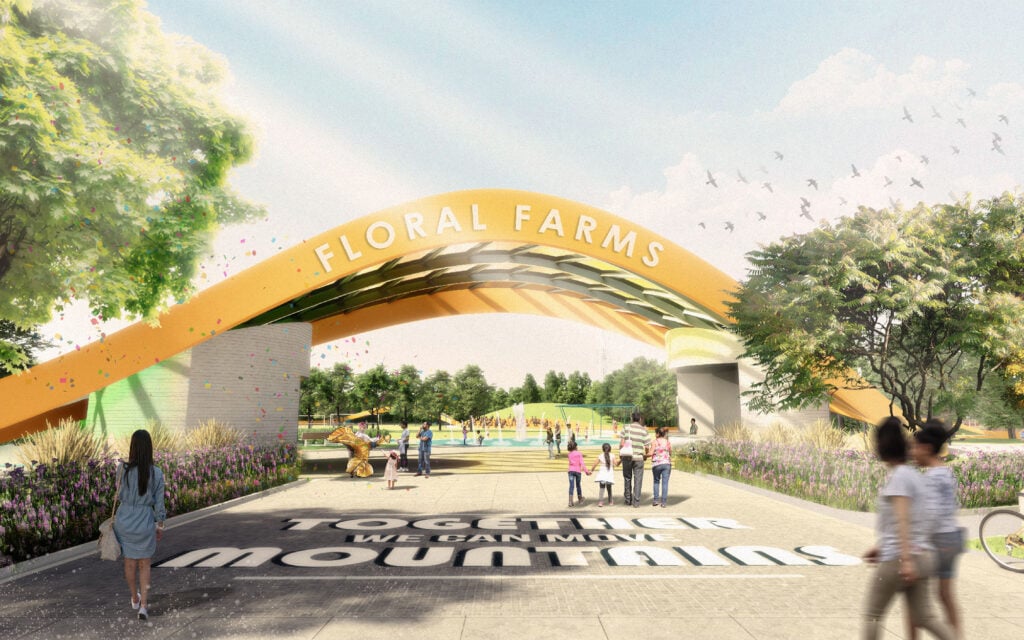
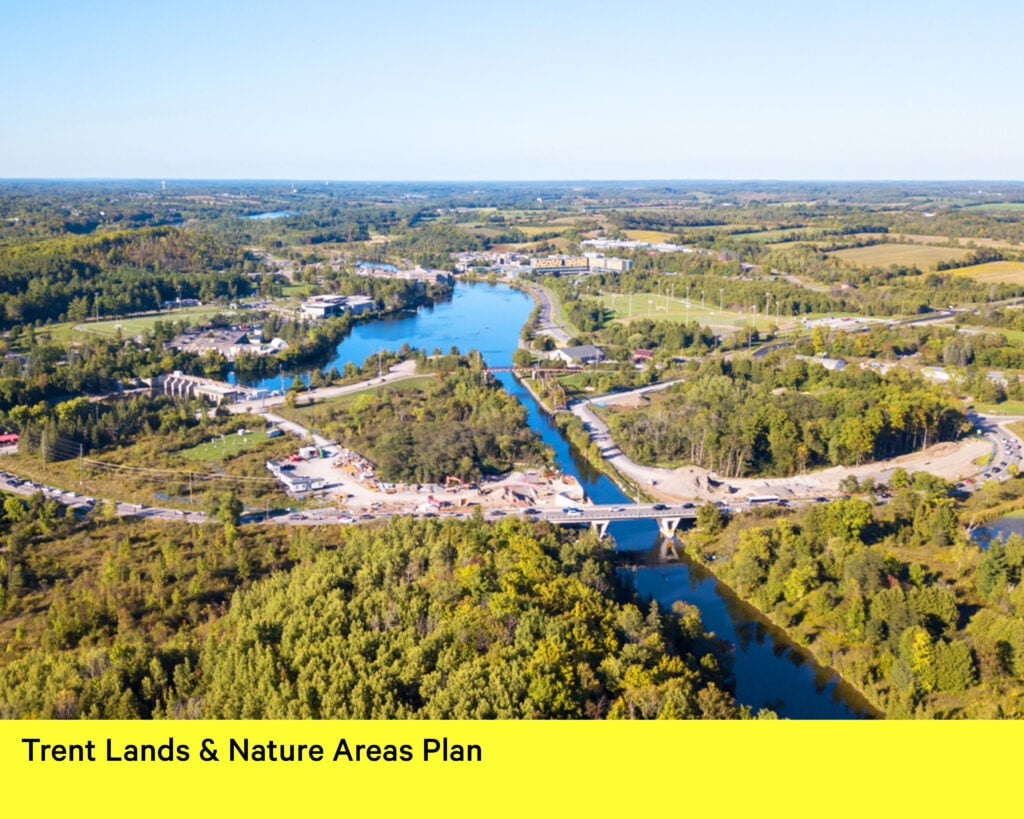
METROPOLIS’s annual Planet Positive Awards celebrate the progress made toward design for a regenerative and equitable future. Many times, the winners focus on community engagement and addressing problems to fix their immediate surroundings. For example, Kendal Eastwood and Elise Park at New York Institute of Technology proposed a community land trust model to help with affordable housing in the Bronx, while HKS conceived of the Floral Farms Park in southern Dallas to reclaim a robust neighborhood situated on the site of a former illegal dumping ground. On the other hand, Multistudio + CAST crafted a set of card decks to bring awareness to how the physical environment influences students, while SvN and Nbisiing Consulting proposed the Trent Lands and Nature Areas Plan to bring the community together.
Learn more about the Planet Positive Awards from the following articles:
PPA

Planet Positive Awards 2023 Entries
Multistudio + CAST

Conclusion
As cities and spaces continue to evolve, integrating community engagement into architectural design will remain essential in creating places that truly serve and inspire the people they belong to. By fostering collaboration between architects, planners, and residents, community engagement strengthens social connections, ensures equitable development, and amplifies the voices of marginalized groups. It transforms architecture from a purely aesthetic or functional practice into a tool for empowerment, resilience, and long-term sustainability. After all, the best spaces are not just built—they are co-created by the communities that call them home.
Would you like to comment on this article? Send your thoughts to: [email protected]
Other Guides from METROPOLIS
Viewpoints
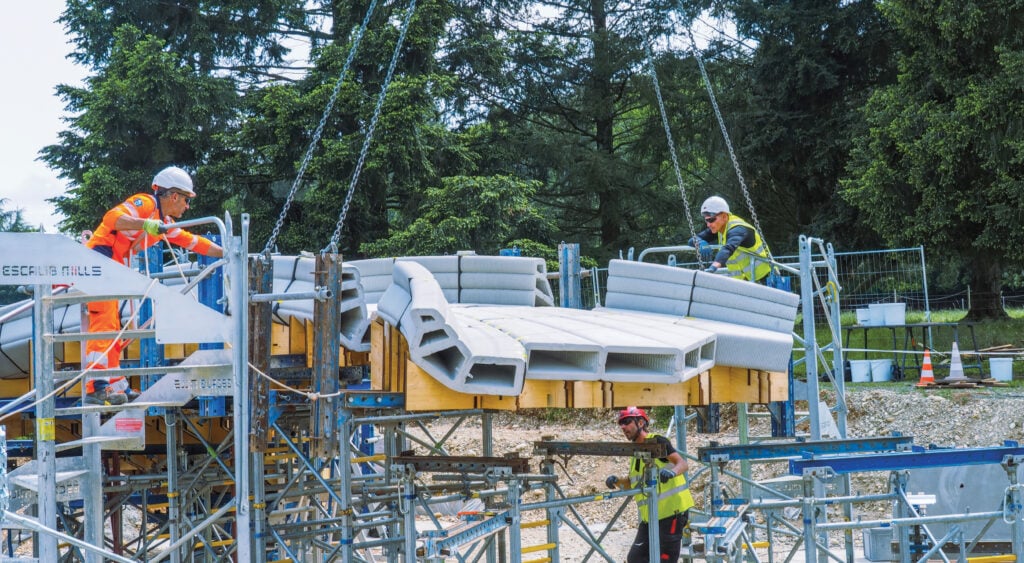
How Construction Materials and Technologies Are Evolving
Follow METROPOLIS’s most compelling coverage of construction materials and technologies, from next-gen concrete to circular design.

Viewpoints
How Far Has 3D-Printed Architecture Come?
METROPOLIS tracks the development of 3D-printed buildings, and how they promises to revolutionize speed and sustainability in construction.

Viewpoints
32 Adaptive Reuse Projects for a Better Future
Through decades of coverage, METROPOLIS rounds up the best adaptive reuse stories and projects from around the globe.