



April 22, 2026
9 Stories of Hope for Earth Day 2026
Every year, Earth Day is a reminder to pause our quotidian concerns and forefront our planet. We recognize how humanity continues to harm other lifeforms through our treatment of land, energy, water, and other resources; and this annual marker reminds us that our biggest collective task is to bring harmony between our lives and the rhythms of this planet. And because the built environment is a direct expression of how humans inhabit and interact with the planet, METROPOLIS has marked the last few Earth Days gathering articles that advance our understanding of the impact that design and construction have upon the world. This year, though, we adopt a slightly different theme: Hope.
In the nine articles below, some of the finest minds in design share how they hope to find balance in our world. Their ideas thread past, present, and future: looking to the wisdom of indigenous communities and the utilitarian worldview of the Shakers; valuing existing buildings as troves of precious material; and allowing mushrooms to work their magic in our lives again.
The Power of Built Buildings
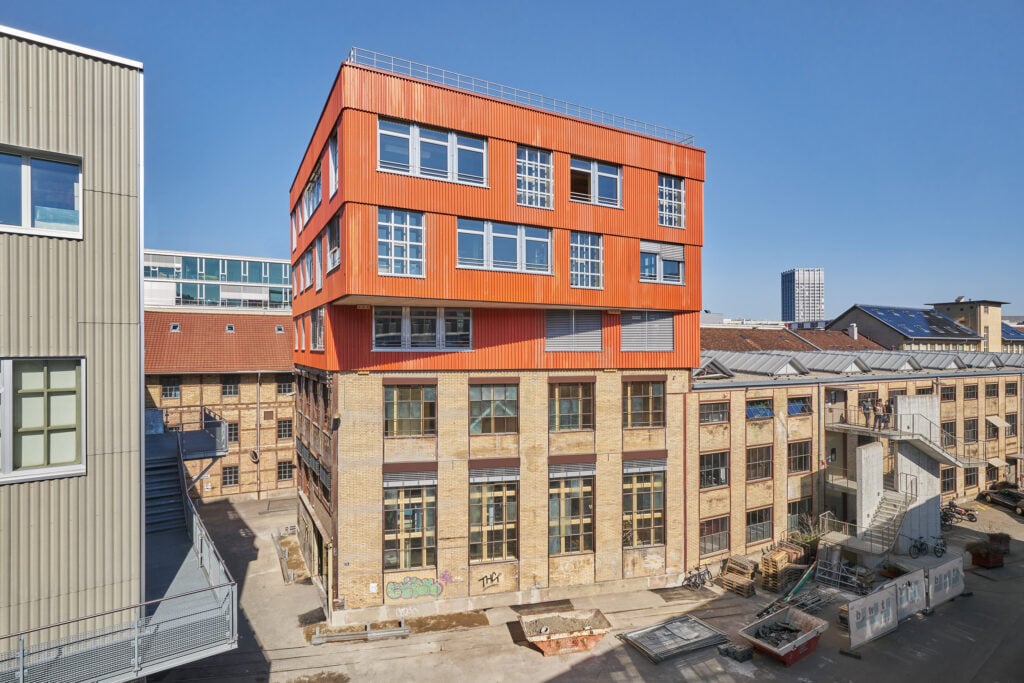
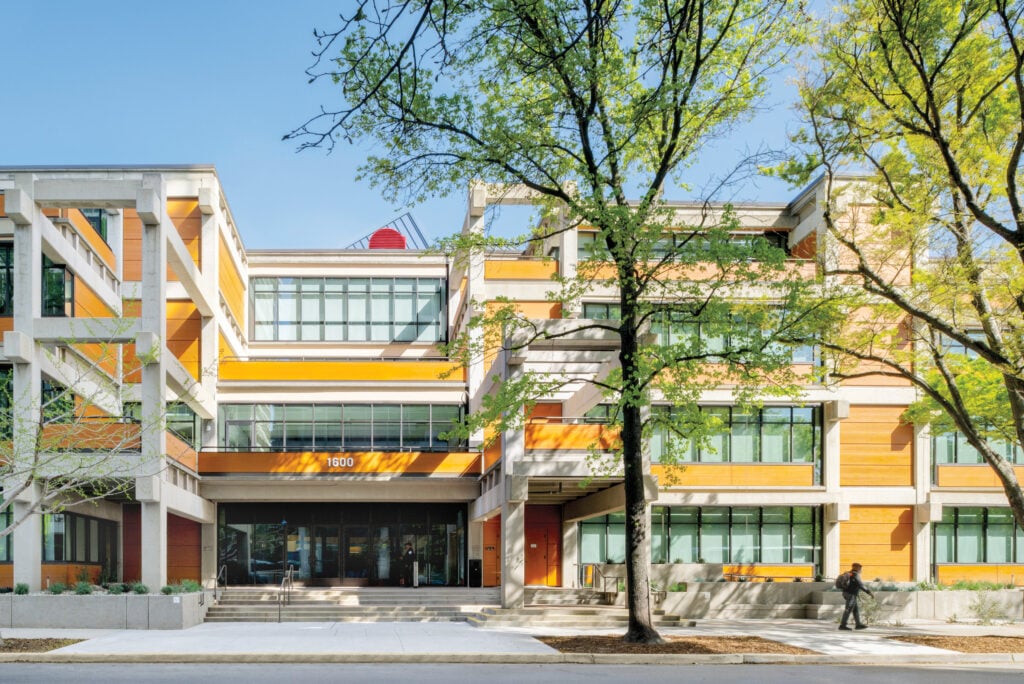
“There continues to be an assumption that if we’re going to talk about buildings, building technologies, specifically building assemblies, building construction, we’re talking about new buildings,” points out Billie Faircloth, cofounder and research director of the Built Buildings Lab. “But what can we learn from the buildings that already exist?” One lesson is the enduring value of building materials. In Switzerland, Barbara Buser is sought after by developers, urban planners, and city governments for her expertise in creating new buildings out of old. “Sometimes I say we should stop construction for ten years,” Buser told our reporter Vera Sachhetti, “and develop other ways to go about it, namely how to find material; how to classify it; how to check, test, and so on.” The other lesson is that our buildings are palimpsests of our values and aspirations as a society. CannonDesign recently completed a $169 million renovation of the Gregory Bateson Building in Sacramento California; what they preserved is the vision of the original architect, Sim Van der Ryn, whose approach to sustainability seems uncannily prescient 45 years later.
Re-centering Nature in Design
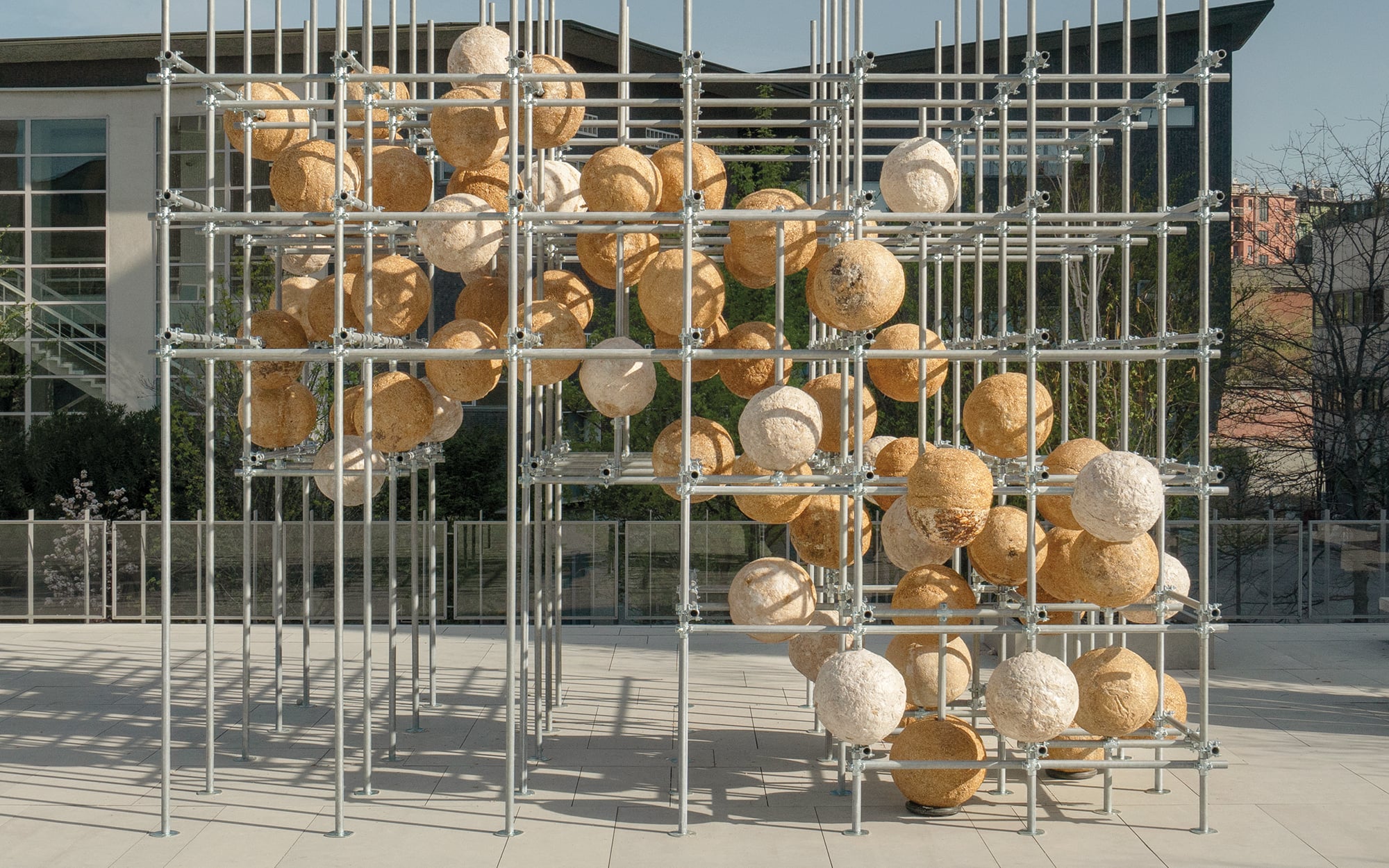
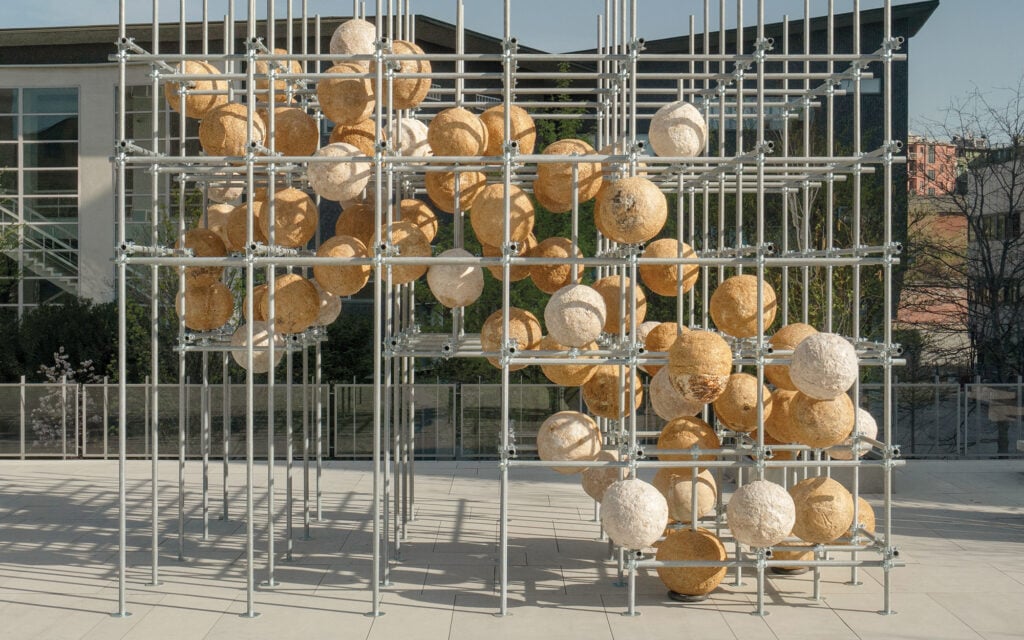
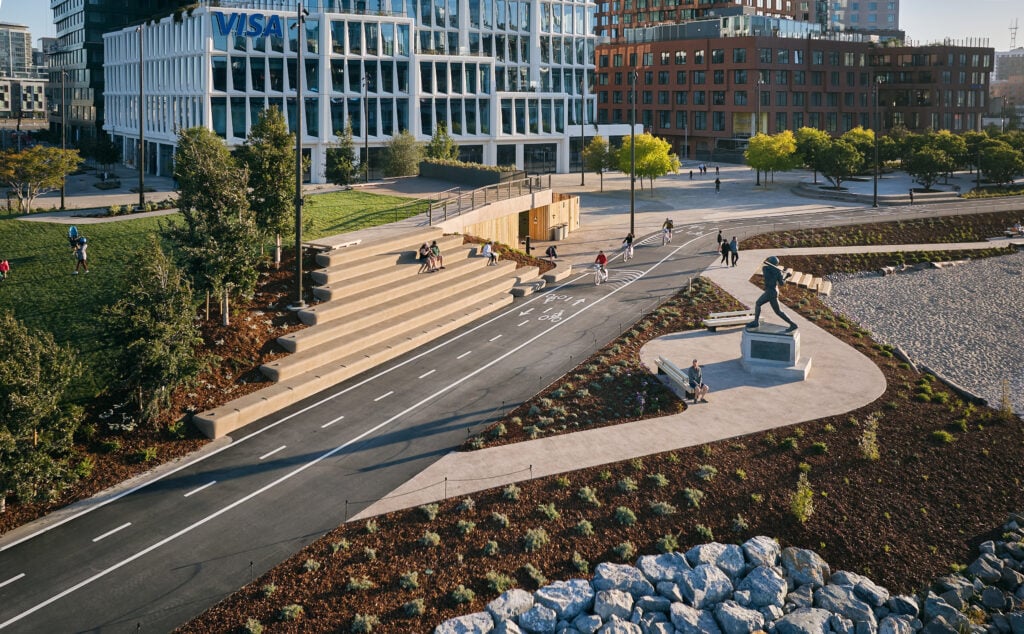
“The next chapter of biophilic design will see architectural typologies evolving into truly living systems,” predicts Rick Cook, founding partner, COOKFOX Architects. “Where earlier strategies focused on adding plants or maximizing daylight, the next generation must embed nature at every level of design—from dynamic lighting to habitat productivity, even at the scale of the Aero Biome.” The products and systems for this biocentric vision of the built environment are being tested, scaled, and analyzed: once-experimental materials like mycelium have hit the mainstream, while the benefits of incorporating biomass in buildings and integrating buildings into landscapes are being clearly quantified.
Designing for Care and Repair
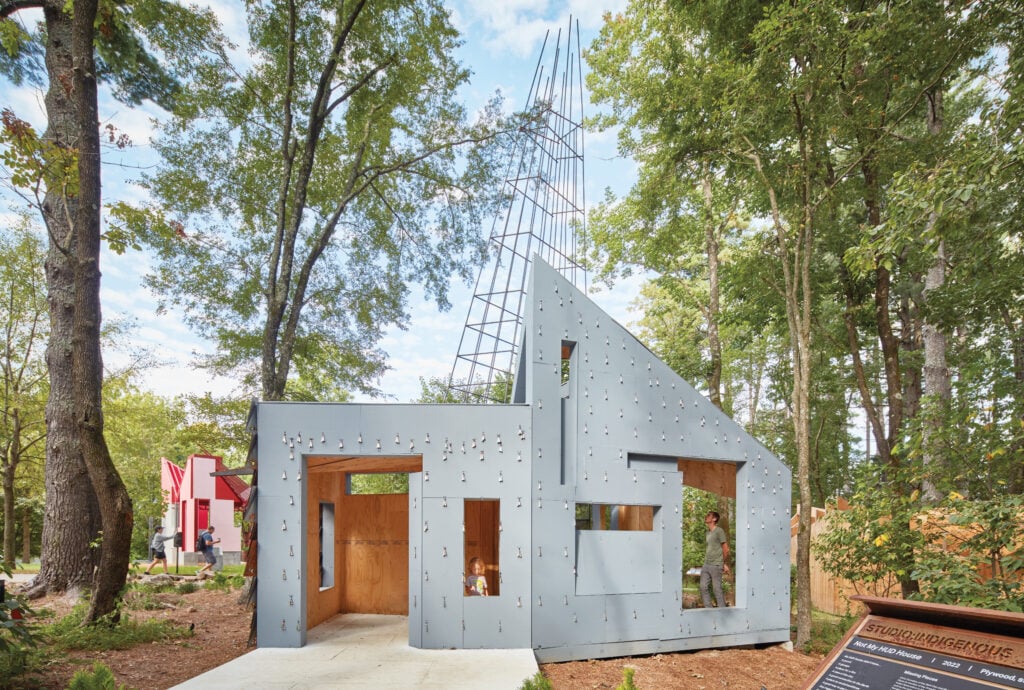
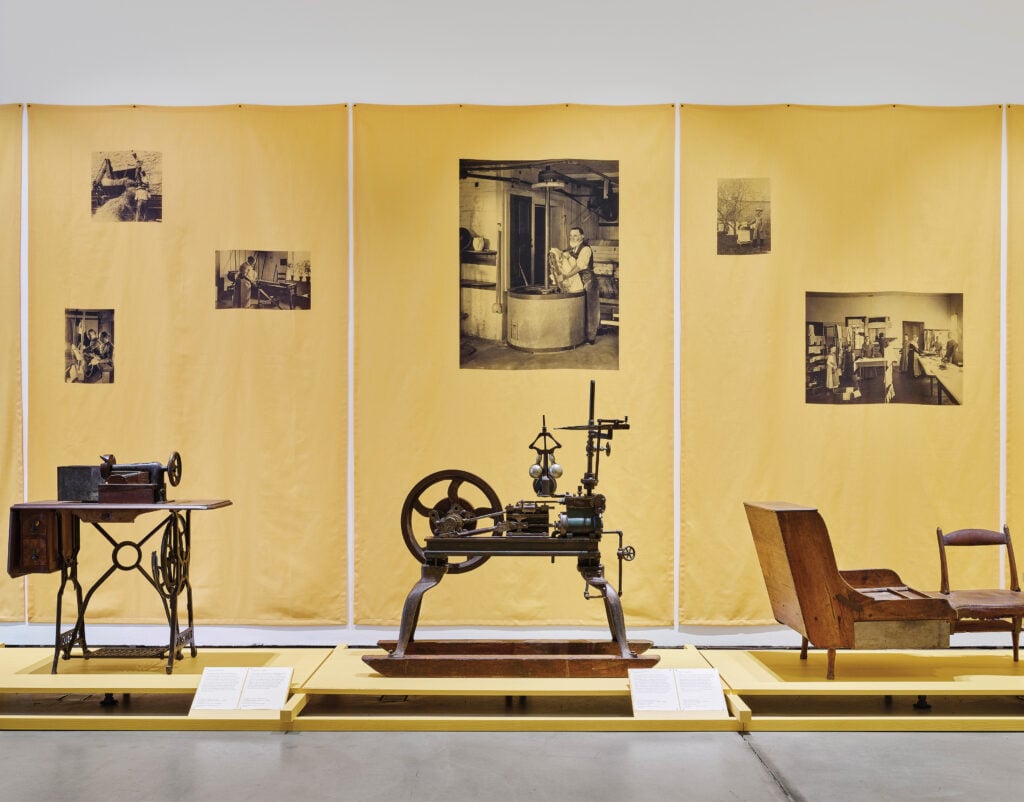
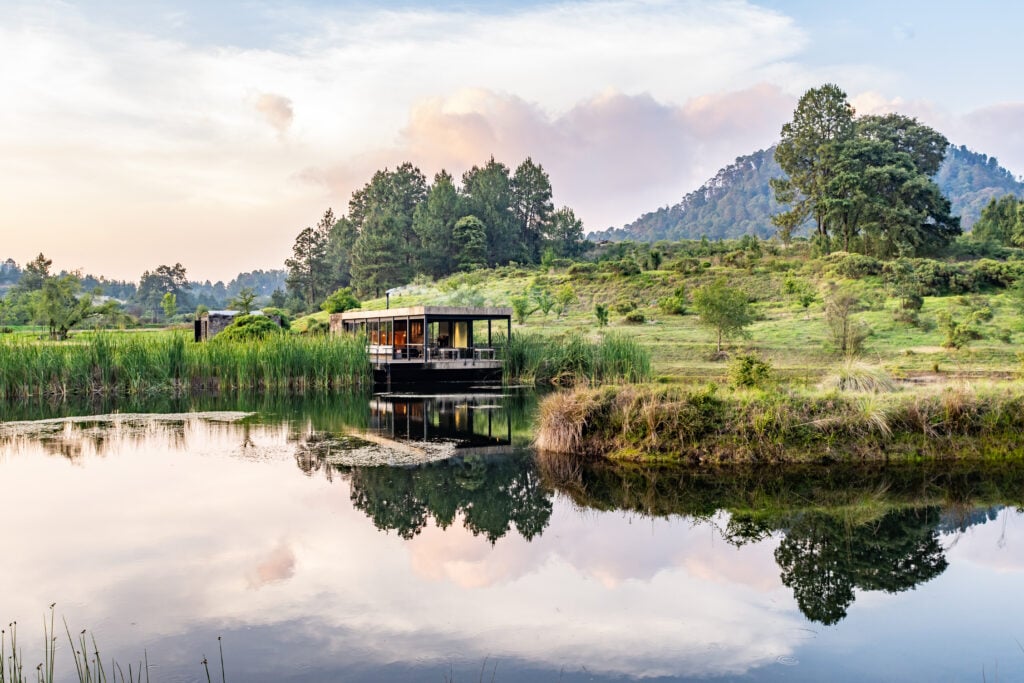
“I am interested in the integration of natural law, and I’m interested in passive design. And I think those two, by themselves, are all of the sustainability I care to talk about,” says Wanda Dalla Costa, principal at Tawaw and the first First Nations woman to to be licensed to practice architecture in Canada. Indigenous communities have historically seen humanity and the rest of nature as connected through kinship, recognizing the interconnectedness of all living things. In today’s world, this approach should encompass both extreme care—perhaps something like the Shakers practiced as they crafted beautiful objects for their communities—and the humility to allow nature to heal, as the Reserva Peñitas project is doing in Mexico.
Would you like to comment on this article? Send your thoughts to: [email protected]
Latest
Viewpoints
Celebrating the Craft of Architecture
METROPOLIS’s July/August 2026 issue, produced in partnership with Architizer, spotlights 25 standout projects and practices from the 2026 A+Awards.
Projects
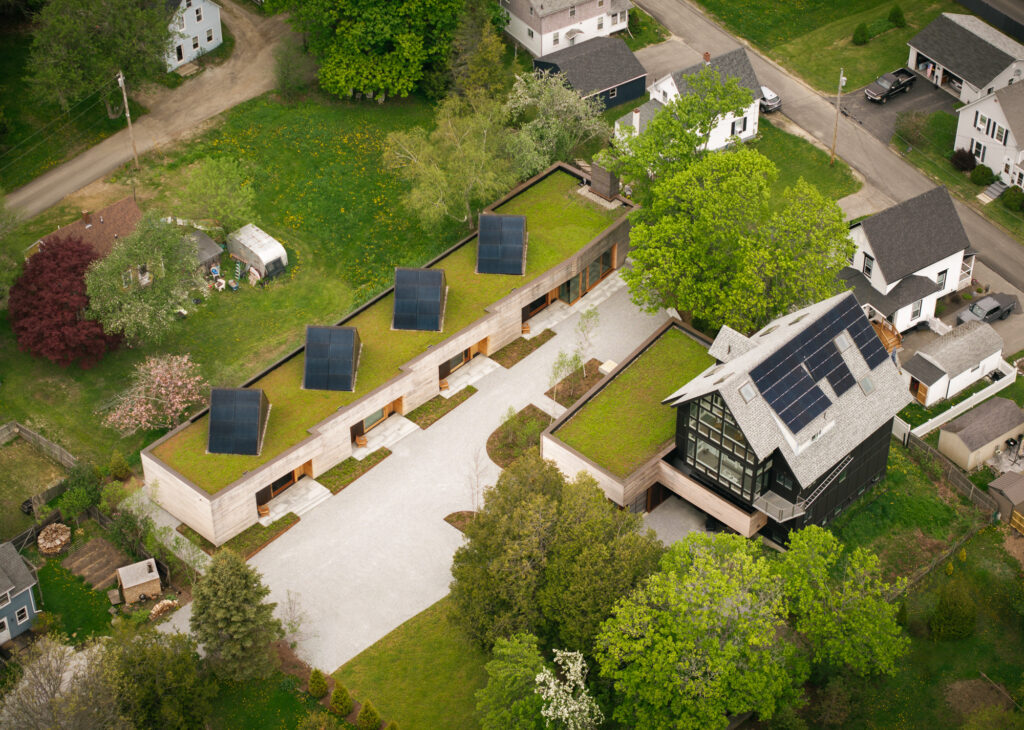
The Ellis-Beauregard Foundation Campus is a Model in Place-Driven Design
Baird architects designed the foundation’s permanent home for an artist residency program on Maine’s Midcoast.
Projects
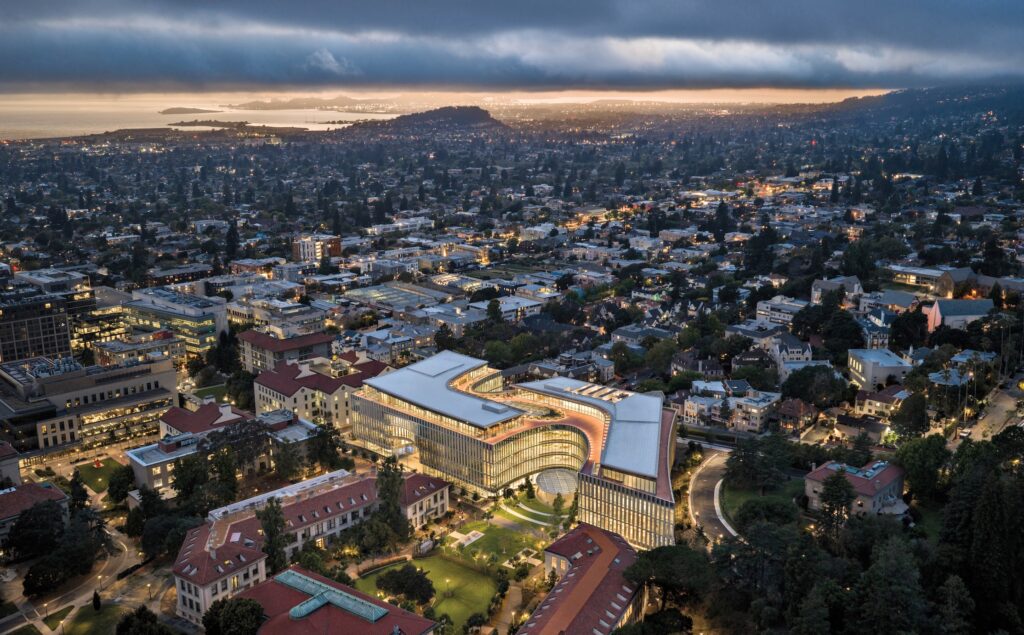
UC Berkeley’s Newest Building Is All About Human Interactions
The Barbara and Gerson Bakar Gateway—home to the university’s College of Computing, Data Science, and Society—gently reminds data scientists and AI researchers of what’s really important.