

November 9, 2025
What Is and Is Not Biophilic Design?
The creator of the concept of Biophilic Design explains effective strategies that keep us healthy by bringing us closer to nature.
The renowned social ecologist Stephen Kellert (1943-2016) pioneered the theory of Biophilia and developed the idea of Biophilic Design in the 1980s. He wrote this article for METROPOLIS in 2015 to clarify the core tenets of biophilic design. This page has been updated to mark the 10th anniversary of its original publication, and now includes links to project case studies, product solutions, and inputs from experts on What’s Next in Biophilic Design. (Illustrations by Nolan Pelletier)
TABLE OF CONTENTS
Introduction
Five Conditions for Effective Biophilic Design
01 Human Adaptation
02 Sustained Engagement
03 Integrated Interventions
04 Emotional Attachments
05 Positive Interactions
Three Impactful Applications of Biophilic Design
01 Direct Experience of Nature
02 Indirect Experience of Nature
03 Experience of Space and Place
What’s Next for Biophilic Design?
Biophilic Design Exchange
More Resources on Biophilic Design
INTRODUCTION
Biophilic design seeks to connect our inherent need to affiliate with nature in the modern built environment. An extension of the theory of biophilia, biophilic design recognizes that our species has evolved for more than 99% of its history in adaptive response to the natural world and not to human created or artificial forces. We became biologically encoded to associate with natural features and processes. Rather than being vestigial – or relevant to a world that no longer exists – this need is thought to remain instrumental to people’s physical and mental health, fitness, and wellbeing.
Since today’s “natural habitat” is largely the built environment, where we now spend 90% of our time, biophilic design seeks to satisfy our innate need to affiliate with nature in modern buildings and cities. Thus, the fundamental goal of biophilic design is to create good habitat for people as biological organisms inhabiting modern structures, landscapes, and communities. Accomplishing this objective depends on meeting certain conditions. First, because biophilia is essentially about evolved human tendencies, biophilic design focuses on those aspects of nature that, over evolutionary time, have contributed to our health and wellbeing. Let us be clear on this point: Any occurrence of nature in the built environment cannot be called biophilic design if it has no bearing on our species’ inborn tendencies that have advanced our fitness and survival.
Simply put, biophilic design focuses on those aspects of the natural world that have contributed to human health and productivity in the age-old struggle to be fit and survive. Thus, desert or deep-sea habitats or microorganisms or alien or extinct species or other obscure aspects of nature are largely irrelevant as aspects of biophilic design because they offer little if anything in the way of sustained benefits to people.

“Let us be clear on this point: Any occurrence of nature in the built environment cannot be called biophilic design if it has no bearing on our species’ inborn tendencies that have advanced our fitness and survival.”
It is important to realize that biophilic design is more than just a new way to make people more efficient by applying an innovative technical tool. The successful application of biophilic design fundamentally depends on adopting a new consciousness toward nature, recognizing how much our physical and mental wellbeing continues to rely on the quality of our connections to the world beyond ourselves of which we still remain a part.
Another distinguishing feature of biophilic design is its emphasis on the overall setting or habitat and NOT a single or isolated occurrence of nature. All organisms exist within connected and related environments bound together as integrated wholes or ecosystems. When the habitat functions in the best interests of the organism, the ecosystem performs at a level greater than the sum of its individual parts. By contrast, habitats comprised of disconnected and unrelated elements provide few benefits to its constituents and may even harm individual members. Thus, simply inserting an object of nature into a human built environment, if unrelated or at variance with other more dominant characteristics of the setting, exerts little positive impact on the health and performance of the people who occupy these spaces.
“Simply inserting an object of nature into a human built environment…exerts little positive impact on the health and performance of the people who occupy these spaces.”
The effectiveness of biophilic design depends on interventions that are connected, complementary, and integrated within the overall environment rather than being isolated or transient. A third distinctive feature of biophilic design is its emphasis on engaging with and repeated contact with nature. Biophilia can be described as a “weak” rather than “hard-wired” biological tendency that, like much of what makes us human, must be learned and experienced to become fully functional. Although we may be biologically inclined to affiliate with nature, for this contact to be useful, it must be nurtured through repeated and reinforcing experience. The benefits of biophilic design depend on engaging contact with nature rather than occasional, exceptional, or ephemeral experiences.
These distinctive characteristics yield a set of five conditions for the effective practice of biophilic design (below). Each underscores what is and IS NOT biophilic design.
FIVE CONDITIONS FOR EFFECTIVE BIOPHILIC DESIGN:

01 Human Adaptations to the Natural World
Biophilic design emphasizes human adaptations to the natural world that over evolutionary time have proven instrumental in advancing people’s health, fitness, and wellbeing. Exposures to nature irrelevant to human productivity and survival exert little impact on human wellbeing and are not effective instances of biophilic design.
Viewpoints
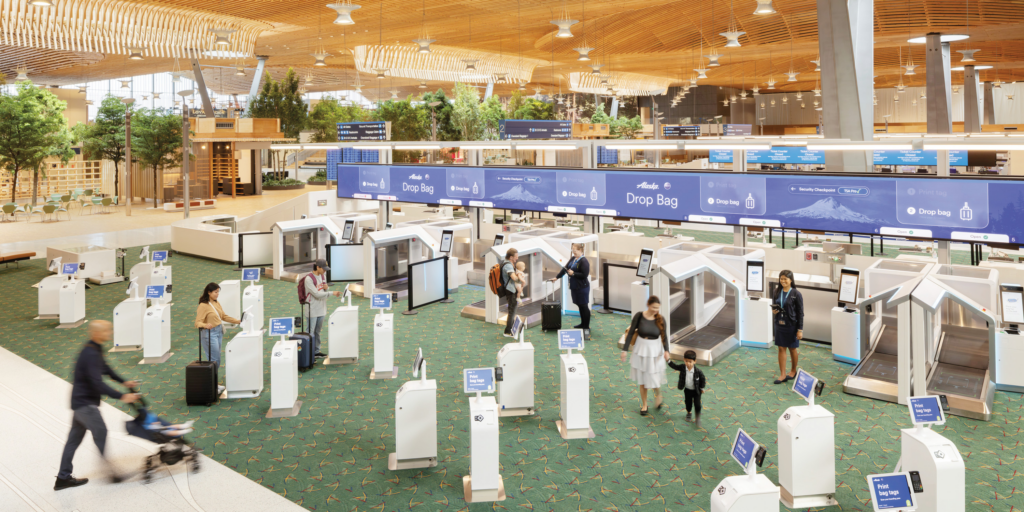
How Biophilic Design Is Transforming the Airport Experience
Portland International Airport’s newly redesigned terminal brings nature inside using timber, trees, and natural light to create a stress-free journey for travelers.

Projects
Forest for the Trees: Perkins+Will Brings Biophilic Design to an Atlanta Office
The facade of flooring company Interface’s new HQ doesn’t just symbolize biophilia: It mimics the dappled light created by a forest canopy.
Projects
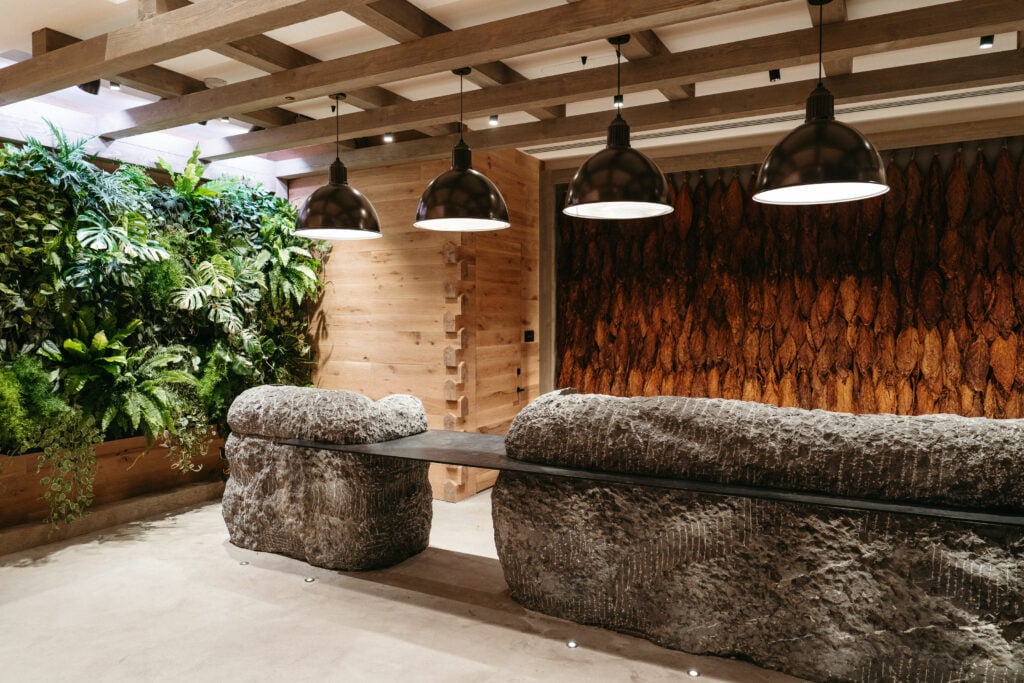
1 Hotel is an Unexpected Oasis in Downtown Nashville
Behind a curtain of ivy, the new 1 Hotel in Nashville celebrates the natural beauty of local and sustainable resources.
Viewpoints
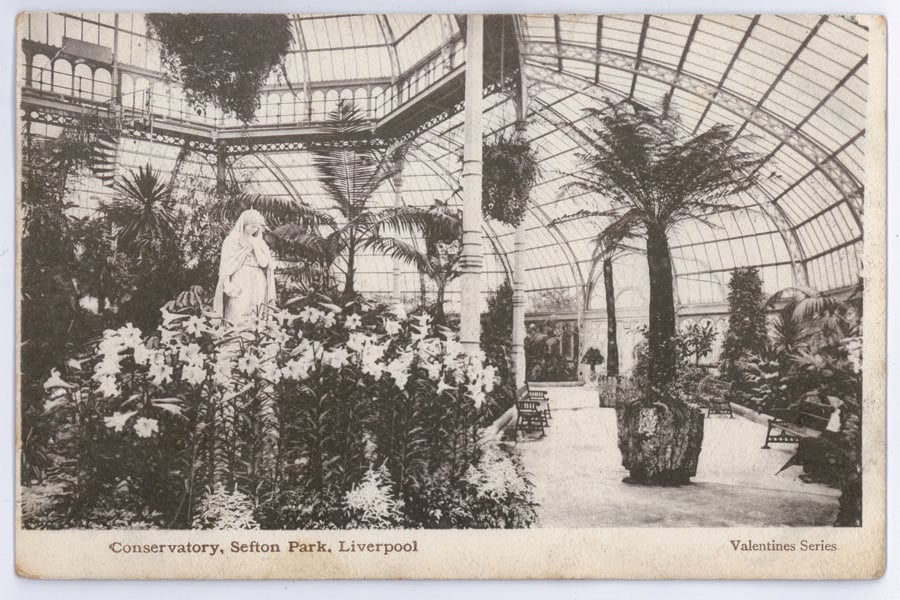
From Victorian Gardens to Corporate Biophilia, Nature Inside Unearths a History of Interior Plantings
Despite differences in motivation, context, and aims, Penny Sparke shows that bringing flora inside stands as a token of unspoiled nature, a reminder of what’s gone.

02 Repeated and Sustained Engagement with Nature
Biophilic design depends on repeated and sustained engagement with nature. An occasional, transient, or isolated experience of nature exerts only superficial and fleeting effects on people, and can even, at times, be at variance with fostering beneficial outcomes.
Projects
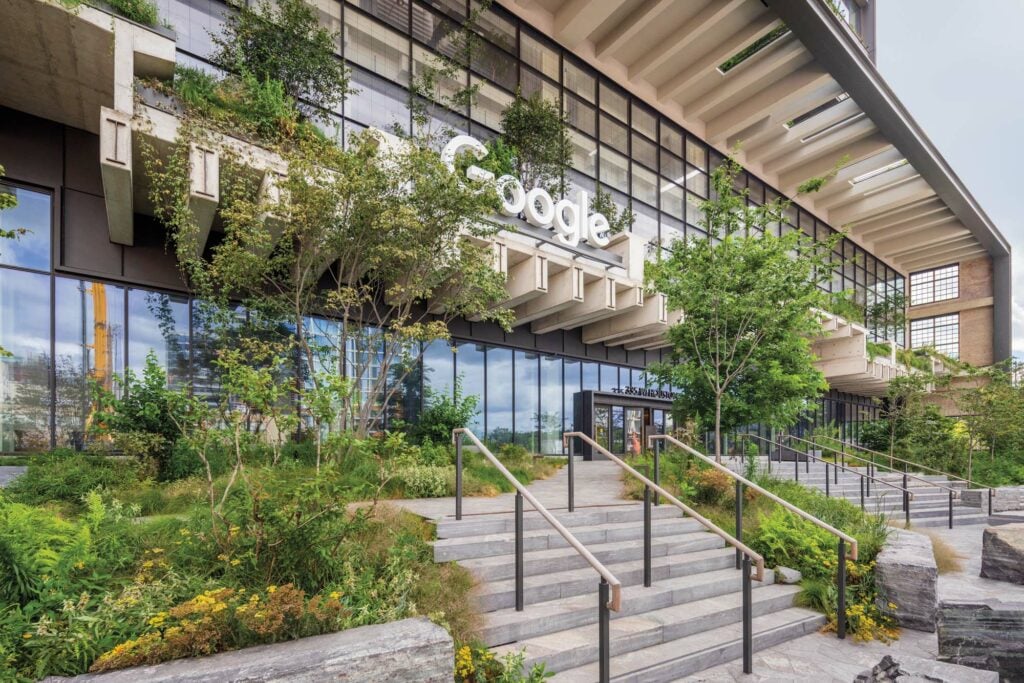
Inside Google’s New York HQ in Historic St. John’s Terminal
A collaboration with CookFox and Gensler, the innovative adaptive reuse project transformed the 1930s rail station into a high-performance workplace that is designed to evolve.
Projects
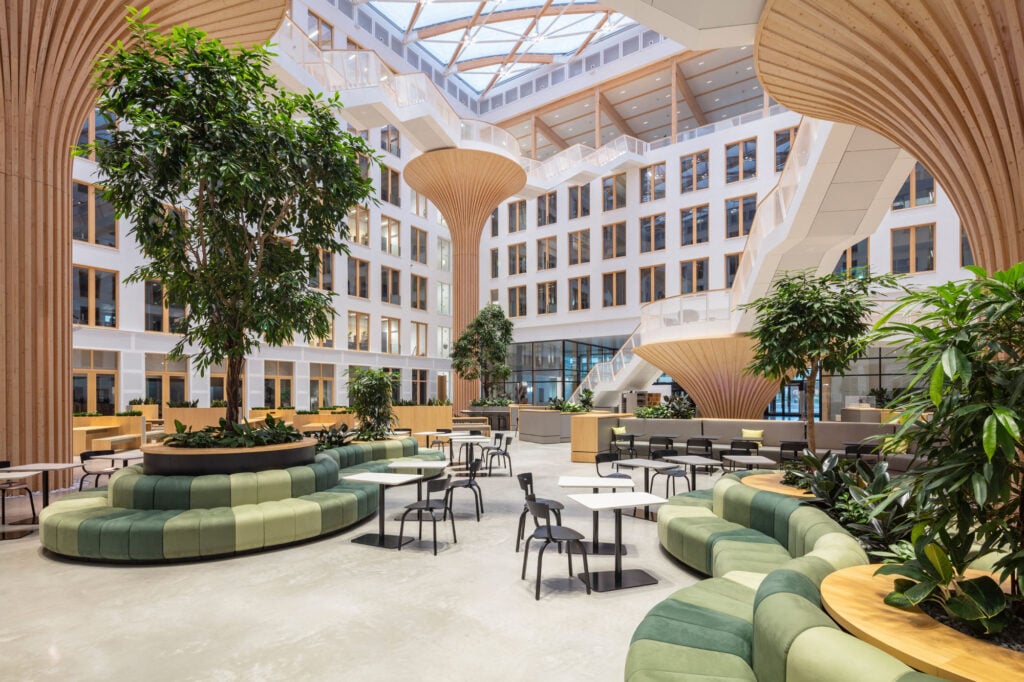
This Berlin Office Was Germany’s Most Sustainable Building in 2022
Combining a hybrid timber-and-concrete construction system with a carbon-capturing facade and biophilic atrium, EDGE Suedkreuz sets a new standard for green architecture.
Projects
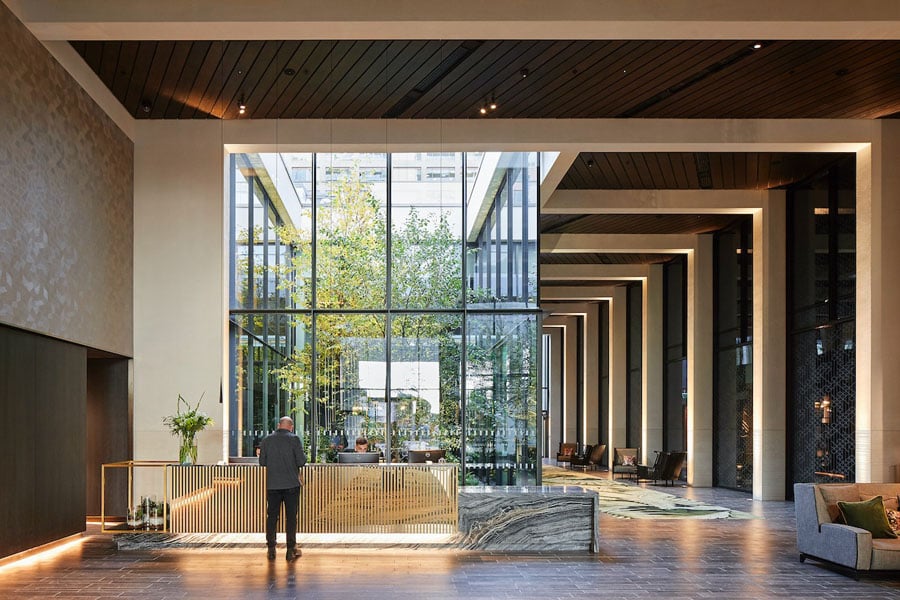
These Residential Towers in London Are Wrapped in Sky-High Gardens
Designed by Glenn Howells Architects, Wardian London gives high-rise city dwellers a dose of nature in the form of glassed-in gardens that run throughout.
Viewpoints
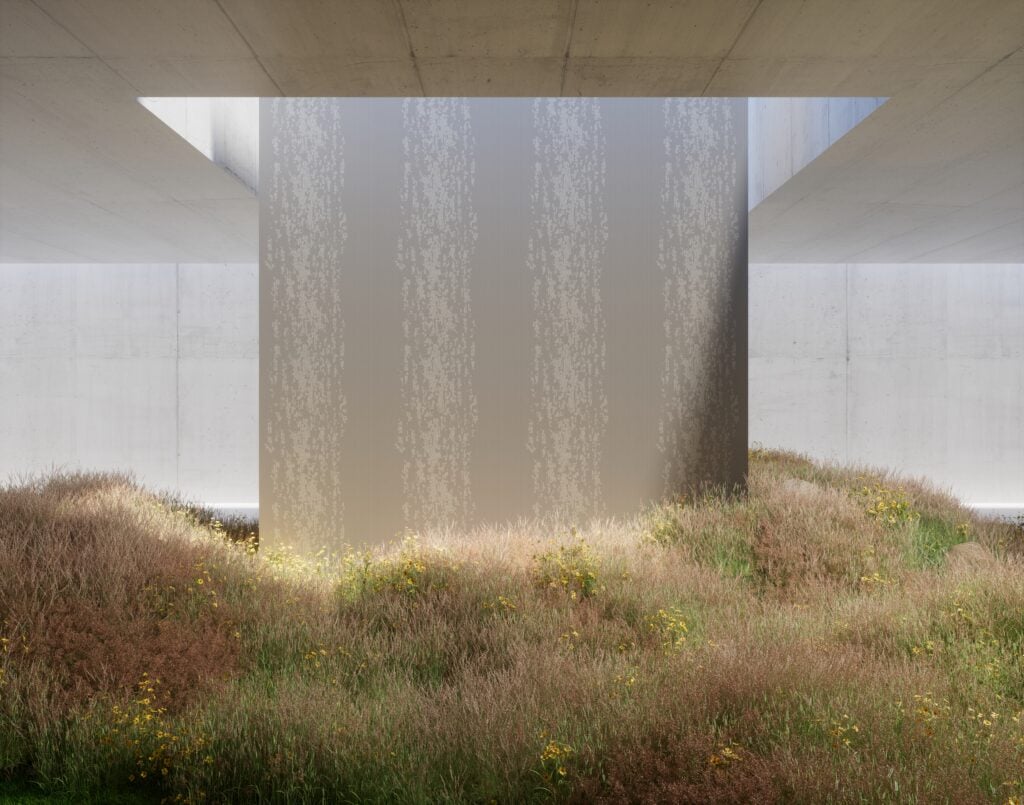
Fractals: Nature’s Healing Patterns in Design
Dr. Richard Taylor, Anastasija and Martin Lesjak share how bringing nature’s complexity into the built environment reduces stress and supports well-being.

03 Reinforcing and Integrating Design Interventions
Biophilic design requires reinforcing and integrating design interventions that connect with the overall setting or space. The optimal functioning of all organisms depends on immersion within habitats where the various elements comprise a complementary, reinforcing, and interconnected whole. Exposures to nature within a disconnected space – such as an isolated plant or an out of context picture or a natural material at variance with other dominant spatial features – is NOT effective biophilic design.
Projects
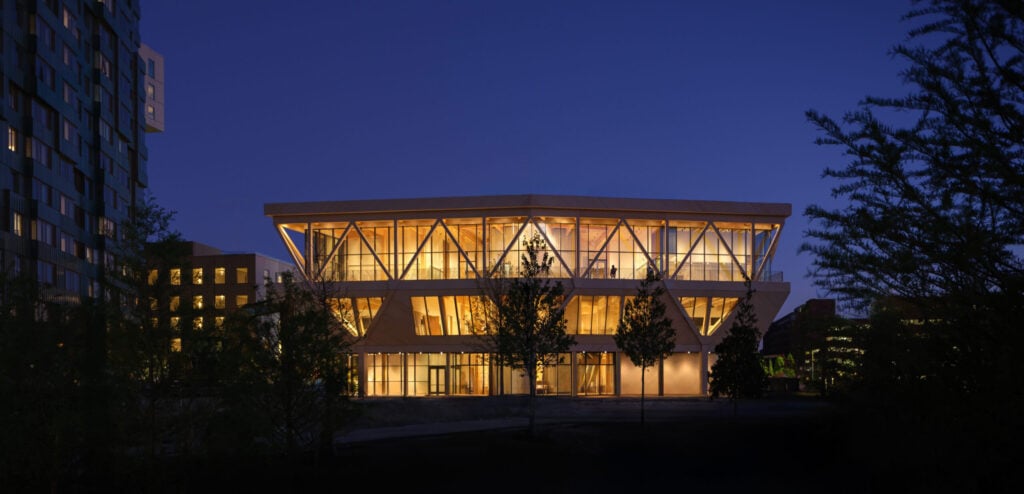
Jeanne Gang on Harvard’s New Rubenstein Treehouse
The architect unpacks how material, structure, and openness converge in the university’s first mass timber building.
Projects
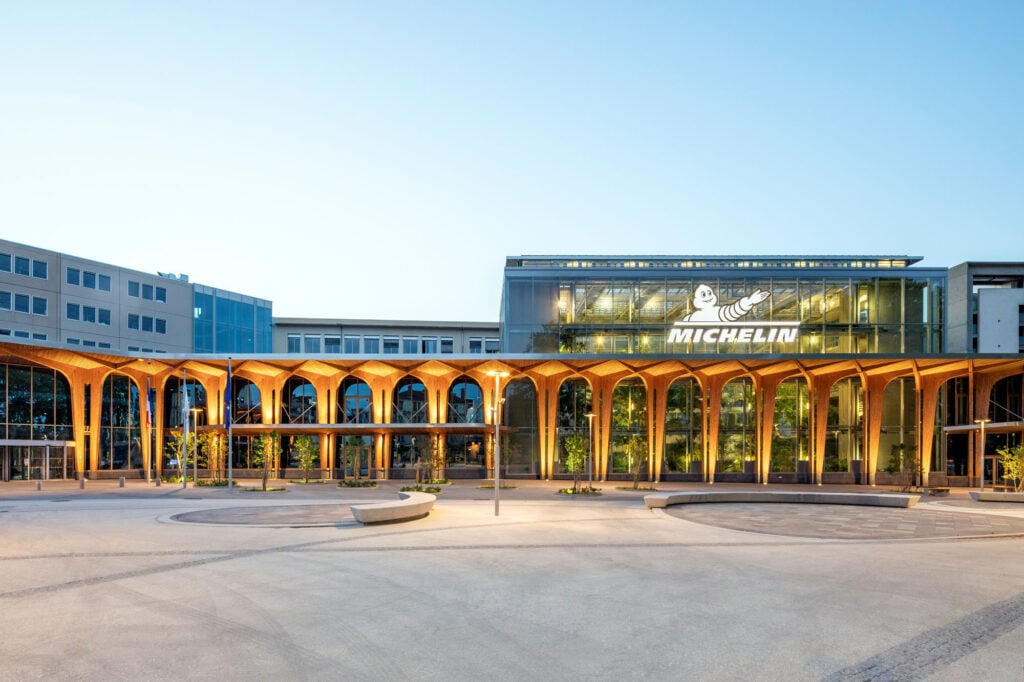
Michelin’s Updated Headquarters Gets a Biophilic Entrance
The global tire giant emphasizes a more sustainable future—and a material past—with a headquarters renovation that uses local materials and exotic plants.
Projects
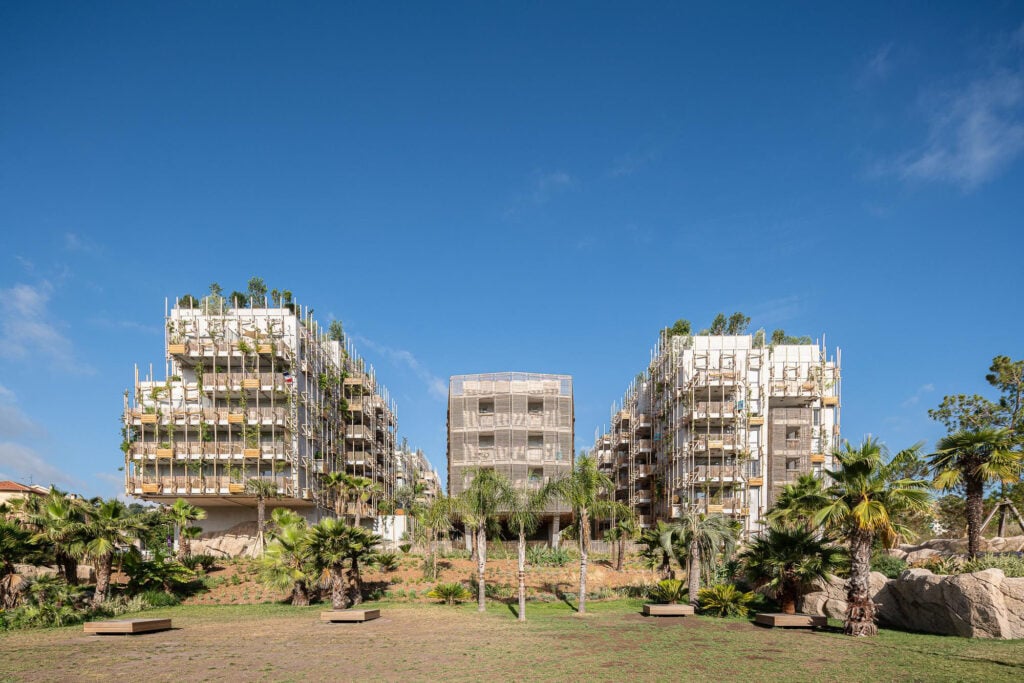
In France, a New Neighborhood Is Part of the Adjacent Park—or Is it the Other Way Around?
Édouard François’s latest plant-clad building rises in Nice, France. Called Le Ray, the architect hopes it will point the way toward a greener way of building and living.
Projects
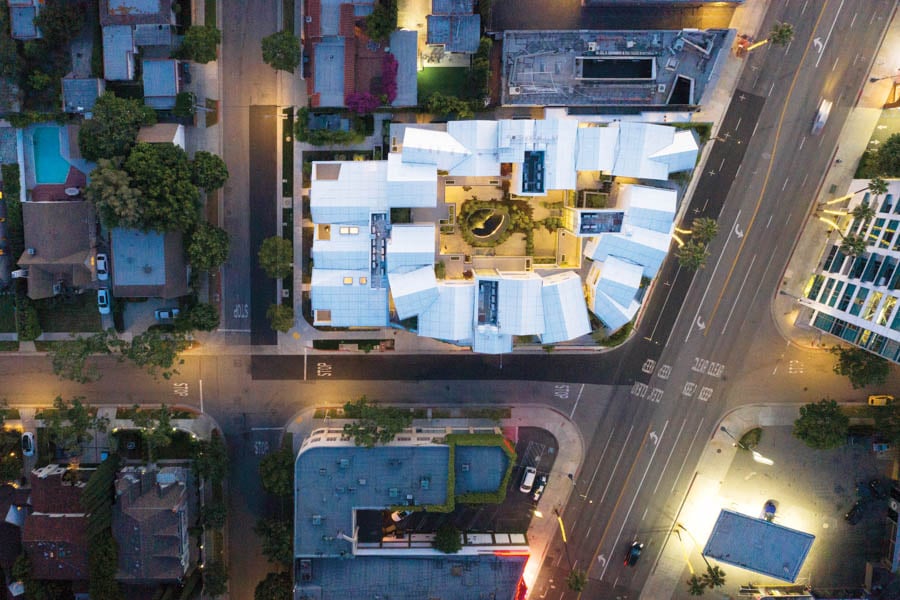
This Luxury Housing Concept is MAD Architects’ First U.S. Project
Located in Beverly Hills, Gardenhouse is intended to provide a bridge between city life and nature.

04 Emotional Attachments to Settings and Places
Biophilic design fosters emotional attachments to settings and places. By satisfying our inherent inclination to affiliate with nature, biophilic design engenders an emotional attachment to particular spaces and places. These emotional attachments motivate people’s performance and productivity, and prompt us to identify with and sustain the places we inhabit.
Projects
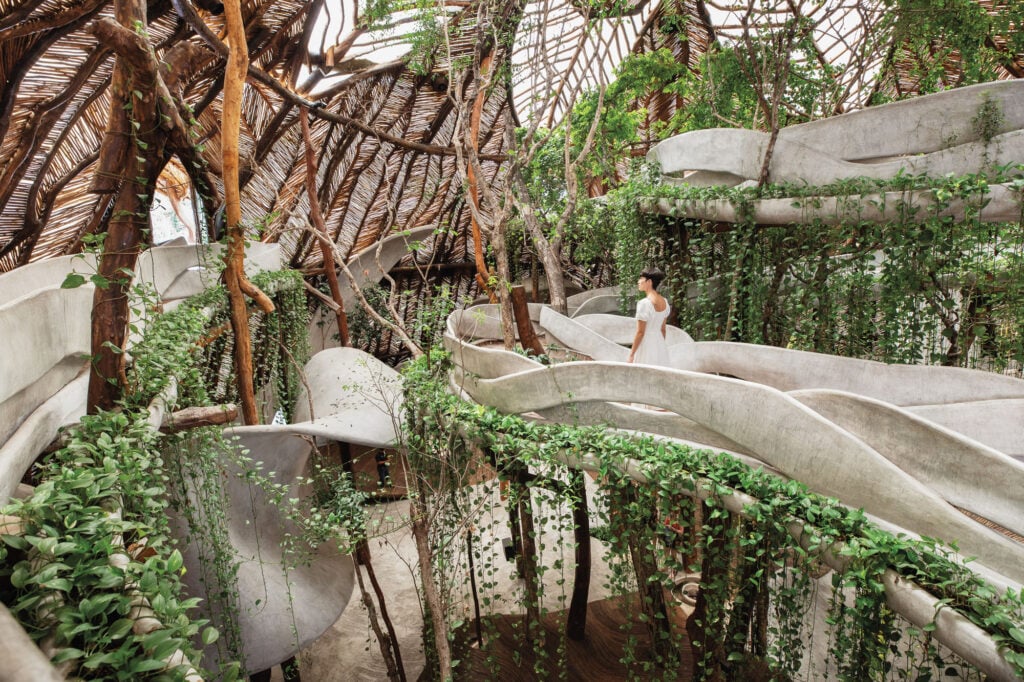
Outside Tulum SFER IK Shakes up the Familiar Museum Model
Deep in the Mayan jungle, the cultural center contains literally no flat floors or ceilings, and is made primarily of local timber, living trees, and vines.
Projects
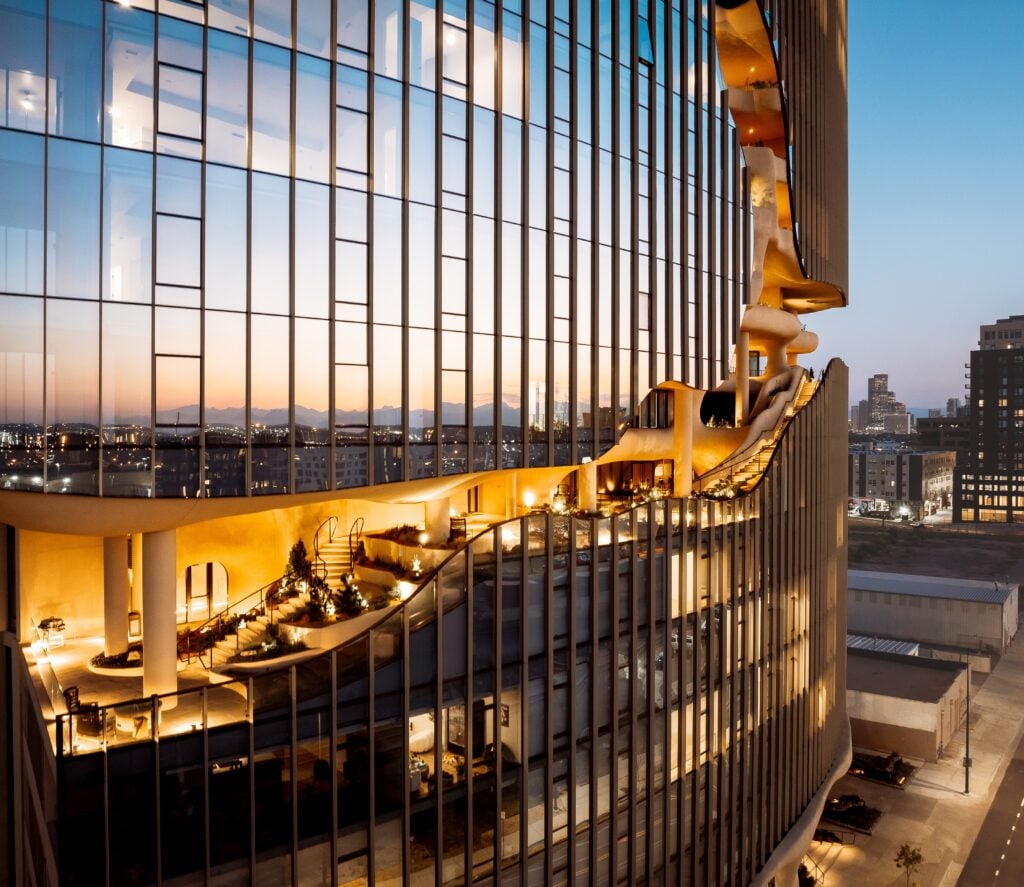
One River North is Denver’s New Nod to Biophilia
MAD Architects inserted a four-story canyon of landscaped terraces into a slick mixed-use development.

Projects
Dining in a Garden 56 Stories Above Mexico City
Sordo Madaleno’s design for the restaurant Ling Ling combines traditional Mexican architecture with rich biophilic touches.

Projects
Carlo Ratti Renovates a Farmhouse Around a 33-Foot-Tall Ficus
Rarely one to take on a residential project, Ratti made an exception for this converted farmhouse and granary in Parma, Italy, called Greenary.

05 Positive and sustained interactions and relationships
Biophilic design fosters positive and sustained interactions and relationships among people and the natural environment. Humans are a deeply social species whose security and productivity depends on positive interactions within a spatial context. Effective biophilic design fosters connections between people and their environment, enhancing feelings of relationship, and a sense of membership in a meaningful community.
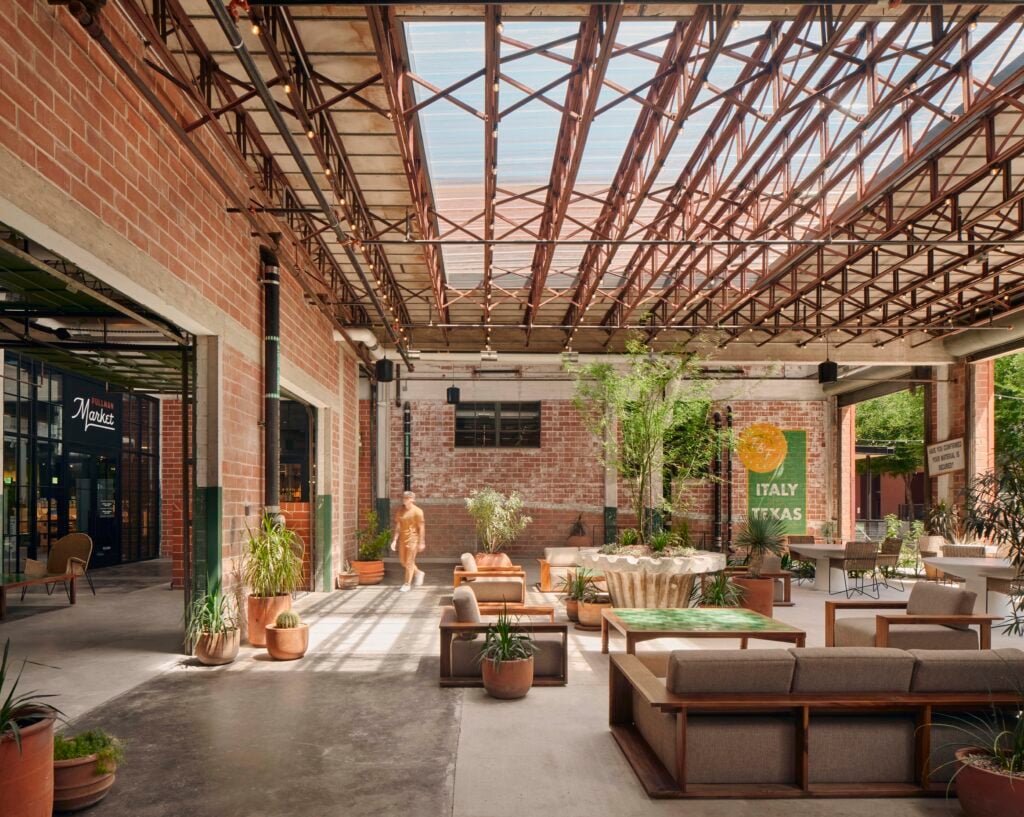
Projects
A San Antonio Market Pairs Sustainable Agriculture With Biophilic Design
The adaptive reuse market designed by Clayton Korte and Emmer & Rye Hospitality Group aims to create a sensory (and low waste) grocery experience.
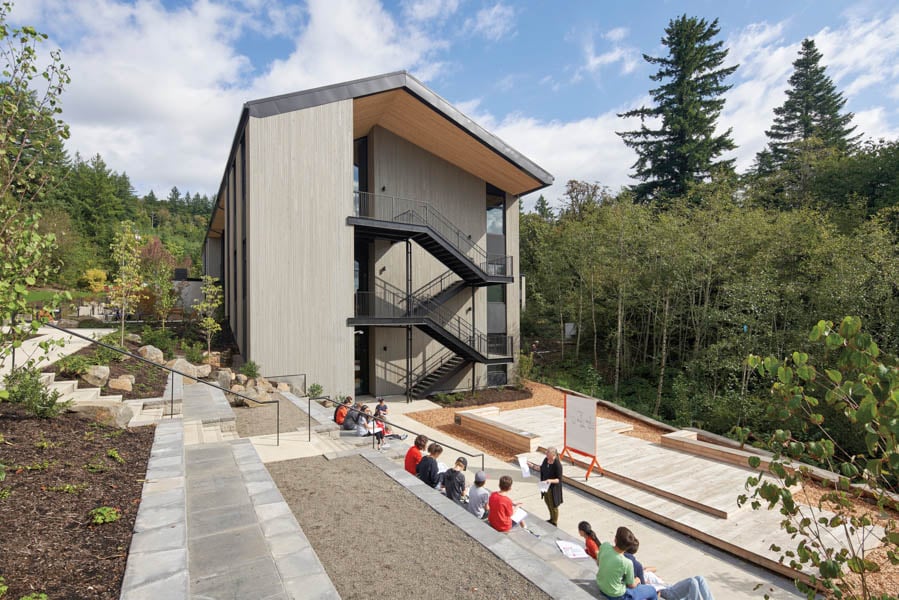
Projects
How Hacker Architects Put a Middle School on the Path to Net Zero
The Gilkey International Middle School in Portland, Oregon, makes the most of its forest site, harnessing natural light, fresh air, and biophilia.
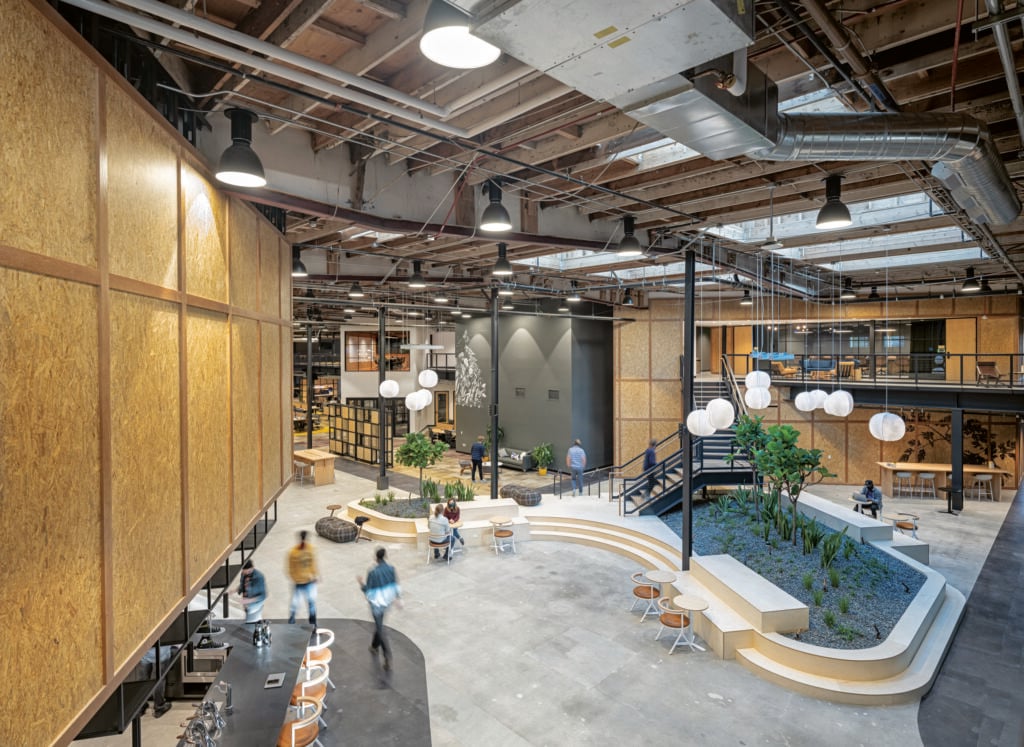
Projects
A Santa Monica Headquarters by RIOS Supports Hybridized Work Routines
For tech company GoodRx, the Los Angeles–based firm designed a 76,000-square-foot HQ filled with flexible workspaces and biophilic design elements.
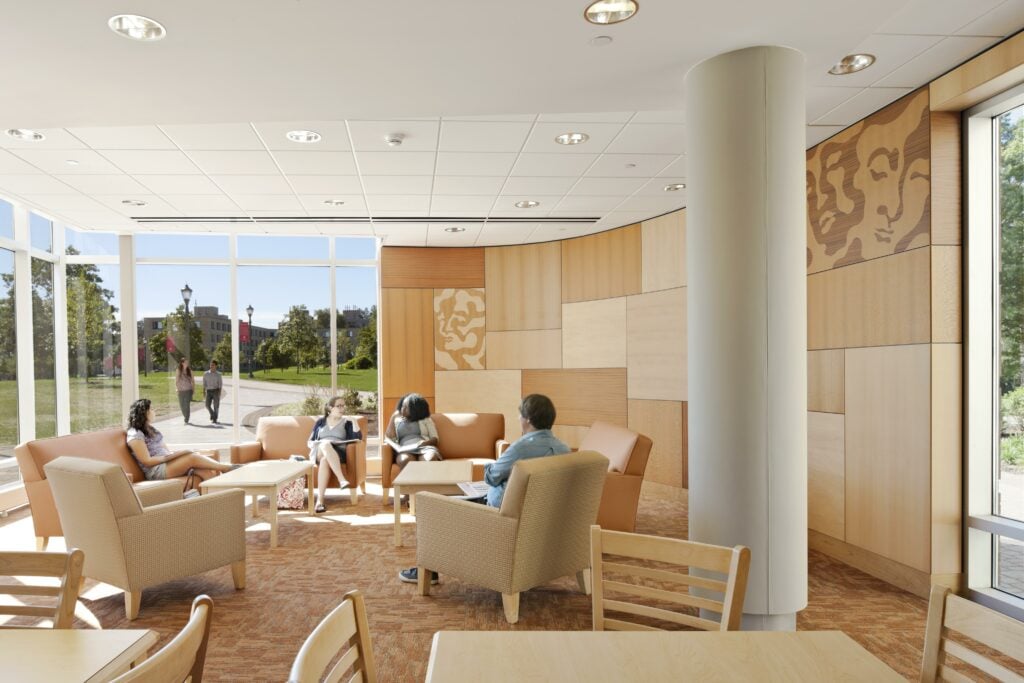
Projects
Nature, Art, and Beauty: Antidotes to Everyday Traumas
Beyond the visible, or how the visual can humanize our institutions

Unfortunately, modern society has insufficiently supported the human need to affiliate with nature, erecting various obstacles to the satisfying experience of the natural world, often treating nature as simply raw material to be transformed through technology or a nice but NOT necessary recreational and aesthetic amenity. This increasing separation from nature is reflected in much of our modern agriculture, manufacturing, education, healthcare, urban development, and architectural design.
The modern assumption that humans no longer need to affiliate with nature is revealed in the widespread practice of placing people in sensory deprived and artificial settings such as office buildings, hospitals, schools, shopping centers–with little if any contact with natural forces and stimuli. Much of today’s built environment is designed lacking adequate natural light, natural ventilation, natural materials, vegetation, views, environmental shapes and forms, and other evolved affinities for the natural world. In many ways, these structures remind us of the barren sensory-deprived cages of the old-style zoo, now ironically banned as “inhumane.” We are just beginning to find that these environmentally impoverished habitats foster fatigue, symptoms of disease, and impaired performance, and the simple introduction of natural lighting, outside views, and vegetation can result in enhanced health and productivity.
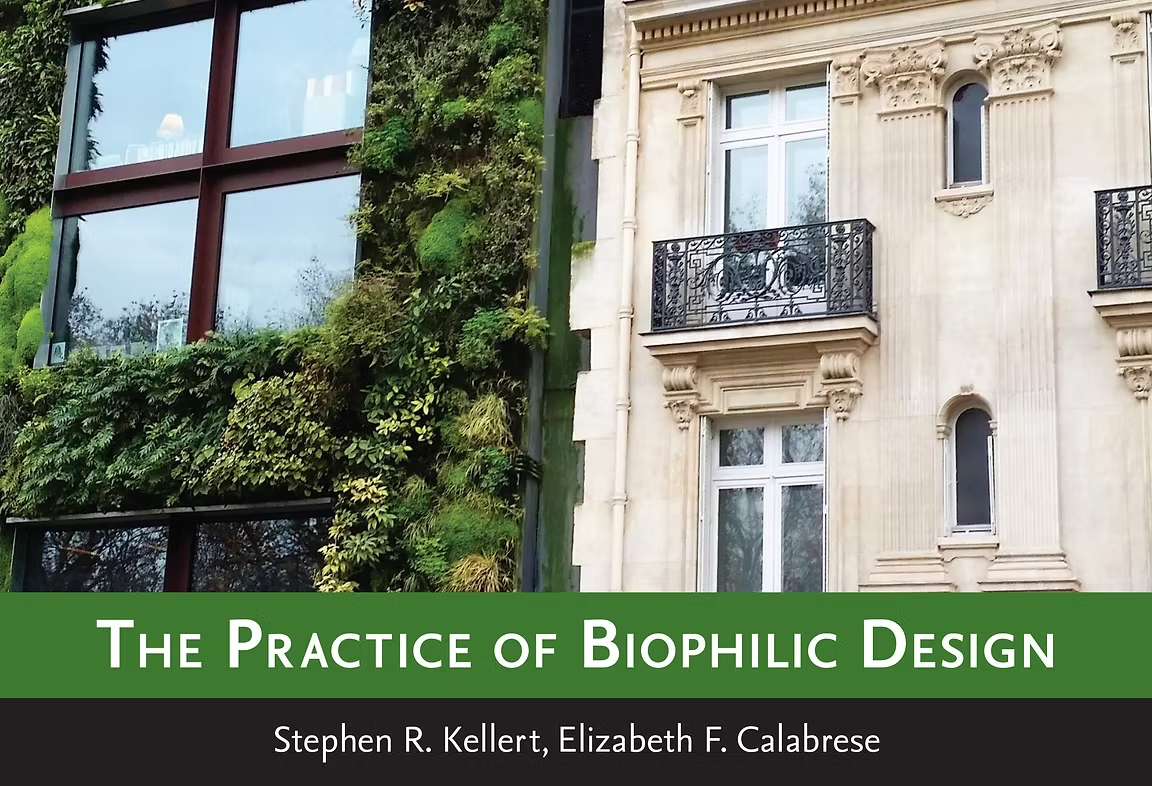
The fundamental challenge of biophilic design is to address these deficiencies in the modern built environment by initiating a new framework for the beneficial occurrence of nature. The effective application of biophilia begins with adhering to the previously described basic principles. From there, particular practices of biophilic design can be employed to help implement positive and beneficial outcomes. These applications of biophilia are listed below, although more detailed descriptions can be found in Kellert and Calabrese, The Practice of Biophilic Design:
THREE IMPACTFUL APPLICATIONS OF BIOPHILIC DESIGN

01 Direct Experience of Nature
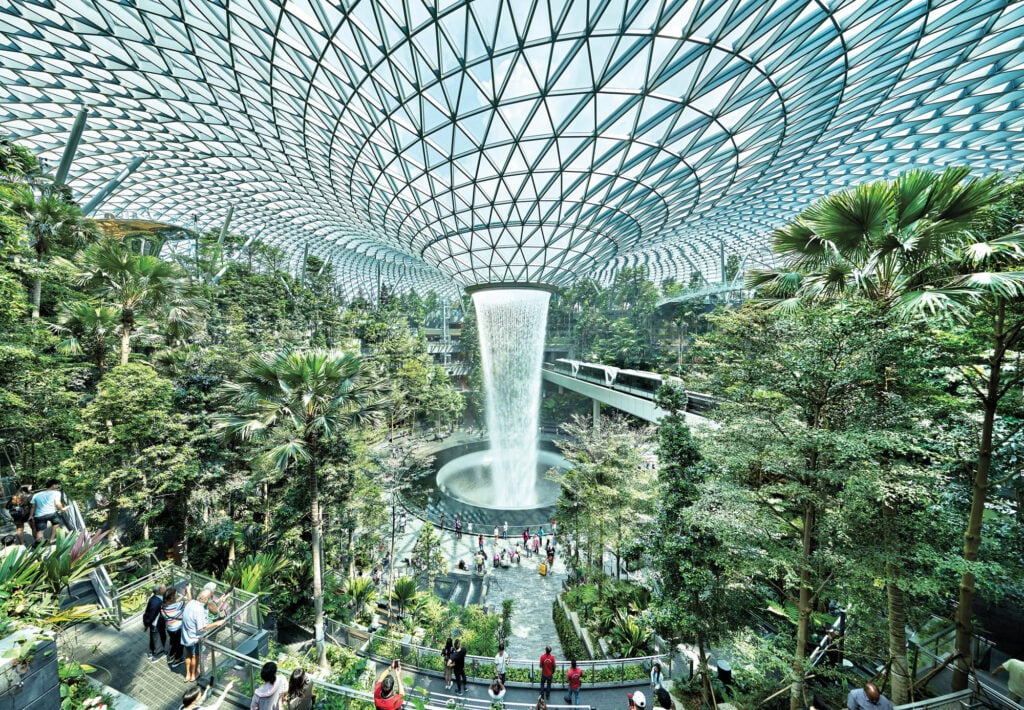
Spaces that allow direct experience of Light, Air, Water, Plants, Animals, Weather, and Natural Landscapes and Ecosystems
Profiles
Moshe Safdie Is Architecture’s Constant Gardener
At 84, the visionary designer is still evolving architecture’s capacity to build habitats for all living things.

Projects
Two Former USPS Facilities Now Have Massive Rooftop Gardens
The adaptive reuse of Postal Service facilities in Manhattan and Chicago include rooftop gardens bigger than many of these cities’ more famous parks.

Projects
KANVA Completes an Airy Redesign of Montreal’s Biodome
Building systems complement ecosystems in an airy, energy-efficient transformation that balances the needs of visitors and animals.
Projects
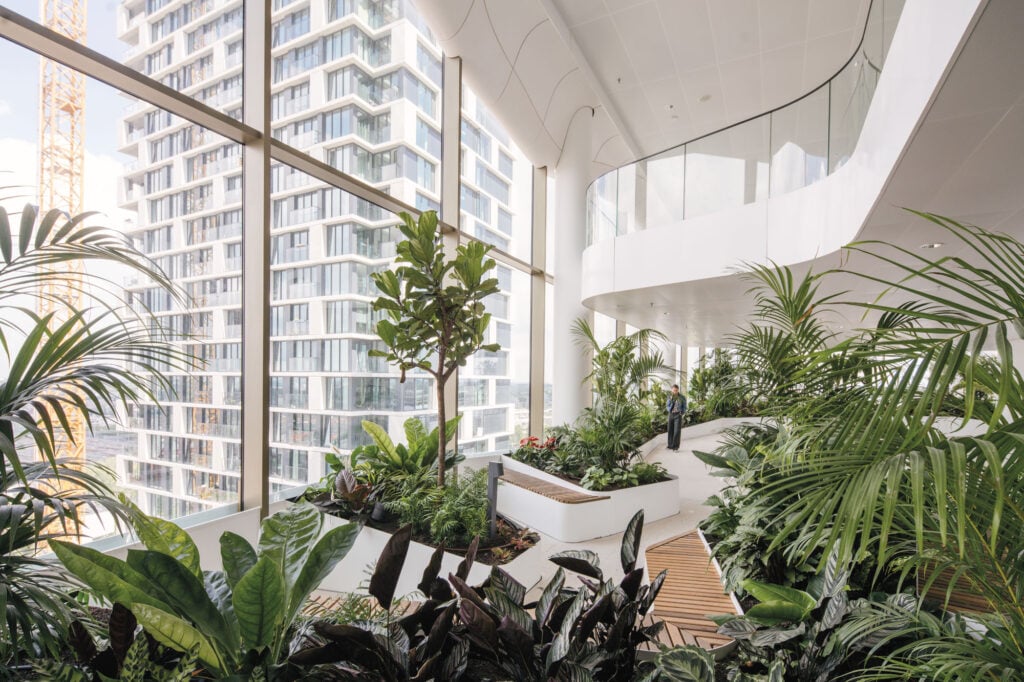
A Botanical Wonderland Takes Root in an Utrecht Office Building
A collaboration between MOSS, Group A architects, and developers Angelo Gordon and APF, the surreal indoor landscape serves tenants like McDonald’s.

02 Indirect Experience of Nature
Nature represented by these elements: Images of Nature, Natural Materials, Natural Colors, Mobility and Wayfinding, Cultural and, Ecological Attachment to Place, Simulating Natural Light and Air, Naturalistic Shapes and Forms, Evoking Nature, Information Richness, Natural Geometries, Biomimicry, and Age, Change, and the Patina of Time
Projects
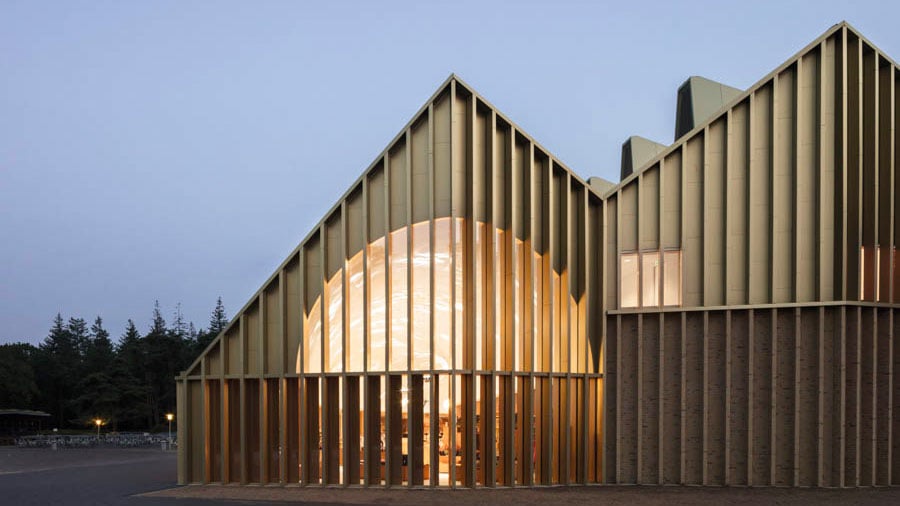
A Pavilion Where Lighting Mimics Branches, Leaves—and Chipmunks
For this structure in a Dutch national park—the next installment in our lighting portfolio—designers used projections that appear to float on the breeze.
Projects
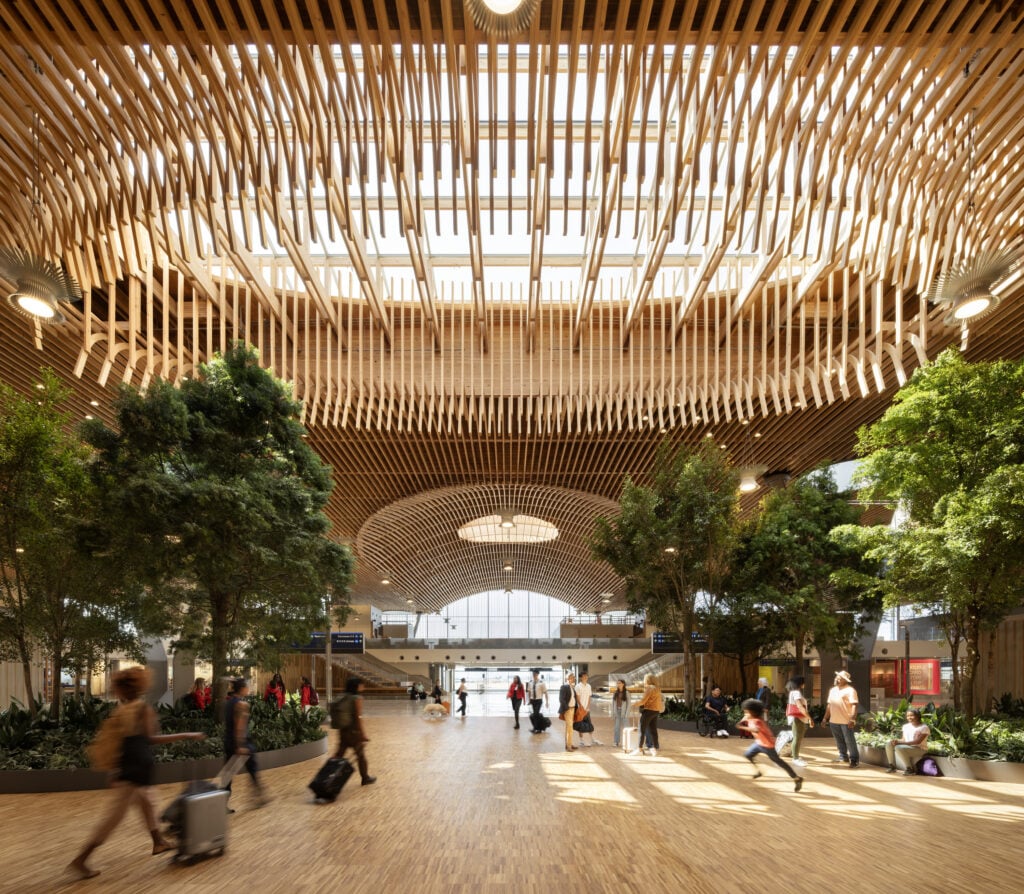
Forest to Frame: Why Portland’s Airport is a New Milestone for Mass Timber
Beneath a nine-acre prefab wood roof and dozens of skylights, PDX’s tree-lined terminal designed by ZGF Architects is a marvel of material sourcing and construction.
Projects
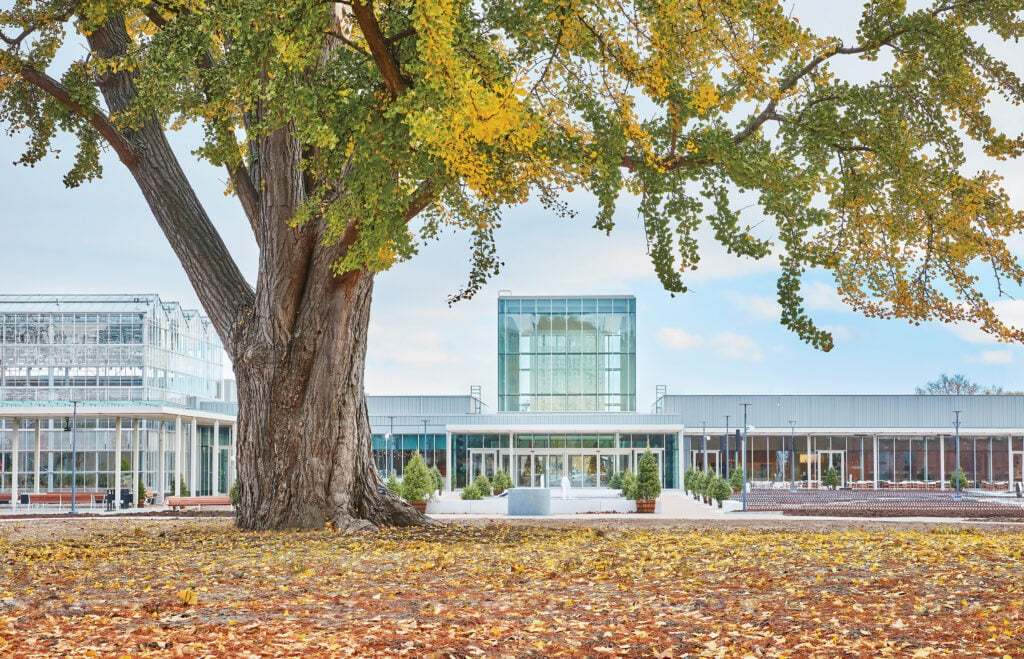
This Botanical Garden’s New Addition Is as Subtle as Light and Shadow
Whispers of texture and nature pull visitors through the Missouri Botanical Garden’s new visitor center and into the landscape beyond.

Viewpoints
The Denver Art Museum Explores Nature’s Eternal Sway over Architecture and Design
Biophilia: Nature Reimagined brings together 70 works that explore the relationship between nature and creativity.

03 Experience of Space and Place
Biophilia can also be achieved through these approaches: Prospect and Refuge, Organized Complexity, Integration of Parts to Wholes, and Transitional Spaces
Projects
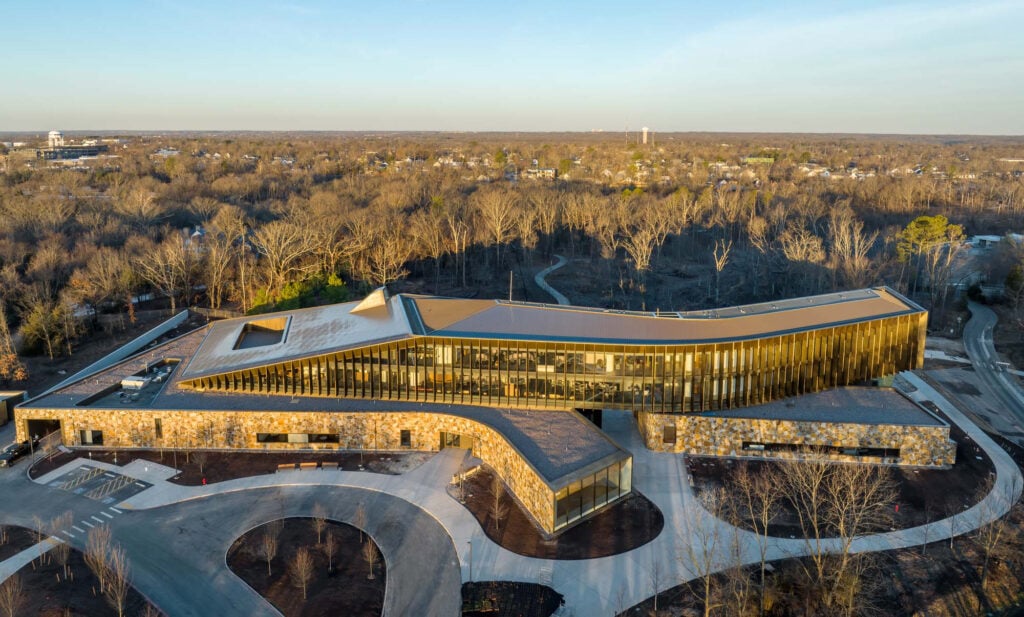
This Arkansas Institute Brings a Holistic Vision to Health-Care Design
Designed by Marlon Blackwell Architects, Heartland Whole Health Institute weaves together nature, wellness, and architecture to reimagine how we care for the body and mind.
Profiles
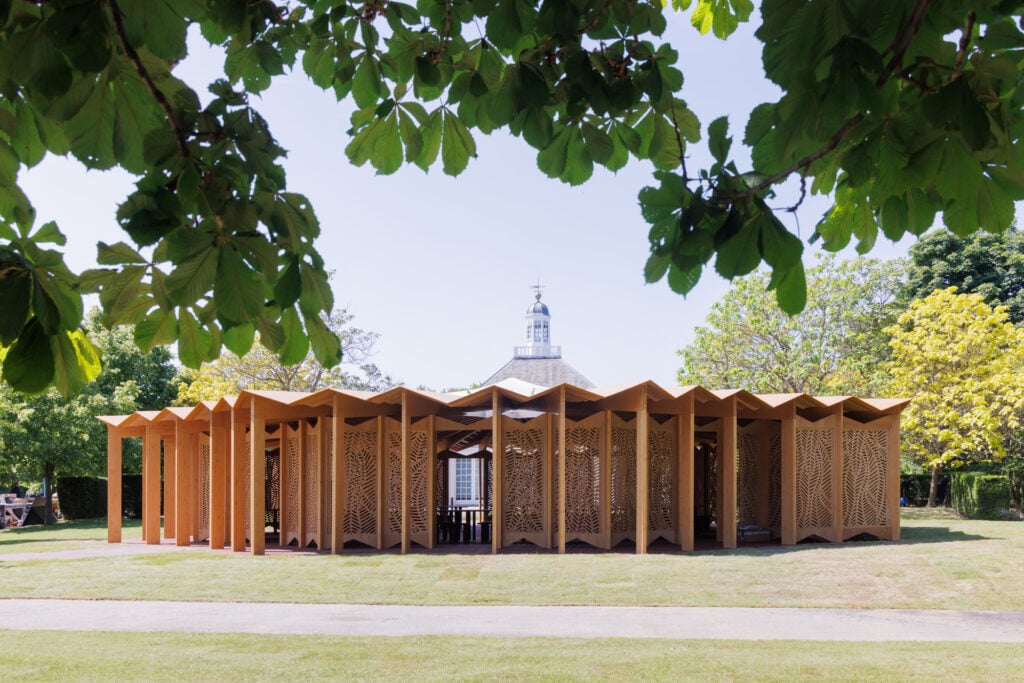
Lina Ghotmeh Connects Space and Time Through Porosity
The Lebanese-born architect’s cultural projects play on spatial porosity to weave a thread between the past and the future.

Projects
Architect Jim Olson on How Nature Inspires His Designs
In a new book, the founding principal of Seattle-based Olson Kundig showcases twenty five of his projects from the last ten years.
Projects
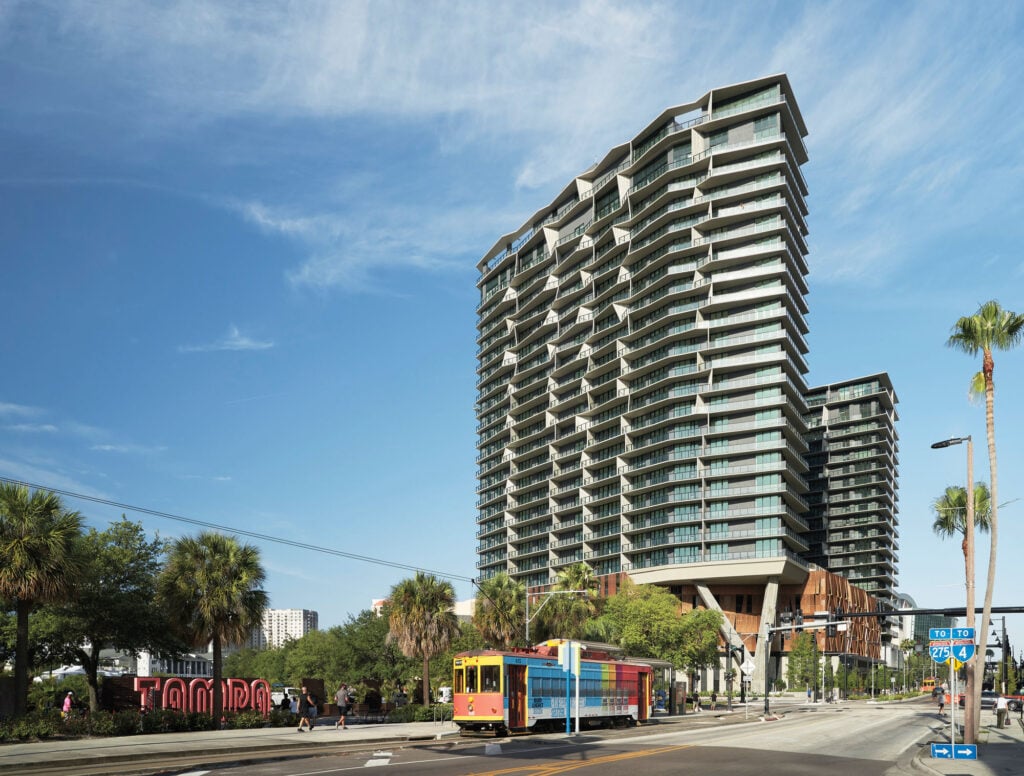
In Tampa, KPF’s Heron Residence Is a Balm to Residents and Planet
Located on the Tampa waterfront in the world’s first WELL-certified neighborhood, there’s more to Heron than the angular balconies that first meet the eye.
Biophilic Design Exchange
Solutions from METROPOLIS partners that take a biophilic design approach and support our connection to nature
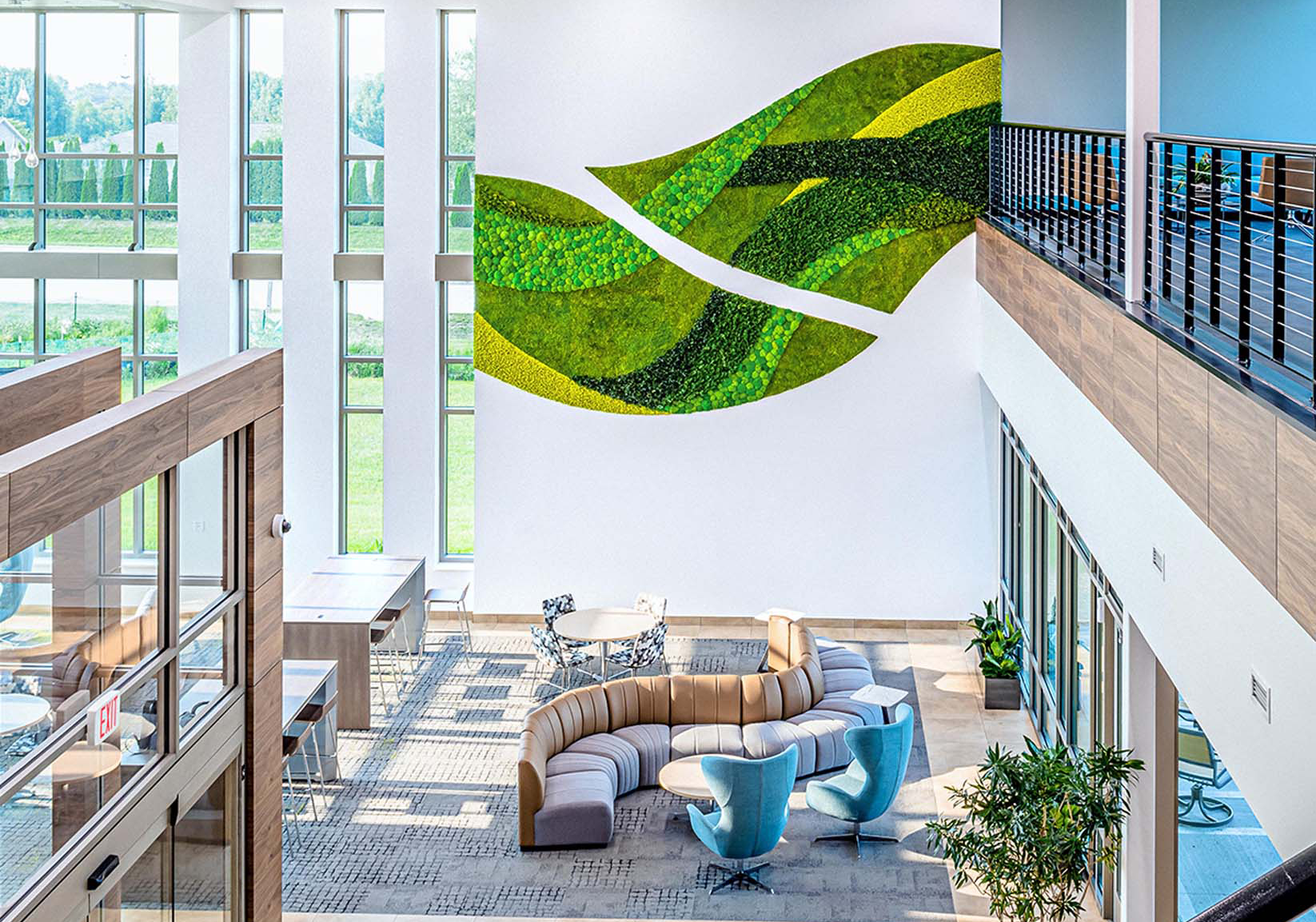
Programs
How Preserved Nature Is Transforming Interiors
Garden on the Wall®’s preserved garden and planting systems are a low-maintenance, high-impact solution for commercial spaces.
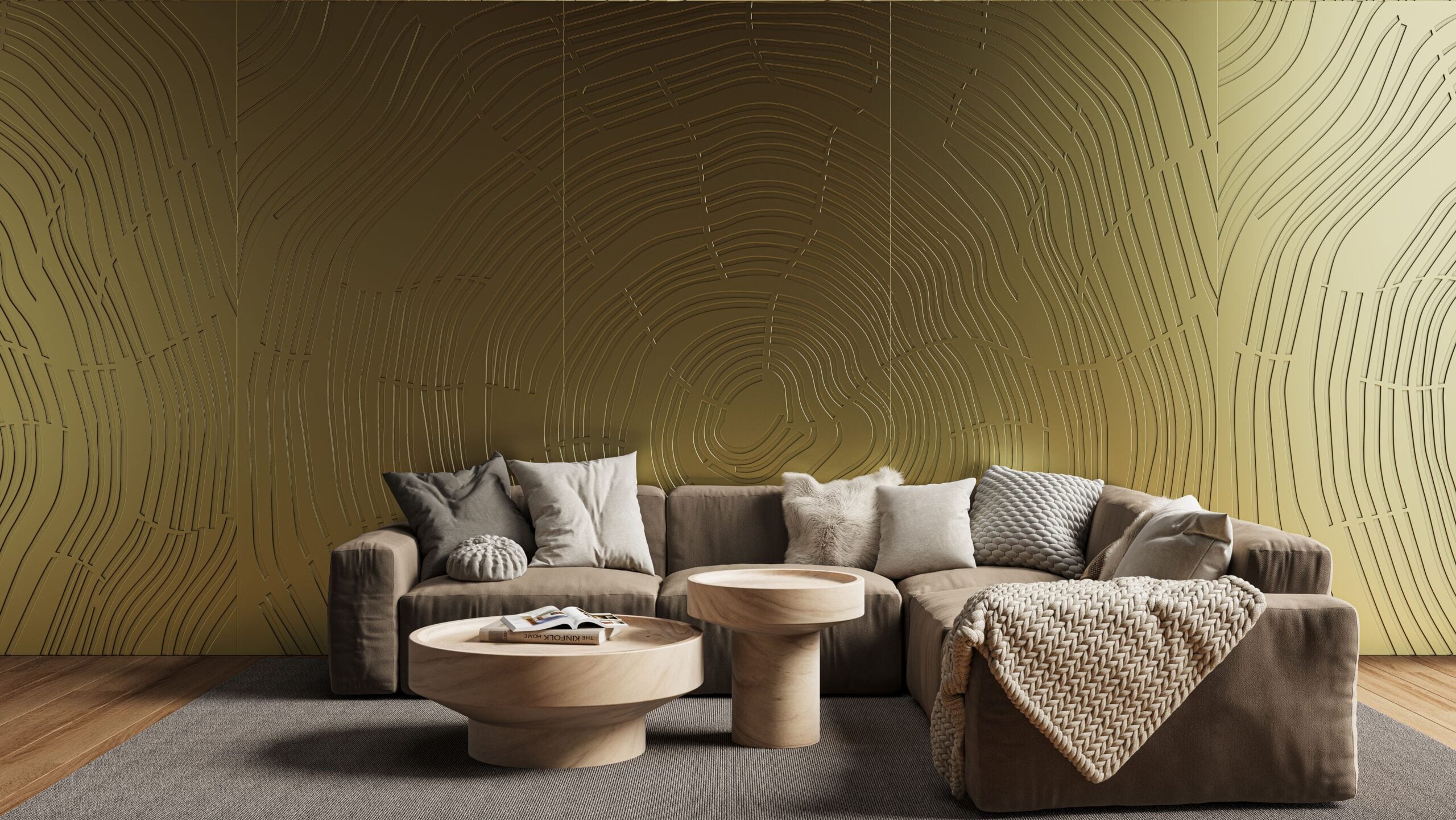
Programs
Weaving Nature’s Visual Language into Built Environments
Three B+N product collections answer the growing demand for natural elements in high-traffic spaces.
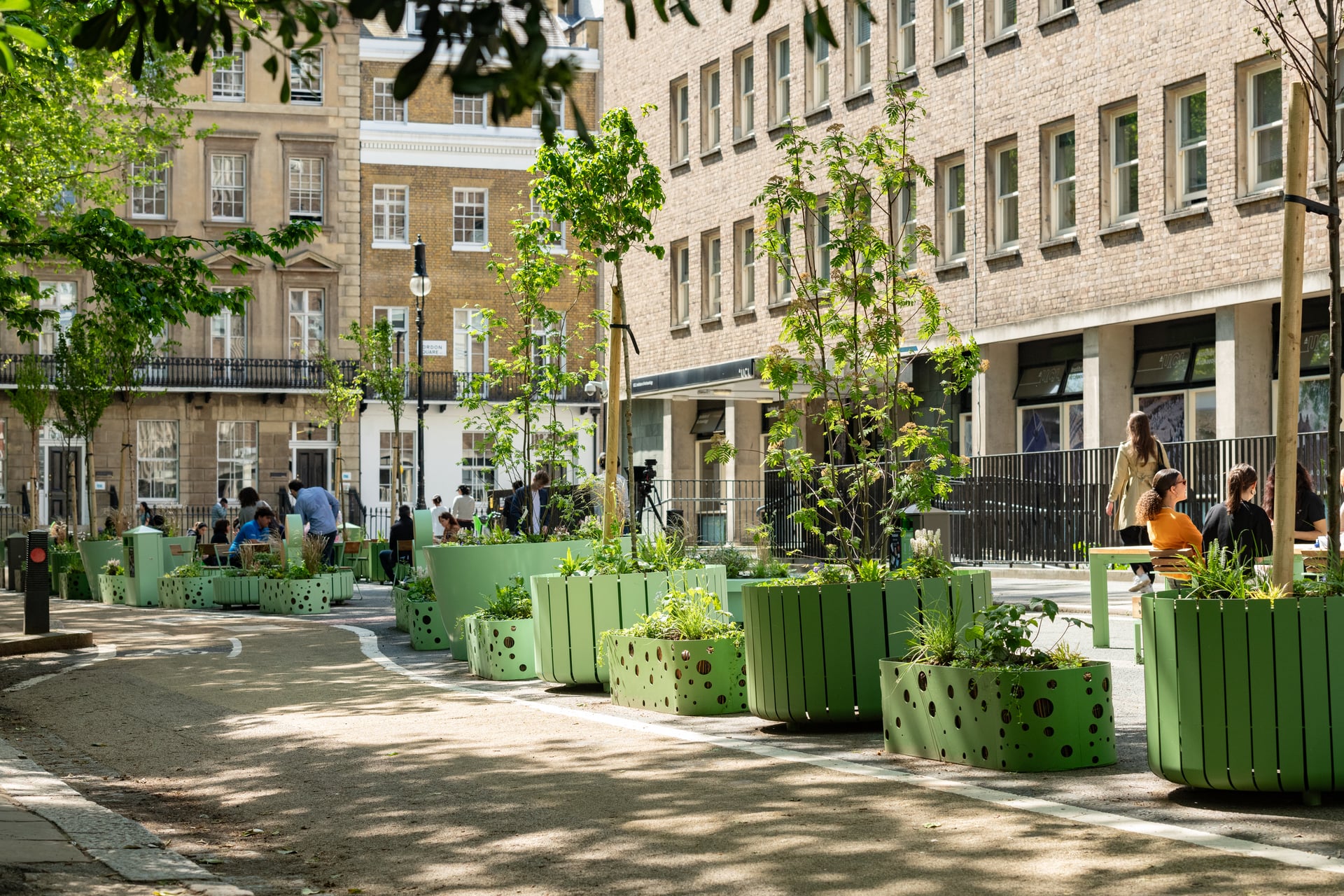
Programs
Bringing Nature and People Together in Joyful Outdoor Spaces
Norwegian furniture company Vestre expands the idea of biophilic design with furniture collections that foster thriving ecosystems and vibrant communities.
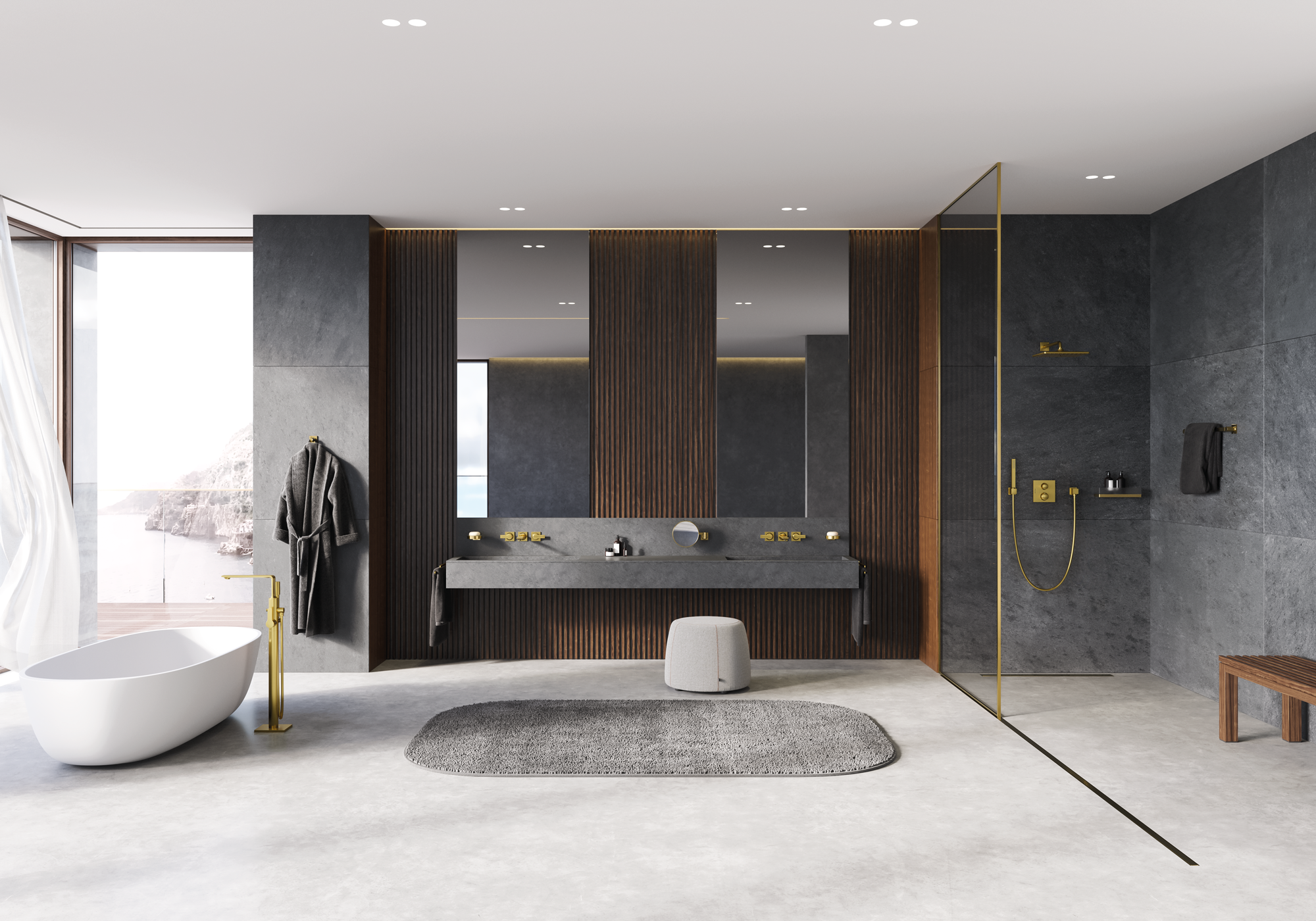
Programs
Redefining the Bathroom as a Sanctuary of Wellness
Blending luxury with sustainability, GROHE SPA creates water experiences that nurture body and mind.
Programs
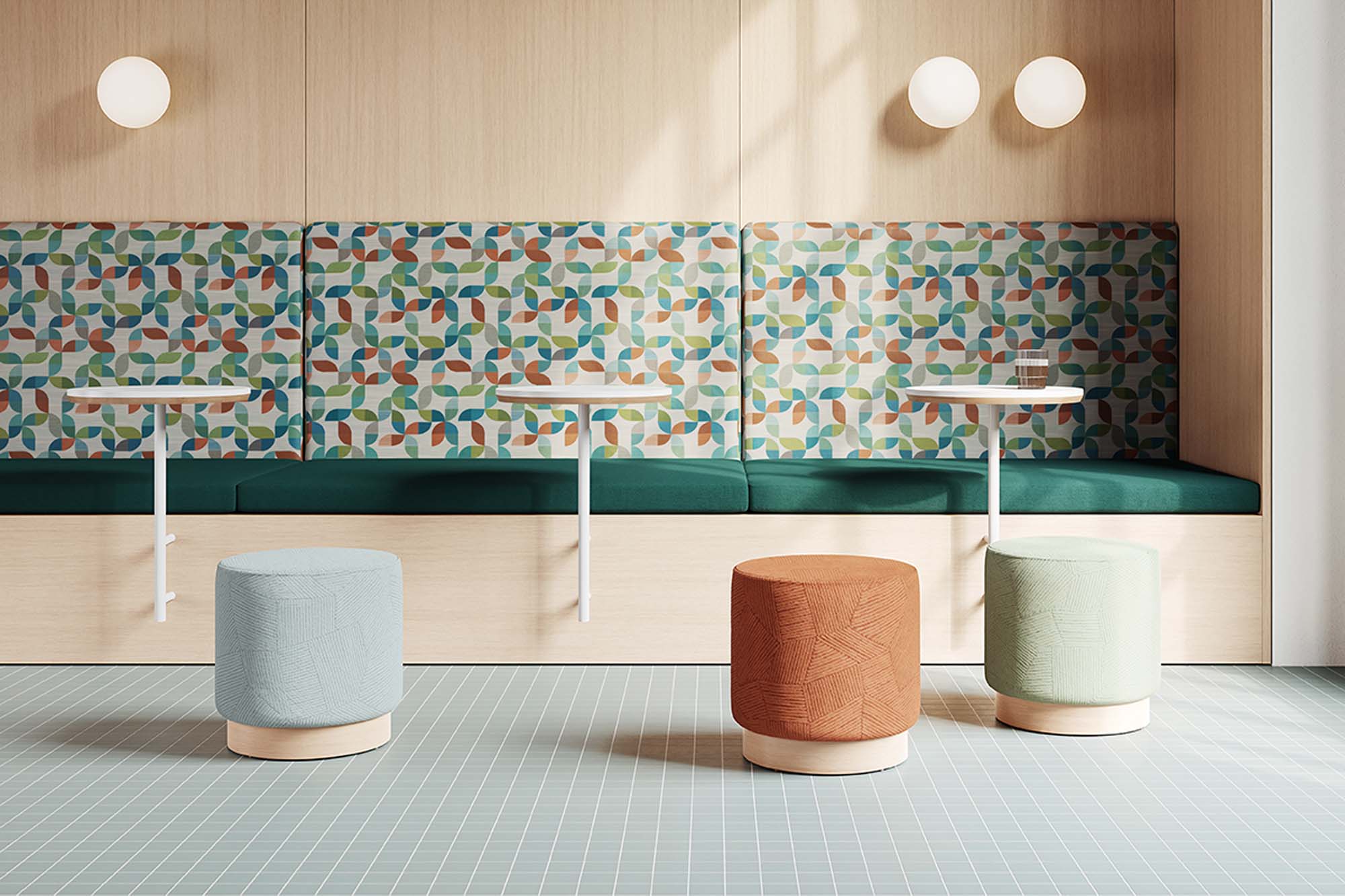
How Designtex Integrates Biophilia Into Every Surface
The manufacturer’s research-driven approach blends biophilic principles, neuroaesthetics, and material innovation to shape environments that support well-being.
Viewpoints
What’s Next in Biophilic Design?
What began as a movement to “bring the outdoors in” has evolved into a sophisticated discipline that blends neuroscience, sustainability, and multisensory design.
Read MoreMORE RESOURCES ON BIOPHILIC DESIGN

Profile
Remembering Stephen Kellert

Would you like to comment on this article? Send your thoughts to: [email protected]