




December 30, 2025
21 METROPOLIS Must-Reads to Kickstart 2026
Architectural Visionaries
Throughout 2025, METROPOLIS contributors spent time with some of the most brilliant minds working in the built environment today. And each time, our writers tried to find the central motivation that drives these original doers.
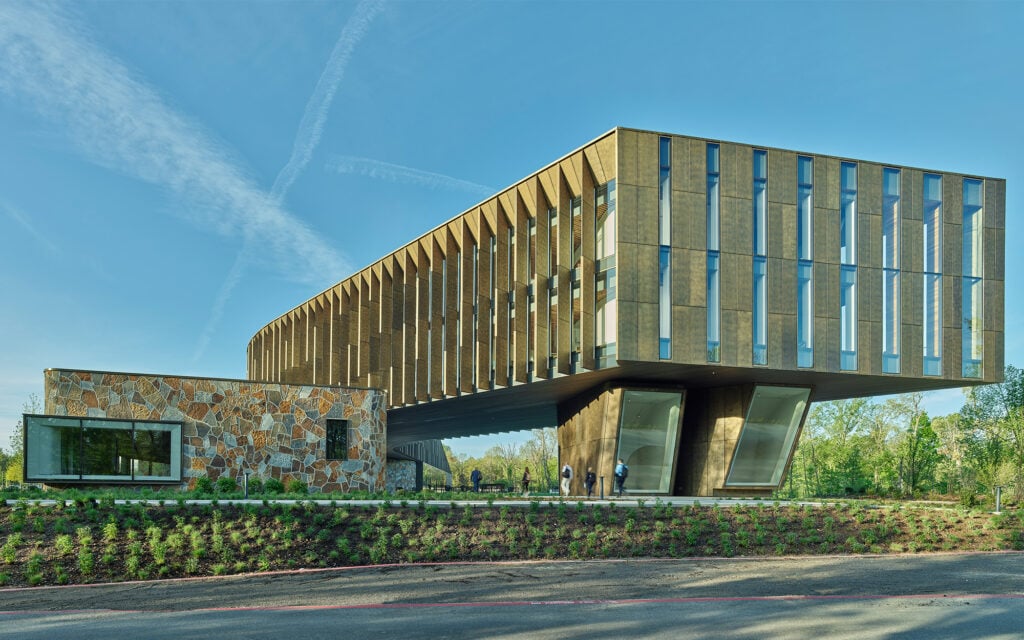
✦ “We are sort of committed to re-creating strangeness in a wonderful way,” Marlon Blackwell said to me, and it struck me as both singularly true of his firm’s work and a novel agenda for architecture, somewhere between hedonistic consumption and constrained rationalism.
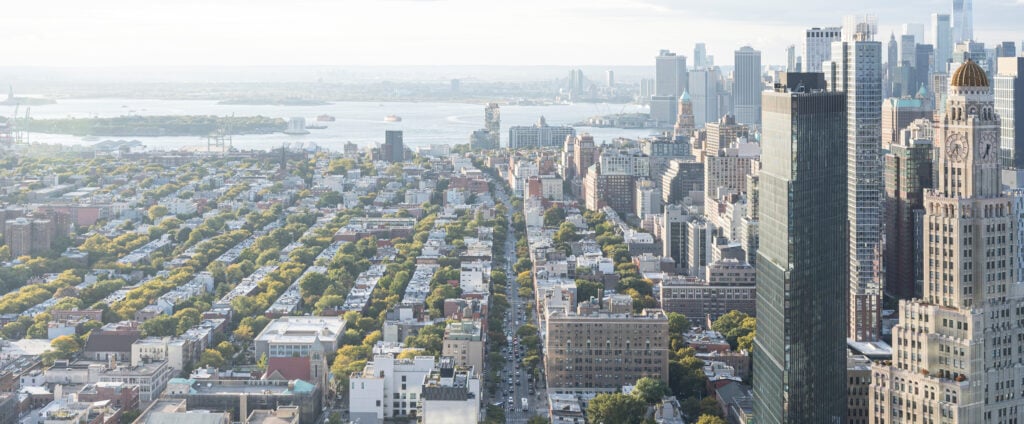
✦ AJ Pires, cofounder of the development firm Alloy claimed to Diana Budds that his company’s mission was, “very narrow and provincial, which is to make Brooklyn beautiful, sustainable, and equitable.” Alloy builds slick buildings, yes, but the company is revolutionary in how it navigates incentives, policies, and the pragmatism of real estate to produce extraordinary results that are not always visible to the passing glance.
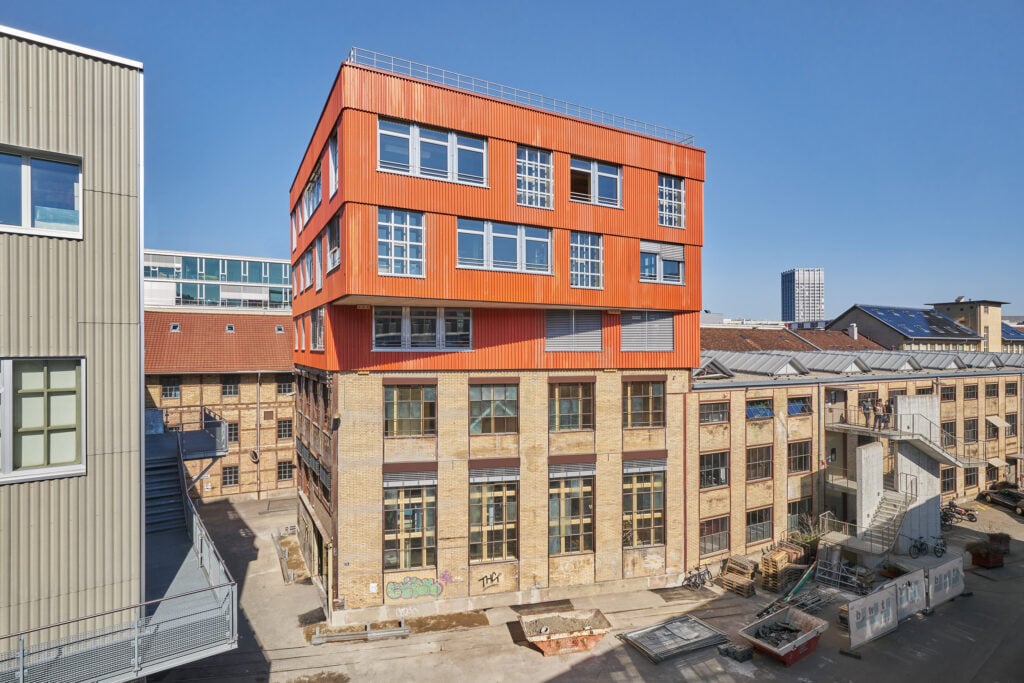
✦ Swiss architect Barbara Buser‘s collaged constructions, on the other hand, look revolutionary, but their raison d’etre is radically simple: “I’m against waste. So, my whole professional life has been fighting waste in all kinds of ways,” Buser told Vera Sacchetti.
Profiles
How Alloy Aims to Decarbonize Real Estate
The developer behind New York City’s first all-electric skyscraper and first Passive House public school shows us what the building industry could be.
Profiles
How Barbara Buser Sparked a Reuse Revolution
After three decades of perfecting how to reclaim building components, the Swiss architect is changing the rules of construction in Basel.
Profiles
The Blackwell Philosophy Turns Sites into Statements
Synthesizing regional conventions with a myriad of other ideas, Marlon and Meryati Johari Blackwell create remarkable spaces and places.
Provocative Ideas
Are we overpromising and underdelivering with net-zero buildings? Do we need new tools and approaches to work with one of the fundamentally unique resources of our planet, water? And given that we aren’t doing a great job at balancing our energy needs or resource use after having built in a reckless extractive fashion for the last eight decades, should we build new buildings at all? METROPOLIS contributors and collaborators jumped in feet first to answer these questions.
✦ As the solar energy industry teetered this year, Anthony Brower gamely poked and prodded at the state of the Net-Zero movement.
✦ Timothy A. Schuler sought out research projects and urban proposals to understand what it would take to be good stewards of water systems, and came away flabbergasted at the scale of the effort needed to undo the harm and ruptures we have caused.
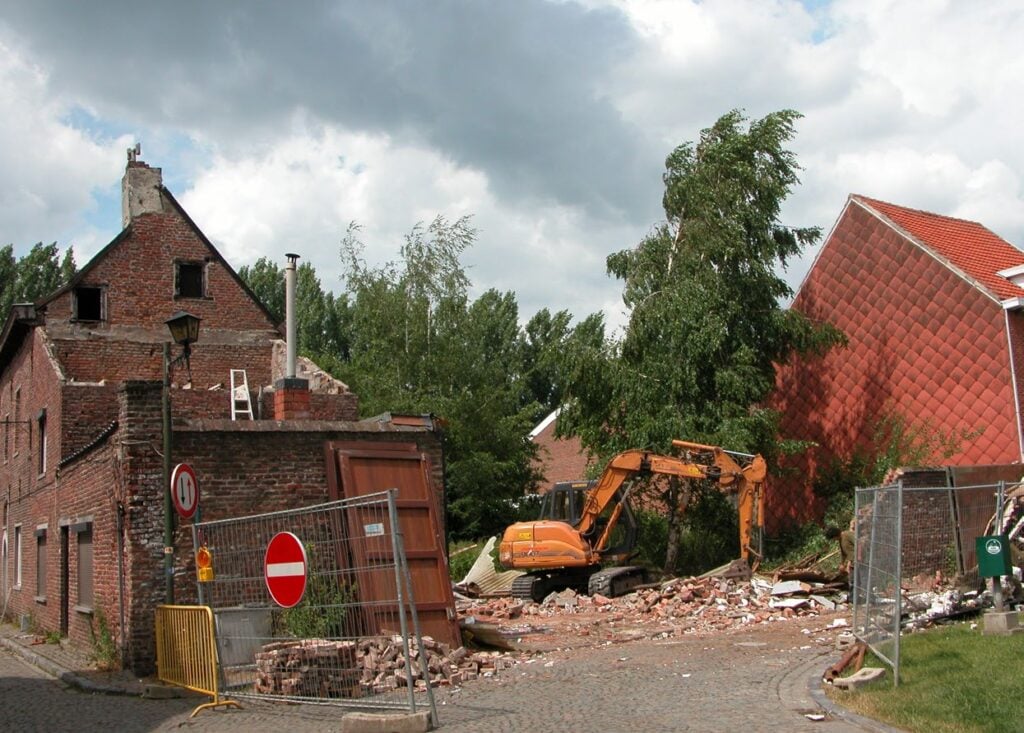
✦ Charlotte Maltherre-Barthes kindly allowed us to excerpt text from her provocative book, A Moratorium on New Construction (Sternberg Press, 2025), which richly deserves a full reading.
Viewpoints
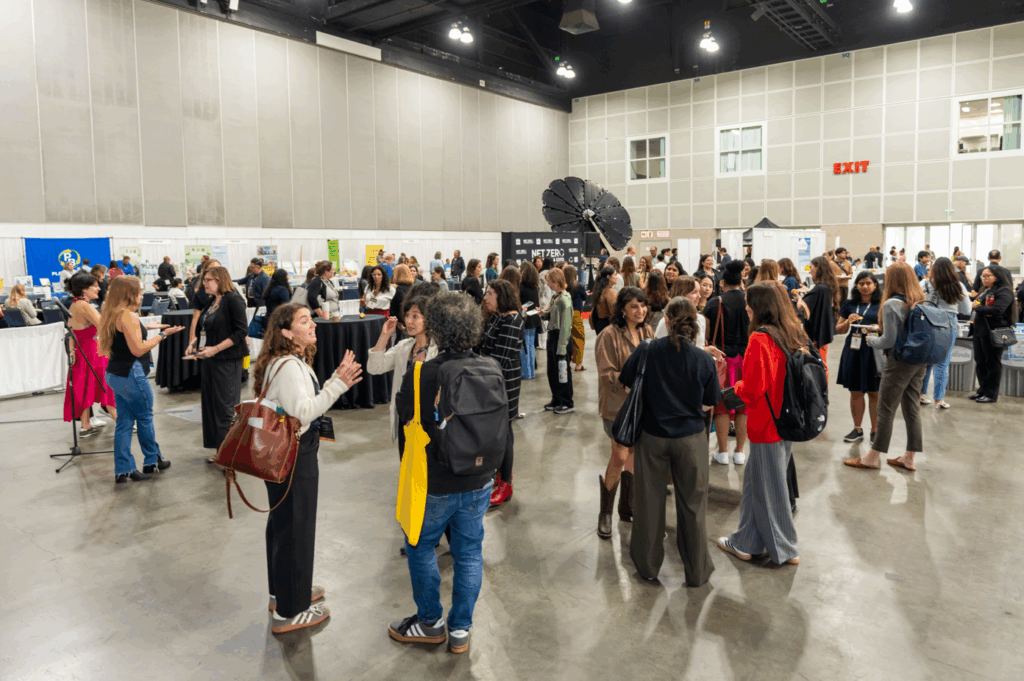
A Moratorium on New Construction
A new book calls for a global halt on new construction—reframing architecture’s value and impact in the face of climate and social crises.
Viewpoints
The End of Net Zero as We Know It
Architect and climate strategist Anthony Brower explains how the current language of Net Zero is a “good idea worn thin by its own optimism.”
Viewpoints
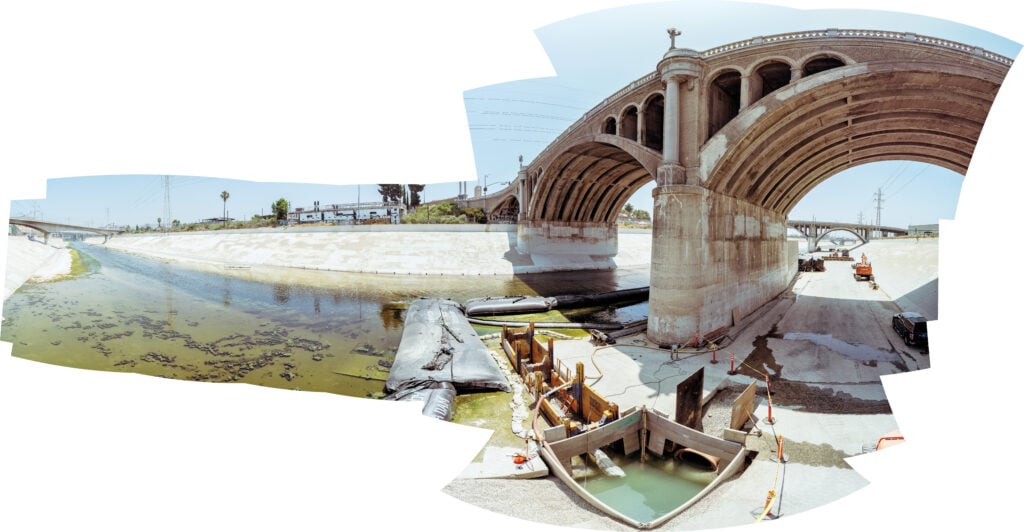
Designers Rethinking Our Relationship to Water
Across sculpture, planning, and public space, designers are making invisible water systems visible again—challenging us to live differently with them.
Urban Deep Dives
Sometimes a single building or project doesn’t tell the full story. To understand the forces shaping our cities and our lives, we must cast a wider net and dig a bit deeper. In 2025, METROPOLIS published diptychs on three American cities—Atlanta, New York City, and Cambridge, Massachusetts—to temper our architectural cheerleading with a fair acknowledgement of urban complexities.
✦ Developer Jim Irwin is the mastermind behind a new crop of ambitious buildings along Atlanta’s Beltline, which impressed Sam Lubell for both their urban ambitions and architectural qualities. But the future of the Beltline, and Atlanta as a whole, is still being hotly debated, as Sean Keenan reported this past summer.
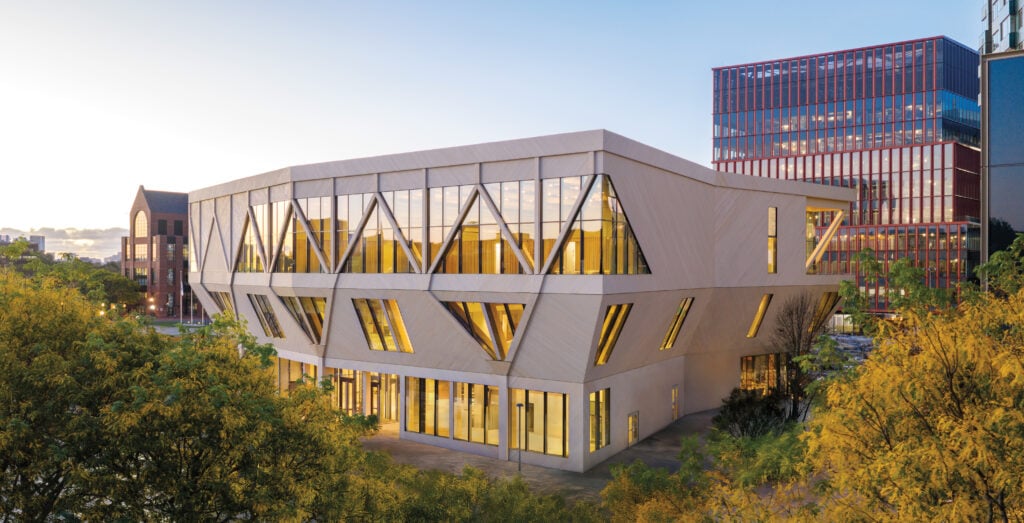
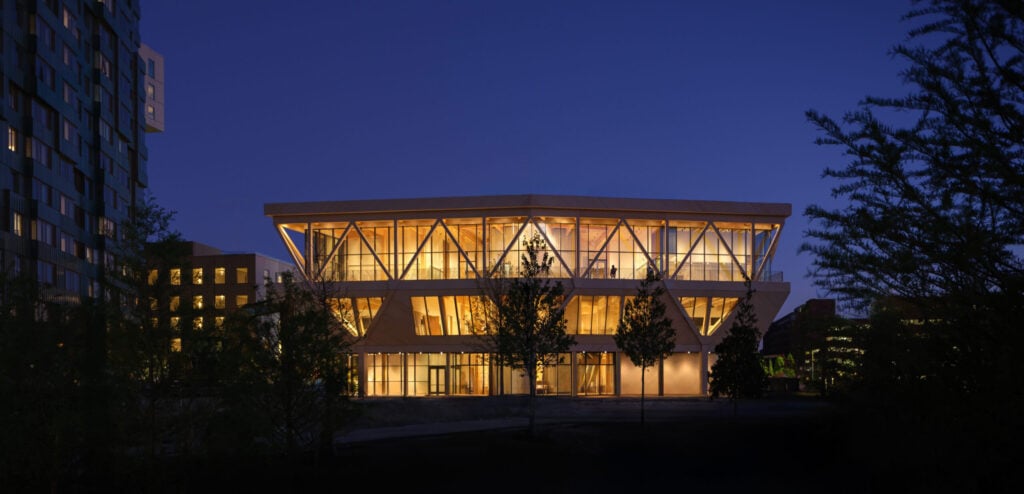
✦ Linda Just sat down with architect Jeanne Gang to understand the design of the David Rubenstein Treehouse, Harvard University’s first mass timber building, and also dove into the broader vision for the university’s first foray into commercial real estate and development with the Enterprise Research Campus.
✦ To mark New York City’s 400th anniversary, senior editor Francisco Brown sat down with three firms most responsible for the city’s 21st century civic transformation: Diller Scoffidio and Renfro, Weiss Manfredi, and Marvel Architects. In a companion piece published at the end of the year, Akiva Blander reported on the Big U, the city’s huge investment in coastal resilience for lower Manhattan.
Projects
Inside Harvard’s Next Big Urban Experiment
The Enterprise Research Campus draws on the talents of Henning Larsen, Marlon Blackwell Architects, MVRDV, SCAPE, Utile, and Studio Gang.
Projects
Jeanne Gang on Harvard’s New Rubenstein Treehouse
The architect unpacks how material, structure, and openness converge in the university’s first mass timber building.
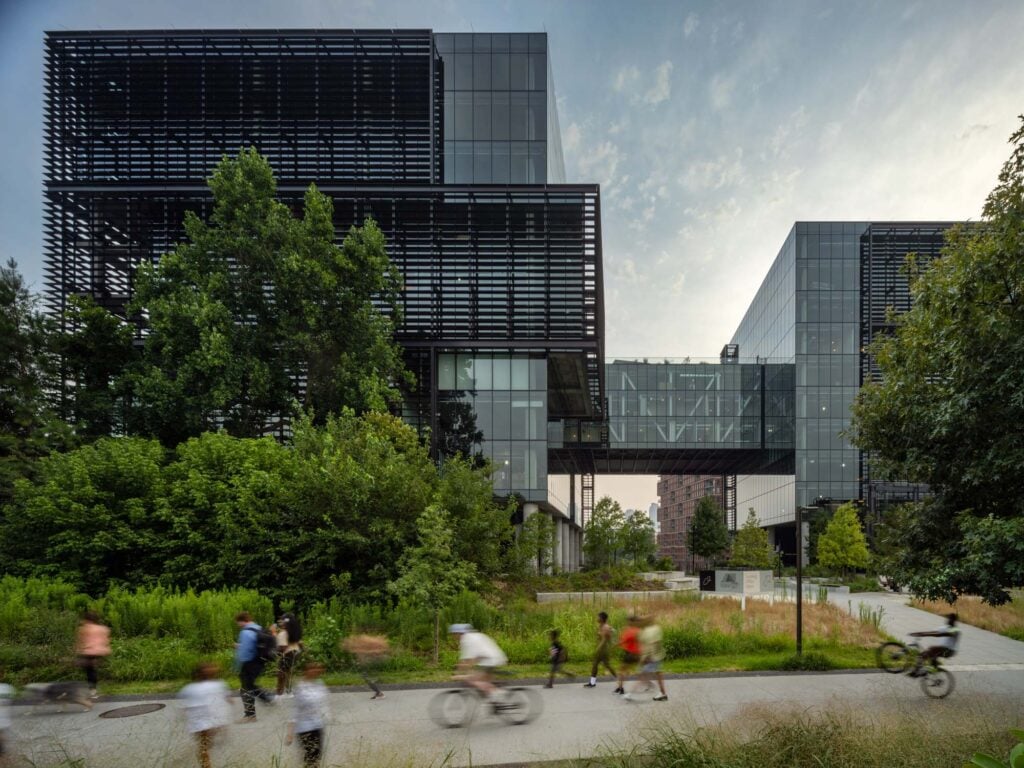
Projects
Behind the Latest Megaproject to Rise Along Atlanta’s Beltline
Transforming an industrial wasteland into a vibrant mixed-use development, Fourth Ward is an ambitious addition to the city’s rapidly developing network of trails.
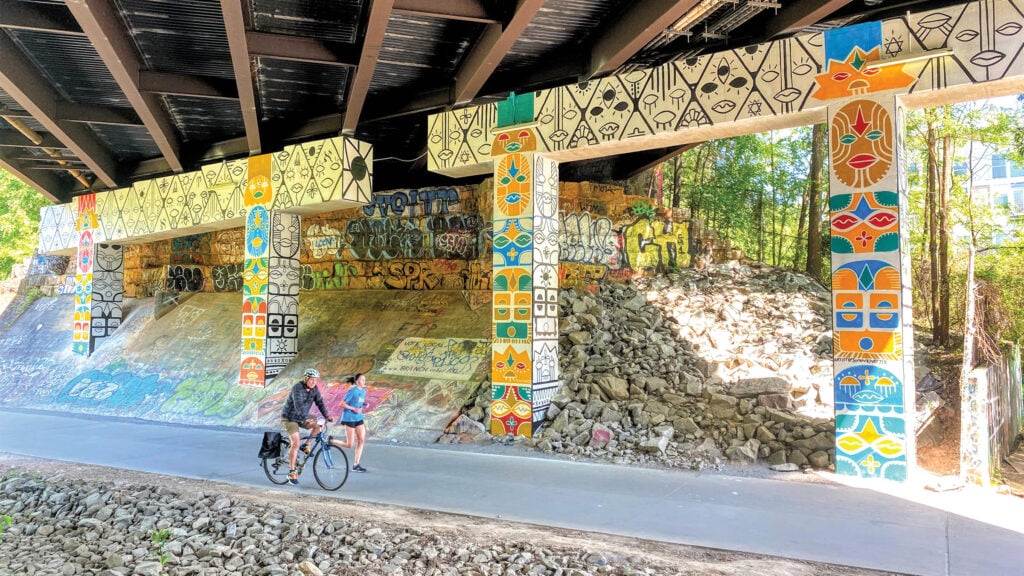
Projects
The Project That Remade Atlanta Is Still a Work in Progress
Atlanta’s Beltline becomes a transformative force—but as debates over transit and displacement grow, its future remains uncertain.
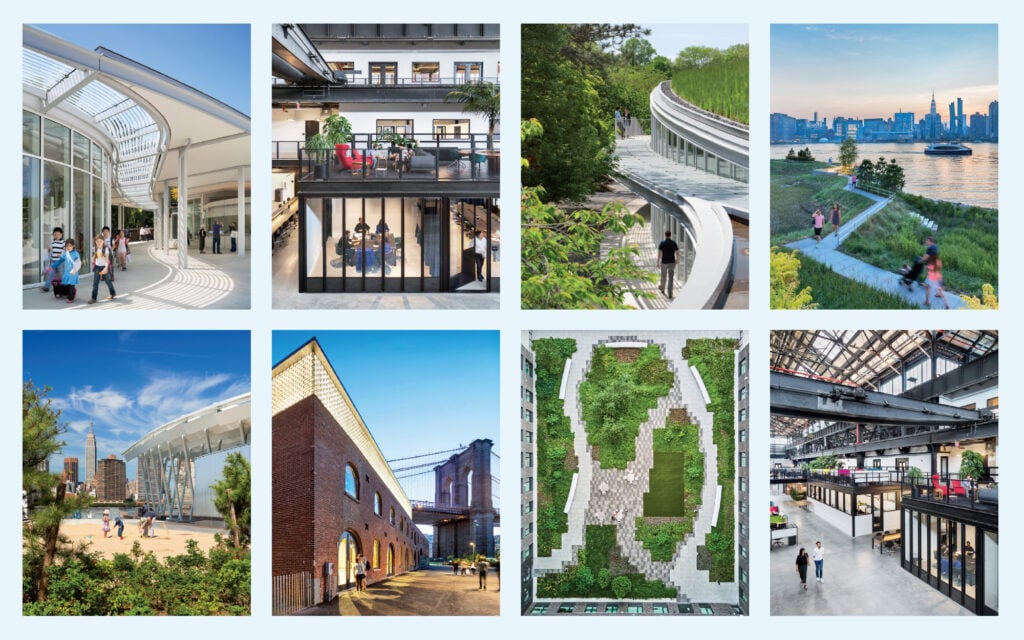
Viewpoints
The Architects Shaping NYC’s Public Life
On NYC’s 400th birthday, Diller Scofidio + Renfro, Weiss/Manfredi, and Marvel talk about civic spaces that shape the city’s infrastructure.
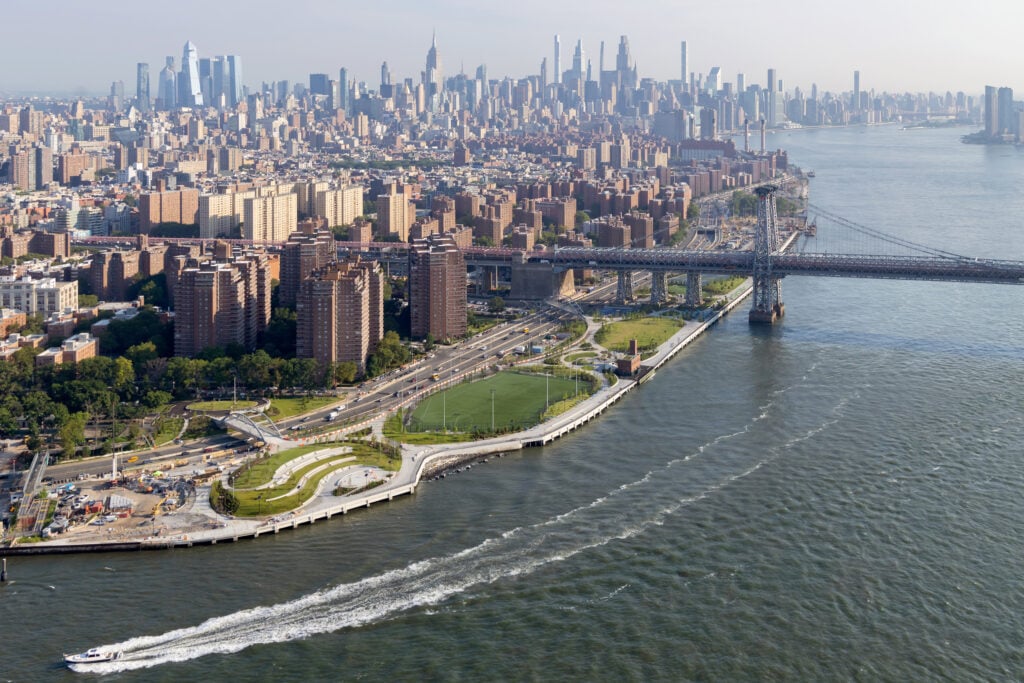
Projects
New York Showcases the Next Generation of Flood Resiliency
At NYC’s new East River Park, Bjarke Ingels Group has debuted parts of its “BIG U”: an assemblage of green, gray, and social infrastructure.
Natural Materials
Associate editor Jaxson Stone has been tracking developments with materials that might be traditional or unconventional, but have the potential to be non-extractive, regenerative, or circular. In 2024, they commissioned a story by Debika Ray on new approaches to earth-based construction. In 2025, they wrote an overview of design’s new obsession with mushrooms and mycelium; and also commissioned a series of articles by Malakia Byng on the use of wool, thatch, and flax as design and construction materials.
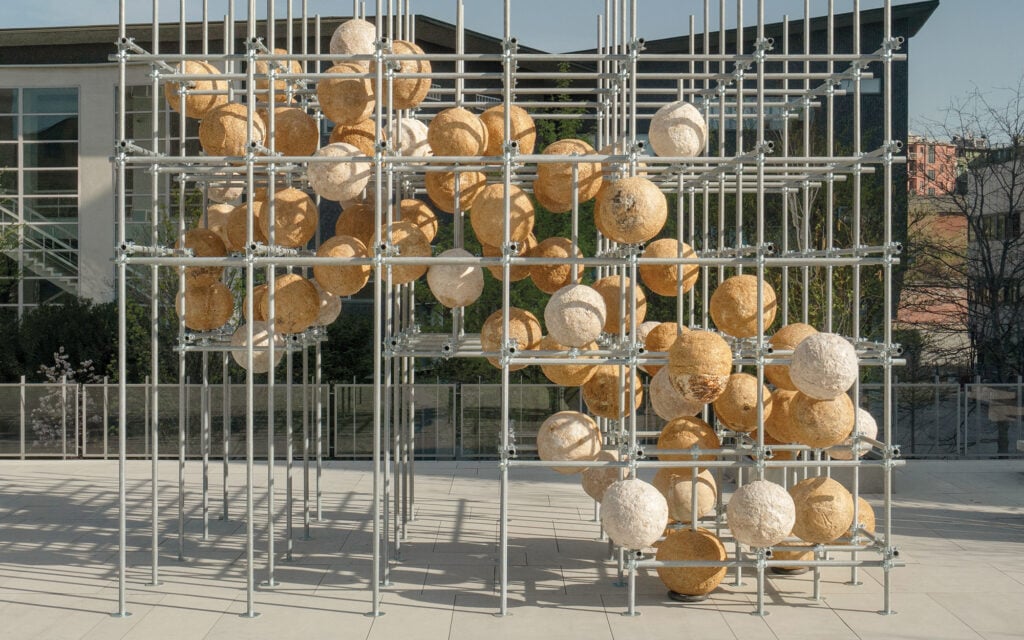
Viewpoints
The Future is…Fungi?
Mycelium and mycelium composites are sprouting up everywhere lately. But are these biobased beauties really the future of sustainable materials?
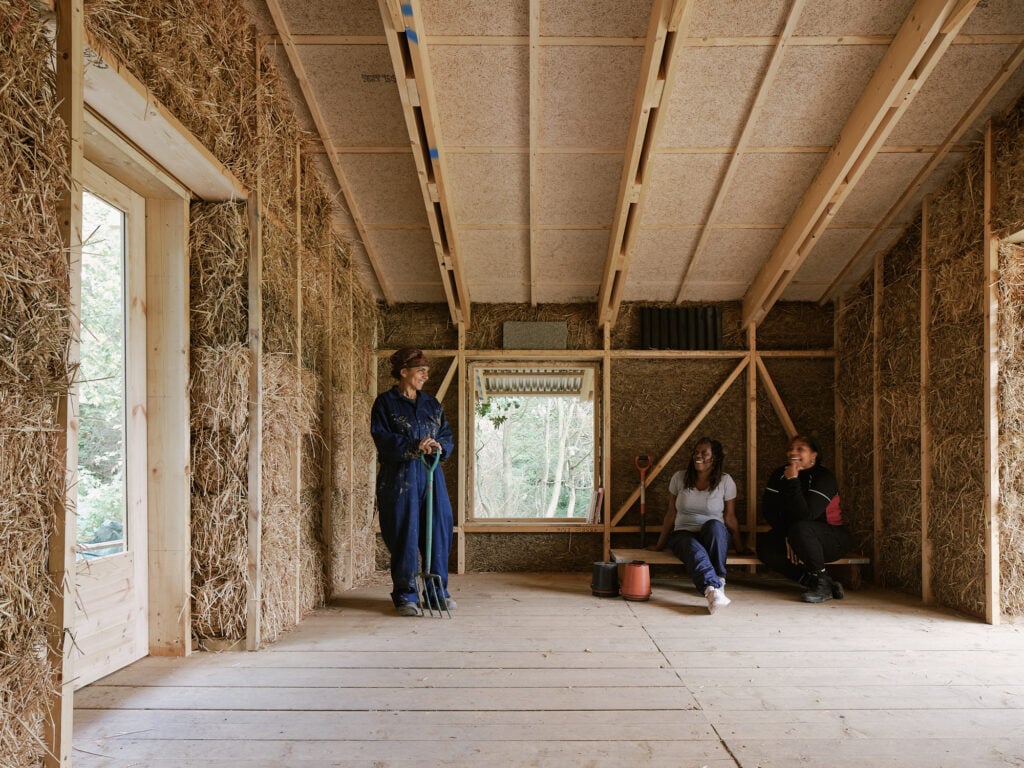
Viewpoints
Thatch—The Past and Future of Green Building?
Architects are rediscovering the potential of reeds and thatch through projects that sequester carbon—and help restore wetlands.

Products
Should Wool Play a Bigger Role in the Built Environment?
As mountains of waste wool pile up around the world, its untapped potential is coming into sharper focus.
Thoughtful Buildings
When we covered individual buildings in METROPOLIS, we selected them for being singular. Each makes a unique contribution to the craft of construction, the experience of space, or the value of the public realm; all of them are notable for being both environmentally responsible and architecturally expressive.
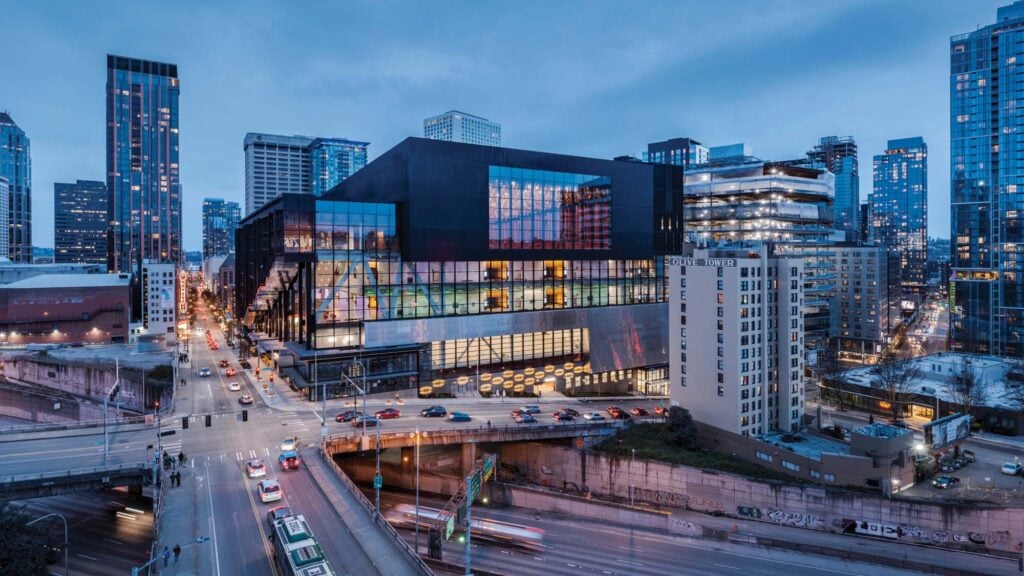
✦ Seattle’s Summit Building, designed by LMN Architects, is one of the world’s first high-rise convention centers, one of a handful of its kind to achieve LEED Platinum certification, and has generated an estimated $558 million in local economic impact since its opening.
✦ 64 University Place, designed by KPF in New York City, is a little gem of a building. Its distinctive brick arches are more than a leitmotif: they are a unique product of beautiful craft, locally produced materials, efficient engineering, and reduced embodied carbon.
✦ The new Sydney Fish Market, designed by 3XN and BVN, not only provides a building worthy of the city’s third-biggest tourist attraction, but also breaks new ground in mass timber construction, water management, and passive thermal regulation.
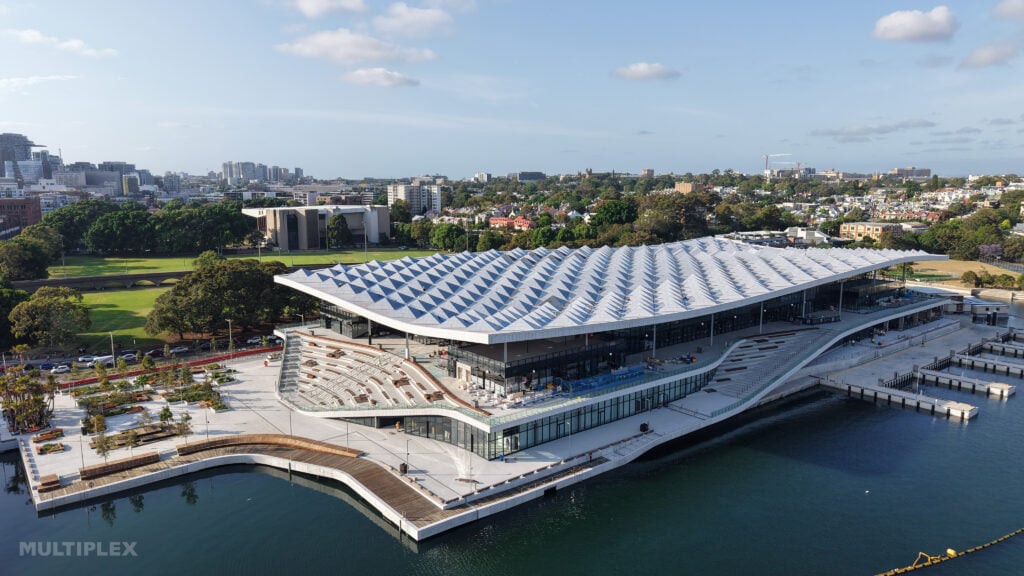
Projects
Inside Sydney’s State-of-the-Art Home for Seafood
The new Sydney Fish Market, with generous public spaces and a sweeping mass timber roof designed by 3XN and BVN, is set to be the city’s next big tourist destination.
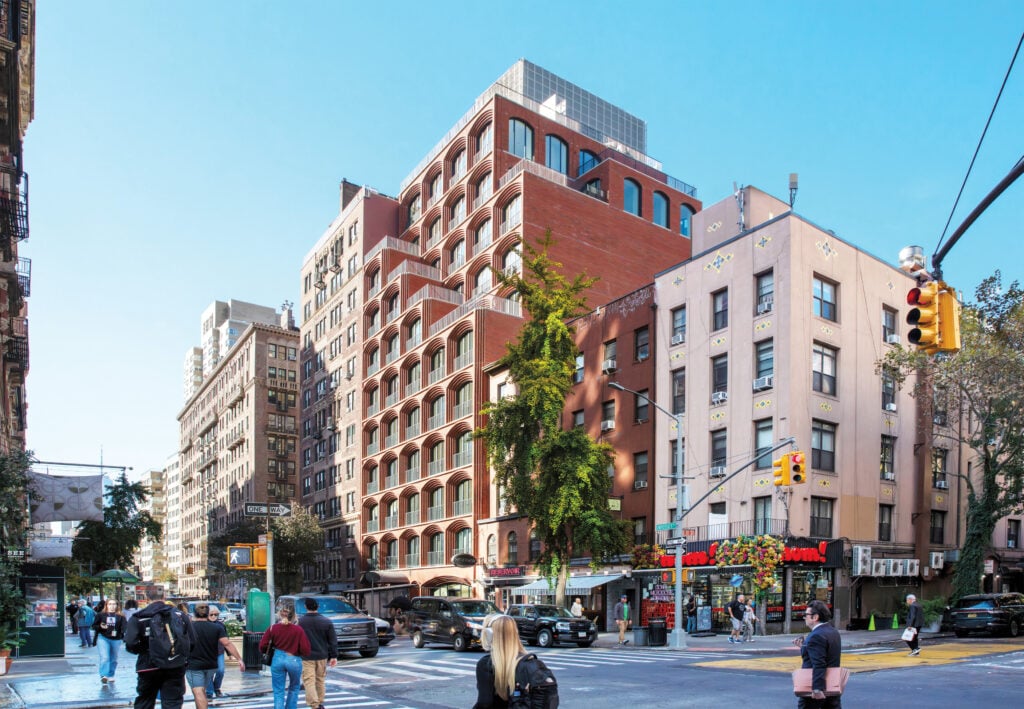
Projects
KPF Reimagines the Arch in a Quietly Bold New York Facade
The repetition of deceptively simple window bays on a Greenwich Village building conceals deep attention to innovation, craft, and context.
Projects
Seattle’s Vertical Convention Center Breaks the Mold
The LMN Architects–designed Summit Building reinvents the convention hall as a light-filled urban connector—and is one of few worldwide to achieve LEED Platinum certification.
Living Case Studies
UN Habitat estimates that a staggering 2.8 billion people worldwide lack access to adequate housing, secure land, and basic water and sanitation services. That’s 40 percent of the world’s population, and meeting their needs is one of the greatest challenges of our time. The housing projects we featured in METROPOLIS offer creative, groundbreaking, and humane responses to this global crisis.
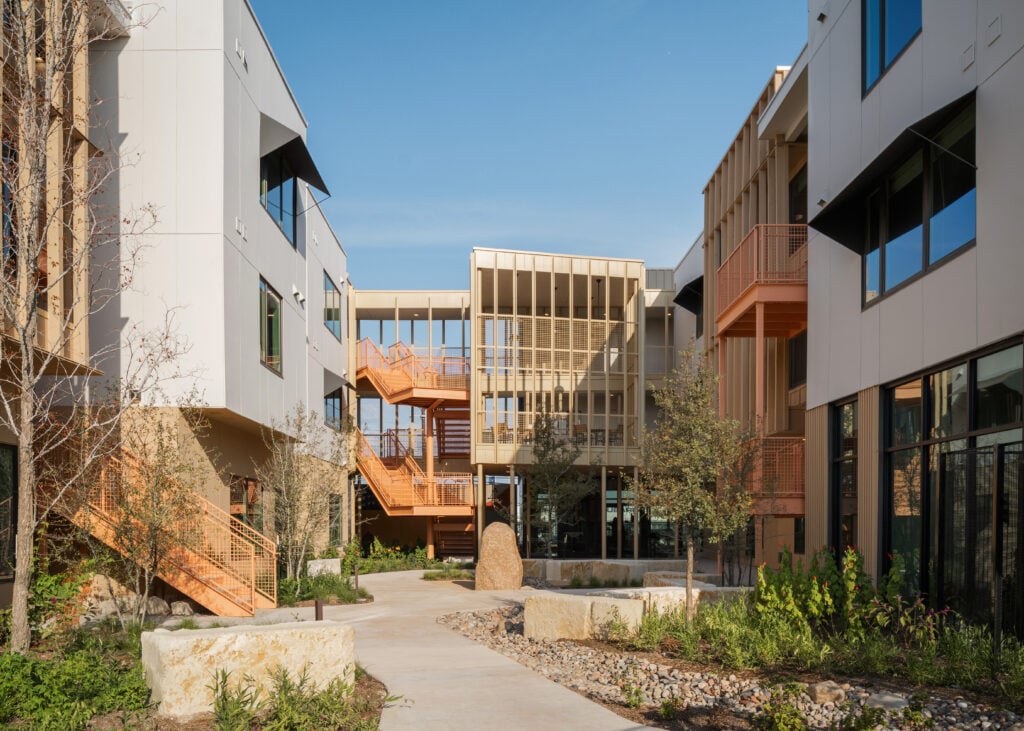
✦ Sam Lubell covered a trio of projects in Barcelona, Austin, and Palm Springs that are unique solutions for very different urban contexts and communities, and yet are threaded through with love for people and respect for the planet’s resources.
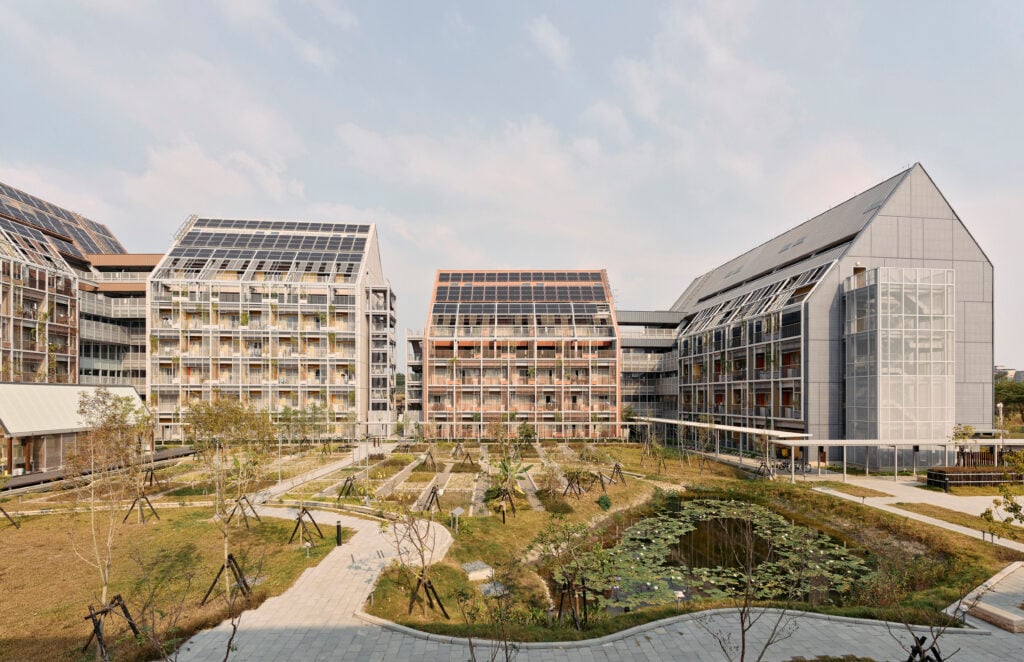
✦ Justin R. Wolf reported on a Taiwanese development that claims to be the first in the country “to be fully integrated to the circular economy ideology.” Every building component has a material passport, and the water and energy systems are designed to be self-sustaining.
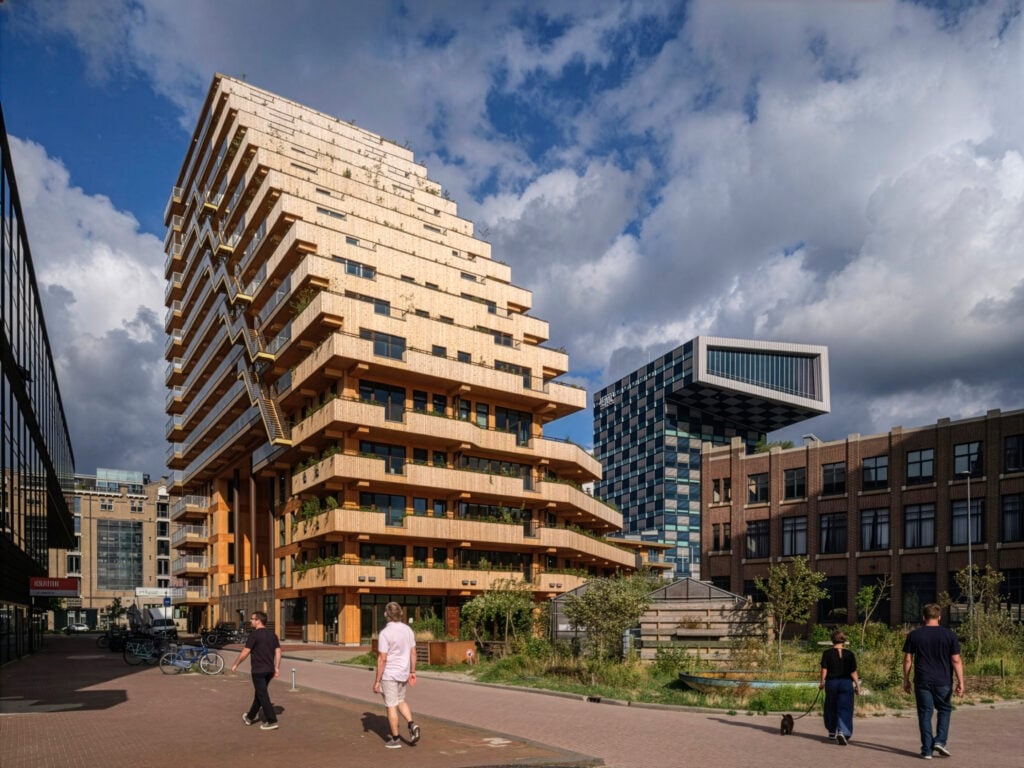
✦ Giovanna Dunmall took stock of SAWA, a timber frame apartment building in Rotterdam designed by Mei Architects and inaugurated by the Queen of the Netherlands. Post-colonial in its inspiration, carbon sensitive in its design, and affordable to young renters, it was constructed like “a massive piece of IKEA flat pack furniture.”
Projects
Where Housing Meets Humanity
Three innovative housing projects that focus on care, community, and climate, redefining public housing with dignity.
Projects
Taisugar Circular Village is a Model Case Study for Circular Economies
The Taiwanese project by Bio-architecture Formosana claims to be the first residential village in the country to be integrated within a circular economy.
Projects
A Circular Apartment Block in Rotterdam Sets a New Green Standard
SAWA by Mei Architects and Planners was designed to meet the stringent climate goals set by the Paris Agreement.
Viewpoints
What Is and Is Not Biophilic Design?
The creator of the concept of Biophilic Design explains effective strategies that keep us healthy by bringing us closer to nature.
View StoryWould you like to comment on this article? Send your thoughts to: [email protected]
Latest
Projects
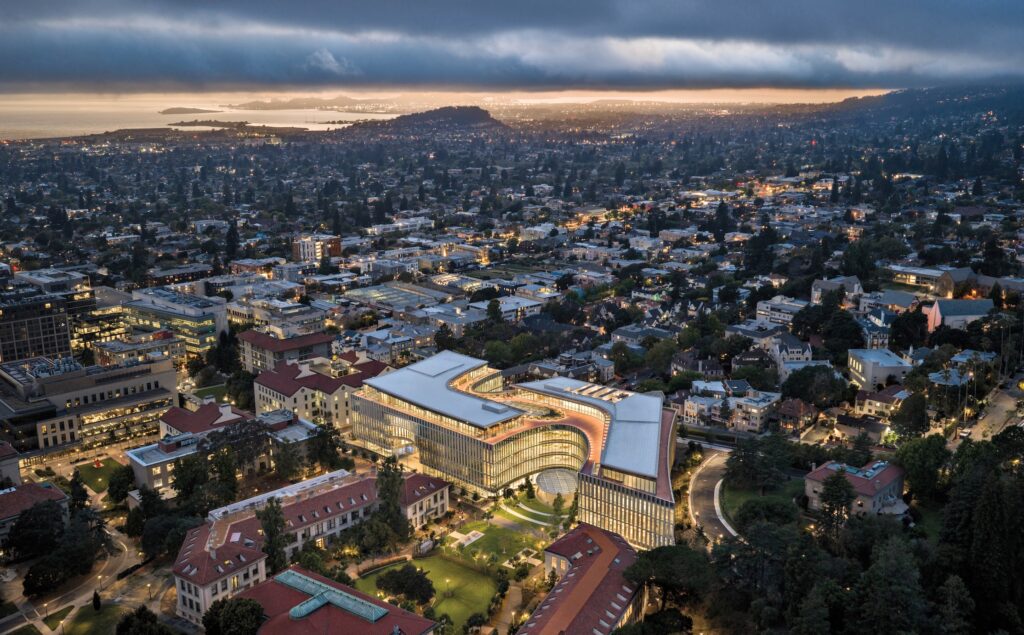
UC Berkeley’s Newest Building Is All About Human Interactions
The long-awaited project highlights uncomfortable truths about Los Angeles’s cultural sector and civic health.

Projects
ZD+A Brings a Modernist Mexico City House in Line with its Context
Architect Yuri Zagoin Alazraki reorganized the speculative house to respond to its site and create unique spaces for contemplation.