



November 2, 2022
Examining the Intersection of Health and Design
In 2006, policy makers in the European Union defined a revolutionary approach to lawmaking and public initiatives that they called “Health in All Policies” (HiAP). The idea was bold but simple: Experts had long recognized that delivering high-quality health care was not enough to keep people healthy. Roads, schools, industry, and nearly everything else that governments control or influence can play a part. So policies or initiatives should be undertaken only after considering how they could affect people’s health—through processes called “health lens analysis” or a “health impact assessment.” Over the past 15 years, the HiAP framework has become widespread—even the United States’ Centers for Disease Control and Prevention recommends it to improve health outcomes and health equity.
It’s time to similarly codify “Health in All Design.”
Some architects and interior designers, of course, don’t need convincing that their work can influence people’s health and well-being. Just look at the scale and diversity of the projects and initiatives published in this issue.
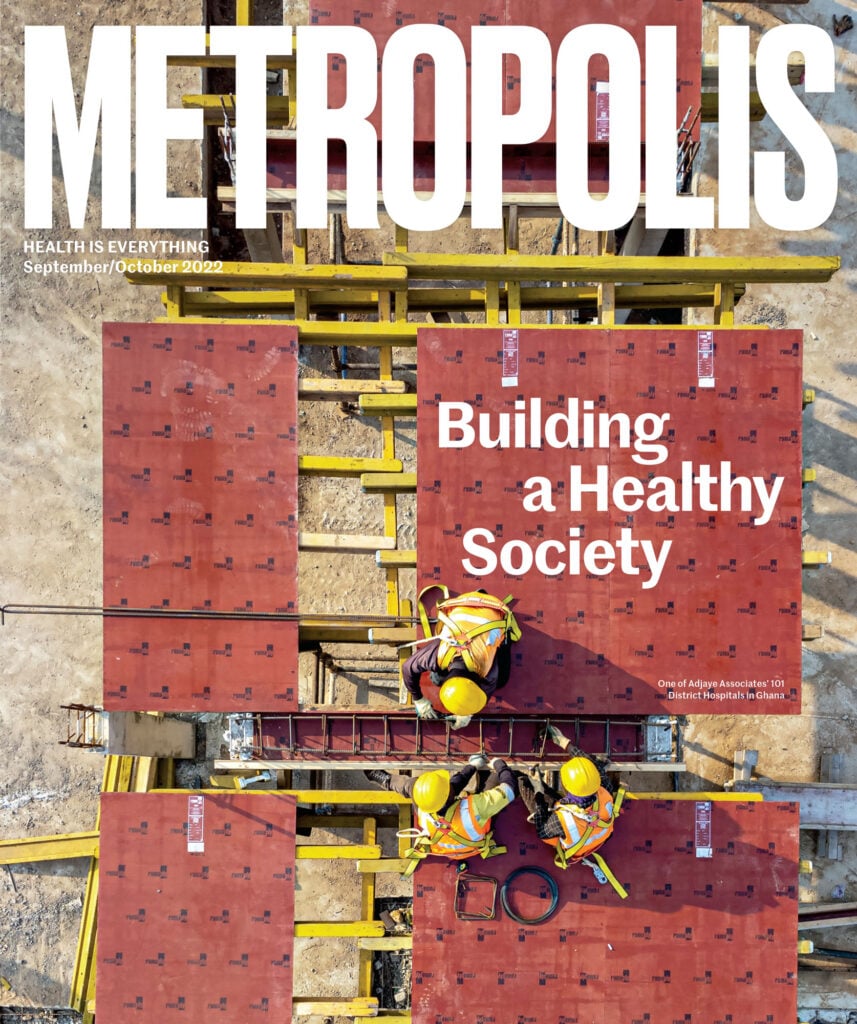
In Ghana, Adjaye Associates is participating in a massive experiment in healthcare delivery, using modular design to build 101 district health centers and significantly expand the West African nation’s health infrastructure (“How Ghana’s Radical Experiment in Health Care Is Taking Shape” ). Here in the United States, recreation centers are taking a cue from the multibillion-dollar fitness industry to create community around health and wellness, through elevated design (“The Rec Center Reimagined”). And a new generation of restaurateurs, inspired by the experience of the pandemic that hit their industry so hard, are using their spaces to advocate for the marginalized, strengthen communal ties, and educate children about healthy food (“2 Restaurants, 1 School Serve Up More Inclusive Visions for Dining”).
We now have a cohort of leaders who are both medical and design professionals (“3 Doctors Who Design Share What’s Energizing Health Care Architecture”) pushing at the frontiers of how design can heal. Meanwhile, as Elissaveta M. Brandon reports in “Can We Design for Happiness?”, architects and design professionals are seeking to understand the role design can play in mental and social health, both key components of holistic well-being.
We need more architects, designers, and health experts engaged in similar endeavors, and we need a framework for how they can incorporate health as a factor in every design project they undertake, no matter how big or small. Only then will we see the positive impact of healthy design reach those who have yet to be touched by it. Our efforts so far have been inspiring; it’s time to make them widespread and consistent.
Projects
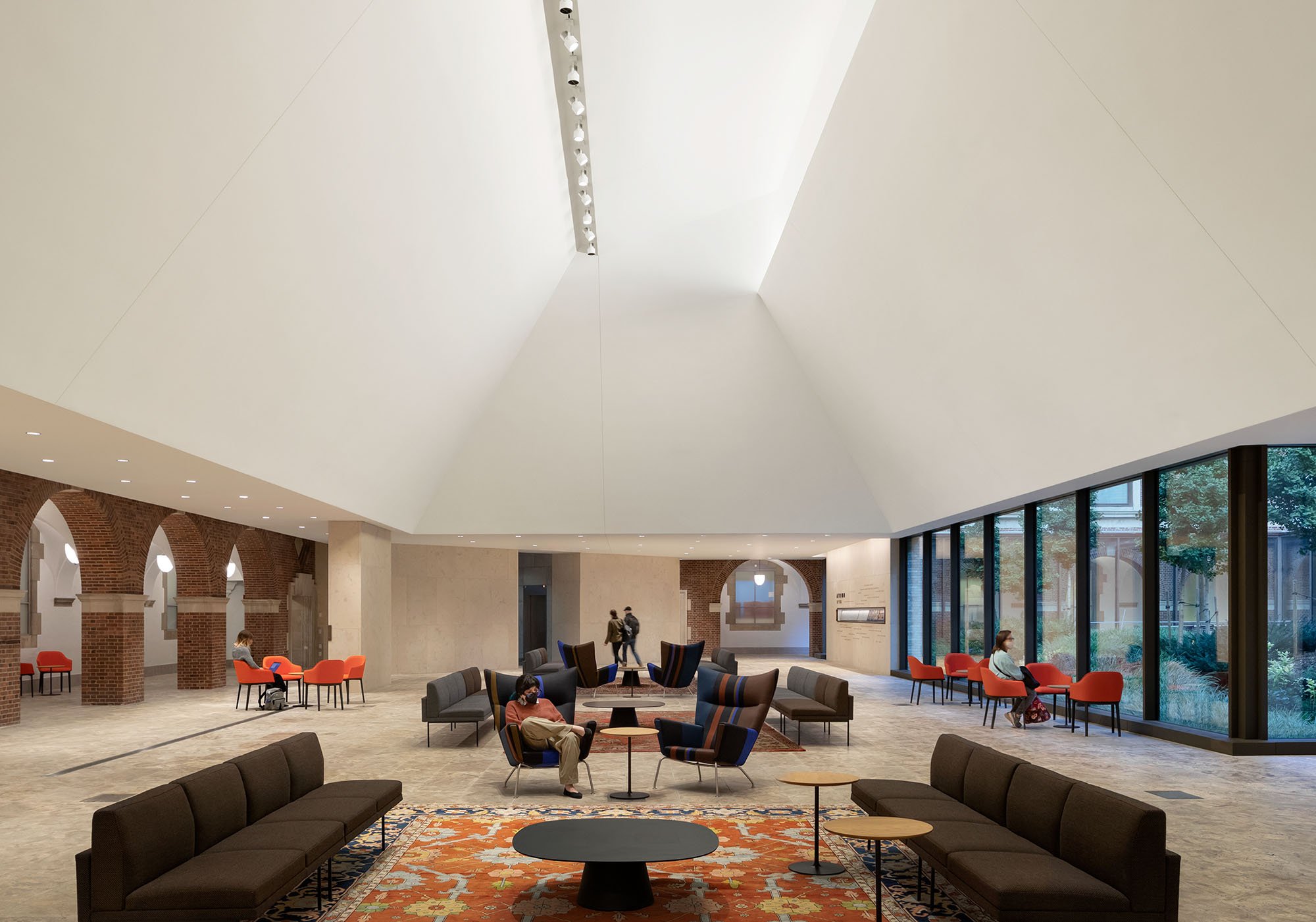
An Architectural Makeover Profoundly Transforms New York’s Jewish Theological Seminary

Projects
These D.C. Art Installations Point to More Than High Water Marks

Products
Carl Hansen & Søn Revives an Icon of Danish Functionalism
Projects
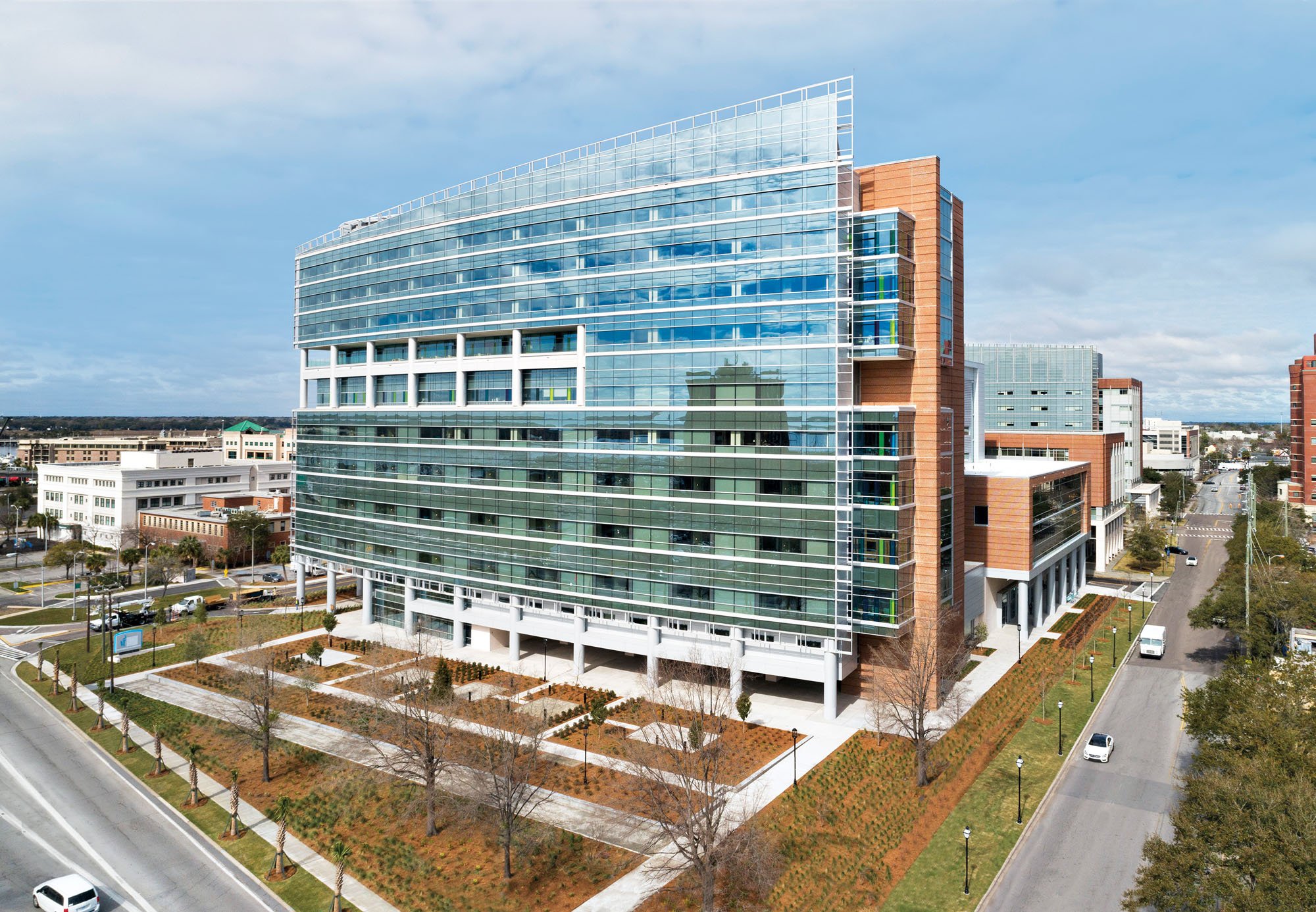
The Hospital Unlocking a Design Formula for Better Family Care

Viewpoints
Chronicling the Rise and Fall of the American Shopping Mall

Projects
The First Americans Museum Nods to Resilience and Culture Through Design

Projects
This Firm Reshaped Its Office into the Hub of a “Carbon Neutral Corridor”
Projects
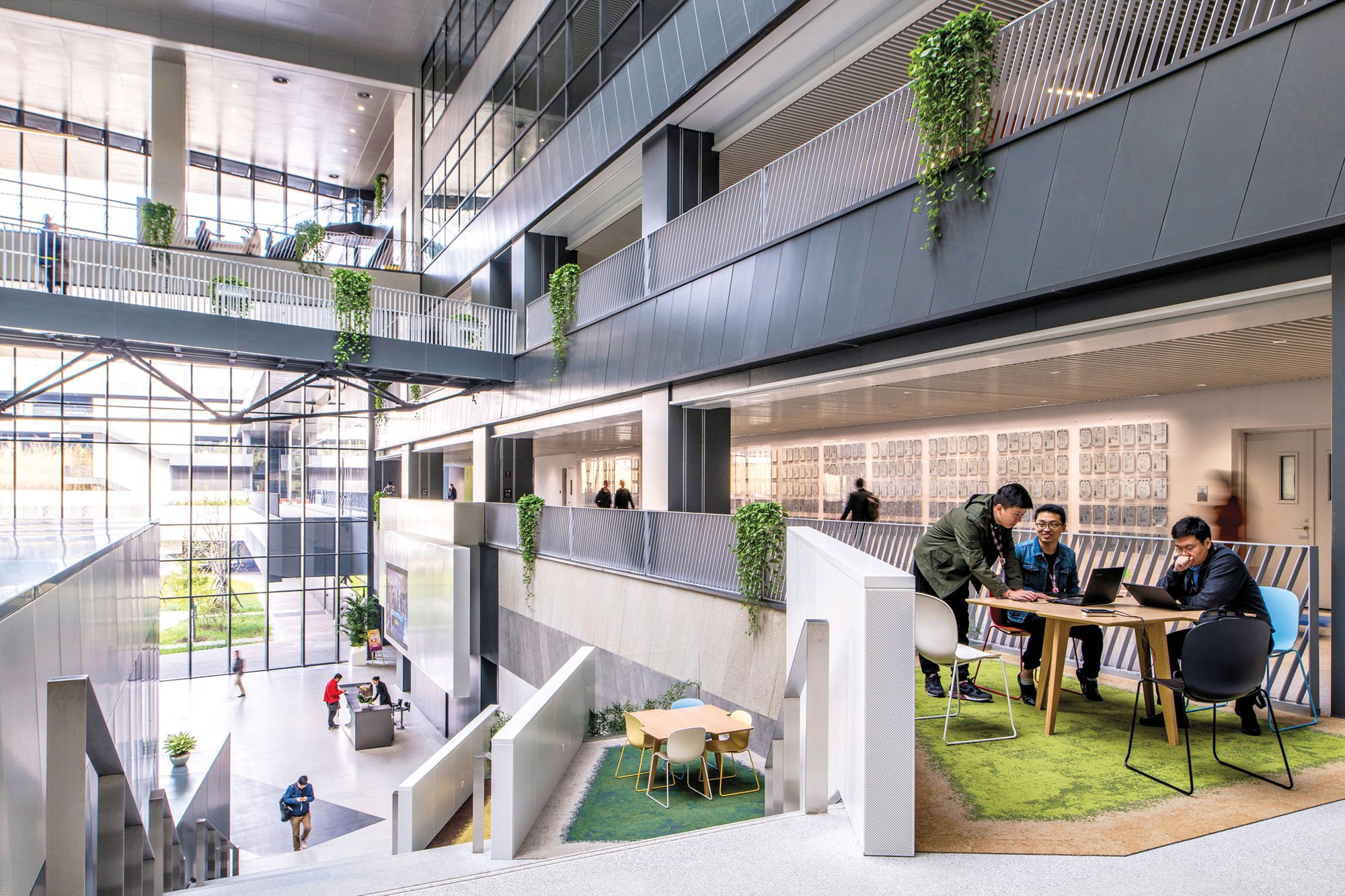
A Tech Giant’s Headquarters Is the Site of Environmental and Social Innovation
Products
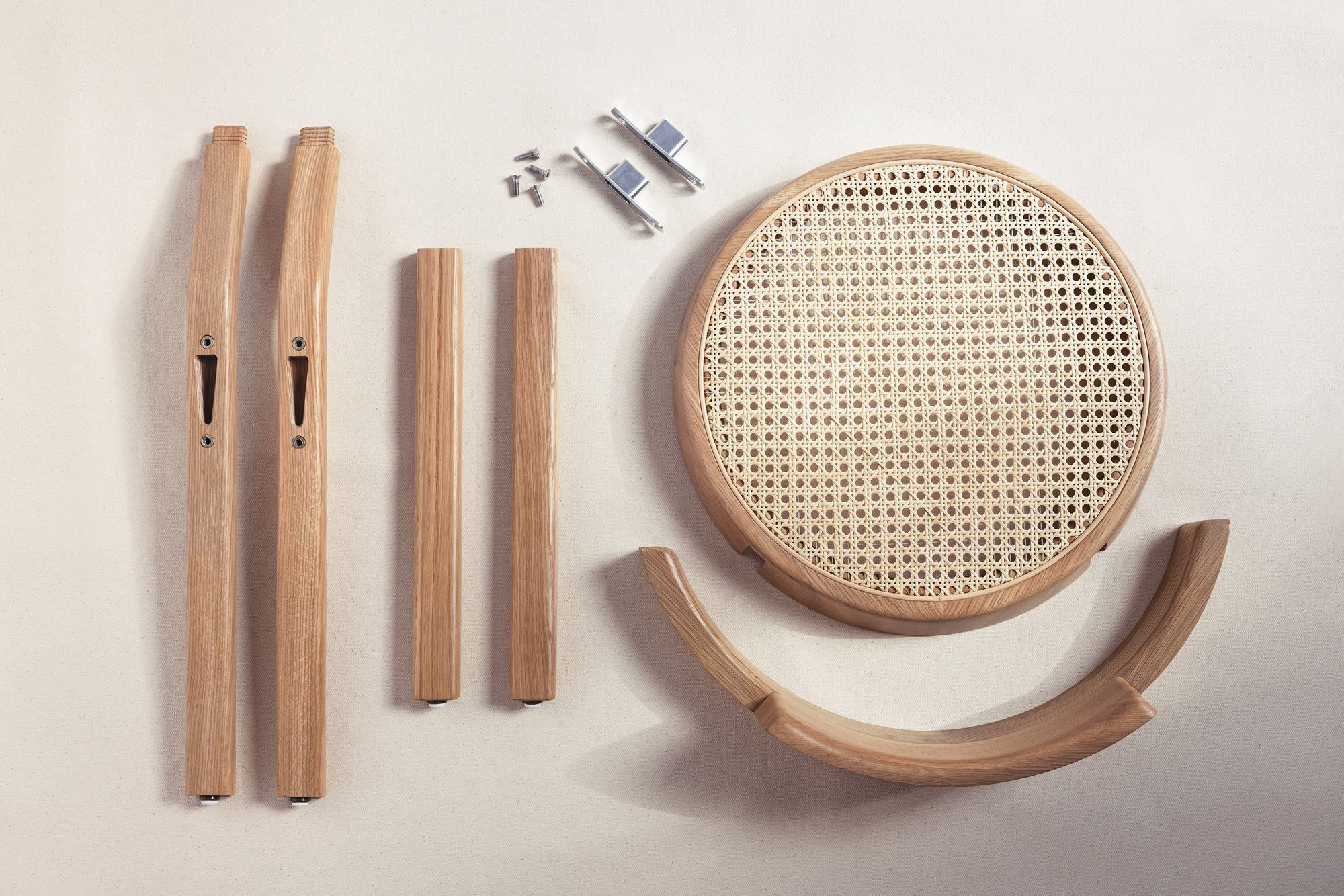
Is the Future of Furniture Flat-packed?

Products
Nick Cave Mines His Creative Processes in a New Collection for KnollTextiles

Profiles
For This Shive-Hattery Principal, Curiosity Always Yields Innovation
Products
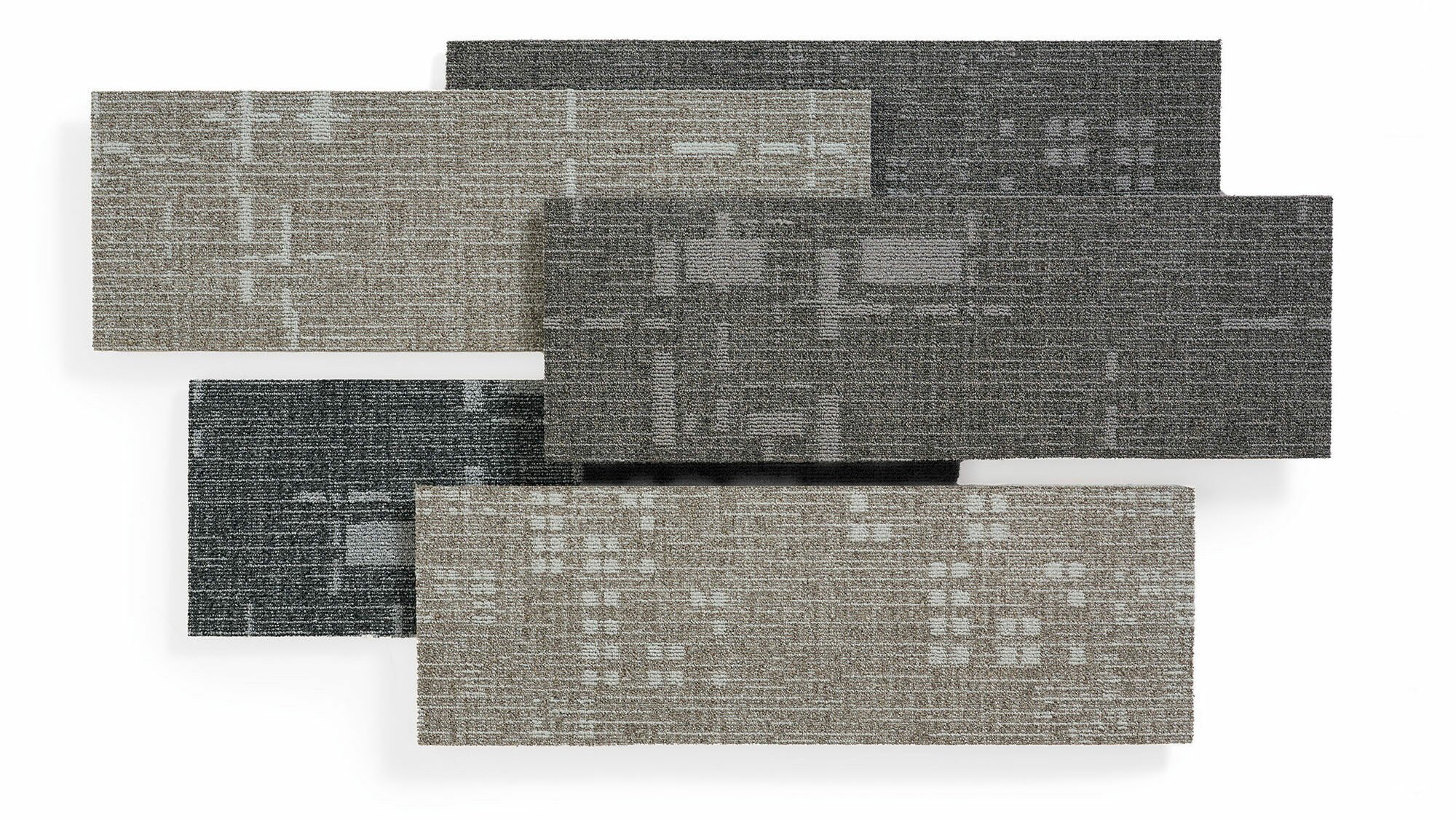
The New Carpet Collection Doubling Down on Science-driven Design

Products
15 Design Products for Better Indoor Air Quality

Viewpoints
What Does The Future Of The Firm Library Look Like?

Projects
2 Restaurants, 1 School Serve Up More Inclusive Visions for Dining

Projects
How Ghana’s Radical Experiment in Health Care Is Taking Shape
Projects
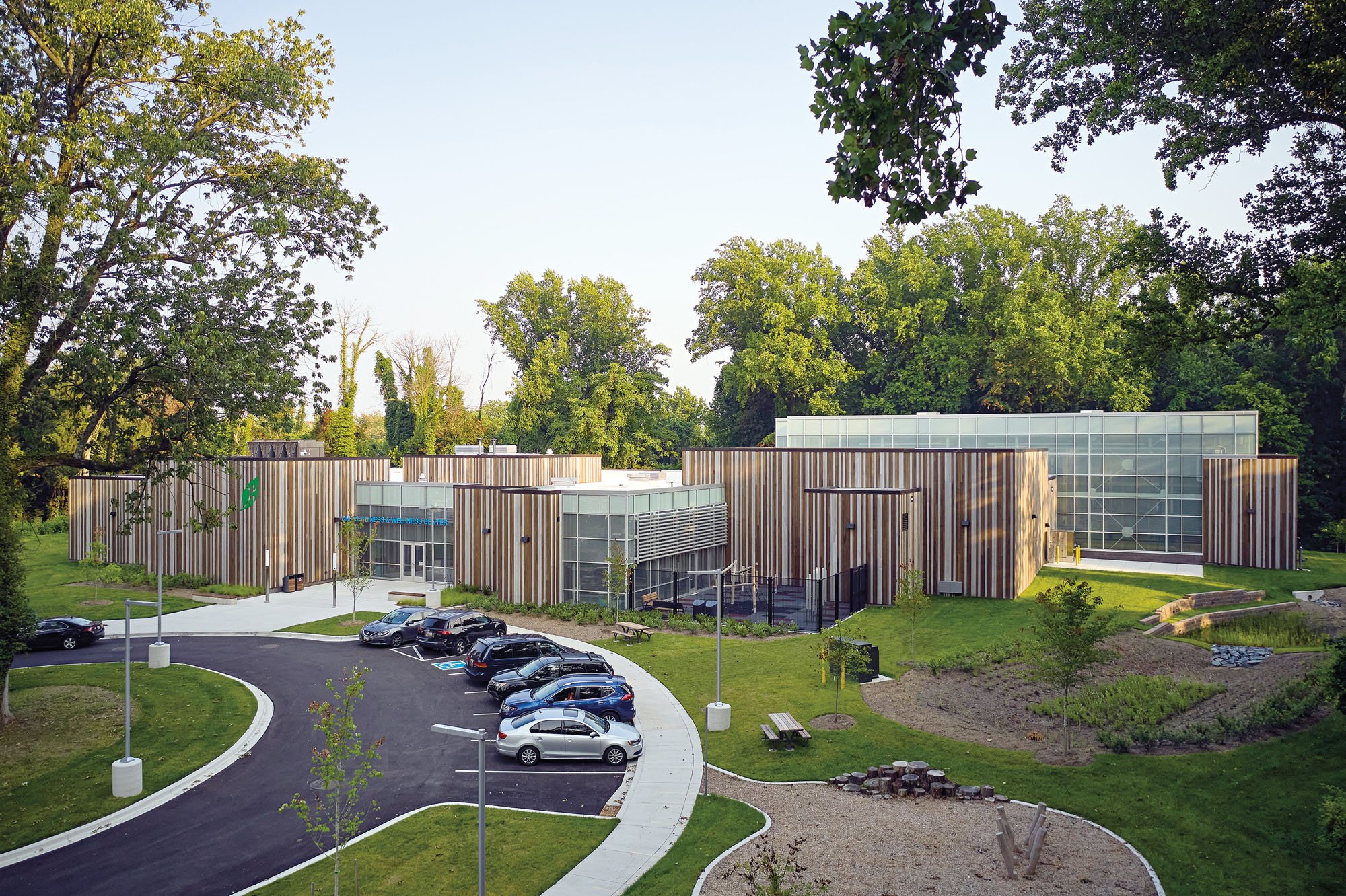
The Rec Center Reimagined: How Cities are Designing for Wellness
Viewpoints
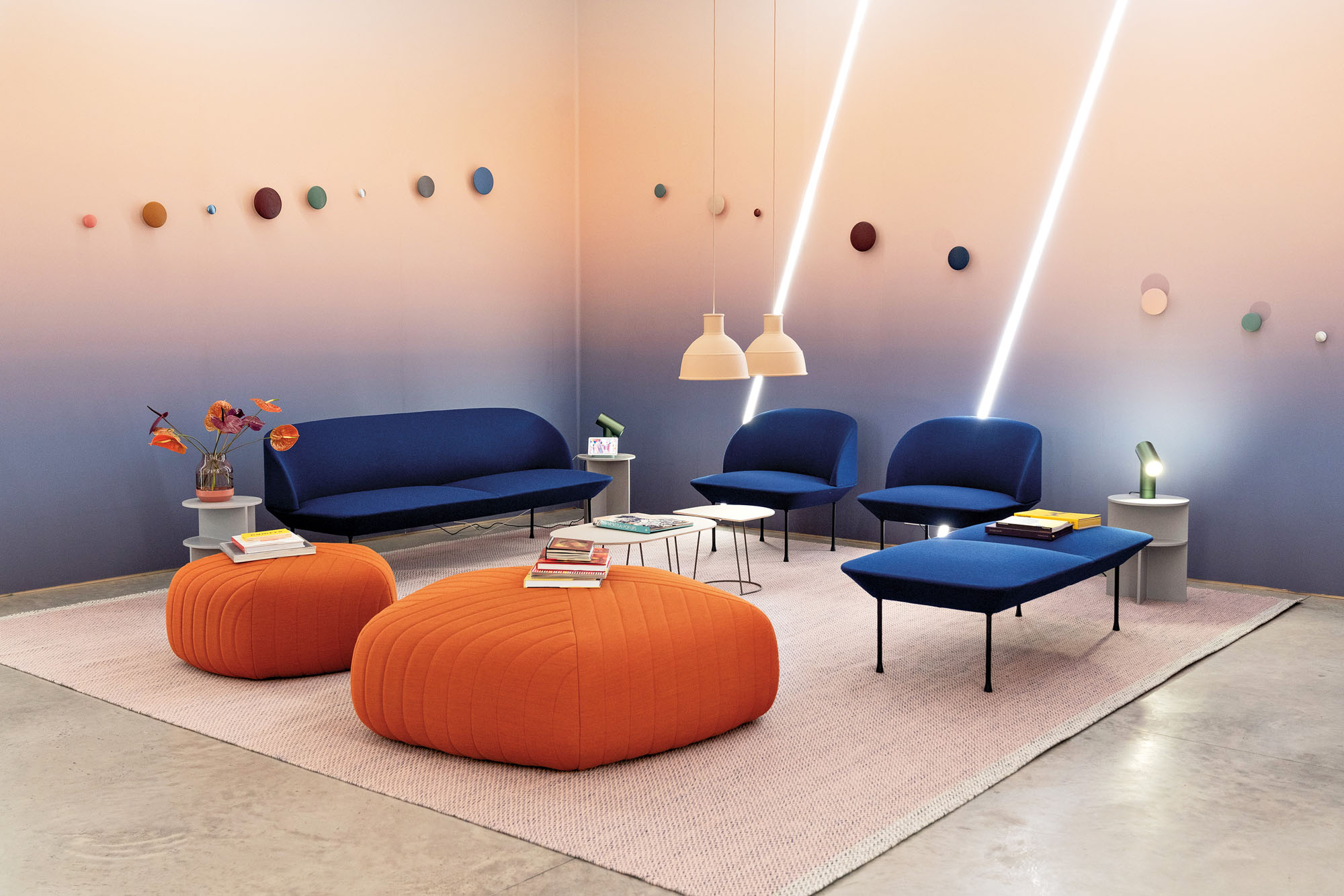
Can We Design for Happiness?

Profiles
3 Doctors Who Design Share What’s Energizing Health Care Architecture

Profiles
The Book That Helped Shape Angie Brooks’ View on Architecture
Would you like to comment on this article? Send your thoughts to: [email protected]
Latest

Projects
UC Berkeley’s Newest Building Is All About Human Interactions
The long-awaited project highlights uncomfortable truths about Los Angeles’s cultural sector and civic health.

Projects
ZD+A Brings a Modernist Mexico City House in Line with its Context
Architect Yuri Zagoin Alazraki reorganized the speculative house to respond to its site and create unique spaces for contemplation.

Viewpoints
The Architecture & Design Film Festival Enters a New Chapter
ADFF 2026 brings together stories of reuse, climate action, architectural history, politics, gender, and public life.