



January 27, 2026
The Power of Biophilia: Designing Buildings That Heal People and the Planet
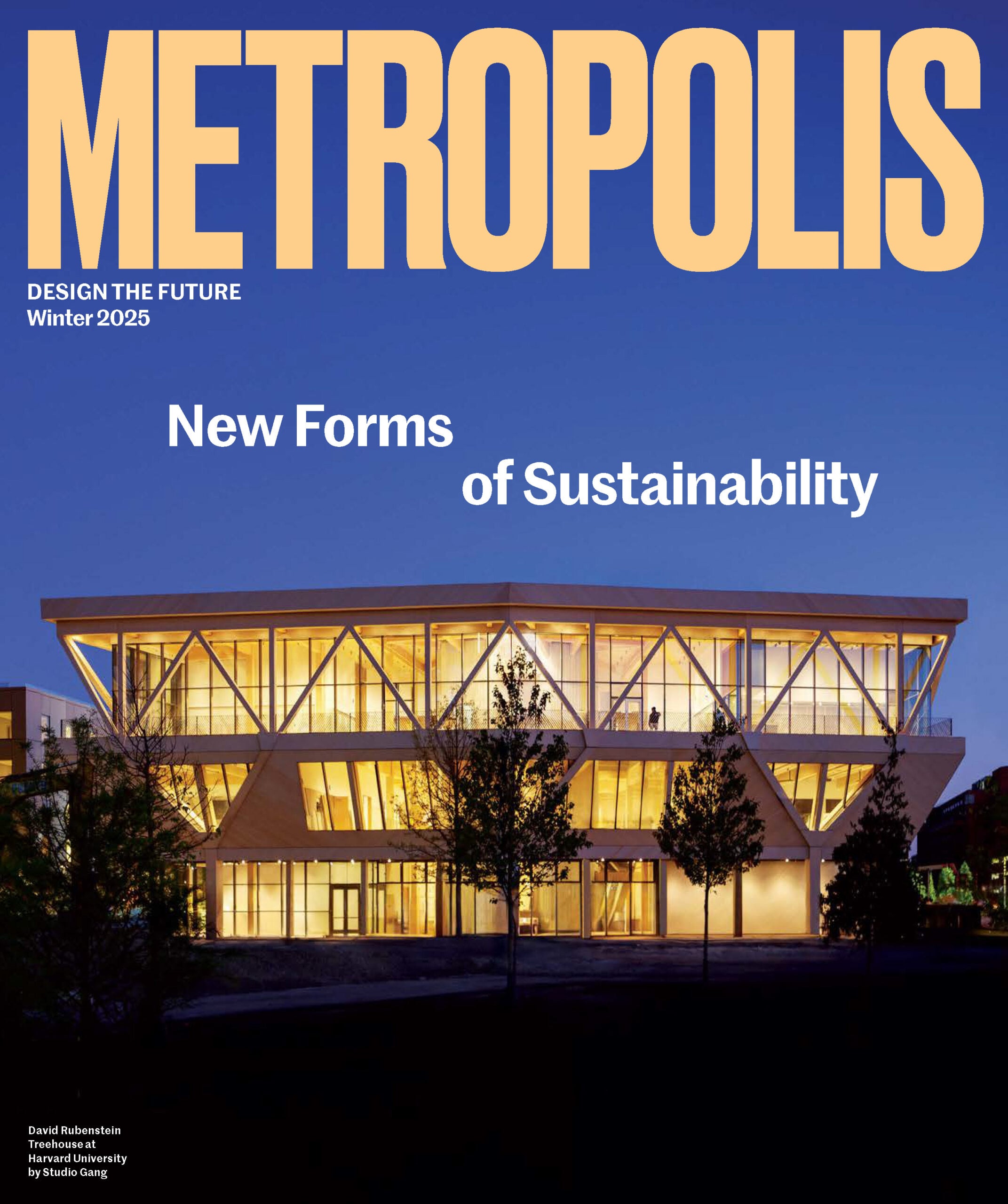
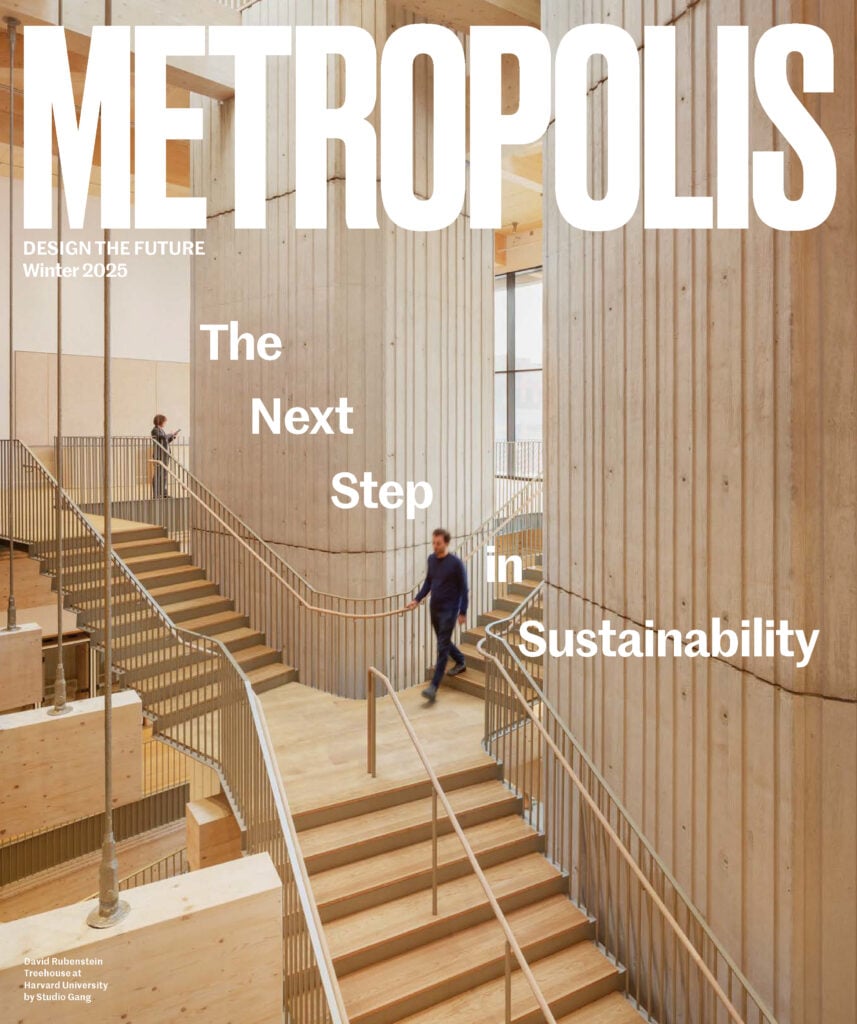
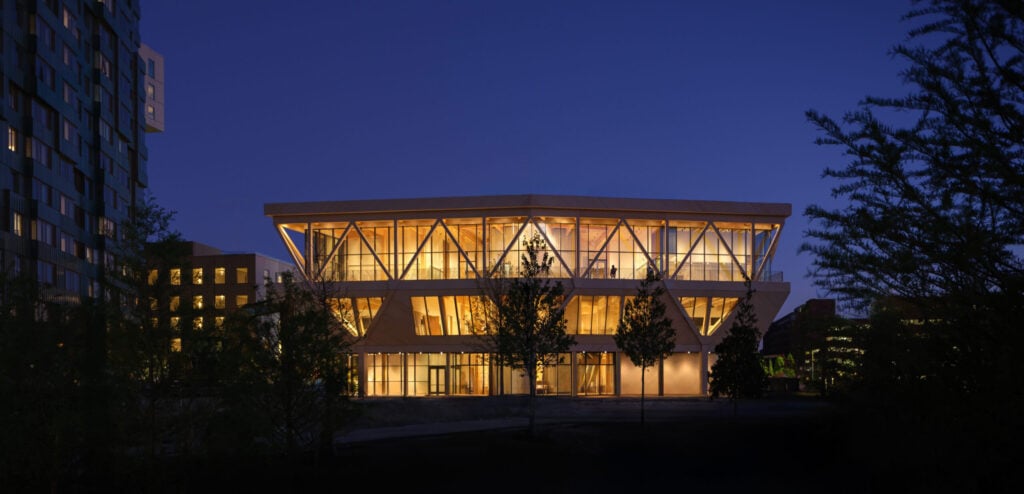
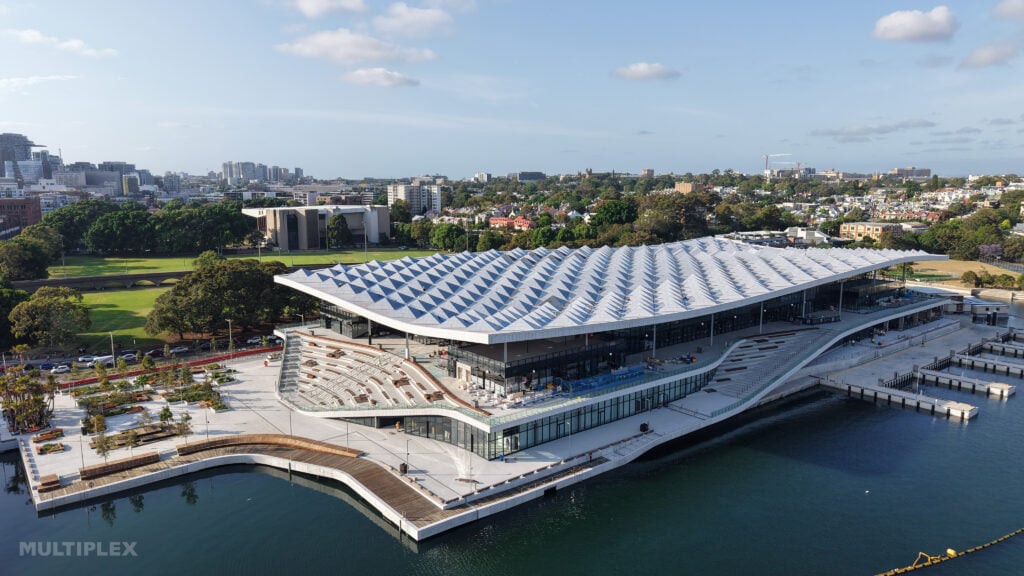
It’s this kind of thinking about both the experience of natural systems and their tangible interactions with buildings that has been finely engineered in 3XN’s design of the new Sydney Fish Market or harnessed in the form, materiality, and spirit of the Studio Gang–designed David Rubenstein Treehouse at Harvard University.
In fact, just look at the 42 winners and ten honorable mentions in the 2025 METROPOLIS Planet Positive Awards and you will see how biophilia in fact suffuses all the work architects and interior designers are doing today to make a positive impact in the world. Ten years after we first had the privilege of publishing Kellert’s ideas, METROPOLIS is gathering all our best reporting and coverage of the design approach he championed in an updated version of “What Is and Is not Biophilic Design.” You can find his original essay as well as project case studies, reporting, and thought leadership at metropolismag.com/biophilic-design.
Inspired by his vision, we can remake the built environment into something more nurturing, sustaining, and organic to this planet’s systems. Happy New Year!
Read every story from our 2025 Winter Issue:
Features
Projects
Inside Harvard’s Next Big Urban Experiment
The Enterprise Research Campus draws on the talents of Henning Larsen, Marlon Blackwell Architects, MVRDV, SCAPE, Utile, and Studio Gang.
Projects
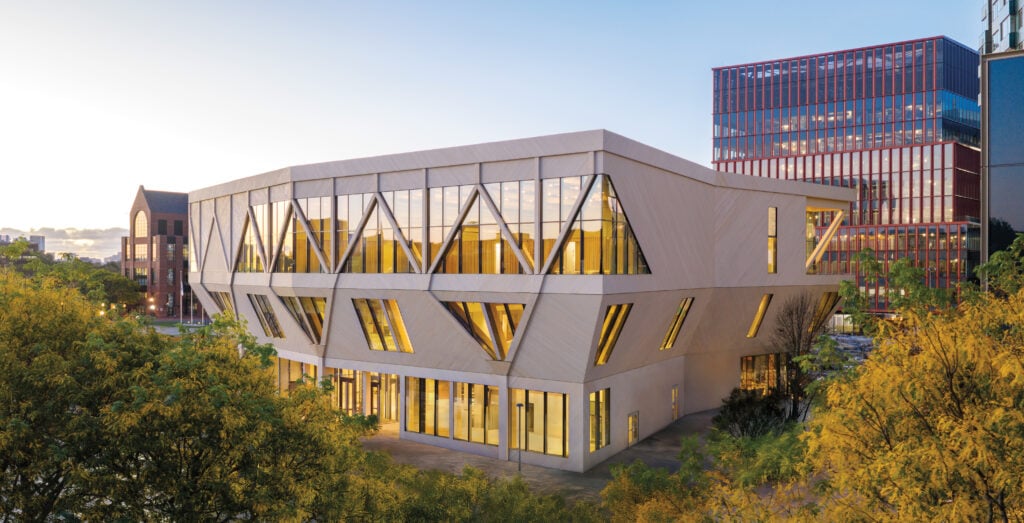
Jeanne Gang on Harvard’s New Rubenstein Treehouse
The architect unpacks how material, structure, and openness converge in the university’s first mass timber building.
Projects
Inside Sydney’s State-of-the-Art Home for Seafood
The new Sydney Fish Market, with generous public spaces and a sweeping mass timber roof designed by 3XN and BVN, is set to be the city’s next big tourist destination.
Projects
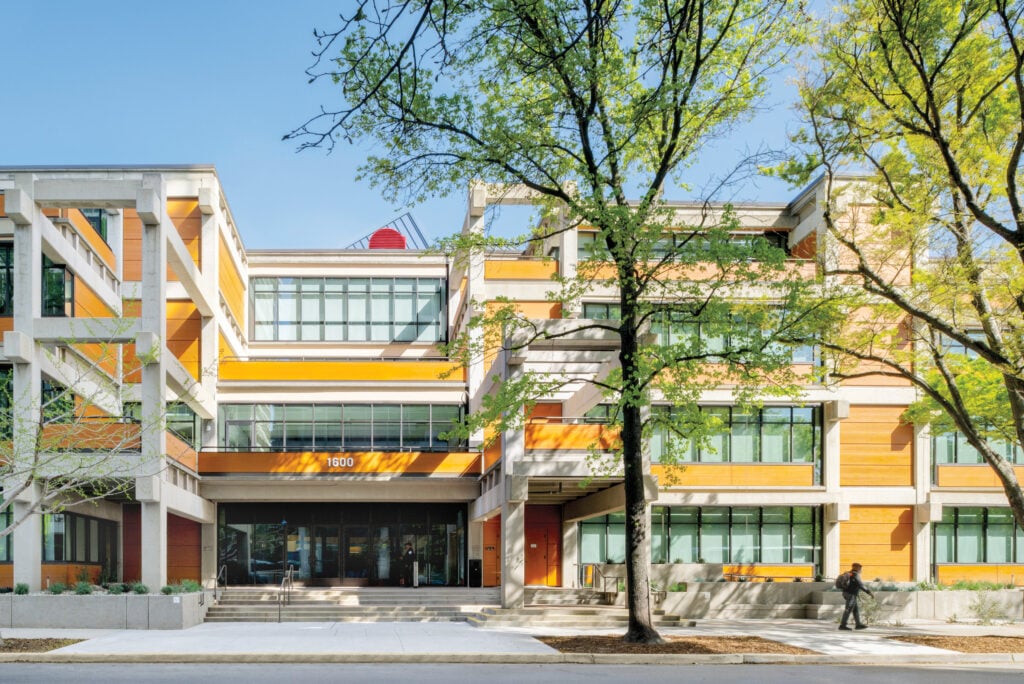
CannonDesign Revitalizes the Gregory Bateson Building
The renovation of a landmark project by Sim Van der Ryn shows what sustainable strategies have stood the test of time—and what ideas have fallen by the wayside.
Viewpoints
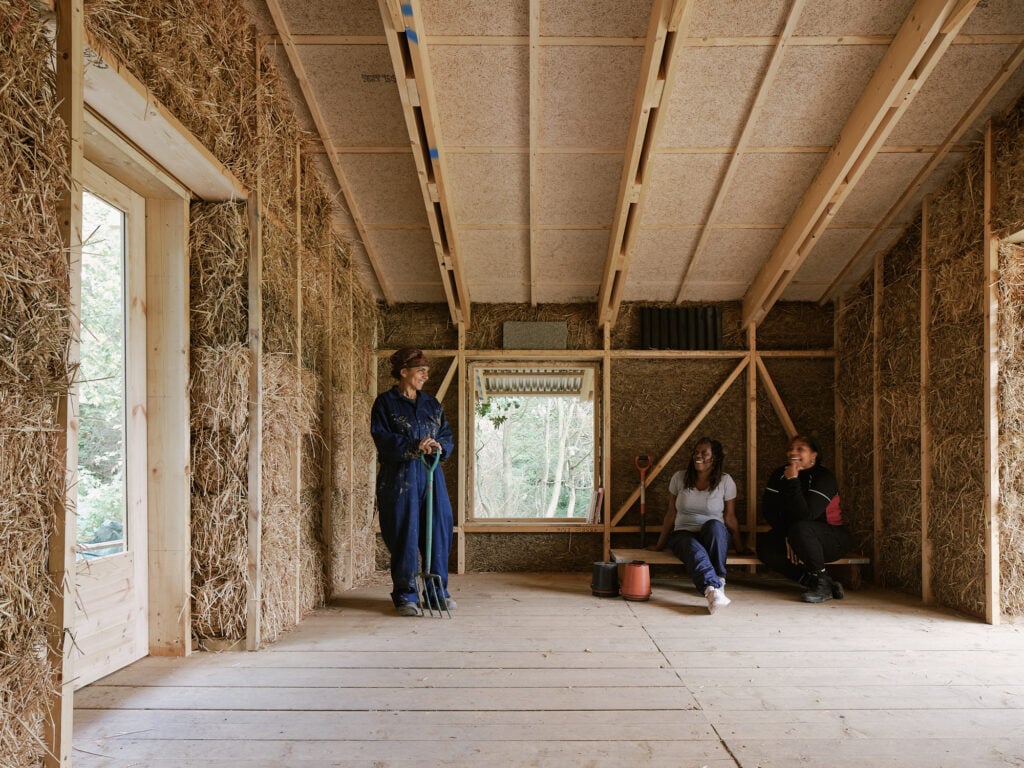
Thatch—The Past and Future of Green Building?
Architects are rediscovering the potential of reeds and thatch through projects that sequester carbon—and help restore wetlands.
Biophilic Design
Viewpoints
What’s Next in Biophilic Design?
What began as a movement to “bring the outdoors in” has evolved into a sophisticated discipline that blends neuroscience, sustainability, and multisensory design.
Projects
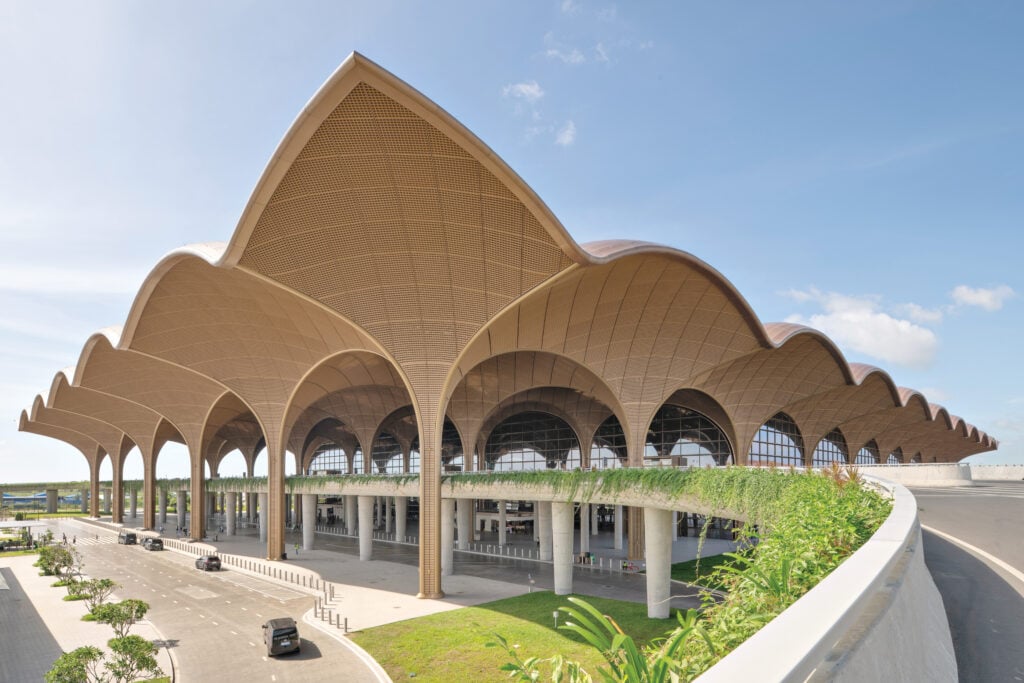
A New Airport by Foster + Partners Is a Celebration of Culture and Light
With its innovative modular roof and biophilic interiors, the Techo International Airport is a green gateway to Cambodia.
Planet Positive Awards 2025
Awards
Announcing the Winners of the 2025 METROPOLIS Planet Positive Awards
METROPOLIS’s Planet Positive Award winners represent excellence in sustainable, healthy, just design at every scale in the built environment.
MORE FROM THE WINTER ISSUE
Viewpoints
Inside Autodesk’s Sustainability Vision—and Actions
Joe Speicher, Autodesk’s chief sustainability officer, discusses how integrating AI and cloud tools can make sustainable design measurable and achievable across the built environment.
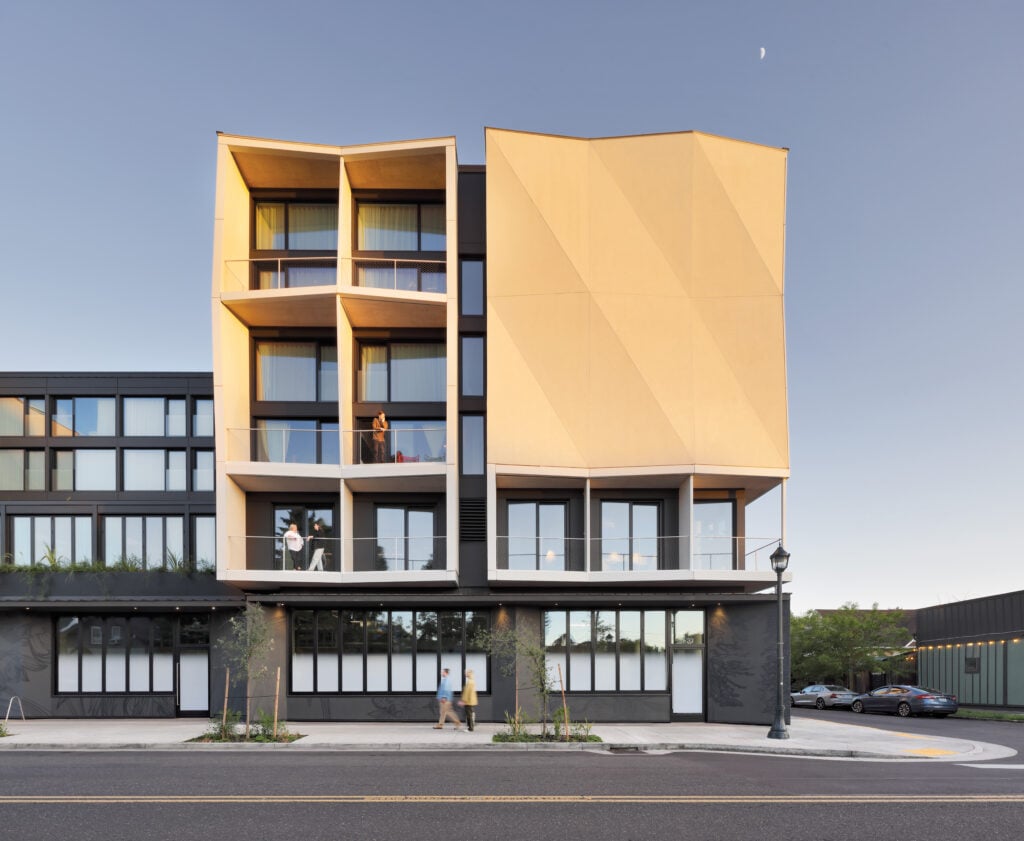
Projects
At This Portland Hotel, Wellness Is the Ultimate Sustainability
Designed by LEVER Architecture for developer-builder Solterra, the Cascada Hotel and Spa embraces low-carbon, health-centric luxury.
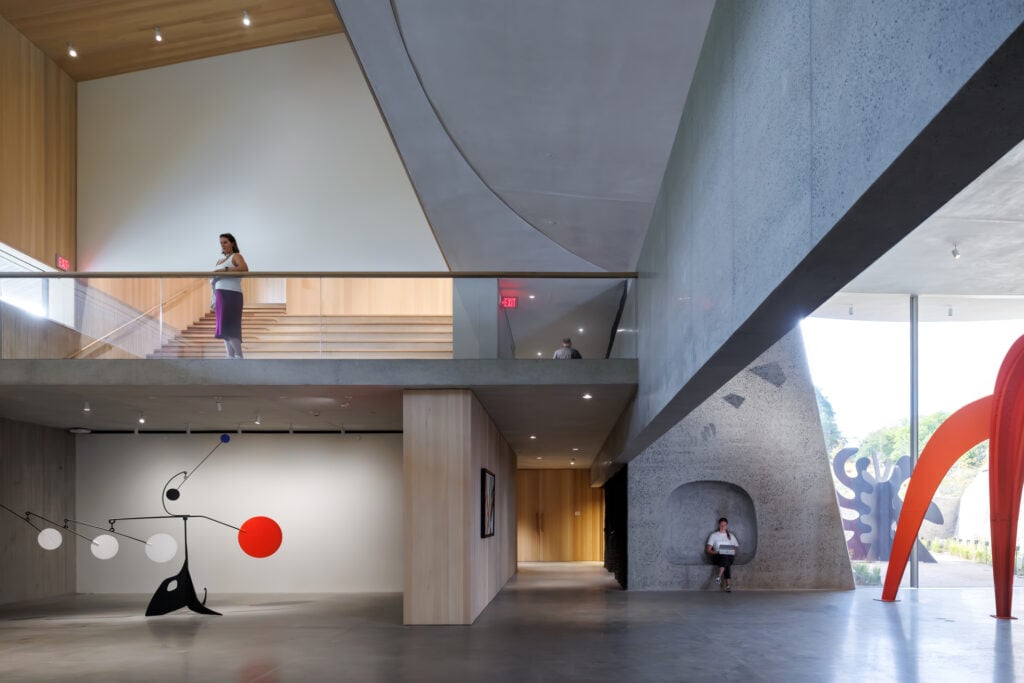
Projects
Calder Gardens Brings Stillness to Philadelphia’s Parkway
Piet Oudolf’s signature garden and Herzog & de Meuron’s subterranean museum unite to create a quiet sanctuary for Alexander Calder’s art on Philadelphia’s grand boulevard.
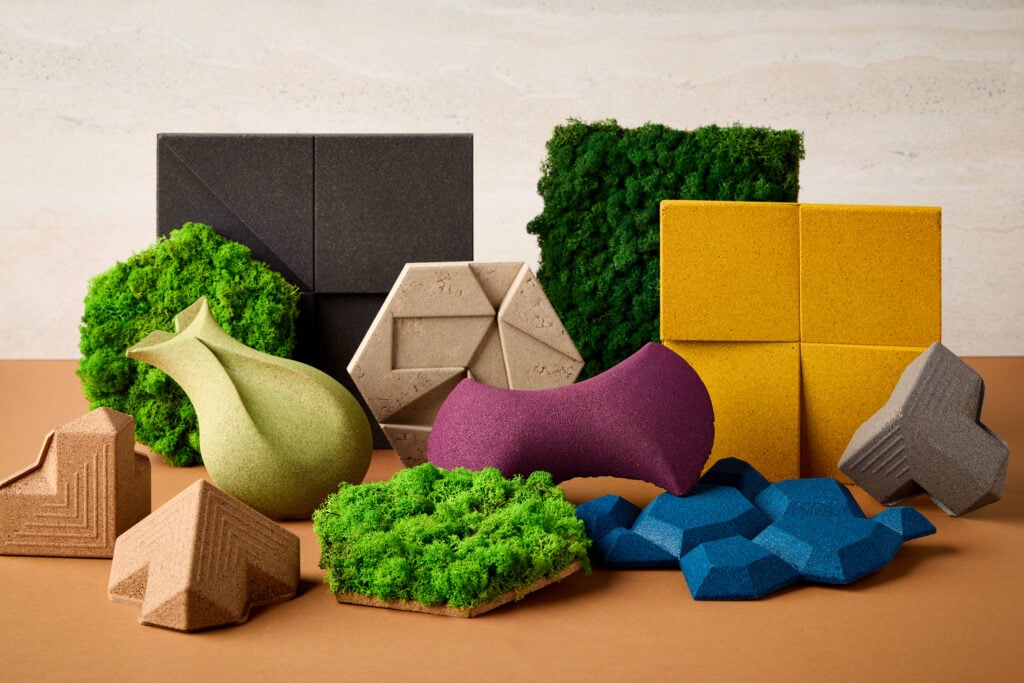
Products
Discover the Best Products and Materials of 2025
METROPOLIS rounds up some of the most innovative products and materials that shaped design this year, highlighting breakthroughs in sustainability, circularity, and performance.
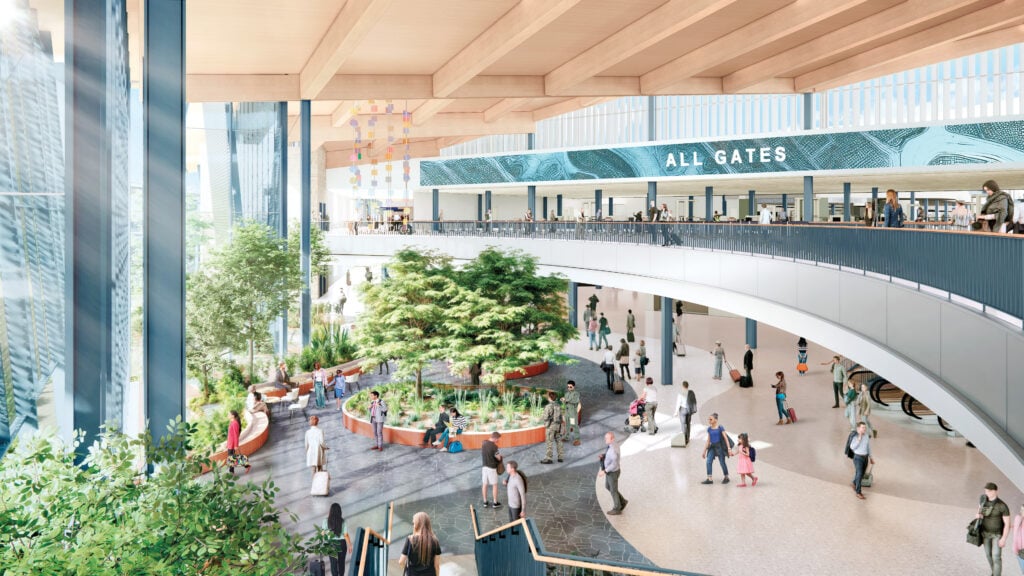
Products
Tracing Mass Timber’s Full Life Cycle
Corgan introduces its mass timber carbon calculator, which measures the embodied emissions of biogenic carbon.
Projects
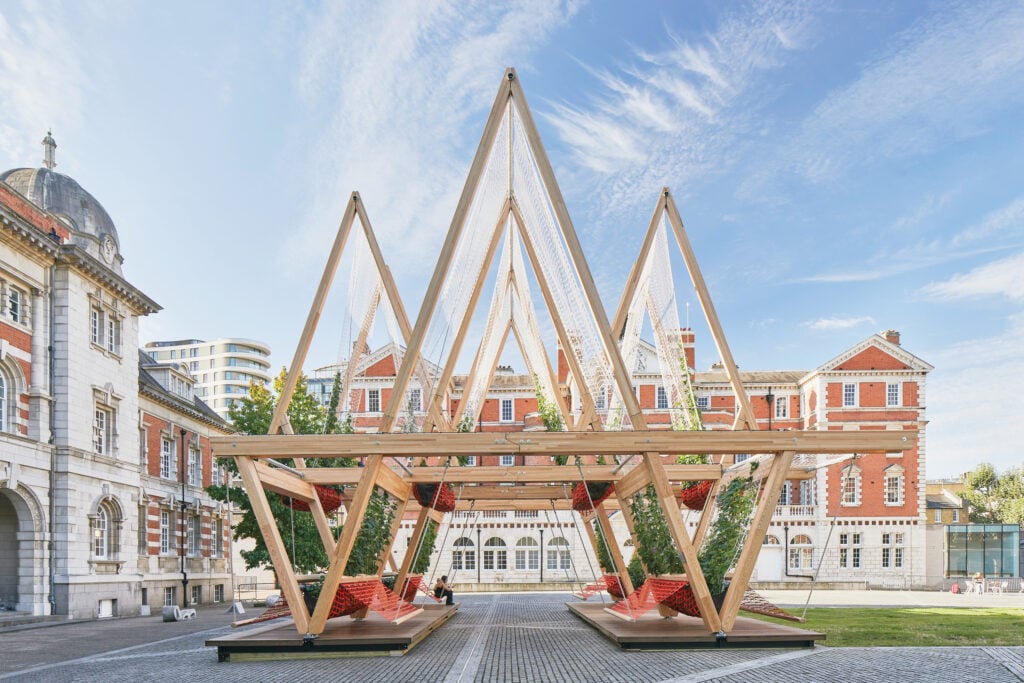
Is Red Oak Glulam the Next Solution for Greener American Cities?
A pavilion at the London Design Festival opens new possibilities for an American hardwood that has long been overlooked.
Products
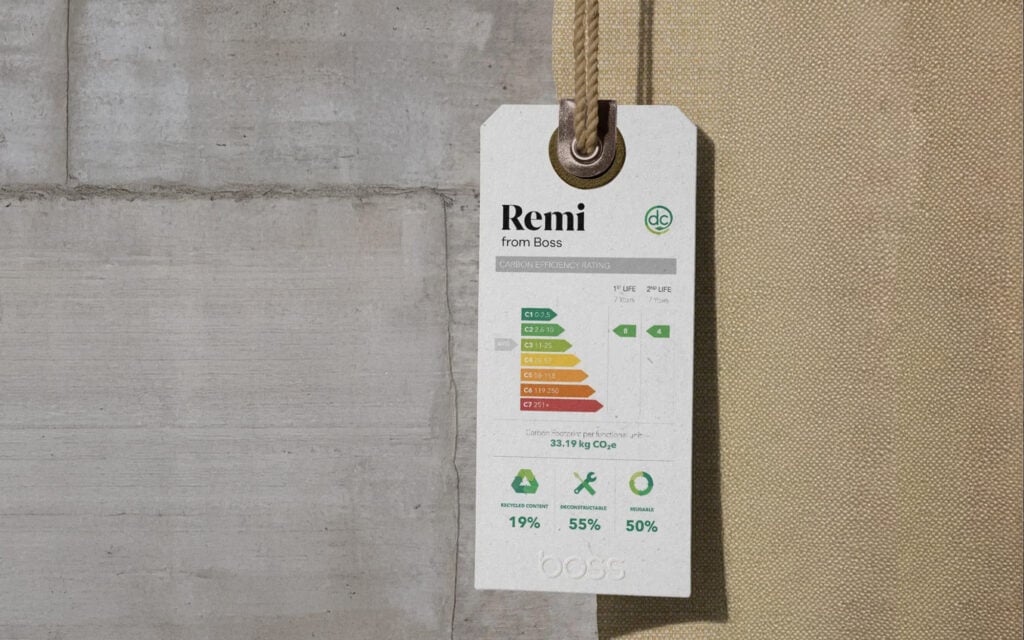
Boss Design’s New Label Changes How Designers Specify
The Carbon Efficiency Label turns complex lifecycle data into a visual tool for informed specification.
Would you like to comment on this article? Send your thoughts to: [email protected]
Latest
Viewpoints
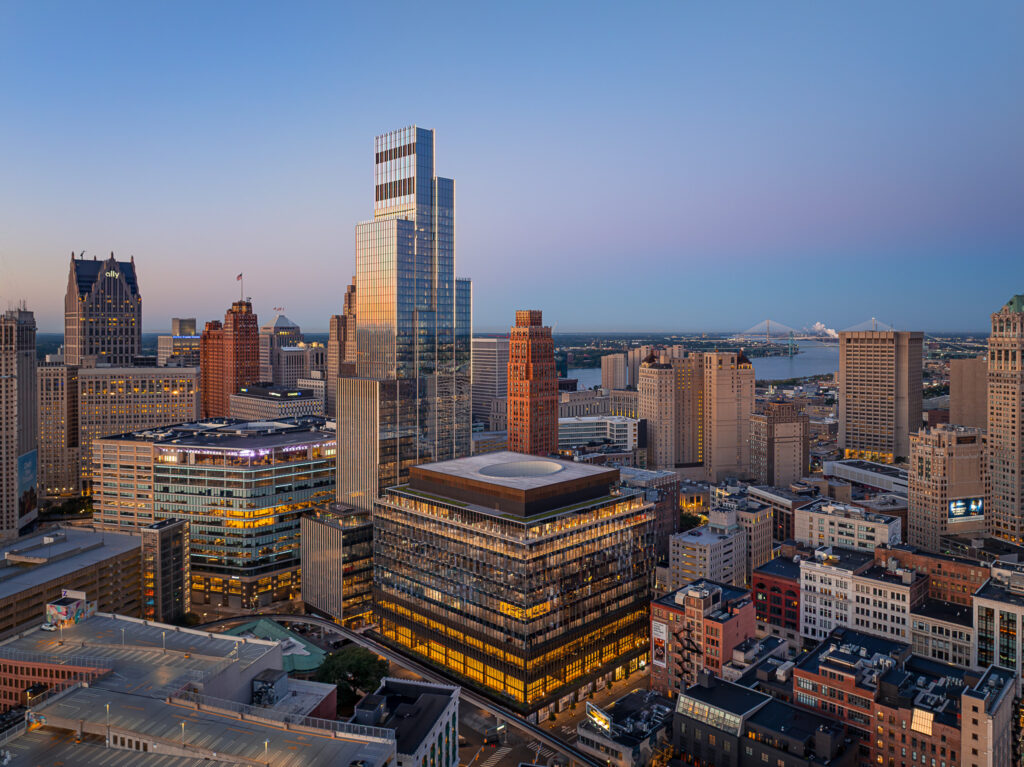
Detroit Month of Design: A City’s Work in Progress
Now in its 16th year, the celebration offers insights into the Motor City’s ongoing accomplishments without glossing over its hurdles.
Projects
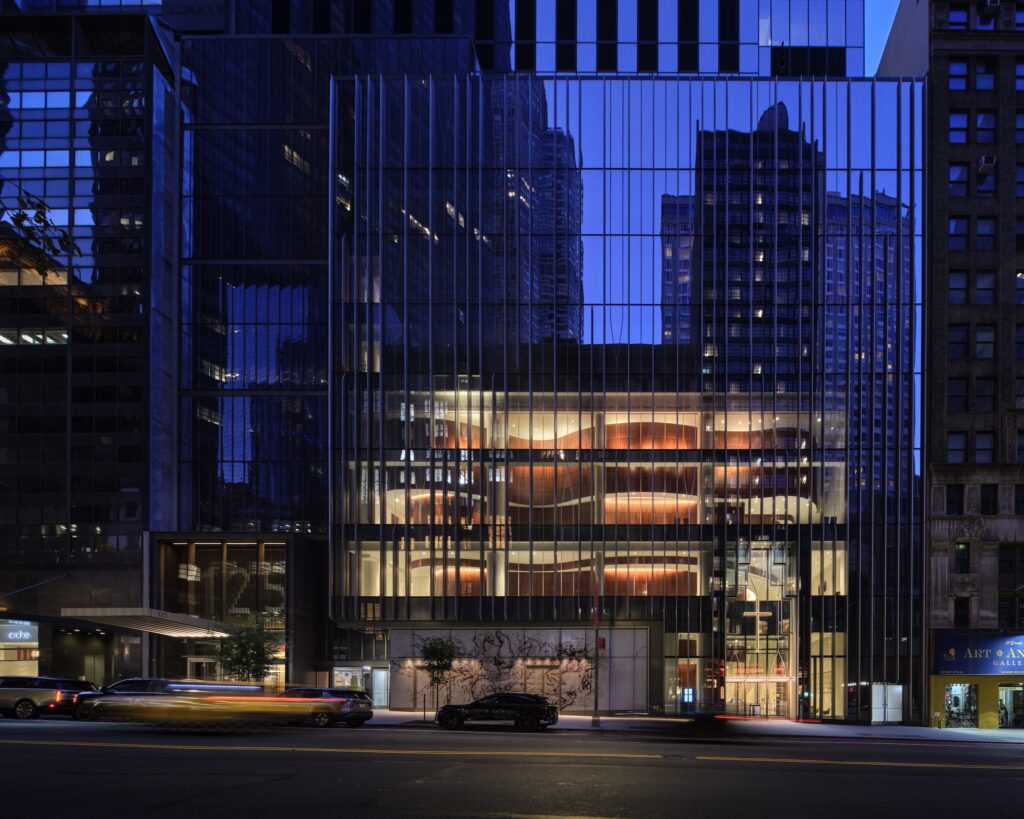
How a Hybrid Building Helped an Historic Manhattan Congregation Remain in Place
On Billionaire’s Row, FX Collaborative designed a new home for Calvary Baptist Church combined with an office tower.