



July 29, 2026
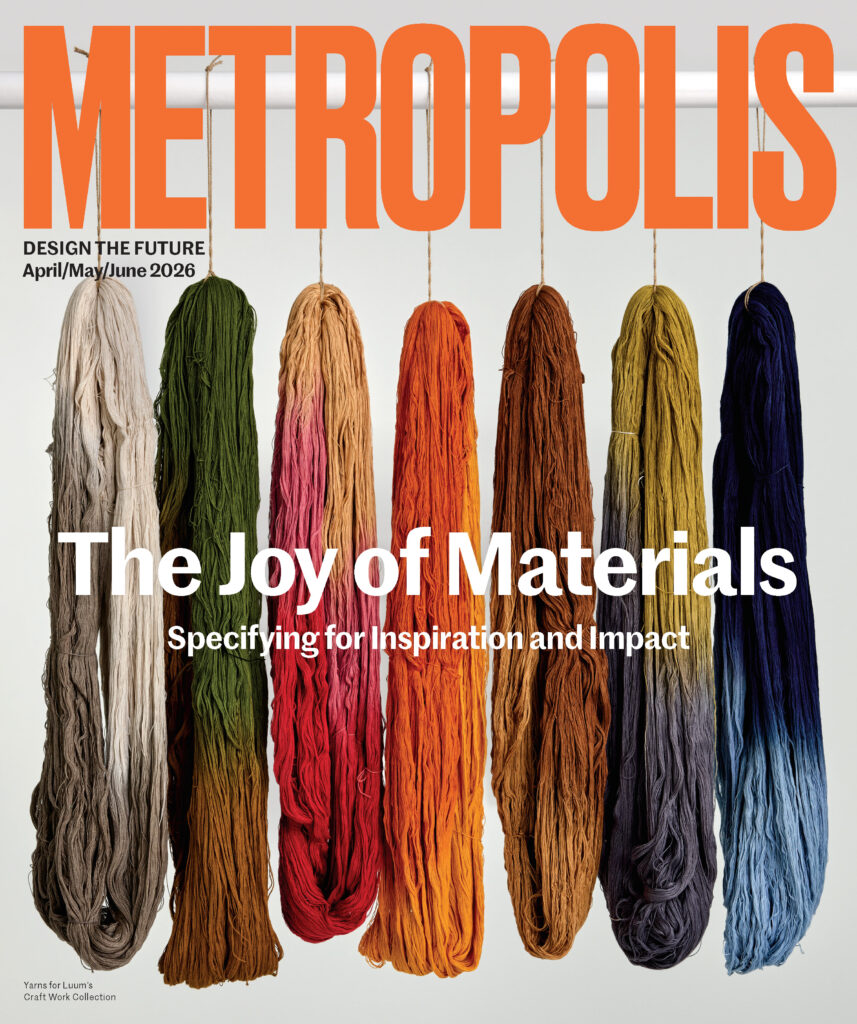
Rediscovering the Joy of Materials
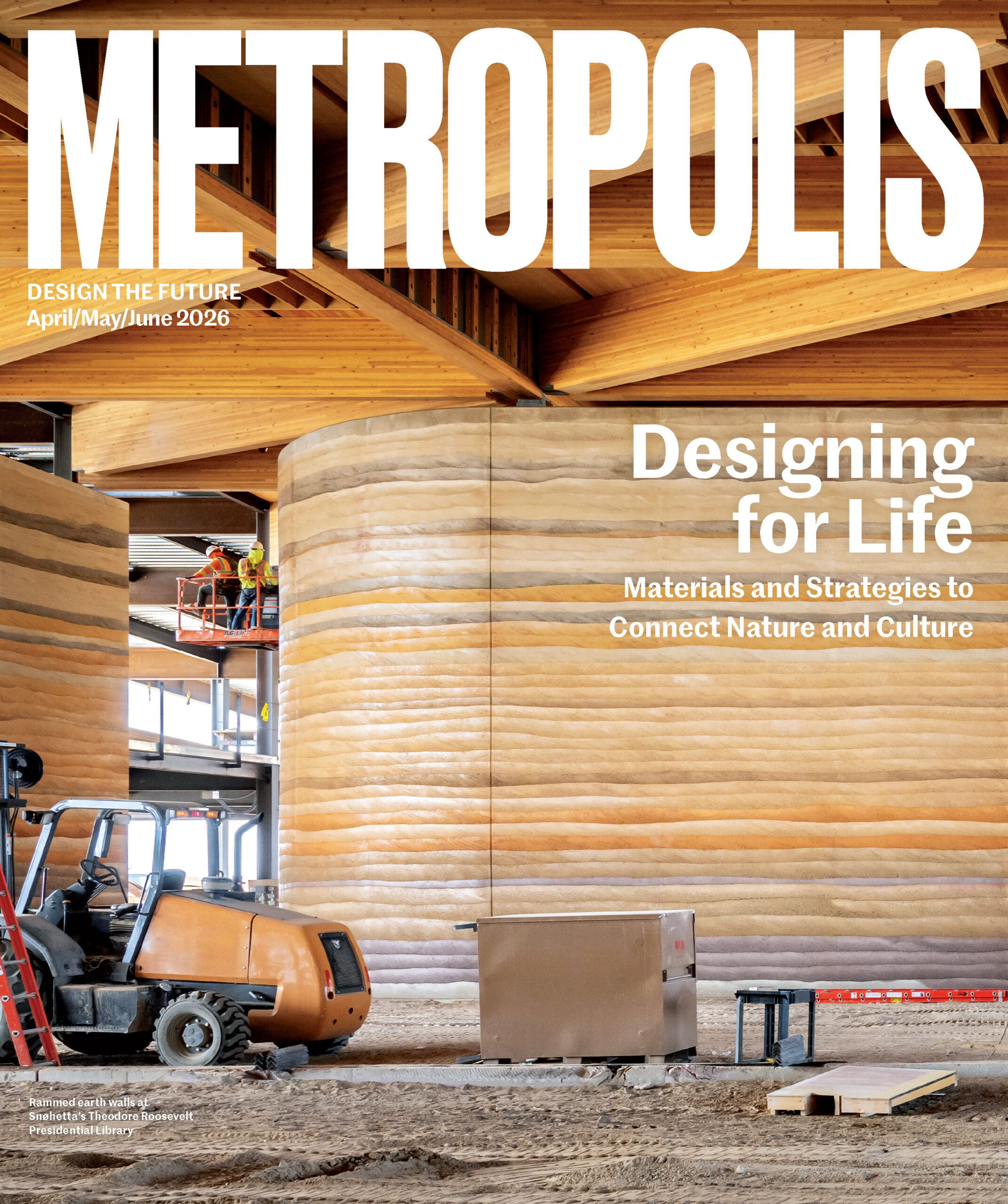
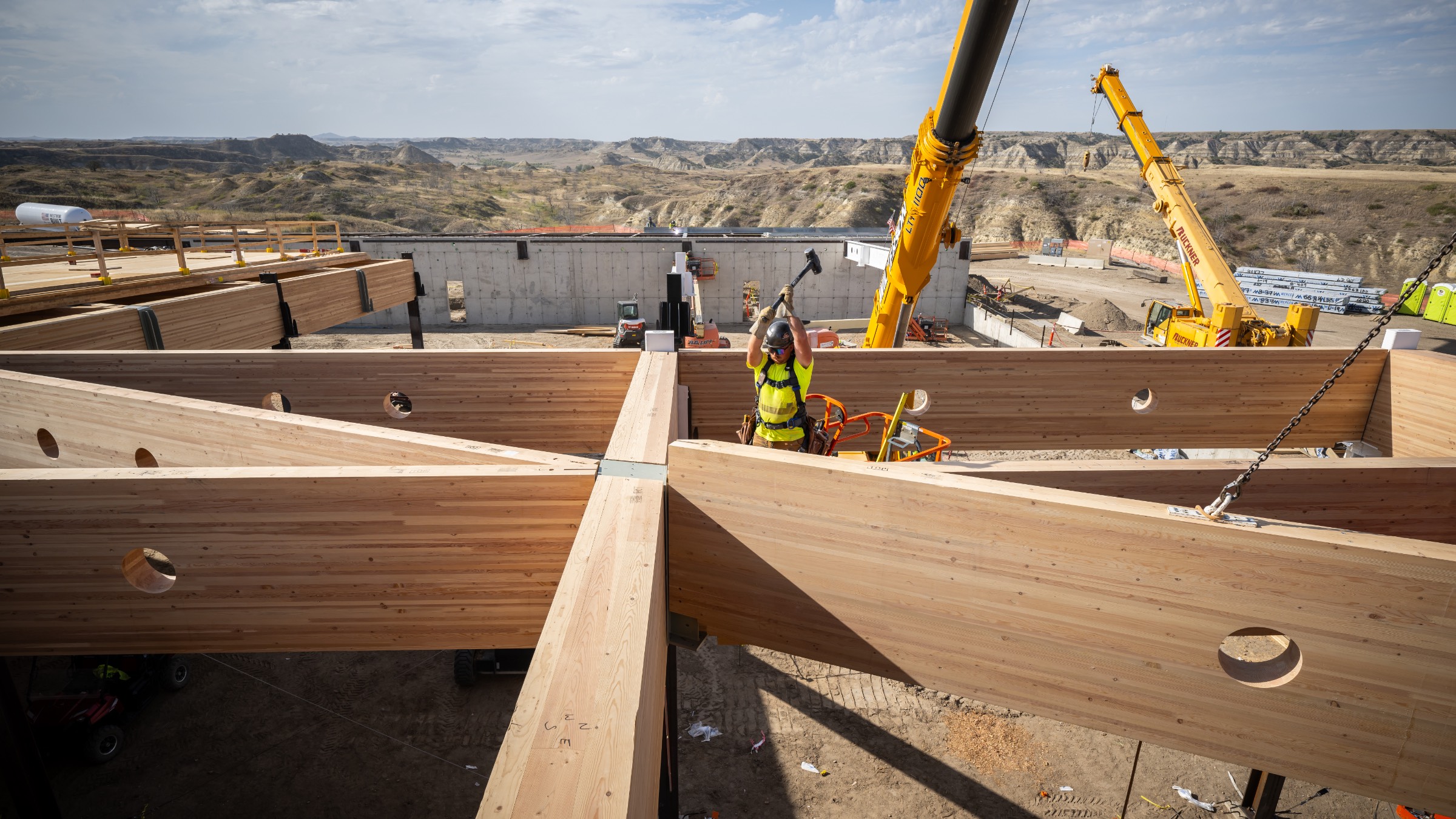
At the heart of the Theodore Roosevelt Presidential Library, the architecture and design firm Snøhetta put in massive rammed earth walls. Layers of colored earth pile up like the landscape of North Dakota’s Badlands, which were so influential in Roosevelt’s life. “People who really know the Badlands can point to the colors and say, ‘I know where that comes from’,” says Snøhetta director and architect Aaron Dorf.
A new generation of architecture leaders, all with roots in Latin America, instinctively understand the power of that kind of connection to community. They know how brick, terrazzo, timber, volcanic stone, and industrial metal panels carry with them the weight of culture and labor, and they leverage that to make active, innovative spaces. “We approach projects always with the same attitude,” says architect Leandro Piazzi, “understanding architecture as a material action—something that is built to exist.”
This evocative nature of materials is the first thing experienced—sometimes subliminally—by the people who live, work, learn, and heal in the spaces that architects and designers create. That’s the gateway to appreciating the other impacts materials can have on function and performance (“14 Products Shaping a More Responsive Office”) or on our health and the environment (“10 Standout Biobased Materials from NeoCon 2026”).
We hope this issue helps you reconnect with the joy of materials—and gets you thinking about how you can unleash their power in your projects.
Read every story from our 2026 April/May/June Issue:
Features
Profiles
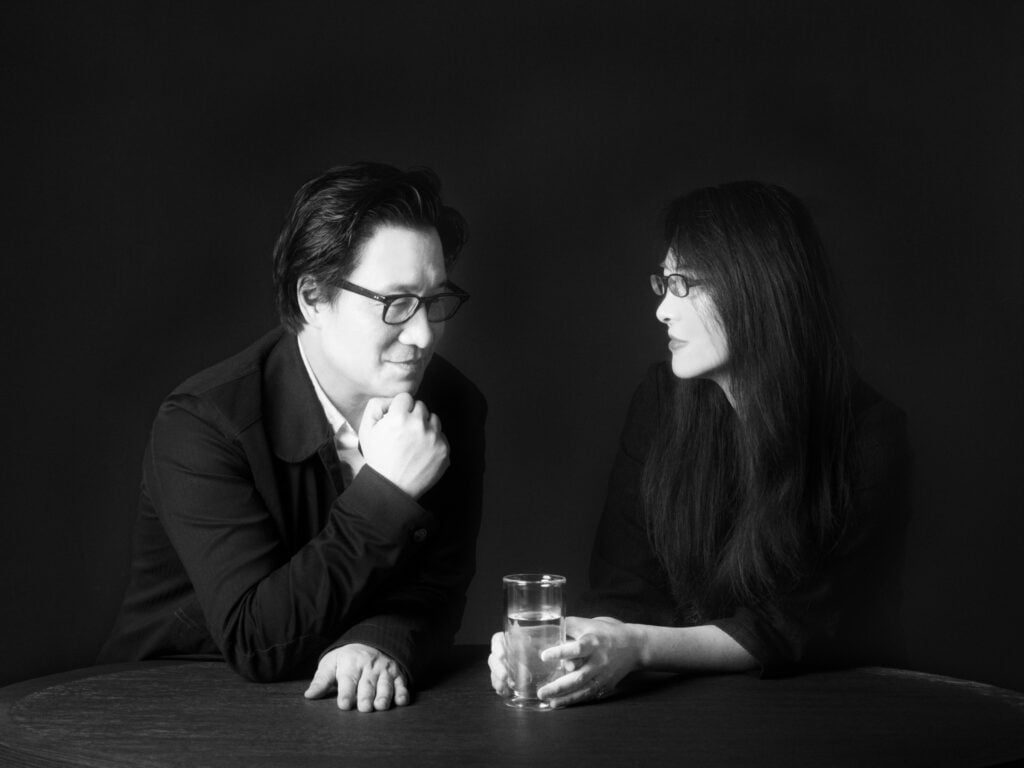
Neri&Hu Design for Continuity
For the Shanghai-based firm, design that is relevant for the future is also a bridge to the past.
Products
Discover the Winners of the METROPOLISLikes 2026 Awards
This year’s product releases at NeoCon and Design Days signal a transformation in interior design.
Selects
Products
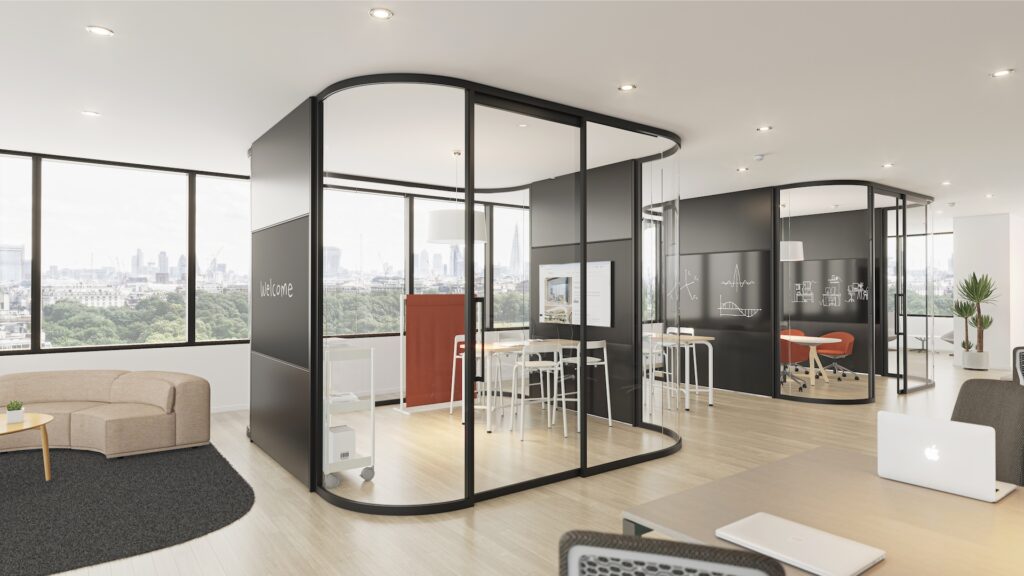
Designers Share the Products Shaping Specialized Interiors
Designers from ZGF, Elkus Manfredi, and Perkins&Will provide guidance on specifying for airport concourses, law offices, and science and tech labs.
Products
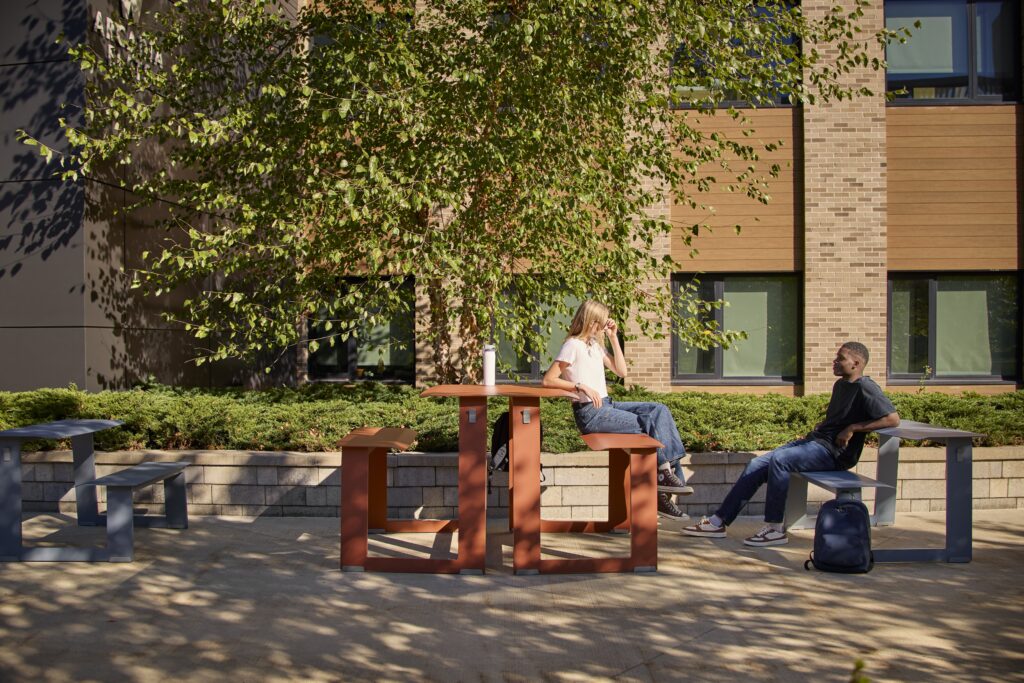
16 New Releases Doing More by Design
From tactile surfaces to reworked natural references and systems, these products foreground durability, flexibility, and sensory experience.
Products
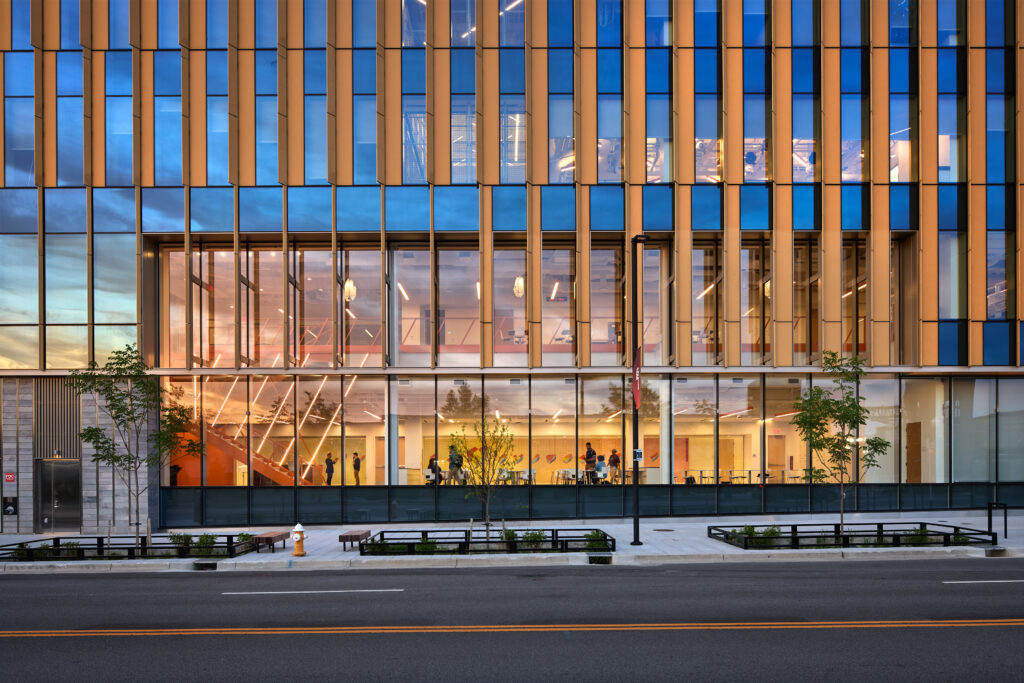
4 Architectural Facades Reimagining Contemporary Cladding
Contemporary facades and architectural surfaces are now infrastructure—highly performative, technically ambitious, and also increasingly complex to build.
Nature
Products
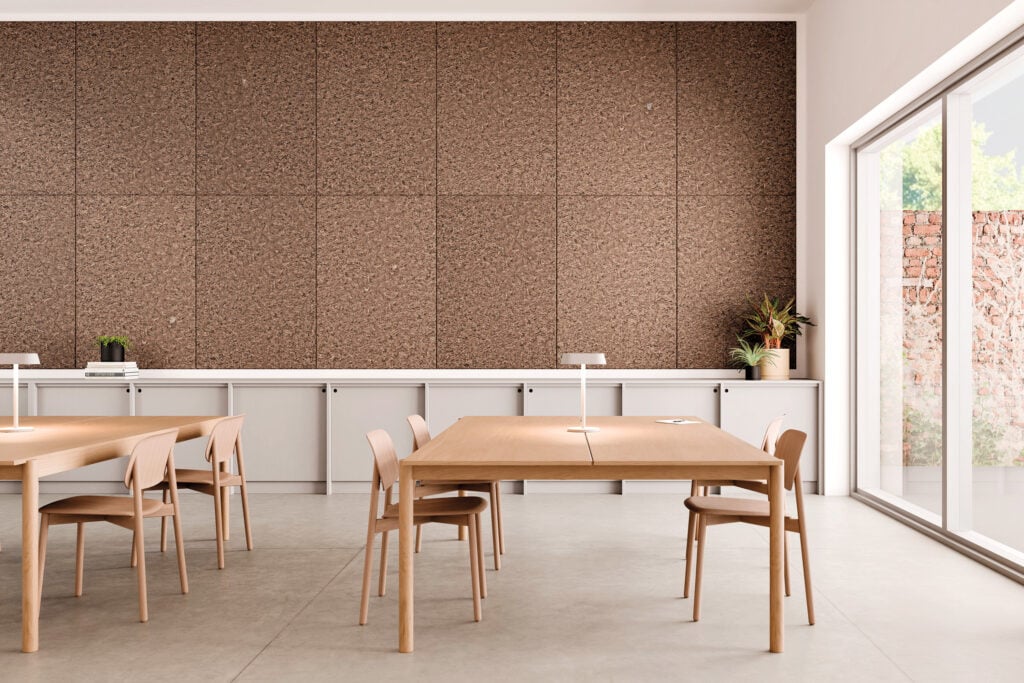
10 Standout Biobased Materials from NeoCon 2026
At METROPOLIS’ 2026 Sustainability Lab, biobased materials lead the way for sustainable design—from cork to mycelium.
Projects
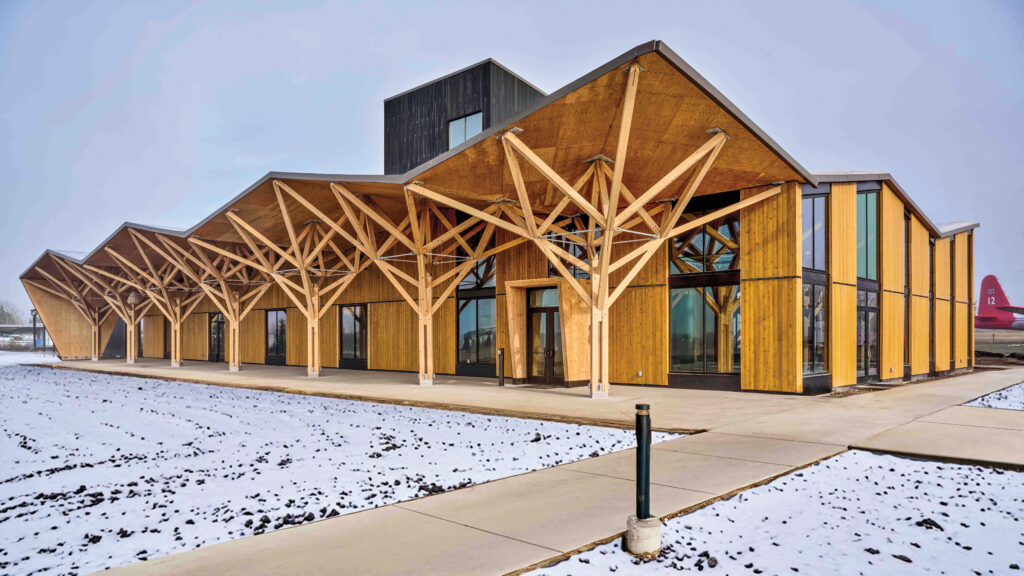
In Missoula, a Museum Grows from Timber and Memory
Designed by Leers Weinzapfel Associates, the National Museum of Forest Service History’s new hub transforms donated materials and expressive timber forms into a learning environment.
Projects
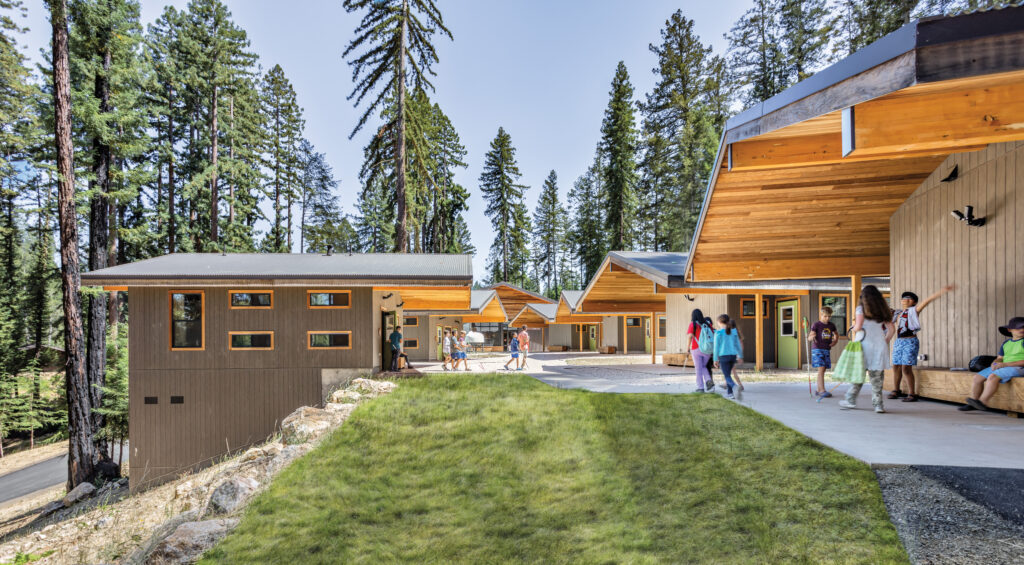
Perkins&Will Rebuilds the West Coast’s First Camp for the Blind
A destructive wildfire became a catalyst for reimagining the treasured retreat for generations to come.
Culture
Projects
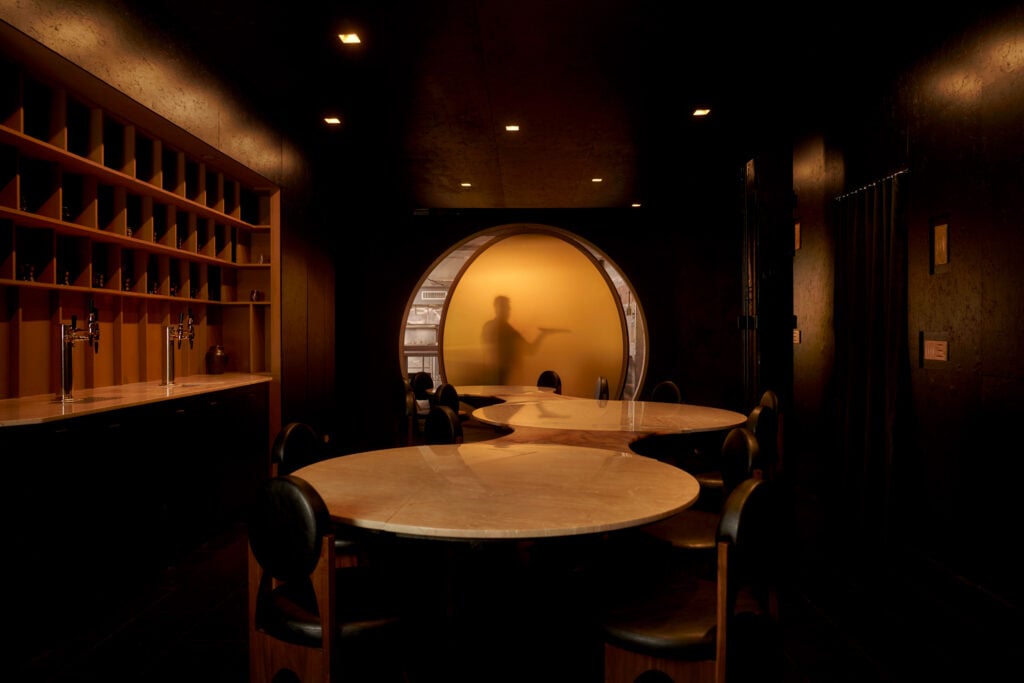
Gourmega Reconfigures the Communal Table
Designed by Mariam Issoufou for Ghetto Gastro cofounder Jon Gray, the restaurant uses a modular system of tables and a café-tasting room model to reshape communal dining across day and night.
Profiles
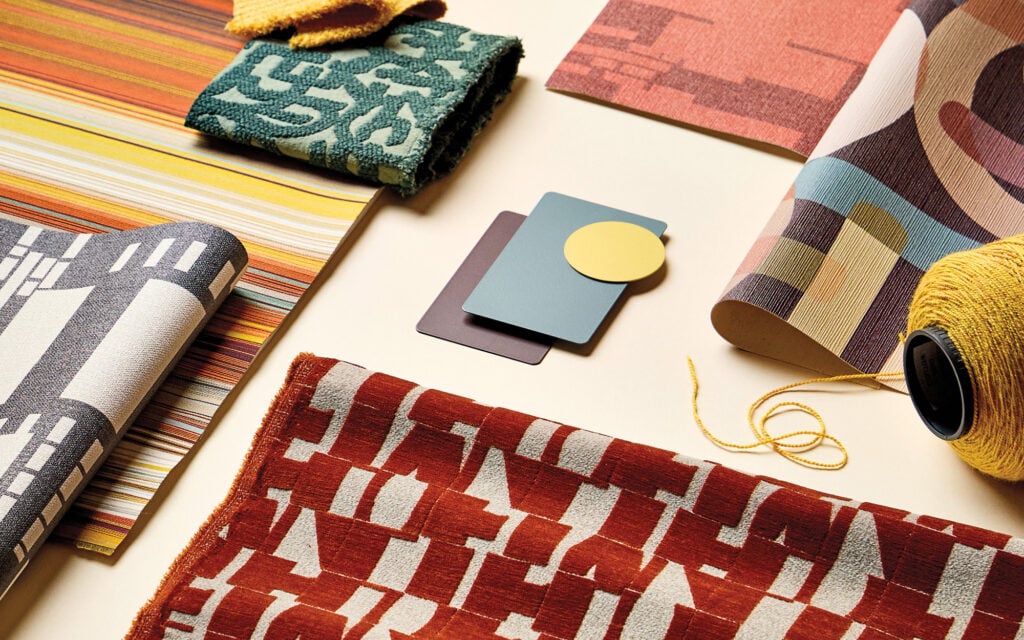
Michael Ford and Momentum Find a New Way to Express Hip-Hop Culture
Ford’s new textile-and-wallcovering collection brings rhythm to commercial interiors.
Products
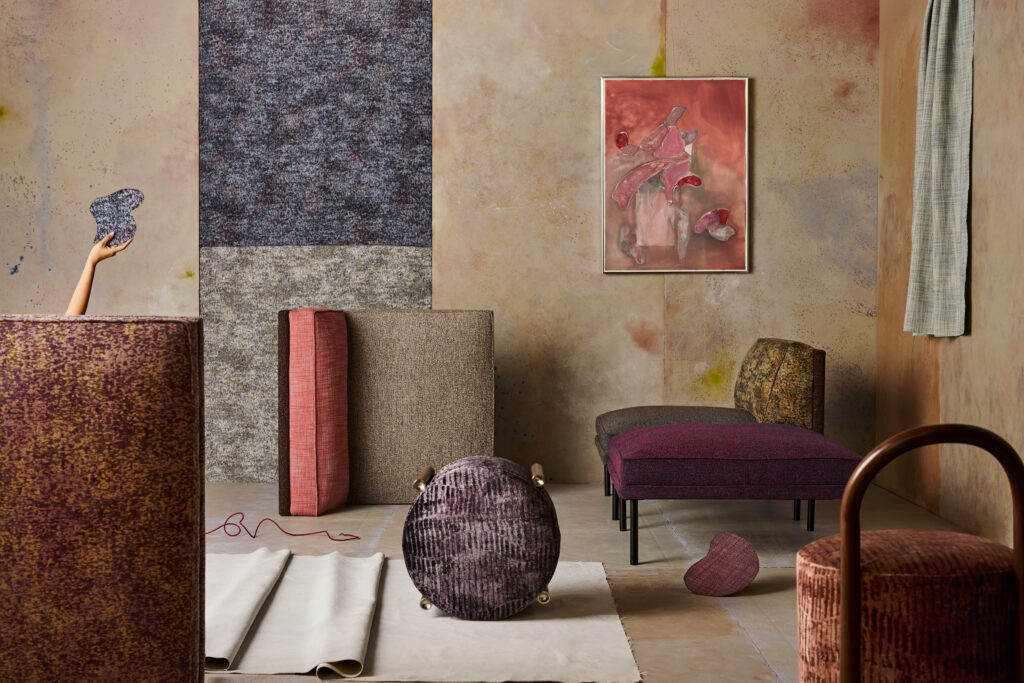
8 Collections Translating Culture into Design
From rugs to wall panels, reverence for craft and culture elevates standout products—both expressive and restrained—as they enrich interiors with new stories to tell.
Profiles
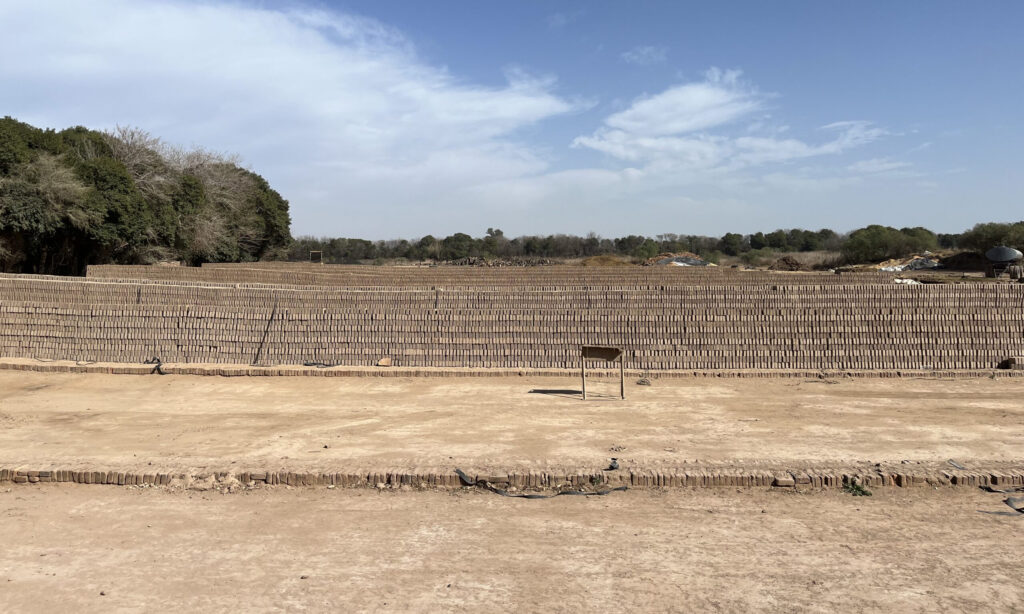
Materia Latina / Latin Matter
Between the US and Latin America, Balsa Crosetto Piazzi, Studio Cadena, and Estudio ALA practice architecture through a contextual and collective approach to materiality.
Work
Products
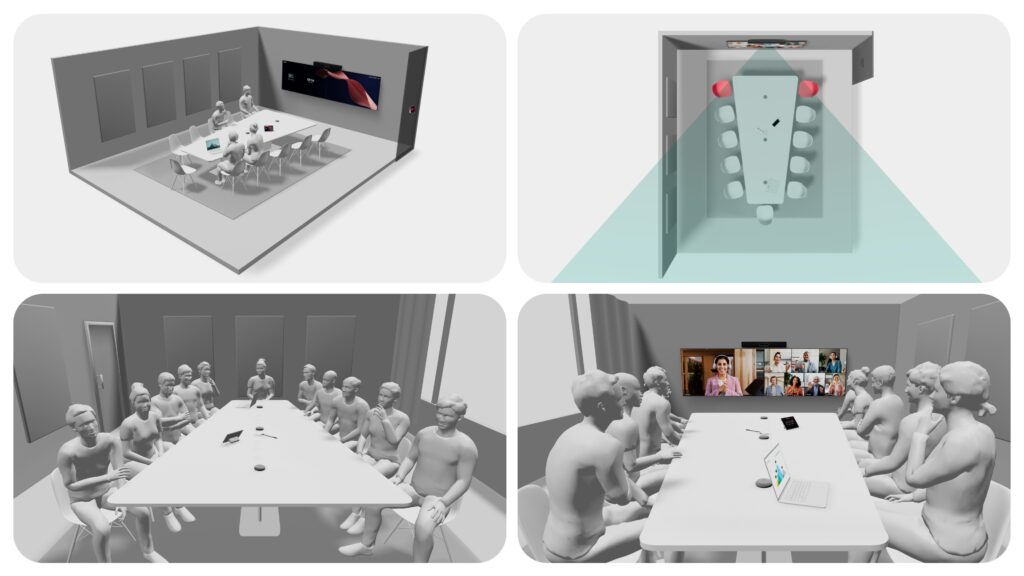
A New Design Logic for the Hybrid Meeting Room
Cisco’s Workspace Designer brings AV planning and spatial visualization into a single platform—signaling a broader shift in how hybrid meeting spaces are designed.
Projects
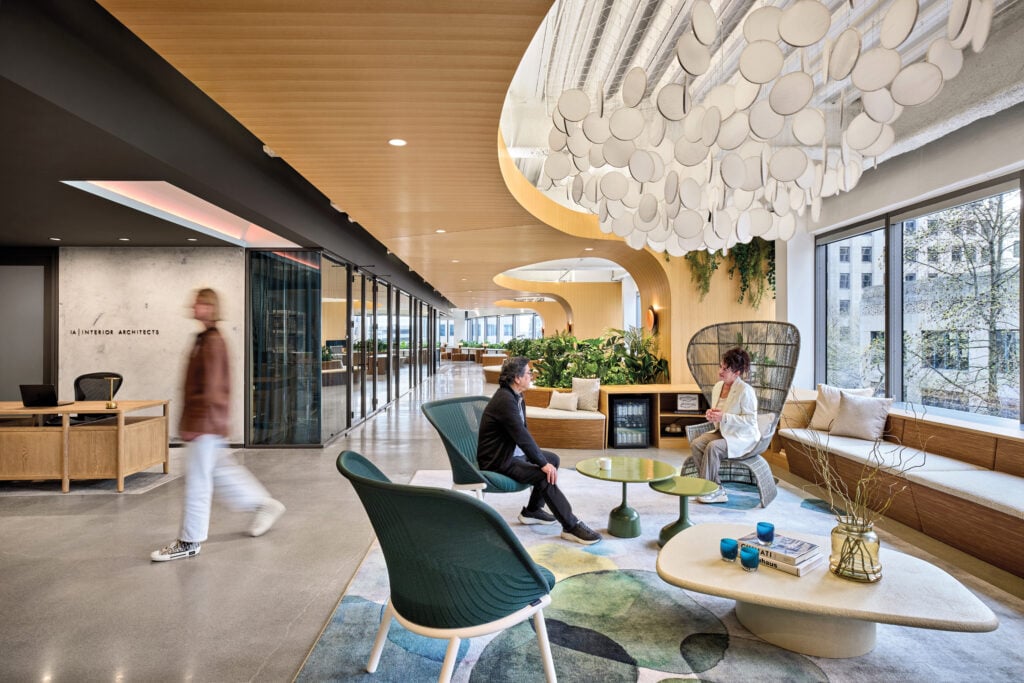
At Its New Seattle Office, IA Aims for Harmony
The workplace project is the testing ground for a new design framework and a one-of-a-kind foray into 3D-printed furniture.
Products
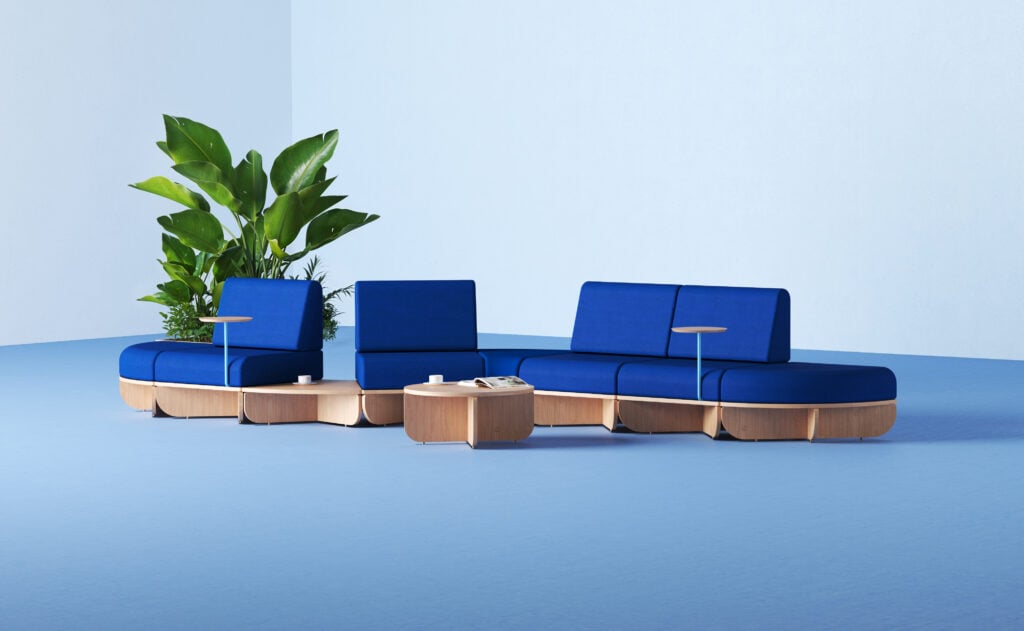
14 Products Shaping a More Responsive Office
Return-to-office mandates and hybrid-work models have some companies rethinking their office spaces—and design-forward manufacturers are keeping pace. These latest office furnishings and components address the evolving…
Products
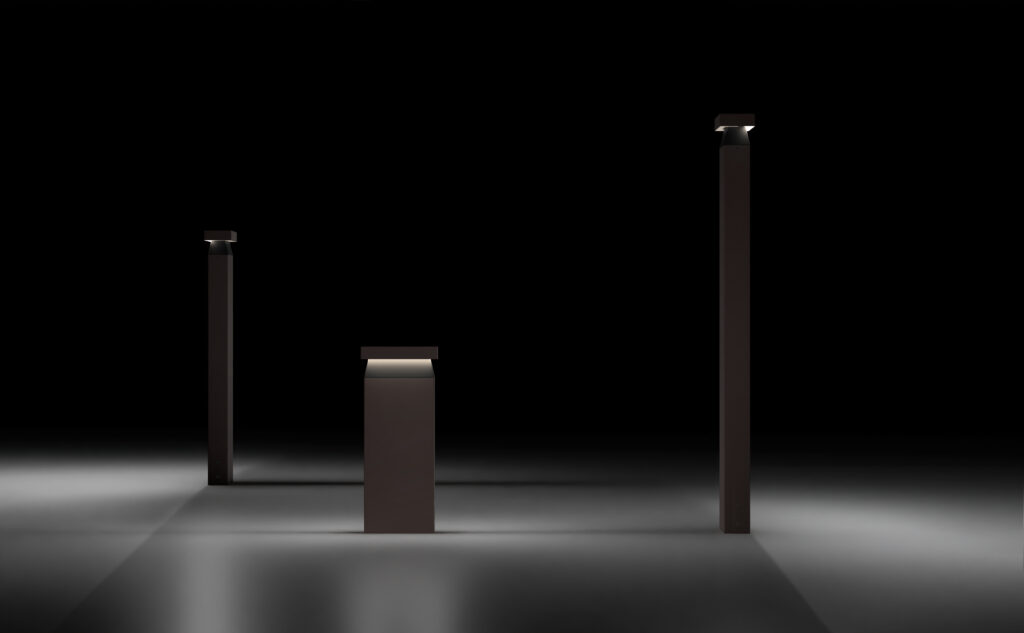
9 Neuro-Inclusive Lighting Solutions for Sensory-Sensitive Design
These products can serve as the building blocks for lighting schemes that are friendly to all neuro types, everywhere from the home to the workplace.
Projects
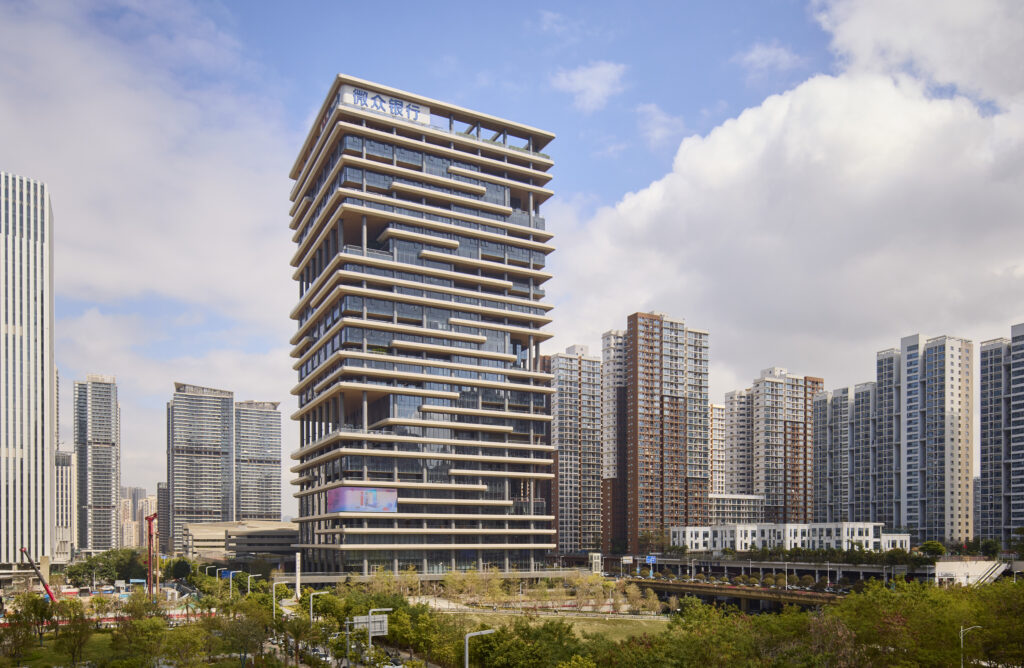
SOM Creates a Breathing Building
Located in Shenzhen, China, WeBank’s headquarters takes a porous and responsive approach to occupant health and comfort.
Craft
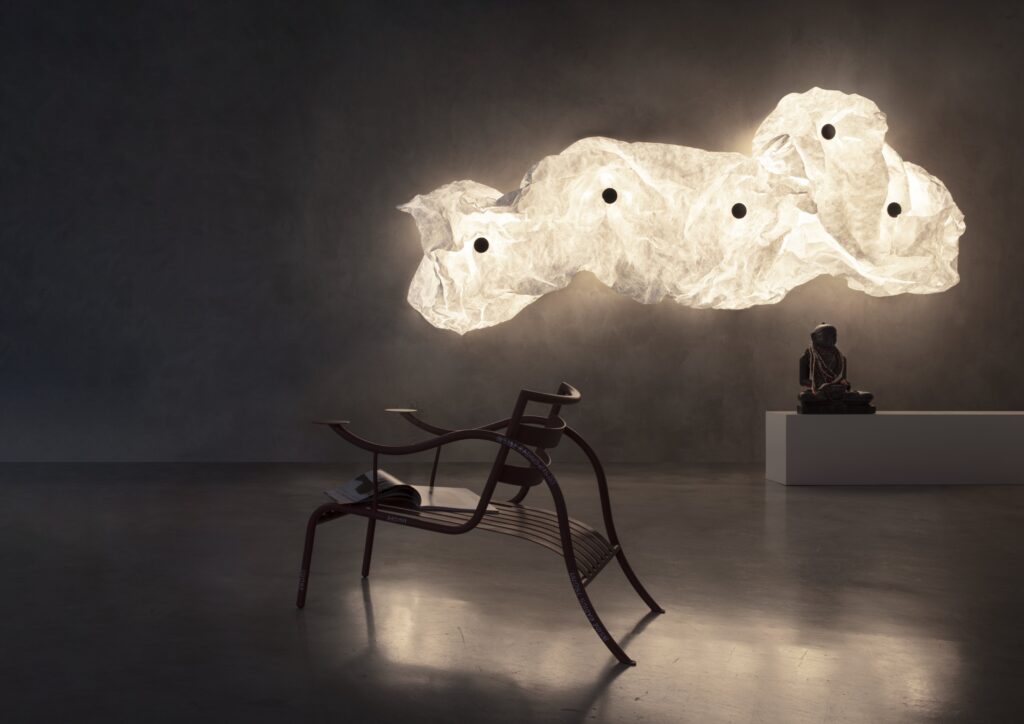
Products
8 New Products Leaning into Craft
From Milan Design Week 2026 and beyond, new furniture, lighting, textiles, and wallcoverings manifest fresh approaches to craft.
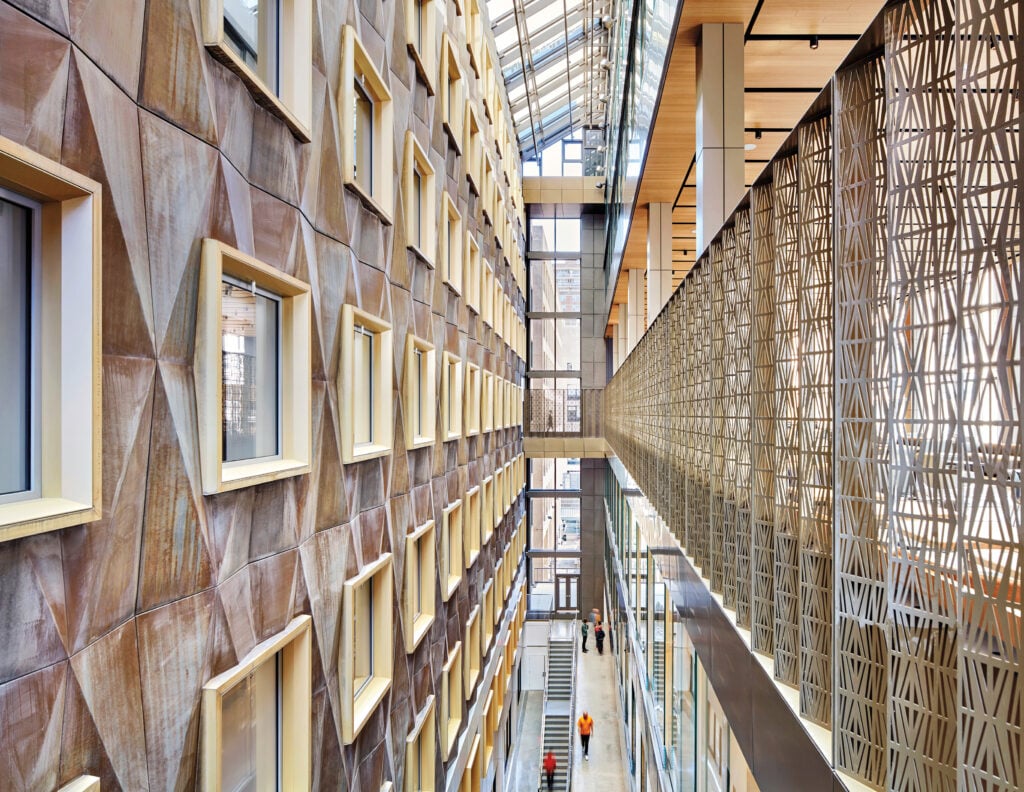
Viewpoints
How Can We Celebrate Craft in Architecture Today?
The designers of some of the most beautifully crafted buildings and spaces in New York City convened to discuss the role of artistry in architecture.
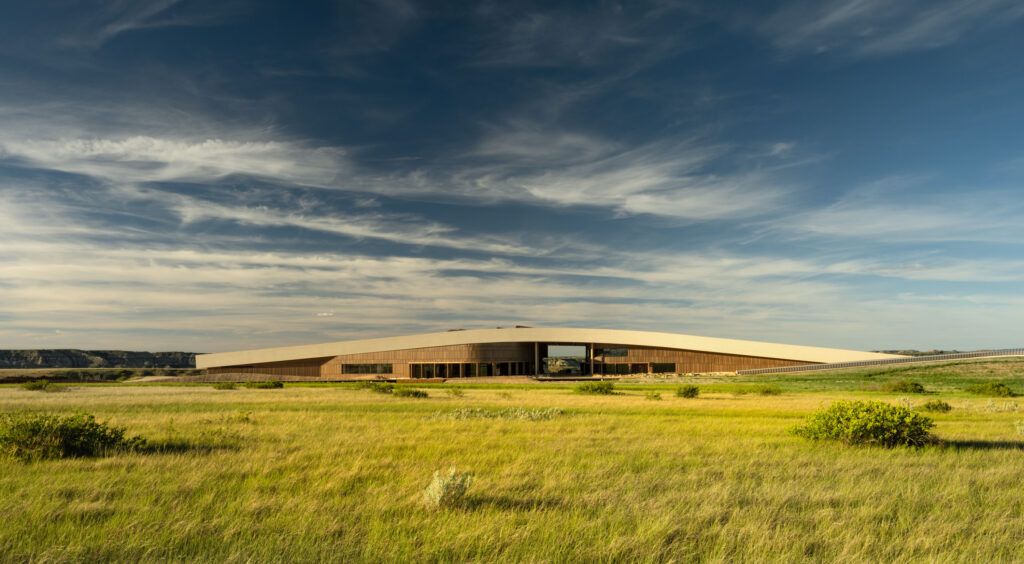
Projects
In North Dakota, a Regenerative Presidential Library for Theodore Roosevelt
Inspired by Roosevelt’s legacy of conservation, Snøhetta crafts a living building for his Presidential Library.
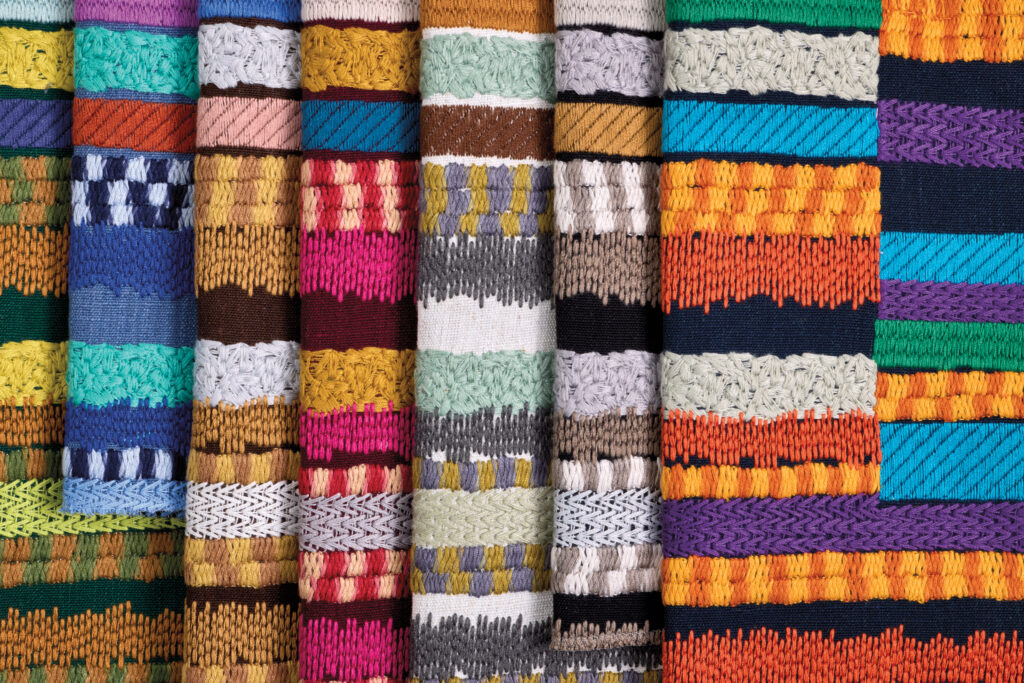
Products
Dorothy Cosonas Designs Textiles from the Fiber Up
The creative director carries forward Luum’s legacy of material innovation through close collaboration with mills and an emphasis on fiber-level experimentation.
Would you like to comment on this article? Send your thoughts to: [email protected]
Latest
Viewpoints
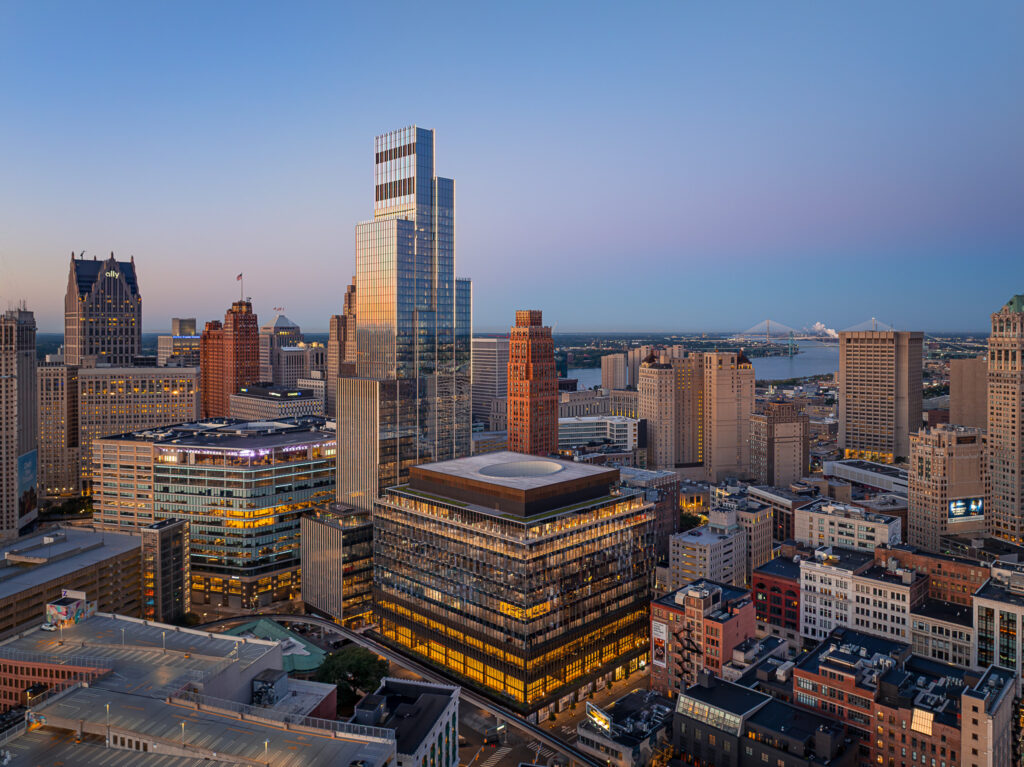
Detroit Month of Design: A City’s Work in Progress
Now in its 16th year, the celebration offers insights into the Motor City’s ongoing accomplishments without glossing over its hurdles.
Projects
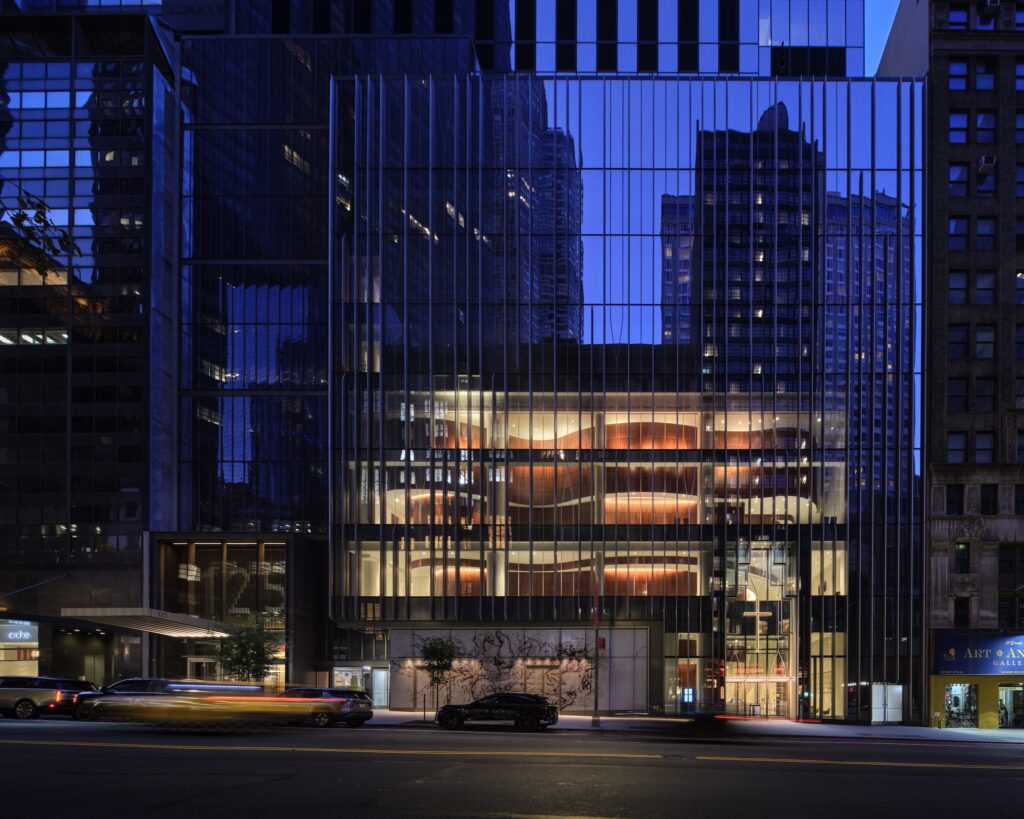
How a Hybrid Building Helped an Historic Manhattan Congregation Remain in Place
On Billionaire’s Row, FX Collaborative designed a new home for Calvary Baptist Church combined with an office tower.